Full Article
about Quijorna
Quiet village known for its historic lime kilns; site of the Battle of Brunete
Hide article Read full article
A village that appears out of the plain
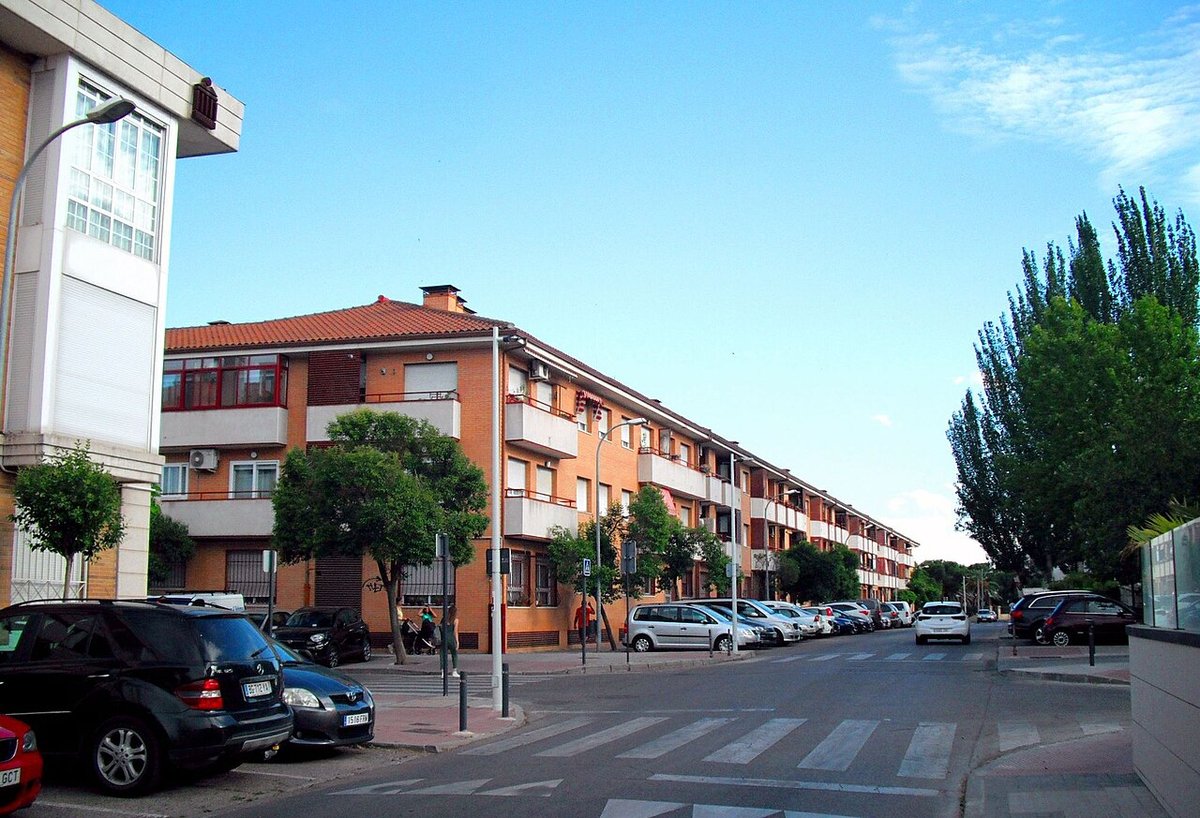
Quijorna comes into view all at once, after kilometres of wheat fields that seem to stretch without end. A low granite rise, a cluster of houses, and the church tower marking the highest point. That is the whole outline. It is a small settlement set in an agricultural plain, a place that for centuries functioned less as a large population centre and more as a point of passage and territorial control.
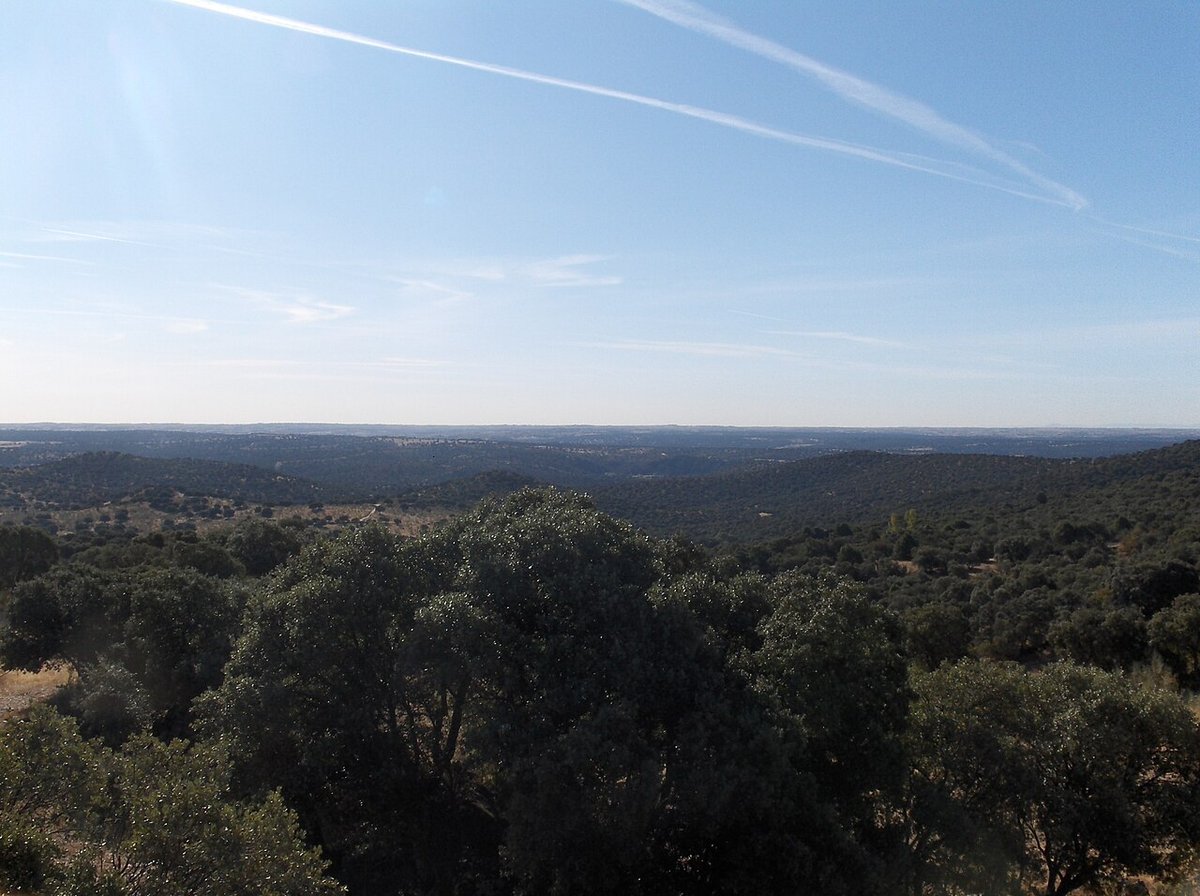
Its setting explains a lot. At around 570 metres above sea level, Quijorna sits on the edge between cereal-growing plateau and the first rises of the Sierra Oeste. From here, the land opens towards a natural route leading to the Guadarrama valley. The area appears in the Libro de la Montería of Alfonso XI, a medieval text linked to royal hunting, which suggests these lands were already known for woodland and game. Permanent settlement came later, in the 15th century, when the Castilian Crown sought to stabilise and populate these frontier zones.
Lordship, land and the Civil War
By the late 15th century, Quijorna had passed into the hands of Andrés Cabrera and Beatriz de Bobadilla, figures close to the court of the Catholic Monarchs. Like other places across the Madrid plateau, the system of lordship ensured control over roads, grazing land and agricultural income. For generations, the village operated within this structure, with an economy based largely on cereal farming, livestock and the seasonal movement of herds.
That long rural continuity was sharply interrupted in July 1937. The Battle of Brunete turned this whole western sector of Madrid into an active front during the Spanish Civil War, and Quijorna found itself directly in the middle of it. Intense fighting took place in the surrounding area over several days. When the offensive ended, much of the built-up area had been destroyed. What stands today is largely the result of post-war reconstruction, although the basic street layout still reflects the earlier village.
Traces of that conflict remain scattered across the municipality. There are several surviving fortifications from the period, including bunkers and shelters either dug into the ground or built in concrete. They are spread across fields and low rises, sometimes close to old drove roads and agricultural tracks. Many are not signposted, and some blend into the terrain, partly hidden by holm oaks or scrub.
The church on the hill
At the highest point in the village stands the church of San Esteban Protomártir. Its position dominates the surrounding houses, and its granite tower is visible from a distance. The current building dates from the late 15th to 16th centuries, likely built over an earlier hermitage dedicated to San Juan Evangelista.
Inside, the atmosphere is restrained. The church houses a Baroque altarpiece of Madrid origin, modest in size but carefully executed in its carving. In the parish rooms there are also small silver ex-votos, offerings donated by local residents between the 17th and 19th centuries. They are simple pieces, reflecting everyday devotion rather than grand artistic ambition.
Next to the church stands the former rectory. On its façade there is still a coat of arms linked to the Cabrera family. It is one of the few buildings in the immediate area that appears to have passed through the 20th century without the level of transformation seen elsewhere in the village.
A trace of lime production
Some distance from the urban centre are the remains of an old lime kiln, probably in use between the 16th and 18th centuries. It is a circular structure, partly buried, with an opening facing outward where stone and fuel would have been loaded.
Local tradition holds that lime produced in kilns like this was used in the construction of the monastery of El Escorial. The same claim appears in other nearby villages where similar installations existed. What is certain is that lime was an essential building material across the region for centuries, and these kilns formed part of the rural economy.
Today, the site is easier to recognise by the shape of the ground than by the structure itself, which is largely covered by vegetation.
Walking the land around Quijorna
The surroundings of Quijorna are best understood on foot. This is the countryside of western Madrid: wide cereal fields, patches of holm oak, scattered olive trees, seasonal streams and broad livestock routes crossing the land.
One of these is the Cañada Real Segoviana, which runs east to west through the area. For centuries, it was used by transhumant flocks moving down from the mountains to warmer grazing lands. Its characteristic width still defines the landscape today, a reminder of its historical role in seasonal livestock movement.
There are also local paths that loop through farmland and lead towards small streams or slightly denser vegetation. These are straightforward routes, valued less for physical challenge and more for the openness of the terrain and the quiet of the countryside.
Getting your bearings
Quijorna lies in the Sierra Oeste of the Community of Madrid, around forty kilometres from the capital. It is usually reached by road from Brunete and other nearby towns along the Guadarrama corridor.
The village itself can be covered quickly. Its scale is modest, and much of its character comes not from individual landmarks but from the relationship between settlement and landscape. The open fields, the traces of past conflict, and the elevated church all contribute to a place shaped as much by geography and history as by its present-day form.