Full Article
about Santa María de la Alameda
High-mountain, scattered municipality; spectacular scenery and hidden waterfalls.
Hide article Read full article
Santa María de la Alameda: cuando el GPS dice "ya has llegado"
Salir de Madrid por la A-6 tiene algo de ritual. Dejas atrás el tráfico denso, las naves industriales, y a los cuarenta minutos el paisaje empieza a aflojar los hombros. Llegas a Santa María de la Alameda y tu primera reacción puede ser: "¿esto es todo?". El pueblo no se presenta con una postal preparada. Es más bien como llegar a casa de un familiar: las cosas están donde siempre han estado, sin aspavientos.
El aire aquí es distinto, más seco y con un filo, incluso en primavera. A 1400 metros, se nota. En verano es un alivio; en invierno, conviene no olvidarse la chaqueta.
Un núcleo que gira en torno a la plaza
El corazón del pueblo late en su plaza. No es una plaza monumental, es una plaza de uso: un banco, la fuente, la iglesia de Santa María al fondo. La iglesia tiene esa mezcla de estilos que te cuenta, sin querer, su historia: una puerta gótica sobria, algún ventanuco antiguo, y reformas hechas con sentido común. No esperes una catedral. Es el edificio que ha visto pasar los inviernos.
Aquí no hay paseo comercial ni tiendas de souvenirs. Hay calles estrechas con casas de piedra y madera oscura, construidas para aguantar el frío, no para ganar concursos de fotografía. Se camina en diez minutos.
Los bosques son la otra mitad del pueblo
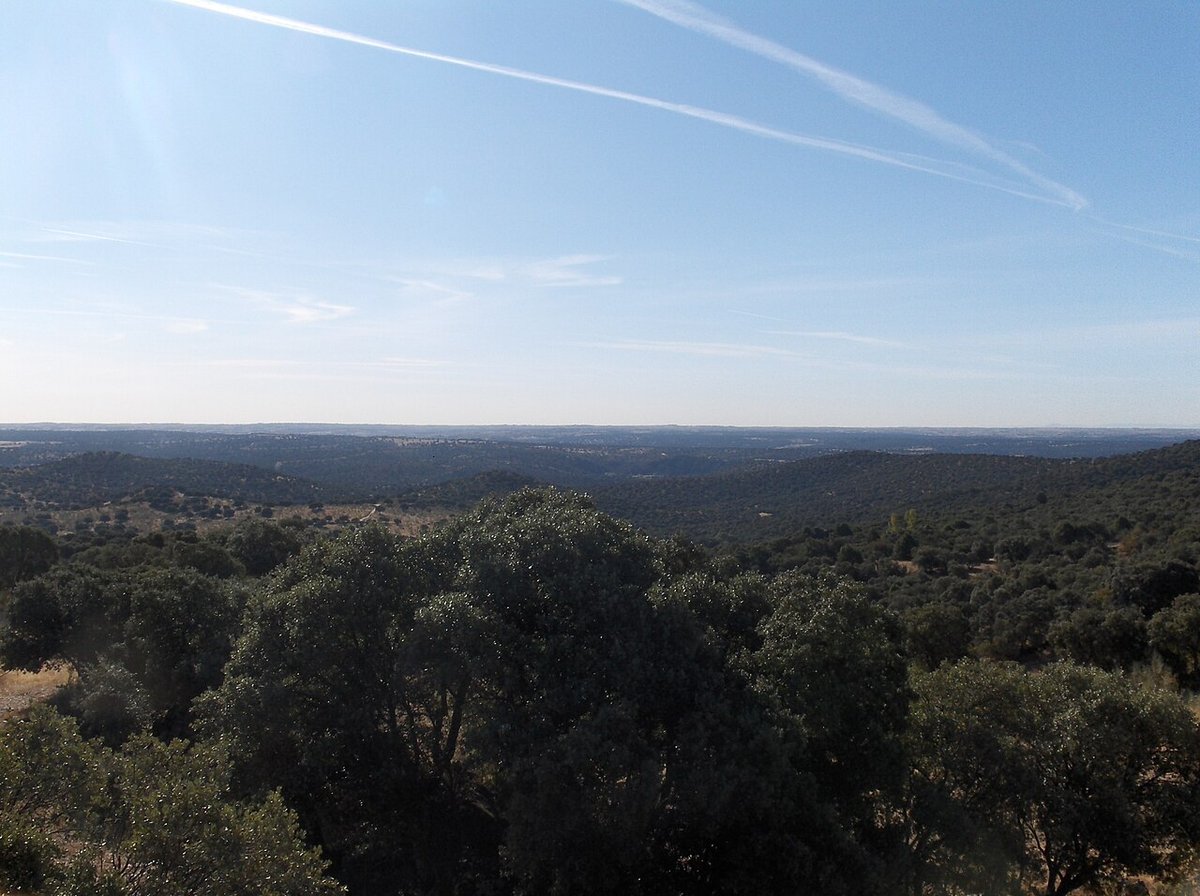
Lo que realmente define Santa María son los pinares y robledales que lo envuelven. Cruzas la carretera y en cinco minutos estás en un sendero de tierra donde el único ruido es el crujir de las piñas bajo tus botas.
Las rutas no siempre están señalizadas como un parque temático. Es mejor preguntar en el pueblo o llevar un mapa descargado si quieres adentrarte más allá del paseo obvio. Si solo quieres estirar las piernas, basta con seguir cualquier camino que entre al monte.
En otoño buena parte del tráfico humano se dirige al bosque con una cesta. Es zona de níscalos y boletus. La gente del lugar es clara: si no sabes, no toques. A veces hay charlas micológicas para aprender sin poner en riesgo ni el bosque ni tu salud.
Comida para reponer fuerzas
La cocina aquí es la lógica de la sierra: platos contundentes que calientan por dentro. Guisos de caza –liebre, perdiz–, embutidos locales y quesos que suelen venderse en ferias o mercadillos ocasionales.
No encontrarás cartas gourmet con veinte platos distintos. Es la comida que pides después de dar un paseo largo con el viento en la cara.
Fiestas y vida tranquila
En agosto el pueblo cambia el ritmo. Se llena de gente que vuelve a las casas familiares y hay verbenas y procesiones. Tiene ese ambiente reconocible de fiesta mayor de pueblo serrano.
El resto del año la vida es mucho más sosegada. Algún taller organizado por la asociación cultural o alguna salida al monte son los eventos destacados.
Cómo plantear la visita
Venir desde Madrid para ver solo el núcleo urbano puede dejarte con la sensación de haber conducido mucho para poco. La clave está en sumarle un paseo por el monte.
Mi recomendación es hacerlo así: aparcar cerca de la plaza (no suele haber problema), dar una vuelta por las calles principales hasta respirar el ambiente, y luego calzarte unas zapatillas para perderte –literal o figuradamente– por alguno de los caminos cercanos.
En dos o tres horas has hecho ambas cosas sin prisa pero sin pausa. Las carreteras de acceso tienen curvas; no son complicadas pero invitan a tomárselo con calma al volante.
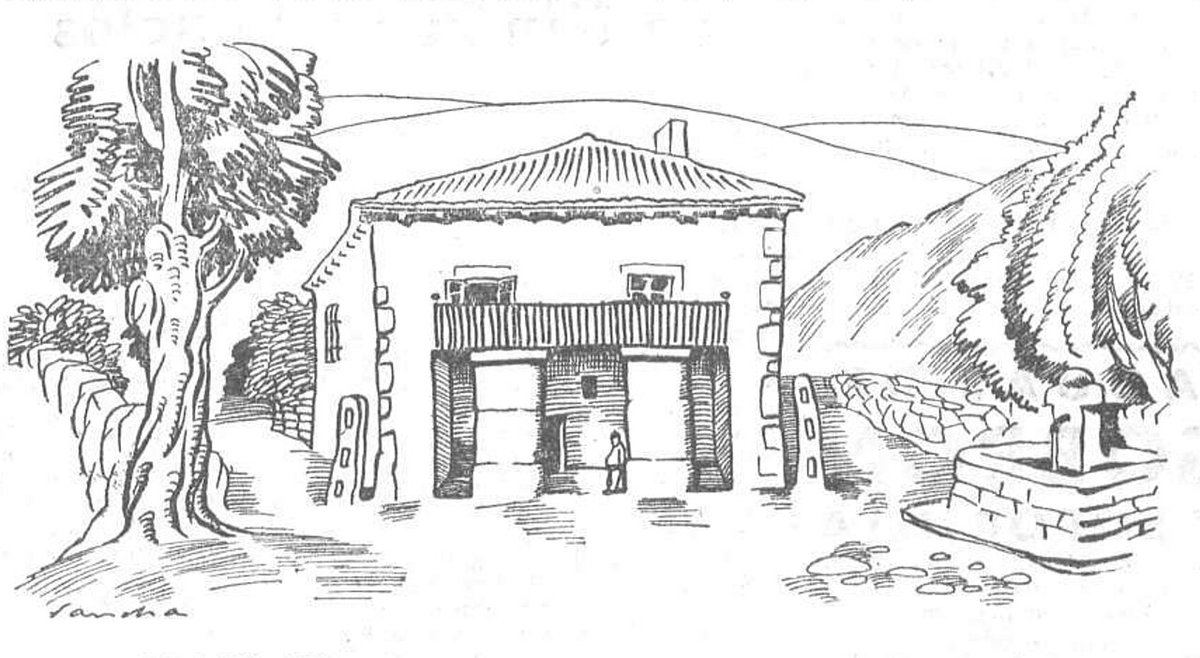
Santa María no te va a sorprender con un mirador espectacular ni con un museo revolucionario. Tiene otra cosa: autenticidad sin pretensiones. Es ese tipo de sitio donde ves una fuente antigua todavía en uso o una pared de piedra perfectamente encajada desde hace siglos.
Vale la pena si buscas desconectar del ruido urbano sin necesidad de grandes planes ni emociones fuertes. Si buscas entretenimiento programado o paisajes épicos, quizá te quedes corto. Pero si lo que necesitas es silencio real y pisar tierra firme entre pinos altos… entonces ya has llegado