Full Article
about Valdemorillo
Town with a bullfighting and pottery tradition; its church has a fortress-like look.
Hide article Read full article
Getting your bearings
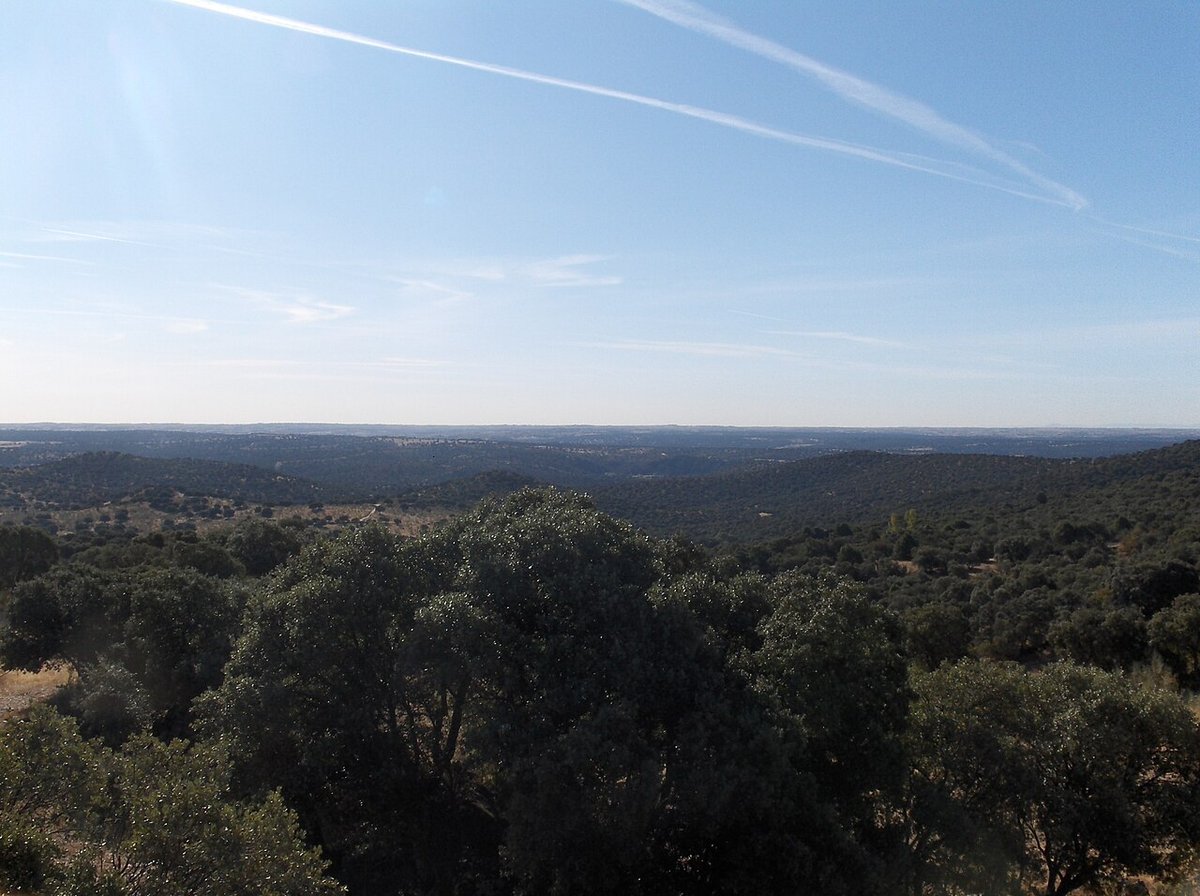
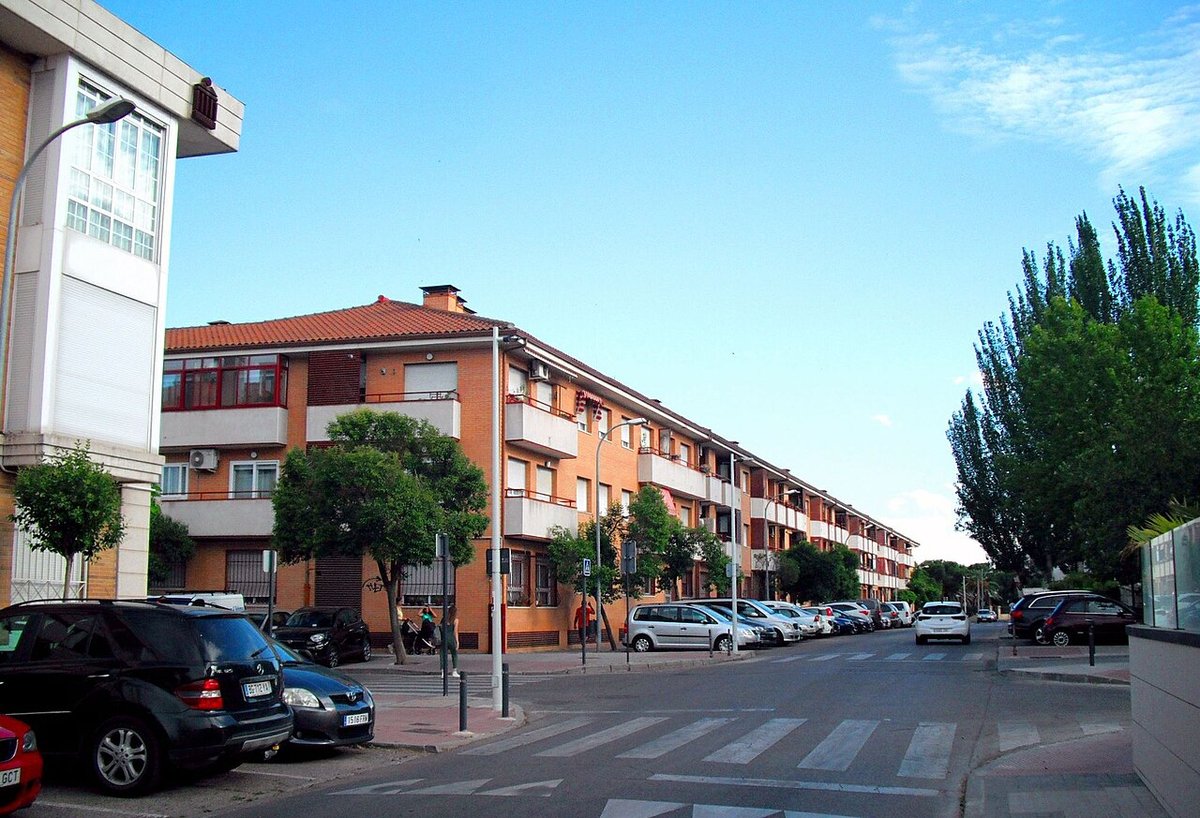
In Valdemorillo, the starting point is simple: come by car. There is usually space around the main square or along nearby streets, and once parked the rest is done on foot. The village sits at just over 800 metres above sea level, which shapes both its views and its mood. When fog rolls in, the nearby sierra can vanish in a matter of minutes, leaving the streets wrapped in a quiet, grey stillness.
The layout does not take long to understand. Everything gathers around the centre, with streets that rise and fall gently. It feels compact rather than spread out, with a pace that reflects its setting in the hills northwest of Madrid.
Between churches and old stone
The clearest landmark is the church of the Asunción. It stands at the heart of the village and draws most visitors first. Just above it rises a medieval tower that once had a defensive role. People often ask whether it can be climbed. It cannot.
Beneath the current church lies something less visible but older: remains of another church from the Mozarabic period. These came to light during building works years ago. Part of it is still buried, and it is not something that can normally be visited, which leaves it as more of a historical layer than a stop on a walk.
Beyond these points, the old centre is straightforward. There are low houses, some built with local granite known as piedra berroqueña, and streets that slope up and down without much pattern. The municipal coat of arms shows seven small towers. These represented hermitages that once stood across the area. Only a few survive today, and some are in poor condition.
Eating in a straightforward way
Food here follows the tone of the place: direct and filling. Along Calle Real, several bars sit one after another, working much like in other villages in the sierra. During the week, simple set menus are common. Cocido appears on certain days, while callos tend to show up when the cold sets in.
Meals come without decoration or fuss. Expect bread, wine and generous portions. Anyone looking for something more refined will need to look beyond Valdemorillo and towards other nearby towns.
Walking routes through granite and water
The countryside around Valdemorillo offers several marked walking routes. They pass through low hills, scrubland and open stretches shaped by granite outcrops.
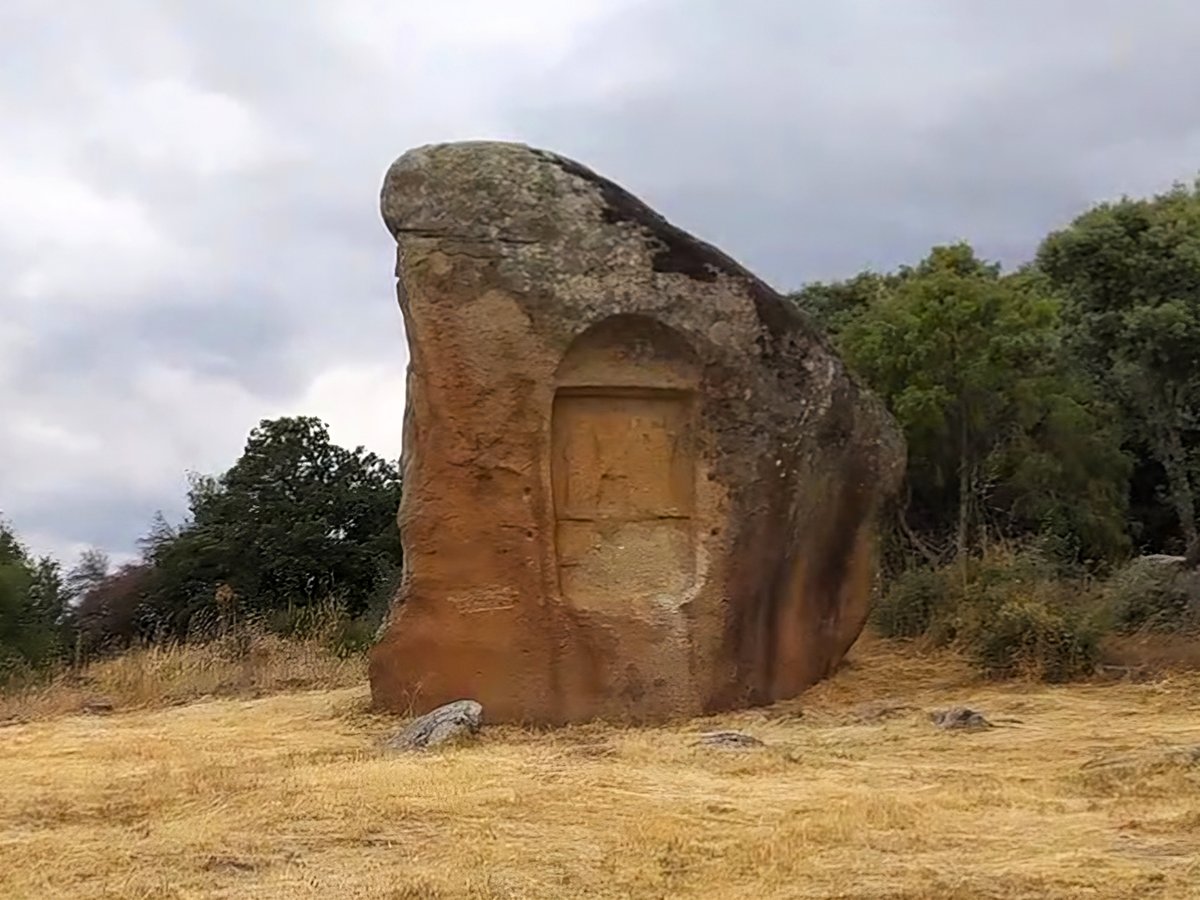
One of the best known is the Piedra Berroqueña route. It crosses areas of exposed granite and patches of jaral, a type of shrubland common in central Spain. The start is easy to follow, though in some sections the markings fade or disappear, so attention to the path matters.
Another route links old hermitages and runs near areas connected to the reservoirs of San Juan and Valmayor. The terrain is not demanding, which makes it accessible, but carrying water is still important. Natural springs are not common along the way.
There is also the option of following the course of the Aulencia river. Along its banks, remains of old washhouses appear, along with stretches of riverside vegetation. Summer brings a practical detail: mosquitoes are quite present in these areas.
A covered bullring with a different role
Valdemorillo has a covered bullring, something unusual in this part of the sierra. It was built in the 20th century, at a time when the village was growing and local activity was increasing.
Today, it is used mainly during winter festivities and for occasional events. If it happens to be open, it is possible to step inside. Otherwise, a quick look from the outside gives a clear enough impression.
When the village changes pace
February is usually the liveliest period. The celebrations of San Blas and La Candelaria take place then, bringing movement to the streets and activity in the square. Traditional sweets appear during these days, alongside public events that draw people together.
Spring brings a different kind of gathering. The romería of the Virgen de la Esperanza takes place in the countryside. Many people travel out in organised buses, spend the day there, and return in the afternoon. It shifts the focus away from the centre and into the surrounding landscape.
August feels very different. Heat dominates the day, shutters close after lunch, and the streets remain quiet until late evening. Winter has its own edge, with strong winds that can cut through the village.
There is also a small historical note often mentioned locally. When the body of Charles V was moved from Yuste to El Escorial, the procession passed through this area and spent a night in Valdemorillo. There is no sign or marker to point it out, and it only appears in old chronicles.
A practical note before you go
Reaching Valdemorillo is easiest by car. Public transport from Madrid exists but is limited and takes time, which reduces flexibility once there. The nearest train station is several kilometres away, so relying on it requires extra planning.
With a car, the visit becomes straightforward: park near the centre, walk through the streets, and head out towards the surrounding hills when you feel like leaving the village behind.