Full Article
about Villa del Prado
Known as Madrid’s vegetable garden for its crops; it has a monumental Gothic church.
Hide article Read full article
A desvío que cobra sentido al llegar
Ir a Villa del Prado es como aceptar la invitación a comer de ese amigo que vive en las afueras: sabes que el viaje se te va a hacer largo, pero confías en que la comida lo va a compensar. Y suele ser así. Aparcas, bajas del coche, y lo primero que notas no es un cartel bonito, sino el olor a pan recién hecho mezclado con ese aire fresco de bodega que flota en algunas calles.
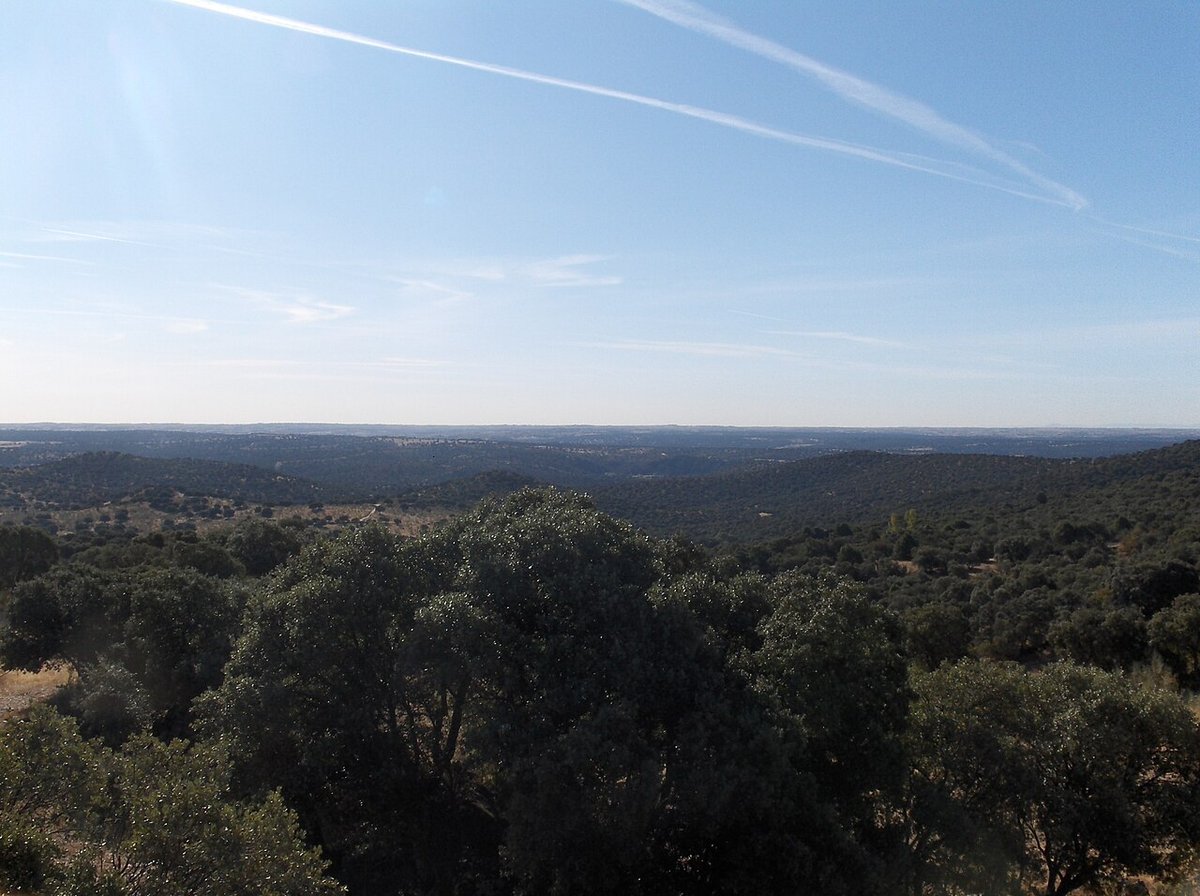
Está al suroeste de Madrid, rodeado de campo abierto y casas de ladrillo visto. No hay grandes reclamos. Es de esos sitios que te recomiendan con frases cortas: “échale una mañana, se come bien y tiene una iglesia con una torre que parece un cohete”.
El pueblo que decidió quedarse cerca
Durante siglos, los vecinos de por aquí dependían administrativamente del castillo de Alamín. Imagina tener que ir hasta allí para cualquier papeleo. A principios del siglo XVI se hartaron y fundaron Villa del Prado. No fue un acto simbólico, sino de pura lógica: vivir donde vives.
El casco antiguo se recorre en poco rato. Calles tranquilas, casas bajas y edificios que llevan ahí siglos sin llamar demasiado la atención. La plaza del Ayuntamiento conserva sus soportales y columnas, esa arquitectura civil castellana que ves en tantos pueblos y que aquí sigue cumpliendo su función.
La iglesia de Santiago Apóstol es la que manda en el skyline. Empezaron a construirla en el XV y la torre llegó después. Se nota el mix de estilos, pero queda bien; parece un edificio al que le han ido añadiendo partes hasta que encontró su forma definitiva.
Vino, cordero y motivos para no tener prisa
Aquí el vino no es un tema decorativo. El pueblo está dentro de la D.O. Vinos de Madrid, y por los alrededores aún ves los restos de esa tradición: viñas viejas y bodegas subterráneas excavadas hace siglos para mantener una temperatura estable.
Una de esas cuevas alberga el Museo del Vino. Dentro explican cómo se producía antes, con prensas, tinajas y herramientas que hoy parecen de otro planeta. Si lo pillas abierto (no siempre lo está), te ayuda a entender hasta qué punto el vino forma parte del carácter del lugar.
La comida va por el mismo camino directo. El cordero asado sigue siendo cosa de domingos largos o reuniones familiares. No hay mucho misterio: horno, paciencia y un tinto decente para acompañar.
A lo largo del año hay actividades ligadas al vino. Lo típico es la feria de septiembre, donde los productores locales enseñan lo suyo. Es otra forma más de mantener vivo ese vínculo sin montar un cirio.
Rutas sencillas por el campo cercano
El paisaje alrededor invita más a paseos que a expediciones. La Ruta de las Ermitas es la más conocida: unos ocho kilómetros que unen tres santuarios pequeños (Santa Lucía, Cristo de la Sangre y la Virgen de la Poveda). El sendero no tiene dificultad y transcurre por caminos que los vecinos usan a diario, cruzando campos abiertos.
Otra opción fácil lleva hasta el río Alberche. Un camino te acerca a la zona de baño local, eso que llaman la “playa fluvial”. No esperes arena ni hamacas; es un sitio donde los locales van a refrescarse en verano, punto.
Si te apetece caminar un poco más, existe una ruta hacia el castillo de Alamín. Son varios kilómetros por terreno abierto. Hacer ese trayecto ayuda a entender por qué, hace siglos, decidieron que era mejor vivir aquí que depender de un centro administrativo lejano.
Fiestas donde tú eres el invitado
Las celebraciones giran alrededor del Santiago Apóstol, a finales de julio. Procesiones, charangas, peñas y ambiente en la calle.
La otra fecha clave es la romería de la Virgen de la Poveda, normalmente el primer domingo de mayo. Aquí eso significa que las familias salen al campo con sus cestas, comparten comida y mantienen una costumbre antigua.
Estos eventos no están pensados para el forastero. Si coincides con ellos, verás el pueblo tal cual es, sin filtros ni puestas en escena.
La plaza de toros y lo que explica
Villa del Prado conserva una plaza de toros del siglo XIX. No es grande; más bien parece encajada entre las casas como un mueble antiguo que nadie se ha atrevido a quitar. Verla ahí te hace entender cómo los toros formaban parte natural del calendario festivo junto con las vendimias o los mercados.
Ese detalle define bastante bien el lugar: Villa del Prado no intenta ser lo que no es. En verano hace calor de verdad; en invierno corre el viento por sus calles anchas. Pero entre el vino propio, el campo alrededor y el ritmo pausado de un pueblo con vida propia, se entiende por qué muchos madrileños vienen aquí cuando necesitan bajar un cambio