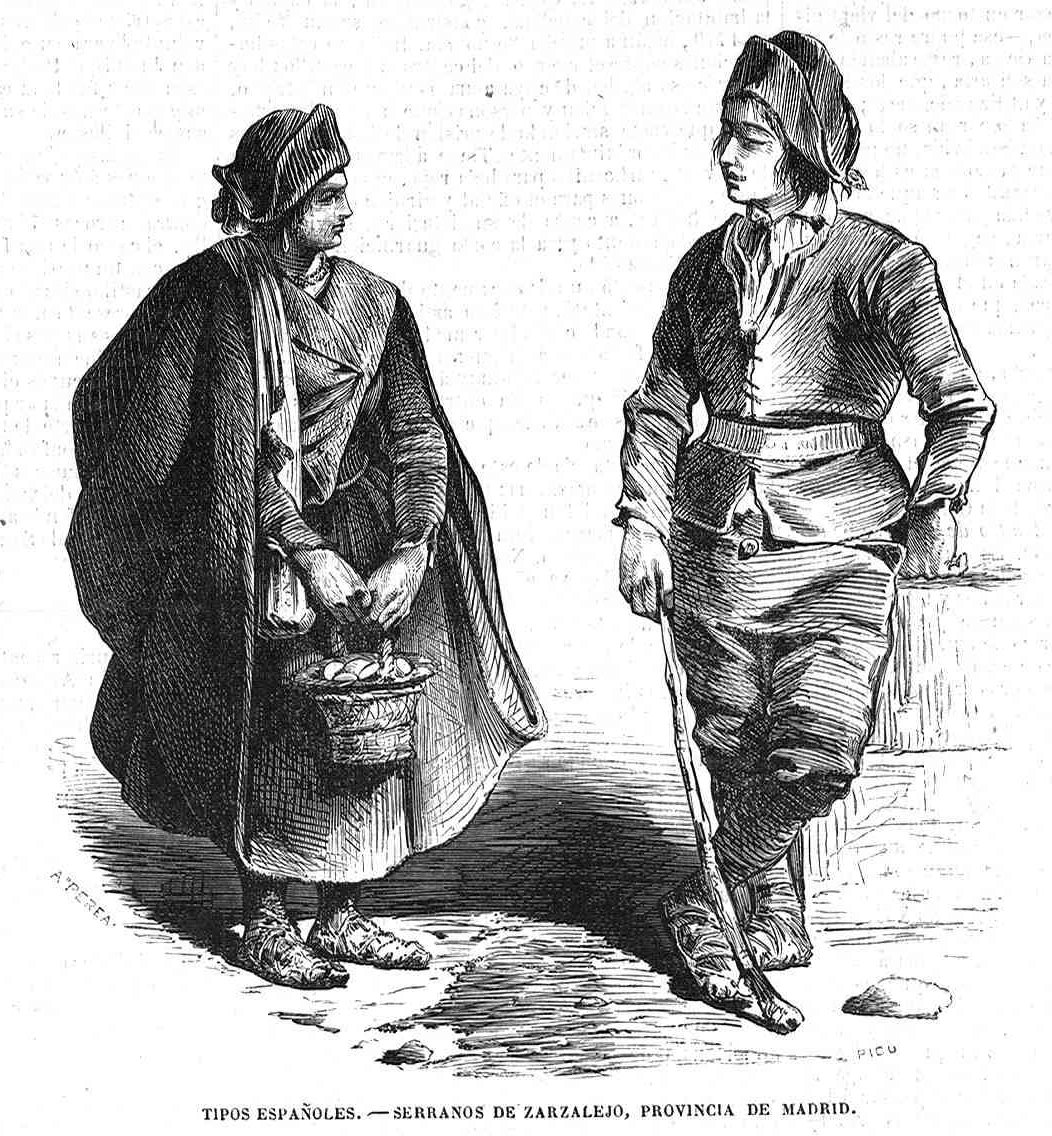
Tipos españoles - Serranos de Zarzalejo, provincia de Madrid, en El Museo Universal.jpg
Alfredo Perea / Bernardo Rico · Public domain
Madrid · Mountains & Heritage

Zarzalejo

At 1,100 metres, the air thins and the traffic roar of the M-40 becomes a distant memory. Zarzalejo sits on the first ridge of the Sierra de Guadar...

1,946 inhabitants · INE 2025
1104m Altitude

Why Visit

Mountain San Pedro Church Hiking to Las Machotas

Best Time to Visit

summer

Virgen del Consuelo (September) septiembre

Things to See & Do
in Zarzalejo

Heritage

  • San Pedro Church
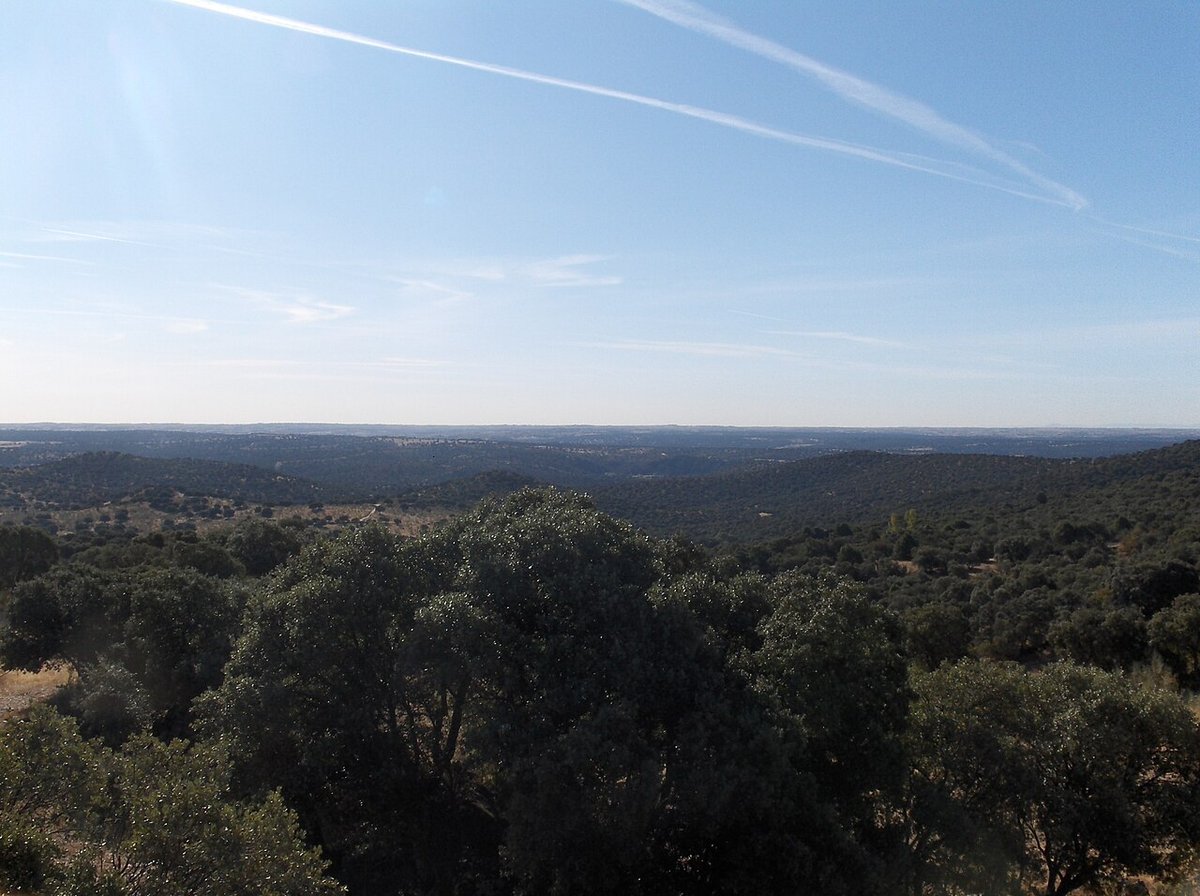
  • Guijo Viewpoint
  • The Machotas

Activities

  • Hiking to Las Machotas
  • Rock climbing
  • Walks around the village

Festivals
& & Traditions

Fecha septiembre

Virgen del Consuelo (septiembre), San Pedro (junio)

Las fiestas locales son el momento perfecto para vivir la autenticidad de Zarzalejo.

Full Article
about Zarzalejo

Municipality split into two settlements at the foot of the Machotas; known for its stonework and landscape.

Ocultar artículo Leer artículo completo

At 1,100 metres, the air thins and the traffic roar of the M-40 becomes a distant memory. Zarzalejo sits on the first ridge of the Sierra de Guadarrama, close enough to Madrid for a Saturday morning escape yet high enough for the city smog to sink unseen into the valley below. The temperature drops a good five degrees between the capital's concrete and these granite streets; even in July you'll see fleeces knotted round waists by 7 p.m.

The village itself is small—two parallel streets and a church square where the evening paseo lasts all of twelve minutes. Houses are built from local stone the colour of burnt cream, roofs pitched steeply against winter snow that can cut the place off for a day or two. Shutters are painted the usual Spanish greens and ox-bloods, but here they still close at night, metal bolts clunking against centuries-old wood. It's the sort of sound that makes London flat-dwellers realise how much of their life is spent listening to fridges and neighbours' televisions.

What brings people up the M-501

Most visitors arrive with hiking boots already on. Trails strike out from the southern edge of the village past allotments and into pine and oak forest managed by the regional park. The shortest loop, the PR-M 12, follows an old charcoal track for 7 km and returns via a fire-watch tower that gives a straight-line view back to Madrid's skyline—tiny, hazy, oddly irrelevant. Longer routes link into the Sierra Oeste network; signs are plentiful but mobile coverage is not, so screenshot the Wikiloc trace before you leave the bar.

October is the busiest month. Madrileño families pile in to hunt setas—boletes, níscalos, the odd dangerous beauty—and the forest floor looks trampled by a herd of wellington-booted cattle. Foreigners are welcome provided they carry a basket, not a plastic bag, and resist the urge to pick anything with white gills. The village pharmacy keeps a laminated mushroom chart on the counter; the chemist claims he's saved three Germans and an English teacher named Gavin since 2018.

If you prefer your nature already cooked, weekends revolve around the two bars on Plaza del Ayuntamiento. Restaurante la Posada does a respectable plate of judiones—giant butter beans stewed with ham hock and enough garlic to flatten a vampire. Order a media ración; the full portion feeds three. Across the square, Bar La Plaza turns out a tortilla so thick it needs two plates to hold its shape. Vegetarians can eat well here: migas—fried breadcrumbs with grapes and peppers—are accidentally meat-free on Fridays, and the local cheese, semicurado from a farm in neighbouring Robledo de Chavela, arrives with quince paste made by someone's aunt.

Getting up and getting back

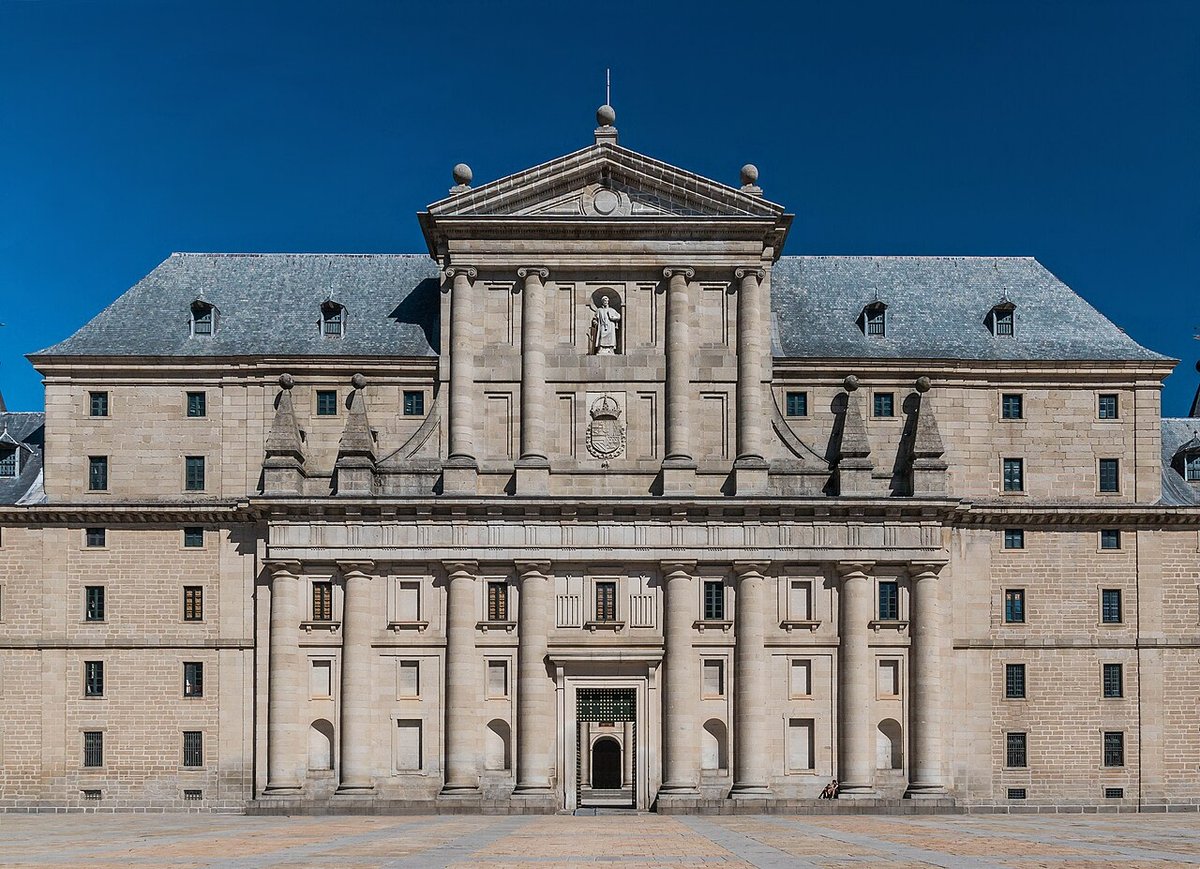
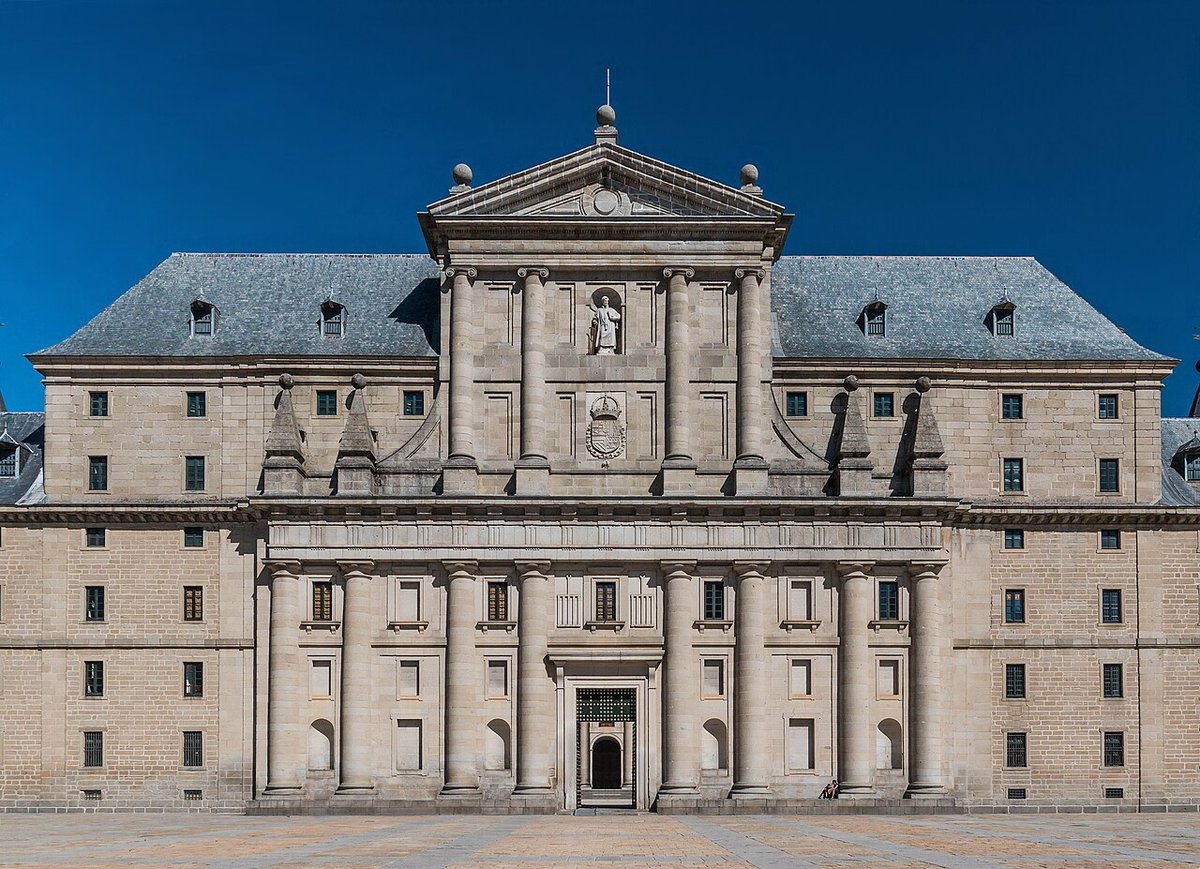
Public transport exists, but only just. The C-8a cercanías train reaches Collado Villalba in forty minutes from Madrid's Chamartín station; from there a taxi covers the last 18 km for about €22 if you phone ahead. Bus 626 also runs twice daily on weekdays, once on Saturdays, never on Sundays. Most British visitors rent a car at the airport—an hour's drive on the A-6 and M-501—then combine Zarzalejo with El Escorial or the Valle de los Caídos in a single day-trip. That works, provided you leave the village by 5 p.m.; after dark the road back snakes through unlit pine plantations where wild boar outnumber cars.

Winter driving needs caution. Frost forms at this altitude from late October onward, and the occasional snowstorm drifts across the tarmac even when Madrid sits under blue sky. Chains are rarely required, but hire companies charge €40 a set if you haven't brought your own. Summer, by contrast, is mercifully cooler than the capital—expect 28 °C at midday instead of 36 °C—but parking by the church fills by 11 a.m. with hatchbacks from the city. Arrive early, or leave the car at the cemetery on the edge of town and walk the last five minutes in.

When the boots come off

There isn't a museum, a castle or even a decent souvenir shop. What Zarzalejo sells is silence, broken only by church bells that chime the quarters through the night. Light sleepers should pack earplugs or accept the 7 a.m. call to mass. Accommodation is limited to two guesthouses: Posada de Zarzalejo has four rooms above the restaurant, beams and terracotta floors, €70 a night including a coffee-and-toast breakfast. Casa Rural La Pedriza, two kilometres outside the village, offers more modern studios with kitchenettes and terraces that face west over the valley—perfect for gin-and-tonic sunsets if you remember to buy ice in Collado Villalba, because the village shops shut at 14:00 sharp.

The fiesta calendar is modest. San Pedro on 29 June turns the square into a neon fairground for exactly three evenings; the bars extend their terraces with plastic tables and someone's cousin always brings a sound system that plays 90s Europop until the Guardia Civil suggest otherwise. August's Virgen de la Novena is quieter—one night of fireworks, two of bag-pipe bands imported from Galicia, and a paella cooked in a pan the size of a satellite dish. Visitors are handed a plate and a plastic fork; donations go towards next year's fireworks. Semana Santa involves a single procession at dawn on Good Friday; locals follow the hooded figures with thermos flasks of coffee laced with anise. Tourists are welcome to tag along, but cameras feel intrusive when hymns are sung in thin mountain air.

The honest verdict

Zarzalejo will not change your life. It offers no epiphany, no Instagram rainbow, no craft-beer taproom. Instead it gives Madrid's expat teachers somewhere to remember what sky looks like, and Madrid's families a place to let children chase lizards without worrying about traffic. Come for half a day of walking, an hour of lunch and another of coffee; stay overnight only if you need the silence more than you need room service. Bring layers, cash and a downloaded map. Leave with pine needles in your socks and the realisation that Spain's capital city has a back door, and it creaks wonderfully on its hinges.

Key Facts

Region
Madrid
District
Sierra Oeste
INE Code
28183
Coast
No
Mountain
Yes
Season
summer

Livability & Services

Key data for living or remote work

2024
ConnectivityFiber + 5G
TransportTrain station
HealthcareHealth center
EducationElementary school
Housing~6€/m² rent · Affordable
CoastBeach nearby
Sources: INE, CNMC, Ministry of Health, AEMET

Planning Your Visit?

Discover more villages in the Sierra Oeste.

View full region →

More villages in Sierra Oeste

Traveler Reviews