Traditional Market Villages in Catalonia

63 villages · 170 - 108,479 inhabitants · History 66/100

Traditional Market Villages in Catalonia: key facts

  • 63 villages total
  • Reus (108,479 inh.)
  • Torrent (90,928 inh.)
  • Cornellà de Llobregat (89,039 inh.)
  • Altitude range: 10 – 974 m

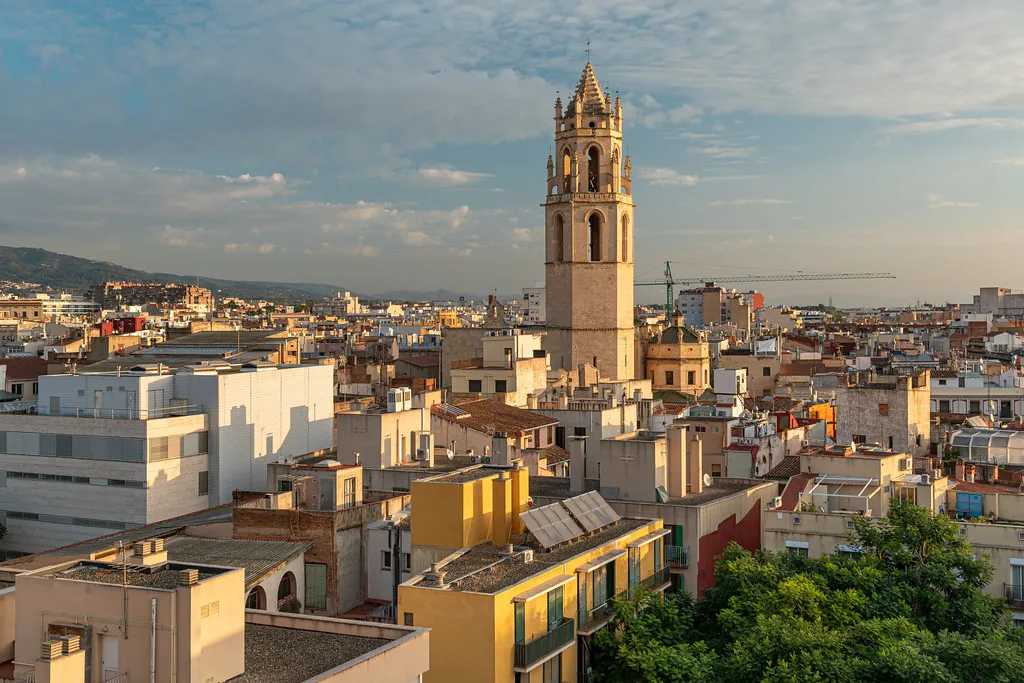
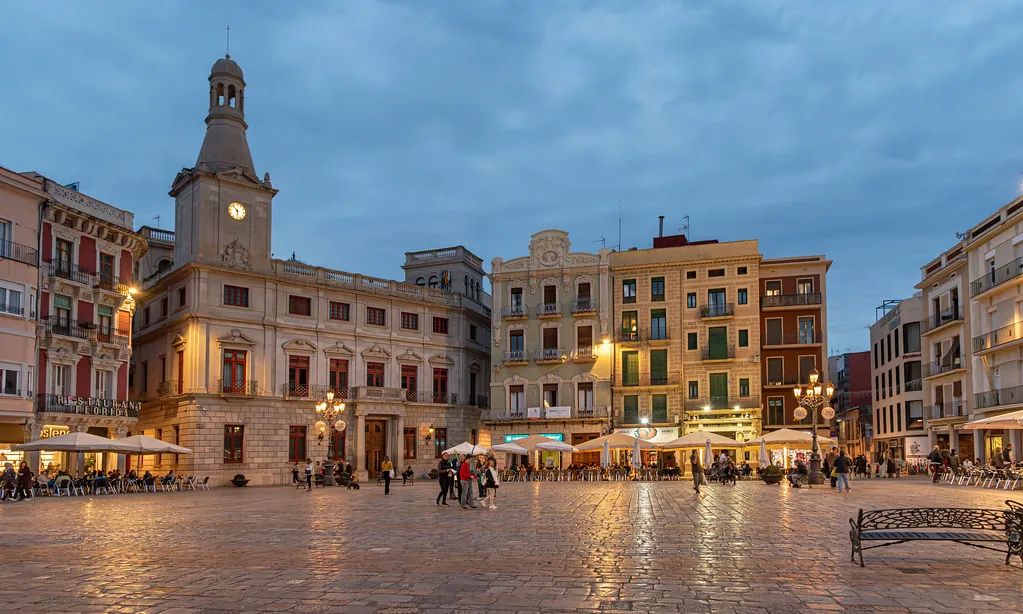
Catalonia boasts a network of 63 municipalities that maintain vibrant traditional markets, offering a glimpse into the region's commercial and cultural heritage. These market villages, with an average population of 17,898, are scattered across the Catalan landscape, ranging in altitude from 10 metres to 974 metres. Each village possesses a unique character shaped by its location and history. For example, Reus, in the Baix Camp comarca, is known as the birthplace of Catalan vermouth, a tradition celebrated in the numerous terraces surrounding the Mercadal market. Granollers, situated in the Vallès Oriental, features La Porxada, a distinctive 16th-century Gothic trading hall. These markets are not merely places of commerce; they are social hubs where local producers and consumers interact, preserving Catalan traditions and culinary practices. Exploring these villages provides an insight into the enduring appeal of local commerce and the distinctive character of Catalonia's diverse comarcas. The markets offer a tangible connection to the past, while simultaneously contributing to the economic vitality of the present.

63 villages to explore
Reus
Reus

Baix Camp · 108,479 hab.
Reus

Reus

Baix Camp · 108,479 hab.

Torrent

Horta Sud · 90,928 hab.
Cornellà de Llobregat

Cornellà de Llobregat

Baix Llobregat · 89,039 hab.

Granollers

Vallès Oriental · 63,092 hab.

Cerdanyola del Vallès

Vallès Occidental · 57,855 hab.

Figueres

Alt Empordà · 47,879 hab.

Vic

Osona · 47,545 hab.

Sant Feliu de Llobregat

Baix Llobregat · 45,642 hab.

Ripollet

Vallès Occidental · 39,031 hab.

Sant Pere de Ribes

Garraf · 31,688 hab.

Sant Vicenç dels Horts

Baix Llobregat · 28,137 hab.

Santa Perpètua de Mogoda

Vallès Occidental · 25,930 hab.

Vilassar de Mar

Maresme · 21,067 hab.

Sant Quirze del Vallès

Vallès Occidental · 20,180 hab.

Sant Just Desvern

Baix Llobregat · 19,806 hab.

Cardedeu

Vallès Oriental · 18,785 hab.

Sant Celoni

Vallès Oriental · 18,287 hab.

Tordera

Maresme · 18,022 hab.

Balaguer

Noguera · 17,649 hab.

Canovelles

Vallès Oriental · 16,954 hab.

La Garriga

Vallès Oriental · 16,788 hab.

Piera

Anoia · 16,787 hab.

Montornès del Vallès

Vallès Oriental · 16,707 hab.
Arenys de Mar

Arenys de Mar

Maresme · 16,155 hab.

Mollerussa

Pla d'Urgell · 15,301 hab.

La Ràpita

Montsià · 15,046 hab.

Santa Coloma de Farners

Selva · 13,634 hab.

Argentona

Maresme · 12,745 hab.

La Seu d'Urgell

Alt Urgell · 12,568 hab.

Castelló d'Empúries

Alt Empordà · 11,731 hab.

Premià de Dalt

Maresme · 10,400 hab.

Santa Maria de Palautordera

Vallès Oriental · 9,777 hab.

Palafolls

Maresme · 9,661 hab.

Llagostera

Gironès · 9,157 hab.
Vidreres

Vidreres

Selva · 8,339 hab.
Roda de Berà

Roda de Berà

Tarragonès · 7,829 hab.

Maçanet de la Selva

Selva · 7,823 hab.

Centelles

Osona · 7,641 hab.

Riudoms

Baix Camp · 6,810 hab.

Lliçà de Vall

Vallès Oriental · 6,760 hab.

Teià

Maresme · 6,635 hab.

Sant Feliu de Codines

Vallès Oriental · 6,419 hab.

La Selva del Camp

Baix Camp · 5,814 hab.

Vielha e Mijaran

Val d'Aran · 5,765 hab.

Sarrià de Ter

Gironès · 5,327 hab.

Bellpuig

Urgell · 5,150 hab.
Sant Gregori

Sant Gregori

Gironès · 4,201 hab.

About this region

The market villages of Catalonia represent a diverse collection of municipalities, each contributing to the region's rich cultural tapestry. The comarcas in which they are located influence their character, from the coastal plains to the inland valleys. In the Baix Camp, Reus stands out with its Casa Navàs, a Modernista masterpiece showcasing original interiors that rival Gaudí's works in Barcelona. The town's vermouth culture is also a major draw. Moving inland to the Vallès Oriental, Granollers offers La Porxada, a unique Gothic trading hall from the 16th century, where visitors can sample local specialities like botifarra amb mongetes. Cerdanyola del Vallès, in the Vallès Occidental, provides a glimpse into Catalonia's ancient past with the Iberian settlement of Ca n'Oliver, one of the best-preserved Iberian sites in the region; nearby masías serve calçots during the appropriate season. While not technically a market village, Cornellà de Llobregat, in the Baix Llobregat, showcases industrial heritage with the Agbar Water Museum, a Modernista building detailing Barcelona's water history, alongside traditional Catalan cuisine in the historic centre's restaurants. These municipalities, with their distinct identities and traditions, collectively embody the spirit of Catalonia's market villages.