Full Article
about Abanilla
Ocultar artículo Leer artículo completo
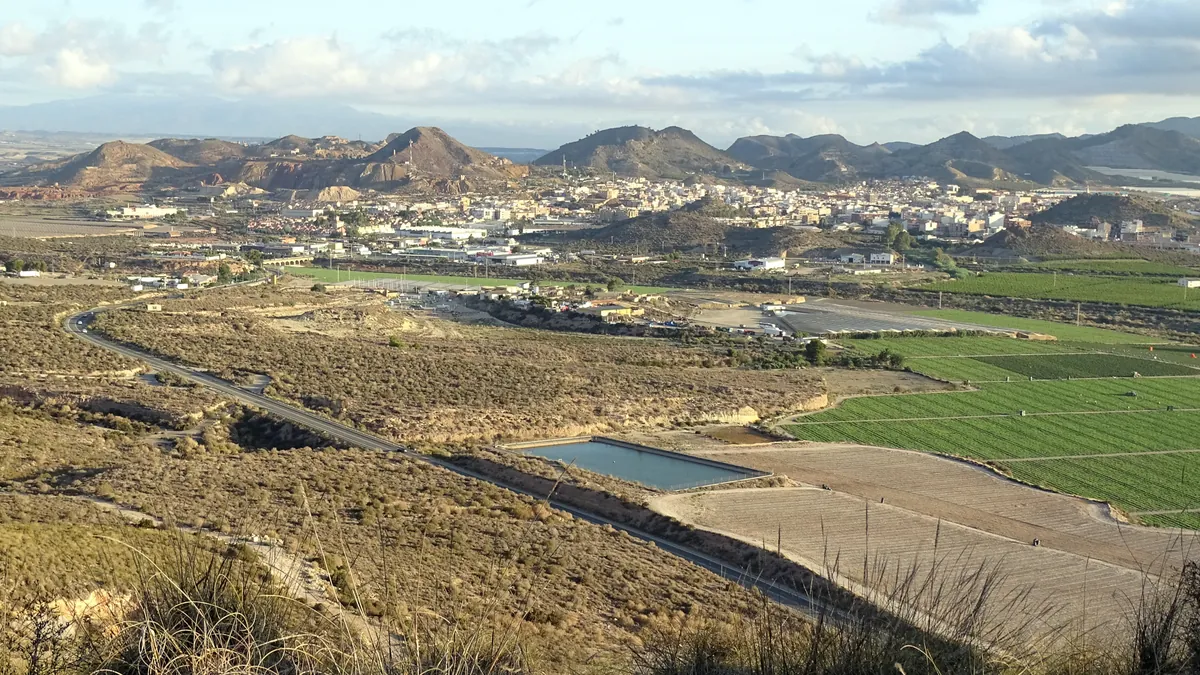
The first thing you notice is the silence after shutting the car door. No seagulls, no beach bars, just the soft clink of a tractor heading out to almond groves and the smell of wood smoke drifting from a bakery that still stamps its loaves “horno de leña”. At 201 m above sea-level, Abanilla sits where the Segura valley’s irrigated orchards give way to dusty, chalk-white hills. It is 60 km inland from Alicante airport, 40 km west of Murcia city, and stubbornly uninterested in the coast that everyone else comes to Spain for.
A town that forgot to modernise its lanes
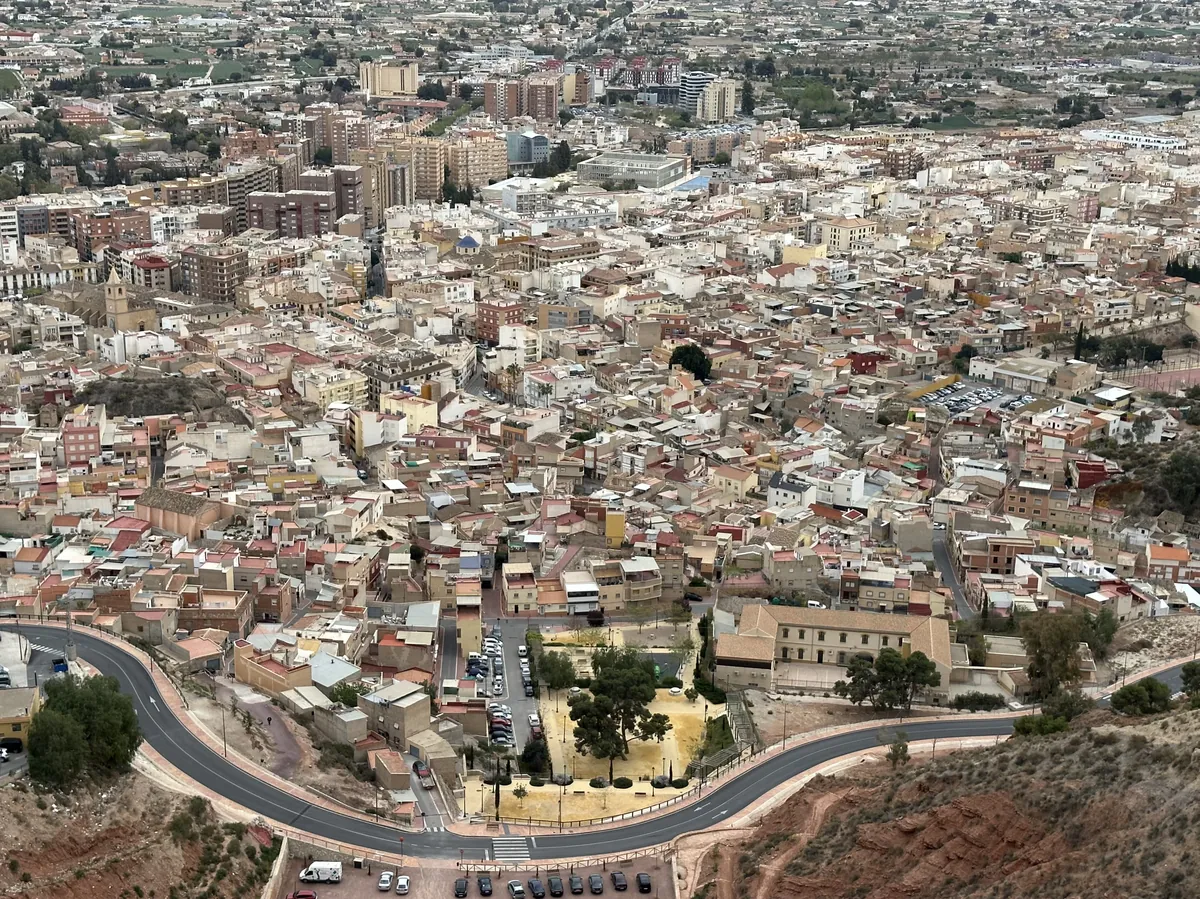
Park by 10 a.m. and you’ll find space on Avenida de la Constitución, a five-minute level walk from the centre. Wait until lunchtime and the one-way streets tighten to a single car’s width; residents lean out of windows to guide drivers past stone doorways older than the United Kingdom itself. The recommended walking loop is barely 2 km but almost entirely uphill cobbles. Trainers are advisable; the elderly locals manage it in crocs, but they have had decades of practice.
Start at the Iglesia de San José, its 18th-century tower visible for miles across the plain. Inside, baroque altarpieces gleam with gilt paint that has survived earthquakes, civil war and the 1960s’ enthusiasm for whitewash. Behind the apse, a roofless public laundry – four stone basins fed by a copper pipe – still carries the date 1896. British visitors tend to photograph the arches, then stop talking when they realise the trough was in use well within living memory. It is the quickest history lesson you can get on pre-washing-machine Europe.
From the church, Calle de las Monjas climbs in flights of 12-step stairways barely 1 m wide. Houses here grow out of the rock; some door lintels are recycled millstones, the grooves still visible. Satellite dishes are painted the same terracotta as the walls, an accommodation with modernity that feels half-hearted. At the top, the so-called Castillo is less a castle than a rocky podium with waist-high battlements. Interpretation boards have blown away, but the 360-degree view repays the calf-ache: almond grids to the north, the distant blue ribbon of the Segura to the south, and, on clear winter days, the 2 000 m ridge of El Zulum capped with snow while the village basks in 16 °C.
Trails, tractors and the February snow trick
Abanilla’s municipality spreads over 360 km² but most walkers stick to the 8 km signed loop that leaves from the old fountain, circles the Ermita de San Roque and drops back through ramblas (dry riverbeds) where bee-eaters nest in May. The terrain is gentle, more Lincolnshire wold than mountain, but the sun is ferocious from April onwards; carry a litre of water per person even in spring. Serious hikers can link up the PR-MU 80 long-distance path towards Fortuna’s thermal baths, 18 km west, but that requires a car pick-up and an early start.
The snow spectacle is genuine, though capricious. January and February are the only months when the white stuff settles on El Zulum for longer than a morning. Locals drive up the MU-413 with sledges bought in Murcia’s toy shops the day before; by 2 p.m. the meltwater is irrigating lemon groves below. Photographers should check the forecast the night before – a 30 % chance usually means it will melt while you are still searching for a parking spot.
Lunch that does not involve chips
Back in town, the Casa Pintada bar opens at 7 a.m. for field workers and keeps serving until the cook’s mother goes home for her siesta. Molletes – soft white rolls toasted, rubbed with tomato and a thread of olive oil – cost €1.80 and taste like Mediterranean doorstep toast. If you need something heartier, the chalkboard lists potaje de garbanzos, a mild chickpea-and-beef stew that avoids the offal shock common in inland Spain. Wood-oven empanadas come in two flavours: tuna with sweet onion, or red pepper and aubergine. They look like Cornish pasties that have been on a gap year.
Sweet-toeths should queue at Pastelería La Villa before 11 a.m. when the almond shortbreads, called mantecados, are still warm. Everything is baked with Abanilla almonds, harvested in September and kept through the year in cloth sacks. No card machine; bring a €10 note and you’ll get change in small silver that rattles like pre-decimal British coins.
Fiestas where strangers get offered wine
The patronal fiestas honour San José on the weekend nearest 19 March. Processions are short – the statue is carried once round the plaza – but the wine flows from 70-litre earthenware jars lugged out of private cellars. If you are offered a plastic cup, the correct response is “gracias, un poquito”, unless you fancy starting the day with 12 % Monastrell. Night-time brings a mobile disco that rattles windows until 4 a.m.; light sleepers should book a room on the pedanía side of town or bring ear-plugs.
August ups the ante with the Moros y Cristianos, a three-day costume affair involving musket fire at 9 a.m. (the echo off the rock is impressive) and more Monastrell. Accommodation within the village is limited to four guest-house rooms above the Casa Pintada; most visitors base themselves in Fortuna’s spa hotels and drive over for the spectacle.
When to come, when to leave
Spring is the sweet spot: almond blossom in February, daytime highs around 22 °C in April, and the hills green for about six weeks before they bleach to biscuit. Autumn is almost as good, with the grape harvest in neighbouring Villena and the air clear enough to spot the Mediterranean 40 km away. Summer is a furnace – 38 °C is routine – and many cafés close in the afternoons because even the owners retreat to basement kitchens. Winter is mild by British standards (12 °C at midday) but the village feels half-asleep; the bakery keeps sociable hours, the castle viewpoint does not.
The bottom line
Abanilla will never make a week-long holiday. It has no beach, no souvenir tat, and only one cash machine that occasionally refuses foreign cards. What it offers is a half-day immersion in a Spain that guidebooks insist has vanished: neighbours arguing over tractor parking, bread that goes rock-hard by teatime, and views that shift from desert to snowfield in the time it takes to drink a coffee. Arrive mid-morning, walk the old lanes, eat something almond-based, and you can be back on the MU-413 before the sun reminds you why the coast is so popular.