Full Article
about Albudeite
Ocultar artículo Leer artículo completo
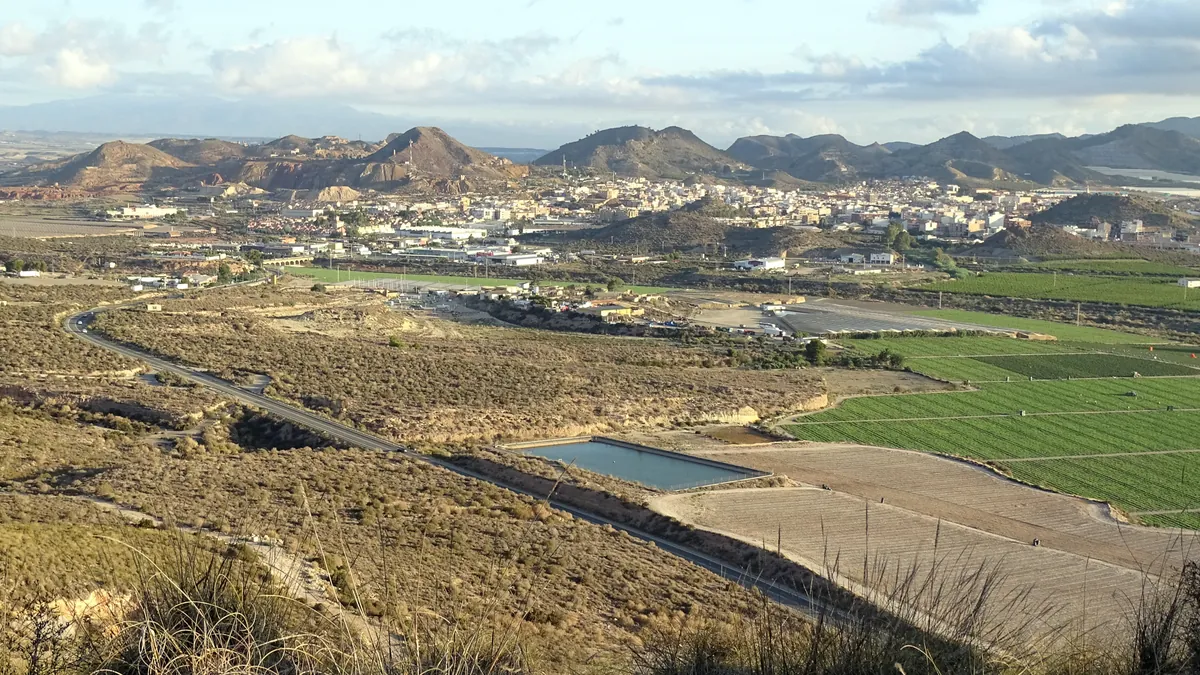
The almond trees bloom in January here. While Britain shivers under grey skies, Albudeite's terraces burst into pale pink, and locals emerge from whitewashed houses to prune branches that scrape against terracotta tiles. At 181 metres above sea level, this isn't mountain territory proper – more a lofty perch above the River Mula's agricultural basin – yet the altitude delivers something essential: perspective, both literal and metaphorical.
Morning Markets and Afternoon Siestas
Albudeite wakes late by British standards. The solitary supermarket unlocks at nine, but the baker's van has already done its rounds, honking outside farmhouses where pensioners queue with cloth bags. By eleven, the village's single café fills with men discussing irrigation schedules over cortados. The coffee costs €1.20, served in glasses that leave brown rings on marble tables older than most customers.
The architecture won't feature in glossy magazines. Houses here wear their history practically – lime wash patched after winter rains, iron grills bent from decades of use, interior courtyards glimpsed through gates left ajar for breeze. Number 14 Calle San Roque displays particularly fine metalwork: 1920s forging that someone's grandfather created from railway scraps. Nobody's restored it; they simply oil it annually against rust.
Walking the grid of six streets takes twenty minutes, assuming you don't stop to examine the church's mismatched stonework or the 1960s ceramic tiles depicting agricultural scenes that someone's cemented randomly into house facades. These aren't heritage features, just decisions made and never undone.
River Beds and Almond Fields
Follow the road past the last houses and tarmac gives way to dirt tracks used by farmers since Moorish times. The River Mula below isn't picturesque – it's often a sandy channel with a trickle down the middle – but it supports a ribbon of vegetation that attracts bee-eaters in spring and keeps the valley temperature five degrees cooler than Murcia's urban sprawl half an hour south.
January's almond blossom creates the showiest display, but timing visits requires precision. Come too early and trees stand bare against brown earth. Arrive too late and petals carpet the ground like discarded confetti. Mid-February provides the sweet spot, plus the bonus of empty restaurants and accommodation at winter rates. British visitors regularly miscalculate Spanish seasons; Albudeite in February demands jumpers and waterproofs, not shorts and factor thirty.
Summer delivers the opposite extreme. When temperatures hit 40°C, the village empties as sensibly as cats seeking shade. Only mad dogs and English hikers venture onto exposed terraces. The smart money rises at six for walking, returns for lunch by two, then sleeps through the furnace afternoon. Evening activities resume after nine when the church bell strikes a rhythm older than digital timekeeping.
What Passes for Entertainment
Albudeite offers precisely zero tourist attractions in the conventional sense. No museums, no guided tours, no gift shops selling fridge magnets. Instead, entertainment arrives via observation and participation. Watch the Thursday morning agricultural co-op unloading feed sacks. Join elderly residents shelling broad beans outside their front doors. Accept the offer of homemade anis when someone's uncle presses a glass into your hand during fiesta preparations.
The August fiestas honour San Roque with events that merge religious procession and street party. Two locals get elected as 'mayors' for Palm Sunday, organising everything from children's games to the midnight burning of Judas effigies stuffed with fireworks. British visitors often stumble upon these celebrations accidentally; participation requires nothing more than standing still long enough for someone to hand you a plate of migas fried in pork fat.
Food here rejects innovation. The village's three bars serve variations on grandmother cooking: michirones (broad beans and chorizo stew) thick enough to stand a spoon in, rice with rabbit containing actual identifiable rabbit pieces, paparajotes that transform lemon leaves into cinnamon-dusted desserts. Vegetarians struggle; vegans should probably self-cater. The small supermarket stocks UHT milk, tinned asparagus and little else resembling British staples.
Getting Lost and Found
Albudeite sits twenty-six kilometres north of Murcia's Corvera airport, but those kilometres traverse Spain's bureaucratic quirks. Car hire remains essential; public transport involves a bus to Mula followed by walking four kilometres along a road without pavements. Taxis from the airport cost €35-40 each way, assuming you pre-book; finding return transport requires the bar owner's cousin's phone number scribbled on a napkin.
Driving presents its own challenges. Sat-nav systems regularly direct visitors down agricultural tracks suitable only for tractors. Stick to the MU-404 from Alcantarilla, ignoring shortcuts that look temptingly direct on screens. The village itself operates a one-way system that confuses even residents; follow the white arrows painted during the last fiesta and hope they've not worn off.
Accommodation means renting. One restored farmhouse dominates Airbnb reviews; British families return annually for its pool and views across almond terraces. Alternatives involve staying in neighbouring Ricote or Mula, larger towns with hotels but requiring ten-minute drives for Albudeite's peace. Book early for February blossom and August fiesta – surprisingly, these represent peak periods despite temperature extremes.
When to Cut Your Losses
Albudeite reveals its charms slowly, and some visitors never adjust to the pace. If you need constant stimulation, organised activities or nightlife beyond drinking wine on a terrace, stay on the coast. The village suits travellers comfortable with their own company, content to watch shadows move across stone walls while swallows perform aerial displays overhead.
Rain transforms tracks into muddy obstacle courses. Summer heat induces mirage-like shimmer across terraced hillsides. Winter brings surprisingly sharp winds funneling through the valley. Each season demands different coping strategies, and the village offers few concessions to discomfort.
Yet for those who synchronise with local rhythms, Albudeite provides something increasingly rare: Spain unfiltered through tourism departments. It's a place where restaurant opening hours depend on whether the cook's daughter needs collecting from school, where the baker remembers your pastry preference by day three, where almond blossom viewed from a mountainside delivers more satisfaction than any curated experience.
Just don't expect to find it on purpose. Albudeite rewards accidental discovery and punishes rigid itineraries. Arrive with flexible expectations, a hire car and enough Spanish to order coffee. The village handles the rest, operating on its own sweet schedule while Britain rushes elsewhere.