
Full Article
about Alcantarilla
Ocultar artículo Leer artículo completo
The 11-metre water-wheel beside the Museo de la Huerta groans like an old ship at anchor. Built from cedar and iron in 1904, it lifts a thin ribbon of water from the acequia mayor, just as its predecessors did when Alcantarilla’s mills supplied flour to Napoleonic troops. Stand here at opening time – 10 a.m. except Mondays – and you’ll share the path only with council gardeners clipping the oleander hedge. By eleven, the first coach party arrives; the spell breaks, but the wheel keeps turning.
A Town That Never Left the Garden
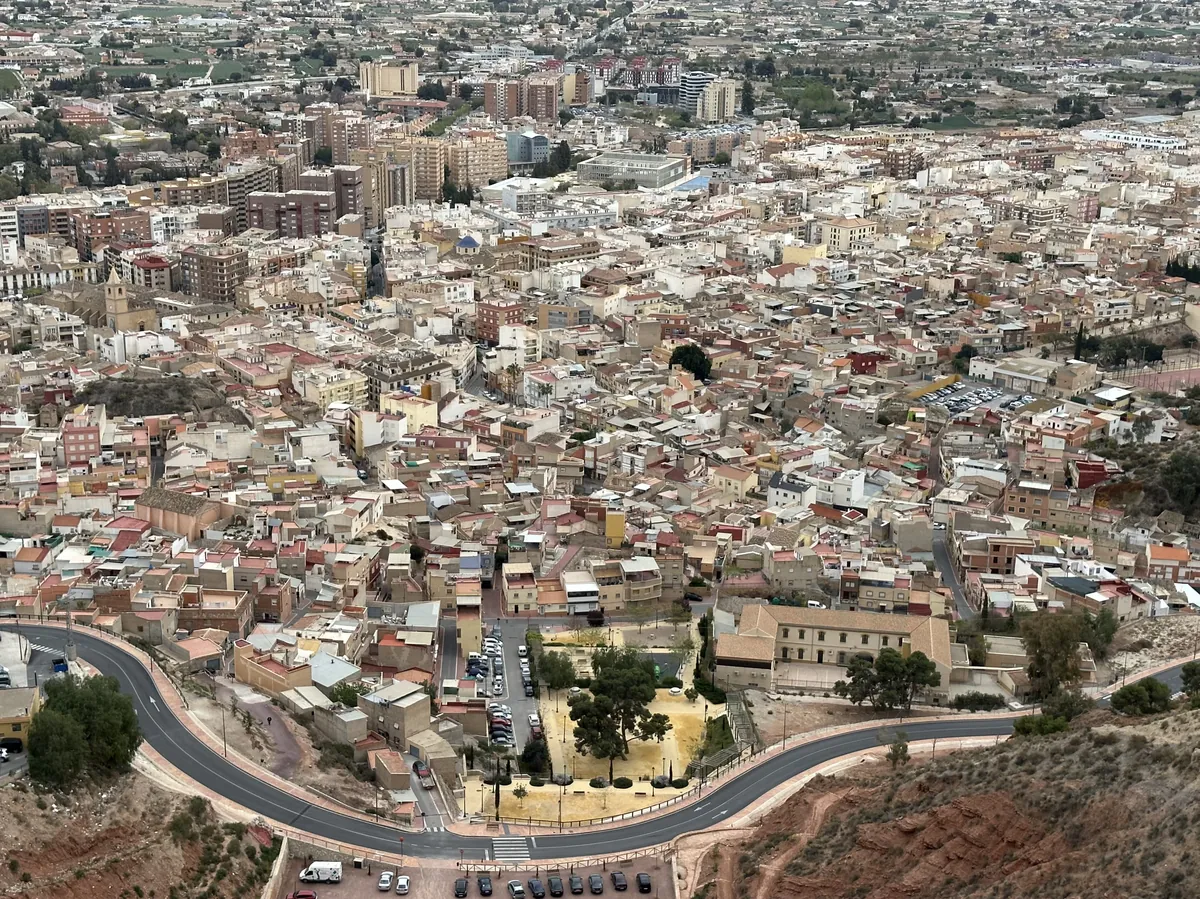
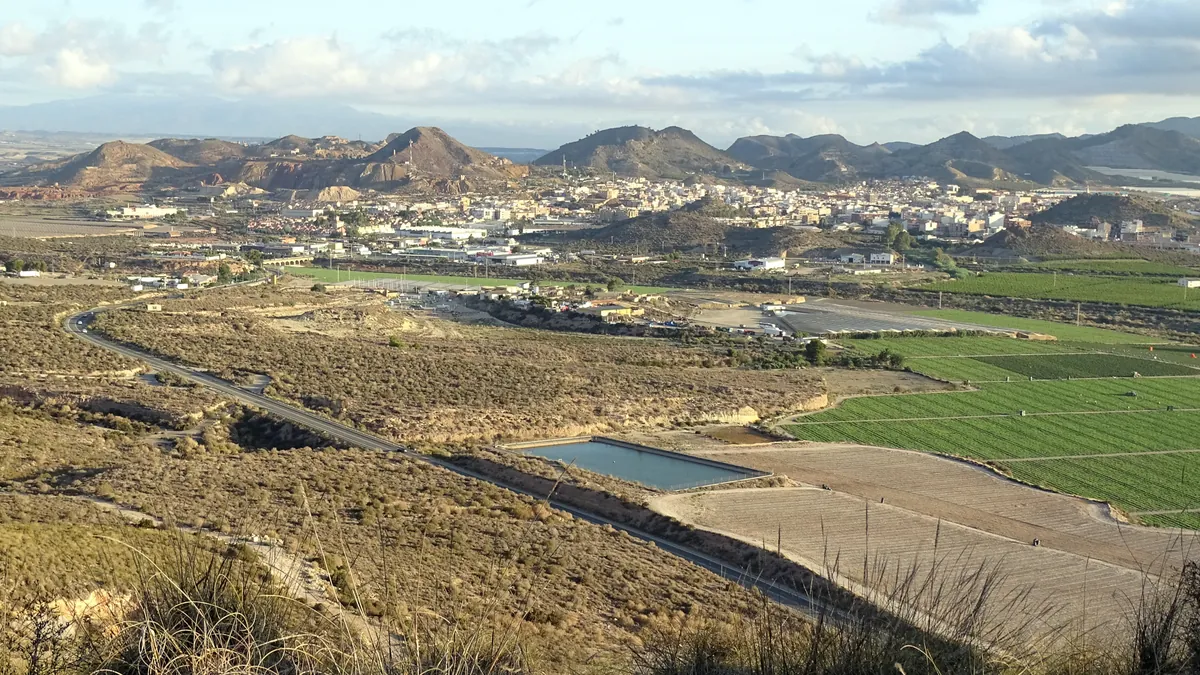
Alcantarilla sits seven kilometres south-west of Murcia city at a scarcely detectable 71 m above sea-level. The Segura River wraps itself around the western edge, delivering the same fine silt that turns local lemons the colour of traffic lights. From the air the place looks like a green chessboard: date palms along the irrigation ditches, artichokes in regimented rows, plastic greenhouse roofs winking in the sun. The A-30 motorway is a five-minute drive away, yet the sound you notice is the clack-clack of automatic gates opening for dawn deliveries of lettuces bound for British supermarkets.
The huerta is not scenery; it is the payroll. Tractors still park beside cafés, and the Friday market in Plaza San Pedro smells of wet soil as much as of coffee and churros. Stallholders sell oranges loose – no nets, no labels – and will add an extra one “para el camino” if you attempt Spanish. Prices hover round €1.50 a kilo, cheaper than the city and half the cost of the airport departure lounge.
What to Look at When Nobody is Looking
Start with the aqueduct they call Los Arcos, a five-minute walk south of the wheel. Only three of the original fourteen brick arches survive, framed now by a children’s skatepark and a life-size dinosaur mural. English graffiti artist Dale Grimshaw added the portrait of a local huertano further along the wall; the council protected it with anti-graffiti coating, a municipal seal of approval that still makes older residents shake their heads.
The Iglesia de la Asunción, finished in 1775, is open 7–9 p.m. for the rosary; drop in earlier and the sacristan will let you climb the tower for €2. The view is mostly tiled rooftops and pigeon lofts, but on a clear day you can pick out the marble quarries of Monteagudo glittering like snow. Inside, the main altarpiece is carved from poplar wood shipped up-river from Guardamar – lighter stone was easier to haul by boat than to drag across the plain.
Across the street, the Museo de la Huerta occupies a 19th-century farmhouse. Admission is free; labels are in Spanish only, but the staff keep a laminated English crib sheet behind the desk. Rooms recreate a 1940s kitchen complete with fly-paper ribbons and a zinc bath; another display shows how water rights were measured in “tarjas”, wooden slats the size of a ruler. You will leave understanding why locals still argue about whose turn it is to open the sluice gate.
Eating Without the Photo Shoot
Calle Adolfo Suárez closes to traffic at lunchtime; tables sprout on the tarmac like toadstools. Order a marinera – a Russian-salad-topped crisp the size of a saucer – and the waiter brings a ceramic bowl to catch the crumbs. Follow it with paparajotes, lemon-leaf fritters dusted in cinnamon sugar; the trick is to nibble the batter and discard the leaf, not the other way round. Locals spot the novice by the pile of half-chewed greenery.
Menús del día cost €10–12 and rarely stray from grilled pork, chips and a lemon yoghurt for pudding. Vegetarians do better at dinner: zarangollo (scrambled courgette and onion) arrives sizzling in the pan, and the house wine is a yeasty Monastrell that tastes better after the second glass. If you need something familiar, the British-run Curry House is two streets back from the river, but the chef still puts a dish of olives on every table – resistance is futile.
The Quiet Side of Festival Season
Holy Week processions here include an all-female team of costaleras carrying the Virgen de los Dolores; they leave the Iglesia de la Asunción at 2 a.m. Thursday, candles reflected in shop windows like double-decker buses. Crowds are thin enough to follow without a grandstand ticket, and the bars stay open serving coffee laced with brandy for the watchers who refuse to shiver.
The big fiesta, in mid-August, honouring the Asunción, turns Plaza Cayitas into an open-air disco. Fairground rides cost €2–3 a go; the town hall shells out for a foam party that leaves the square smelling of washing powder for days. Book accommodation early if you must, but consider coming instead for the September San Roque neighbourhood party – same brass band, fewer visitors, free paella cooked in a pan the width of a Mini.
Getting Here, Getting Out
The airport bus from Corvera drops at Murcia city bus station; from there, line 31 reaches Alcantarilla in 18 minutes for €1.55. Drivers leave the A-30 at junction 148; the first roundabout hosts a Lidl useful for emergency bin-bags and British teabags. Parking beside the river is free and unrestricted except market-day morning, when white vans claiming “agricultural exemption” wedge themselves across two bays.
Cycle tourists can pick up the Vía Amable, a traffic-calmed greenway that shadows the irrigation canal all the way to Murcia cathedral. The gradient is negligible, the surface tarmac, and the only hazard is the occasional sprinkler arching across the path. Bike hire is available from the petrol station on Avenida de la Constitución: €15 a day, helmet thrown in, but arrive before 9 a.m. when the stock disappears with German touring clubs.
The Catch
Alcantarilla is not quaint. The river smells of warm algae in July, and the main drag carries more diesel than orange blossom. British visitors expecting white-washed alleyways will find instead 1970s apartment blocks whose balconies sag under satellite dishes. Evening entertainment shuts down early; after midnight the liveliest spot is the all-night petrol station selling tortilla sandwiches to lorry drivers.
Stay anyway. Murcia’s boutique hotels charge twice the price for half the space, and the last bus back leaves the city at 11 p.m. – miss it and a taxi is €18. In Alcantarilla you can walk to your bed, past the water-wheel still creaking in the dark, turning the garden that keeps the supermarkets of southern England in winter lettuce.