Alguazas - Flickr
@contreras.poterie · Flickr 5
Región de Murcia · Orchards & Mediterranean

Alguazas

The irrigation channels running through Alguazas still follow Moorish engineering principles laid down a millennium ago. Water flows silently besid...

10,431 inhabitants · INE 2025
86m Altitude

Why Visit

Best Time to Visit

summer

Saint Anthony junio

Festivals
& & Traditions

Fecha junio

San Antonio, Virgen del Carmen

Las fiestas locales son el momento perfecto para vivir la autenticidad de Alguazas.

Full Article
about Alguazas

Ocultar artículo Leer artículo completo

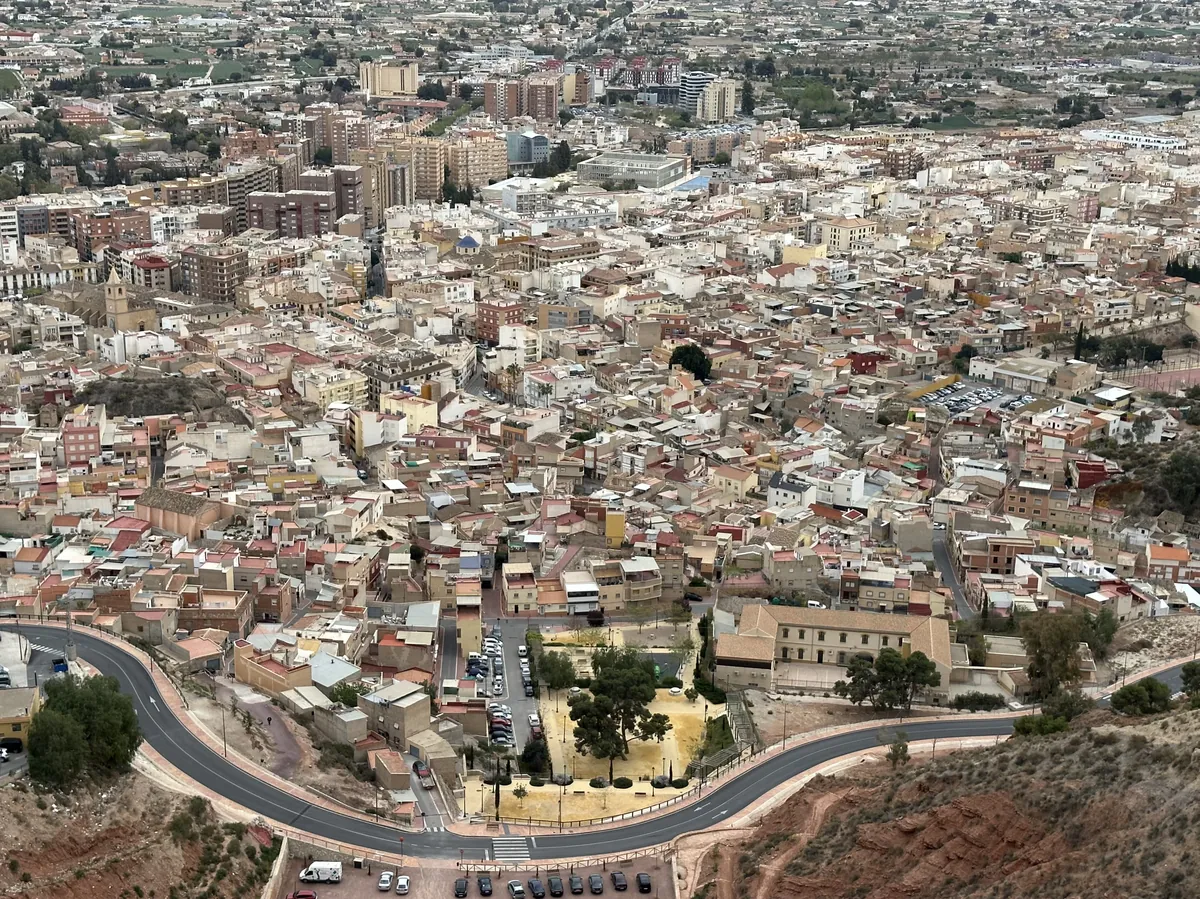
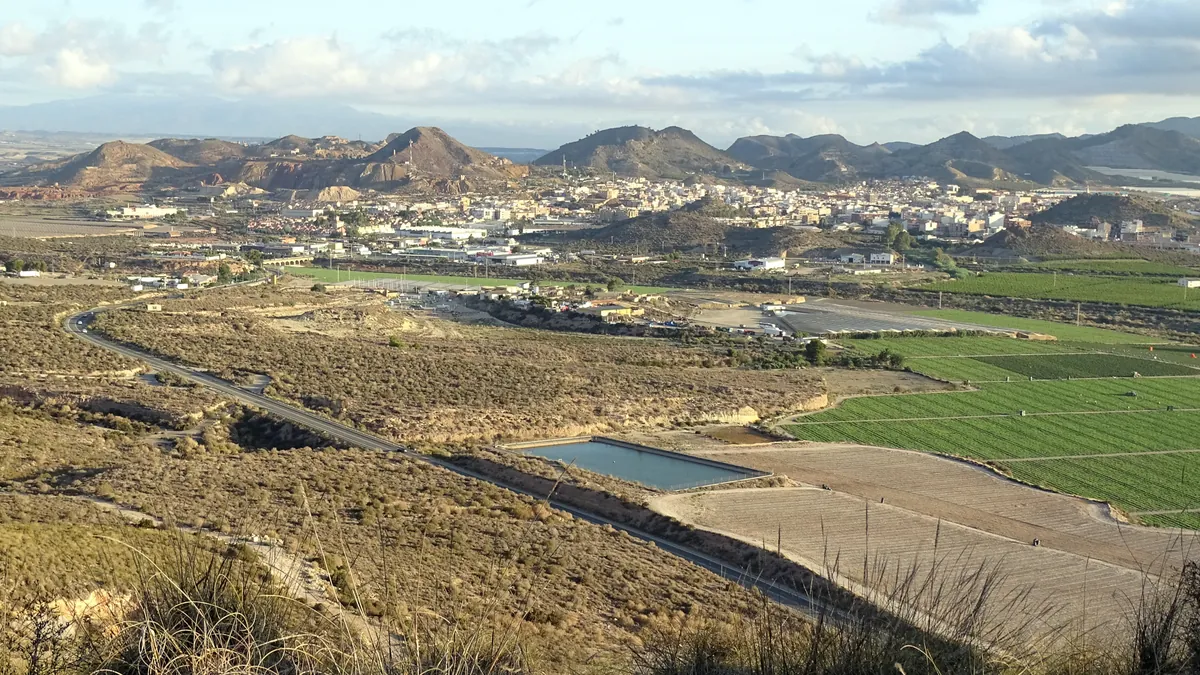
The irrigation channels running through Alguazas still follow Moorish engineering principles laid down a millennium ago. Water flows silently beside the lanes, feeding lemon groves that stretch towards the Sierra de Carrascoy in the distance. At 86 metres above sea level, this Murcian village sits low enough to escape mountain weather but high enough to catch cooling breezes from the surrounding huerta—the fertile plain that has fed southeastern Spain since Roman times.

Most British visitors speed past on the A-30 motorway, bound for the beaches of the Costa Cálida twenty minutes away. They've never heard of Alguazas, and the locals prefer it that way. This is working Spain, where agriculture pays the bills and tourism remains a curiosity rather than a necessity. The result? A place where restaurant prices reflect local wages, where siesta still shutters shops between two and five, and where stumbling upon a British accent generates genuine surprise.

The Orchard Cathedral

The morning light transforms the citrus groves into something approaching sacred space. Between February and April, orange blossom releases its heavy perfume across the district, attracting bees that produce some of Spain's most sought-after honey. Walking the farm tracks requires no special equipment—sturdy shoes suffice for the flat terrain between irrigation channels. The local tourist office (open Tuesday to Thursday, 10:00-14:00) provides rudimentary maps, though getting lost presents no real danger. Every path eventually leads back to the CV-850 road or the village centre.

Spring brings temperatures hovering around 22°C, perfect for cycling the 13 kilometres from Murcia city along the segregated bike path that follows the old railway line. Summer visitors face a different proposition. July and August temperatures regularly exceed 40°C, turning afternoon exploration into an endurance test. The Spanish solution involves shifting activities to pre-dawn hours—farmers begin work at 5:30 am, finishing before the heat becomes unbearable. British visitors rarely adapt to this schedule, limiting summer visits to early morning market runs and late-evening restaurant meals.

Winter offers surprising advantages. December daytime temperatures average 16°C, warm enough for lunch on outdoor terraces with proper clothing. The citrus harvest creates a buzz of activity, with articulated lorries loading pallets of lemons bound for British supermarkets. Accommodation prices drop by forty percent, and restaurants serve hearty stews rather than the lighter warm-weather fare.

Beyond the Orange Groves

The Sanctuary of Nuestra Señora de las Salcedas sits two kilometres from the village proper, accessible via a lane bordered by eucalyptus trees. The building itself won't feature in architectural textbooks—its significance lies in centuries of pilgrimage rather than aesthetic merit. Every May, thousands of devotees process from the village church to this spot, carrying the Virgin through streets carpeted with rosemary and thyme. Timing a visit for this weekend means witnessing genuine religious devotion, though parking becomes impossible within a five-kilometre radius.

Back in the village centre, the Church of San Onofre displays the pragmatic architectural evolution common to Spanish agricultural towns. Original Gothic foundations disappear beneath 18th-century Baroque additions, themselves modified during 1960s renovations that installed electric lighting and concrete supports. The result satisfies nobody—architectural purists wince at the mishmash, while parishioners appreciate the functional heating system installed in 2018.

The Molino de la ñorica represents what happens when industrial heritage meets municipal budget constraints. This water-powered flour mill, once vital to local food production, now stands partially restored. Information panels explain the milling process in Spanish only, though the mechanism remains visible through metal grilles. It's worth ten minutes of anybody's time, particularly for those interested in pre-industrial technology.

Eating Like You Mean It

British expectations of Spanish village dining require recalibration here. Alguazas supports three restaurants, two bars, and a bakery. None employ English-speaking staff. The menu at Bar Central changes daily based on what local suppliers deliver—expecting chicken tikka masala invites disappointment. Instead, michirones appear: a hearty fava bean stew flavoured with ham bone and mint, served with bread baked using flour from the village mill before its closure in 1987.

Casa Paco, the closest approximation to a proper restaurant, opens Thursday through Sunday only. Their zarangollo—scrambled eggs with courgettes and onions—costs €8 and feeds two. The wine list extends to red or white, both produced within thirty kilometres and served in 500ml carafes for €6. Credit cards trigger sighs of irritation; cash remains king.

The Saturday morning market occupies the main square from 8:00 until 13:00. Stalls sell fruit seconds—misshapen oranges and lemons rejected by supermarket buyers but perfect for juicing. Five kilograms cost €3, roughly one-third of British supermarket prices. The cheese vendor slices to order from wheels of cured goat cheese, while the honey seller provides tasting spoons without prompting. These producers supply Murcia's top restaurants; buying direct feels almost illicit.

Getting There, Staying Put

Public transport connections disappoint. Buses run hourly to Murcia until 21:00, then cease entirely. Sunday service reduces to every two hours. Hiring a car becomes essential for proper exploration—Murcia airport's rental desks lie forty minutes away via the A-30. Driving presents few challenges: the village centre features ample free parking, and local drivers display patience towards confused foreigners studying maps at roundabouts.

Accommodation options remain limited. The single hostal above Bar Central offers eight rooms, all en-suite but none featuring views worth photographing. At €45 per night including breakfast (coffee, toast, and freshly squeezed orange juice), expectations stay modest. The alternative involves staying in Murcia city and visiting Alguazas as a day trip—sensible for those requiring hotel standards like functioning WiFi or international television channels.

The Unvarnished Truth

Alguazas won't change your life. The village offers no Instagram moments, no boutique shopping, no nightlife worth mentioning. What it does provide is access to an agricultural Spain that tourism hasn't sanitised. The bloke serving your coffee likely picked the oranges you'll drink for breakfast. His wife prepared the tortilla you're eating. Their daughter drove the tractor you passed in the orchard.

This authenticity comes with rough edges. English isn't spoken. Opening hours shift without notice. The church closes randomly when the caretaker fancies a coffee. But for travellers seeking Spain beyond theCosta del Sol template, Alguazas delivers something increasingly rare: normality. Pack phrasebook Spanish, abandon rigid schedules, and discover how modern Spaniards live when nobody's watching.

Key Facts

Region
Región de Murcia
District
Región de Murcia
INE Code
30007
Coast
No
Mountain
No
Season
summer

Livability & Services

Key data for living or remote work

2024
ConnectivityFiber + 5G
TransportTrain nearby
HealthcareHospital
EducationHigh school & elementary
Housing~5€/m² rent · Affordable
CoastBeach 17 km away
Sources: INE, CNMC, Ministry of Health, AEMET

Planning Your Visit?

Discover more villages in the Región de Murcia.

View full region →

More villages in Región de Murcia

Traveler Reviews