Full Article
about Archena
Hide article Read full article
Arroz, Agua y un Olor a Azufre
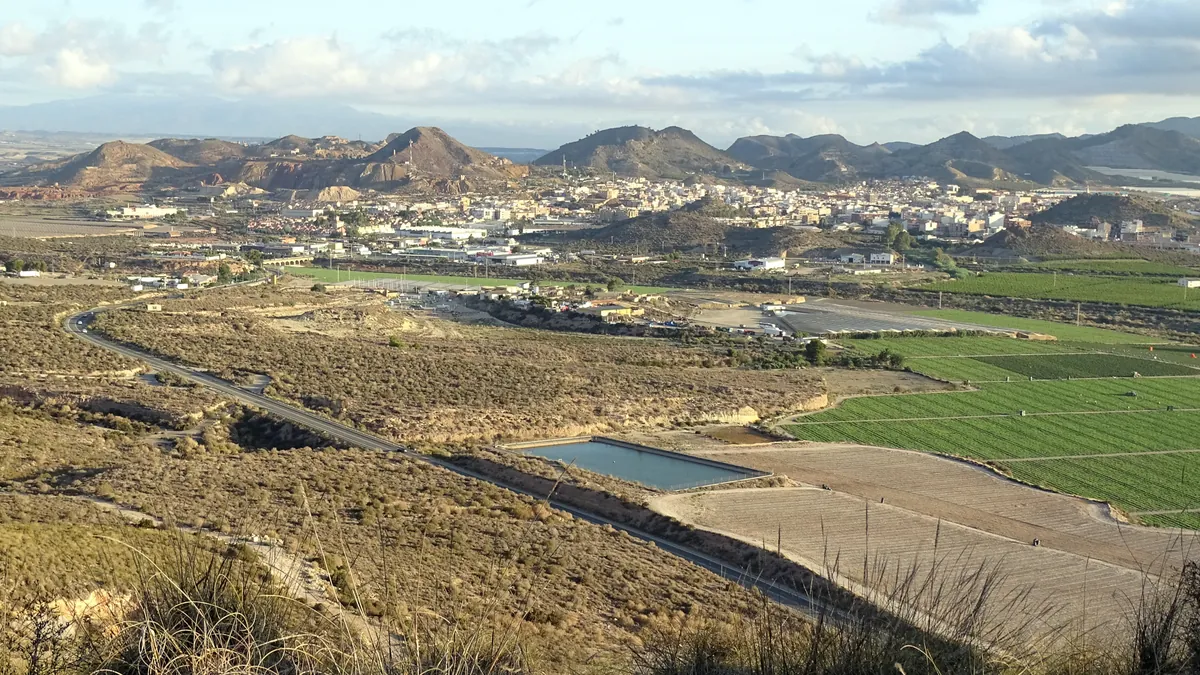
Desde la autovía, Archena parece otro pueblo de carretera más en la Región de Murcia. Un montón de casas blancas apretujadas junto al asfalto, con el río Segura pasando por al lado. La postal no es espectacular. Pero frena un momento y huele el aire. Ese olor a huevo duro, a azufre, te dice dónde estás. Esto es territorio de aguas termales.
El Balneario de Archena es la razón por la que mucha gente para aquí. No es un spa discreto; es un complejo grande, con piscinas exteriores donde flotas en agua a 52 grados que huele como debe oler el centro de la tierra. Los romanos ya venían. Ahora hay familias con niños tirándose por toboganes entre vapores sulfurosos. Es ruidoso, familiar y completamente directo en su oferta: calor mineral y relax sin pretensiones.
Salir del agua te deja blando, como un guante de goma húmedo. No sé si cura algo, pero durante un par de horas te hace olvidar que tenías algo que curar.
El Pueblo Cuando se Apaga el Balneario
Cuando te alejas del río y del complejo termal, Archena se encoge. Las calles son cortas, con sombra gracias a las fachadas altas. El centro se recorre en poco tiempo.
La Casa Grande, ahora ayuntamiento, tiene ese aire de edificio serio que ha hecho de todo: almacén, casa señorial, oficina administrativa. No pide fotos, pero impone respeto por pura presencia física.
A su lado está la iglesia de San Juan Bautista. Fuera es sobria, de ladrillo visto. Dentro guarda un retablo que parece colocado con prisas. Un vecino me dijo: "Aquí hay que verla de noche, con misa". Tiene razón. Con luz artificial y gente dentro, el espacio cobra otra vida.
El contraste total lo pone el Museo del Esparto. Está en una casa modernista que parece sacada de un cuento, toda blanca y con detalles delicados. Adentro se vuelve terrenal: está dedicado al trabajo con esparto. Verás capazos, sillas, esteras... y un bikini hecho de esta fibra. Una pieza que plantea muchas preguntas sobre comodidad y sentido del humor.
En el patio hay un eucalipto tan enorme que tiene su perímetro oficial medido y registrado (por si acaso). Y una maqueta completa de la iglesia local tejida en esparto. El tipo de proyecto que solo puede nacer del orgullo local y muchas horas libres.
Comer Como Si Lloviera
Aquí se come bien y sin complicaciones gastronómicas. El plato rey es el arroz con conejo, hecho "a la lumbre" con sarmientos. Sabe a campo murciano: intenso, humeante y sin disculpas.
Luego están las gachasmigas. Es una tradición culinaria-meteorológica: cuando llueve en Archena, se cocinan gachasmigas. Punto. Es una masa tostada a la que se le añade carne, y sabe mejor de lo que suena.
Para rematar, pruebes los dulces: pitisú, negritos, cordiales. Nombres simpáticos para postres contundentes.
Dos Maneras (Muy Distintas) de Bajar la Comida
Necesitarás moverte después. Tienes dos opciones.
La tranquila: el paseo fluvial junto al Segura. Son unos siete kilómetros llanos con versos del poeta local Vicente Medina grabados en piedras por el camino. Es paseo dominical familiar.
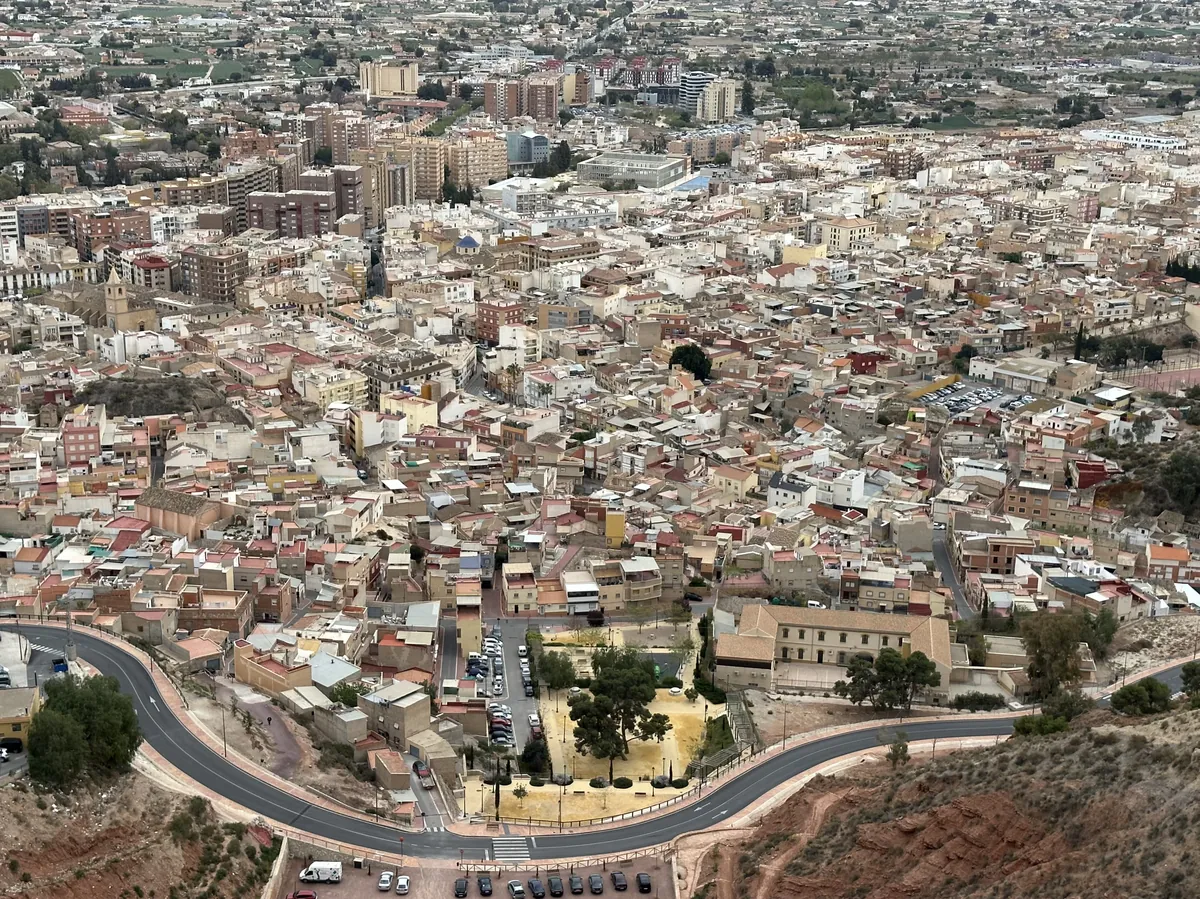
La exigente: subir a El Ope. Son 250 metros de desnivel que parecen pocos hasta que empiezas a sudar a los cinco minutos. La cuesta muerde pronto. Pero desde arriba ves todo: el pueblo como un juego de bloques blancos junto al río verde, el balneario abajo y la huerta extendiéndose hasta donde alcanza la vista. Bajar duele casi más que subir.
Calendario Abierto
Aquí las fiestas son cosa pública. En abril llegan Moros y Cristianos con mucho ruido de trabucos y desfiles callejeros. En mayo sacan a la Virgen de la Salud en procesión hasta las puertas del balneario. Y en junio está el Corpus Christi, cuando alfombran las calles con dibujos hechos solo con pétalos. No necesitas entrada para nada; solo estar ahí sin estorbar.
Cuándo Ir (y Qué Hacer)
Ven en primavera temprana. Los albaricoqueros del Valle de Ricote están en flor y el aire mezcla ese aroma dulzón con el leve cloro del balneario. Es una combinación extraña que define bien este sitio. Pide vino local sin preguntar demasiado por la uva; aquí se sirve para beber, no para estudiar.
Mi recomendación es simple: Date un baño termal si te apetece (lleva chanclas viejas). Camina o sube al monte para compensar. Y termina sentado donde veas gente local comiendo arroz. Pide ese arroz con conejo. El agua caliente no soluciona los problemas, pero tras un día así, los problemas pesan bastante menos