Full Article
about Bullas
Hide article Read full article
A hillside town shaped by altitude
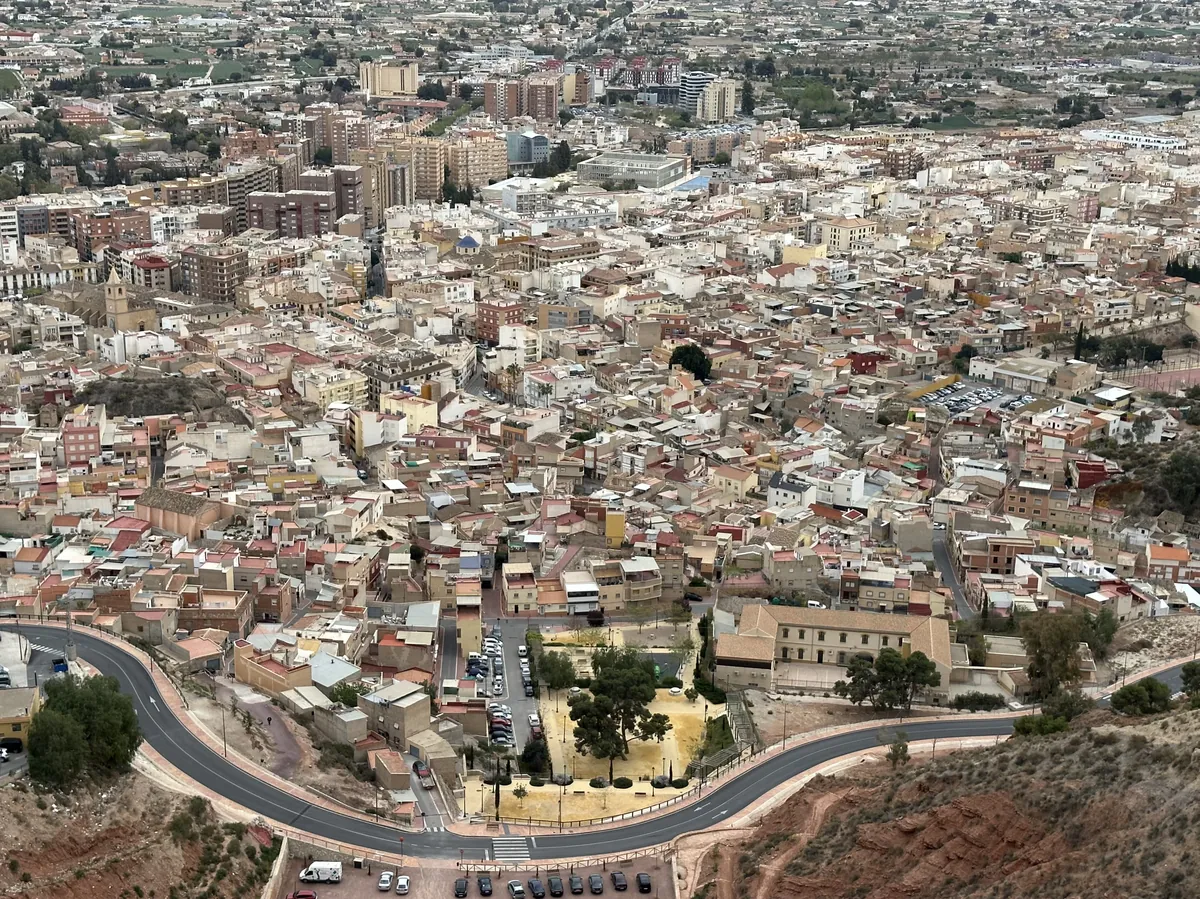
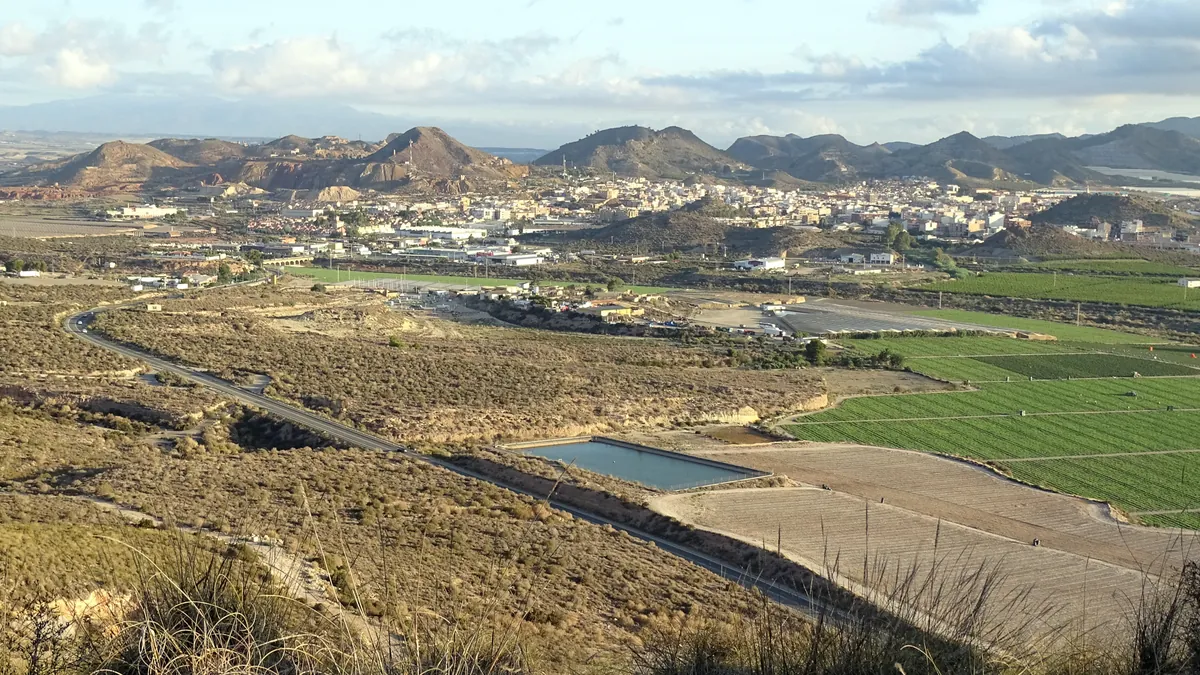
At 653 metres above sea level, Bullas looks out from the mountains over the Guadalentín valley with a sense of long familiarity. That elevation is not a minor detail. It affects the climate, slows the ripening of grapes, and has even determined how buildings are constructed. Wineries here are often carved into rock so that temperatures remain stable throughout the year.
Wine is not simply part of daily life in Bullas. It explains why the town developed here at all. The terrain, the climate and the way people have adapted to both are tightly linked to the cultivation of vines.
A landscape defined by vineyards
The Bullas Denominación de Origen was established in 1994, yet vine growing in this area goes back much further. Evidence from the Roman period survives at the site of Los Cantos, which was active between the 1st and 4th centuries. Archaeological finds include wine presses and a marble relief showing a child holding a bunch of grapes, a small but telling detail that connects the present landscape with its distant past.
Today, around 5,500 hectares of vineyards spread across terraces cut into the hillsides. These terraces make use of the slope and help regulate water and sunlight. The monastrell grape dominates production, known for producing fruity rosé wines that are especially popular locally during the warmer months.
Within the town itself, more than two hundred traditional wineries still stand, many of them still in use. Built from stone, with thick walls, they maintain a constant internal temperature of around 14 to 16 degrees. One detail often goes unnoticed at first glance. The chimneys rising from these buildings were not designed for heating. Workers lit fires while filling barrels, and the chimneys allowed smoke to escape, preventing it from affecting the wine.
Traditions tied to the land
The agricultural cycle continues to shape local traditions. The year begins with the celebration of San Antón on 17 January, marked by the traditional pig slaughter. In La Copa, a small settlement four kilometres away, this ritual is still carried out alongside the dance of the innocents and a procession. These practices reflect a time when pig farming and vine cultivation formed the backbone of the local economy.
Spring brings another moment of collective memory. In April, San Marcos is celebrated with a parade of decorated carts. Farmers adorn tractors with rosemary branches and wildflowers, a custom that keeps rural life visible and shared.
The Feria del Vino, usually held towards the end of February, offers a chance to explore the local wineries and observe the work of producers. It brings together the different strands of Bullas’ identity, from cultivation to production, without separating them from everyday life.
Water carving the landscape: El Salto del Usero
Wine may define Bullas, but water has also left its mark. El Salto del Usero is a natural waterfall where the Bullas river drops around ten metres over eroded limestone. The formation is the result of water gradually shaping the rock, creating pools that fill in summer and become a place for bathing.
The walk to reach it is short, around twenty minutes from the parking area, and passes through terrain deeply marked by water erosion. Channels cut into the ground show how the river has shaped the landscape over time. The setting feels closely tied to natural processes rather than designed viewpoints, and that sense of continuity is part of its appeal.
Routes and a period of growth
The surrounding area can also be explored along the Vía Verde del Noroeste, which follows the route of a former railway line between Murcia and Caravaca. The railway operated for several decades in the 20th century before closing, and its path now offers a way to move through the landscape at a steady pace.
The section linking Bullas with Caravaca crosses tunnels and iron bridges, with open views across the valley. Those tunnels have no artificial lighting, and there are no drinking water sources along the route, details that shape how the journey is experienced.
Back in the town centre, the Itinerario Bullas 1900 traces the modernist expansion that took place during a period of prosperity at the end of the 19th century. Houses built by wine exporters still stand as evidence of that era. During those years, Bullas wine was shipped to France to compensate for the loss of production caused by phylloxera, a pest that devastated vineyards across Europe.
The architecture from that time reflects economic confidence and outward connections. It shows how a rural town became part of a wider network through wine, while still remaining closely tied to its immediate landscape.
Getting there and moving around
Bullas lies about fifty minutes from the city of Murcia, connected by main roads that wind into the interior. The town centre is compact and can be explored on foot without difficulty.
Reaching El Salto del Usero requires a car, with parking signposted from the road towards Cehegín. Public transport links exist between Murcia and Bullas, although options are limited compared to larger destinations.
Seasonal changes are noticeable here because of the altitude. Even in spring, temperatures can drop sharply once the sun goes down, something worth bearing in mind when planning time outdoors.
Bullas does not separate its identity into neat categories. The vineyards, the festivals, the architecture and the surrounding landscape all form part of the same system. Understanding one aspect inevitably leads to the others, whether through a glass of monastrell, a walk along an old railway line, or the sound of water moving through limestone.