Full Article
about Calasparra
Hide article Read full article
A place shaped by water and grain
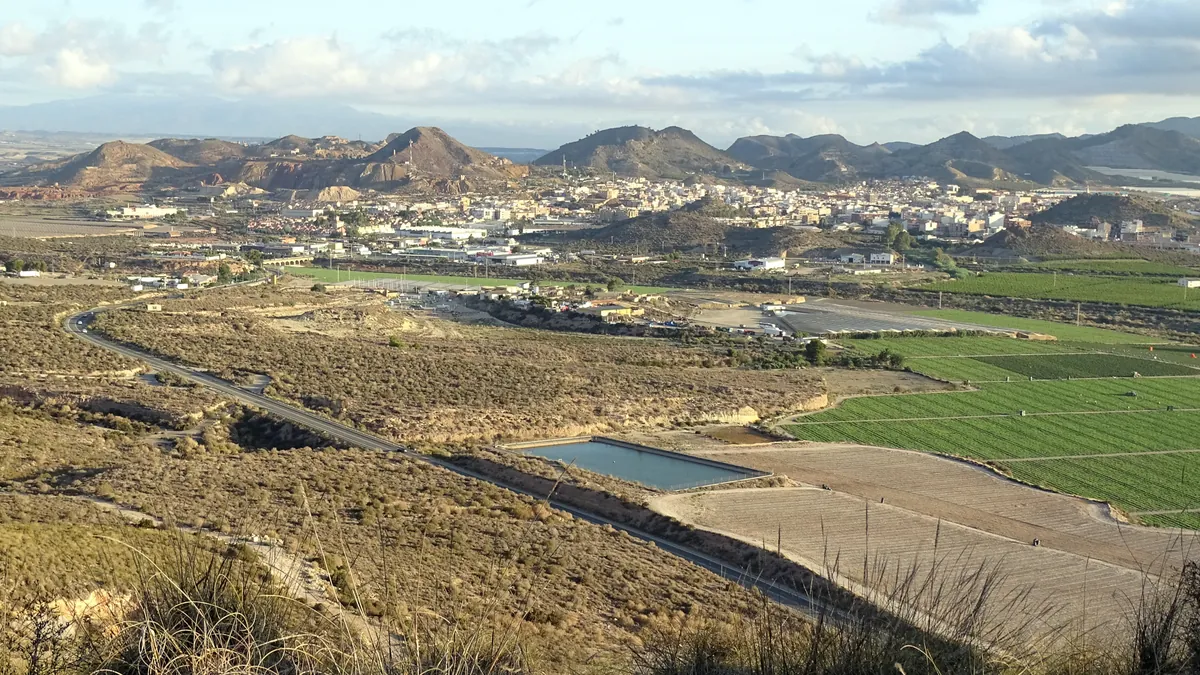
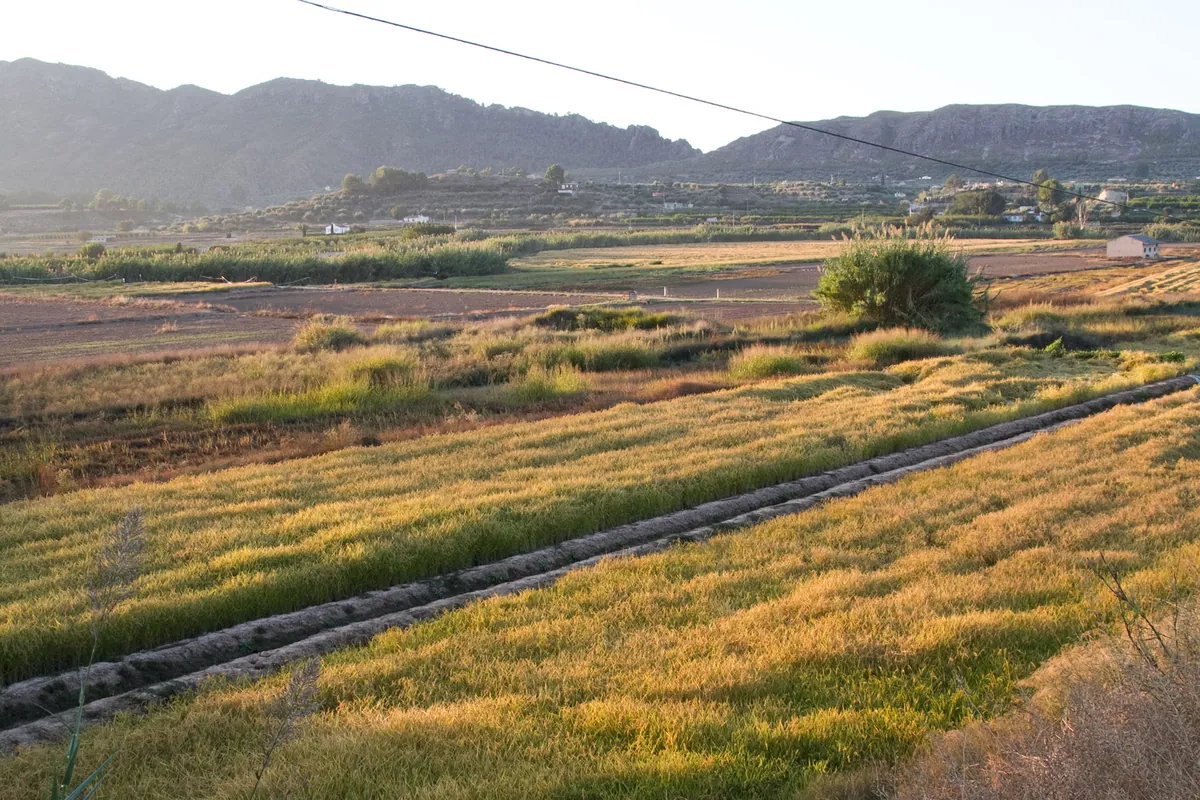
Calasparra smells of rice. In September, the fields cut across the horizon in a patchwork of colour, and the air carries the scent of damp straw. Park the car and you may notice dry mud clinging to the tyres. That detail says a lot about the place: this is a town built on water and grain.
Life here revolves around those two elements. The landscape, the pace of the streets and even the food all point back to the same source. It does not try to disguise what it is. Instead, Calasparra presents itself quite plainly, with its hills, its fields and the river that runs nearby.
Getting around: hills and contrasts
Parking is straightforward. The roundabout at San Diego, next to the park, is a reliable spot and there are no parking meters or early patrols to worry about. During Semana Santa or the first weekend of September, it is best to arrive early. After that, the town fills with cars from outside, all searching for space along narrow pavements. At other times of the year, finding a place is rarely an issue.
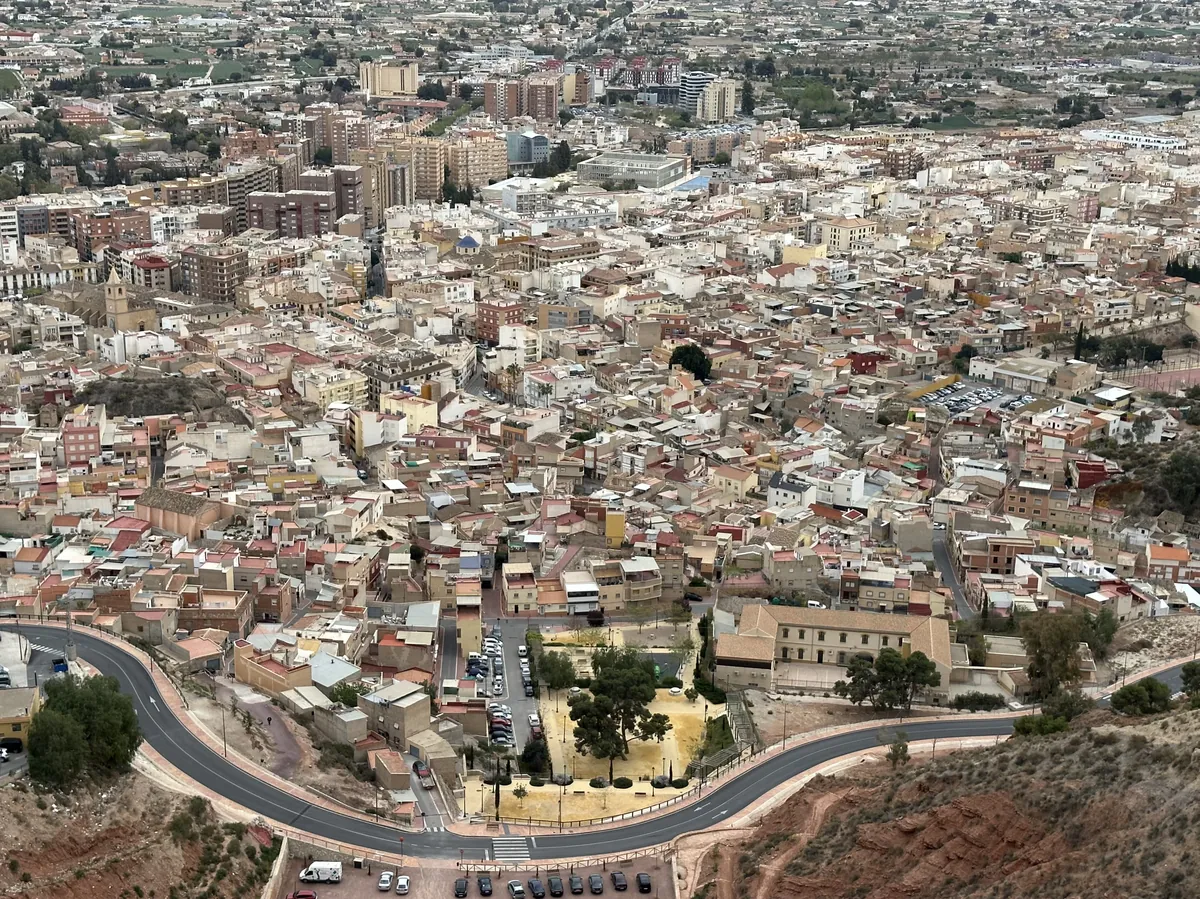
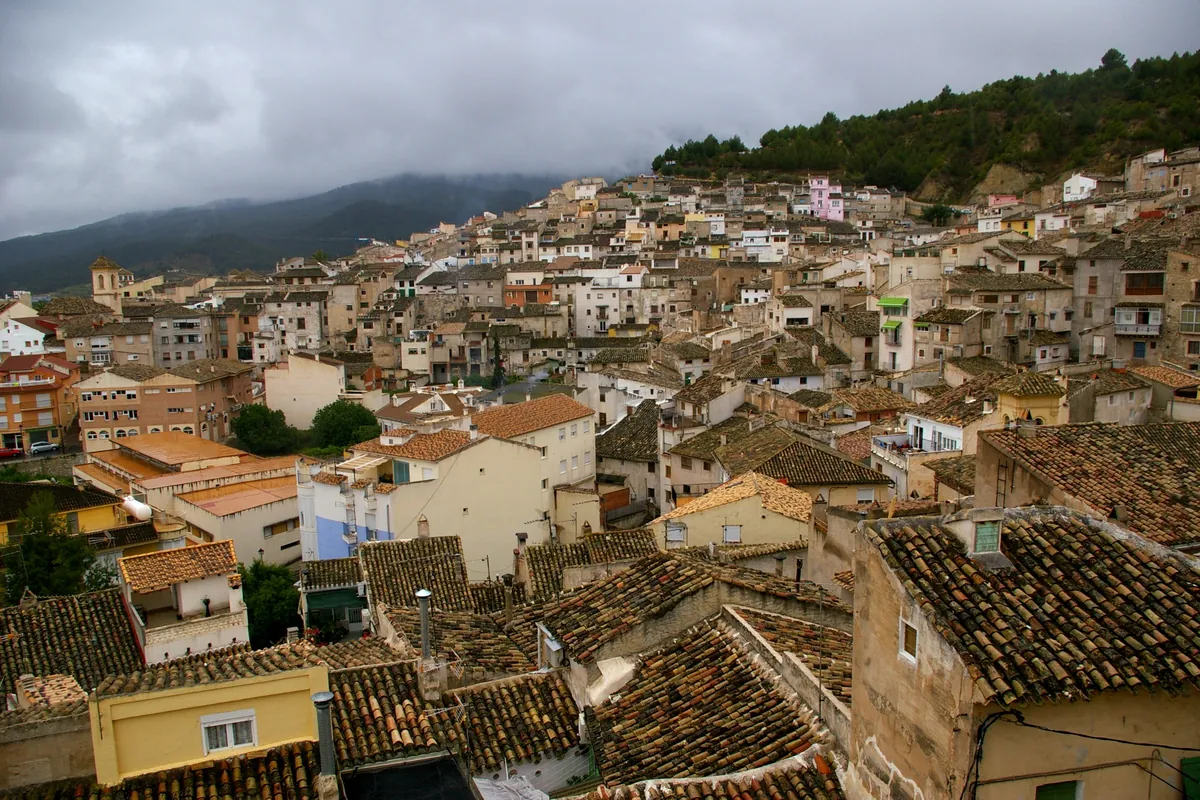
The layout of Calasparra is split into two distinct areas. One is the old centre, set on a hill. The other lies below, near the Segura river, where the Santuario stands. A walk connects them: about twenty minutes downhill, closer to thirty on the way back up. The slope is noticeable.
Those who prefer to avoid driving can plan the day around the terrain. Head down to the Santuario in the morning, then return after lunch when the heat intensifies and the climb feels heavier. The rhythm of the place encourages that kind of pacing.
Places that matter
The Cueva-Santuario de Arroyo sits three kilometres from the town, at the end of a road that seems to stretch on without conclusion. The cave itself has long galleries, although only a small section is open to visitors. The key feature is the chapel set inside the rock. There are wooden benches, an altar and the Virgen de la Esperanza beneath stalactites. Entry is free, and someone from the town is often around to open it if it is not time for mass.
The Segura river takes on a different character at the Cañón de Almadenes. Kayaks can be hired near the bridge on the RM-532 road. The route covers six kilometres between rock walls. In July and August, the water is warm enough to make the journey easy to enjoy. The trip lasts just over an hour if you keep paddling. It is worth bringing your own water, as the sun reaches into the canyon and there is very little shade at river level.
The Santuario hosts a small artisan market on the third Sunday of each month. It is not elaborate, but it offers a chance to pick up local honey and see how things are organised. Each household sets up a stall in turn, creating a simple rotation. Other sights exist, such as the archaeological museum, the Plaza de San Juan or the ermita de la Fuensanta. They are fine to include if time allows, though skipping them does not take away from the experience.
Timing your visit
July brings the Feria Taurina, which transforms the town into a crowded and heated space. Anyone interested in bullfighting may want to plan around those dates. Others might prefer to stay away during that period.
September feels more manageable. The patron saint festivities take place then, including a night procession and a romería in which the Virgen is taken down to the Santuario. The atmosphere remains lively without the intensity of mid-summer.
April and May are the most balanced months. The countryside turns green, temperatures allow for walking, and the number of visitors stays under control. These weeks show Calasparra at a calmer pace, closer to its everyday rhythm.
Eating and drinking in Calasparra
Calasparra is known for producing the first rice in Spain to receive a denominación de origen, a protected designation that guarantees its origin and quality. The grain defines the local cuisine.
Rice dishes here are typically served caldoso, with plenty of broth. Rabbit and snails appear often in the traditional versions. Those looking for something different can ask for migas ruleras. This variation includes a type of sausage made with onion and pairs well with a cold drink. During Semana Santa, the kitchens prepare caldo de pelotas with cod, another dish tied to the calendar.
For drinking, cuerva is common. It is wine macerated with fruit, easy to drink and slightly deceptive in its strength.
Rice is not particularly cheap. The grain itself carries a noticeable price, and a portion in local eateries reflects that. It follows the logic of the local market rather than catering to bargains.
A final note before leaving
Before setting off again, it is worth checking the tyres. The roads around Calasparra often have loose stones and dust. Conditions can leave their mark.
Calasparra is not a place encountered by chance. People come here with a purpose, often drawn by its rice and what surrounds it. The climb back up through the town is part of that experience, a reminder of where you are and why you made the journey.