Full Article
about Campos del Río
Ocultar artículo Leer artículo completo
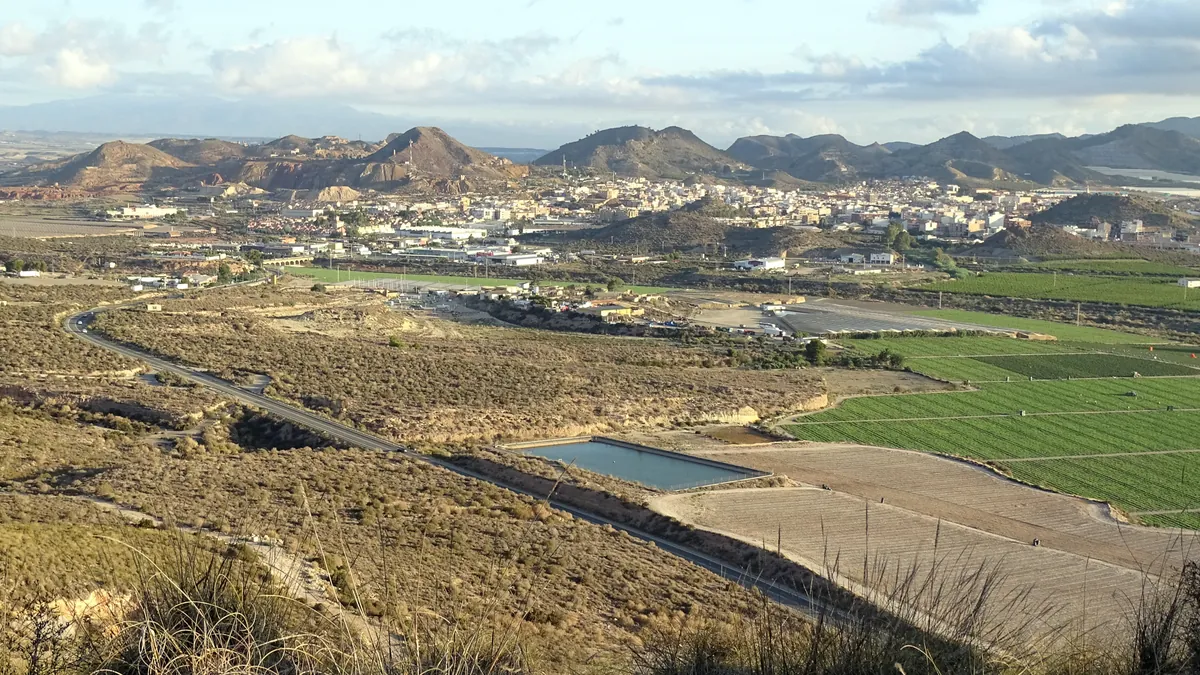
The water arrives at precisely 6:30 am. Not a minute earlier, not a second later. Through stone channels built when Castile was still a collection of warring kingdoms, the flow reaches Campos del Río's orchards with the reliability of a Swiss train. It's this ancient irrigation system—still governed by a 700-year-old rota—that keeps the village's 2,100 residents tethered to agricultural rhythms most of Spain abandoned decades ago.
At 172 metres above sea level, the village sits low enough to escape the harsh continental climate that scorches higher Murcian towns, yet high enough to catch cooling breezes off the Mula valley. The difference is measurable: while Murcia city swelters at 42°C in August, Campos del Río's thermometer typically stops at 38°C. Winter mornings bring a different story—frost occasionally blackens the almond blossoms, and January temperatures can drop to -2°C, making this one of Spain's few places where both oranges and apples grow within walking distance of each other.
The Agricultural Time Machine
The village's economic pulse hasn't changed much since the 1950s. Walk down Calle San Pedro at 7 am and you'll see the same scene: farmers checking water allocations posted outside the ayuntamiento, tractors loaded with broccoli rattling toward the packing cooperative, and the bakery's metal shutters rolling up to reveal shelves of pan de pueblo still warm from wood-fired ovens. The supermarket accepts cards, but the roadside apricot stall operates on an honesty box system—€2 for a kilo of fruit picked that morning, exact change appreciated.
This working-farm reality catches some British visitors off guard. Those expecting manicured plazas and boutique hotels find instead a place where agricultural diesel mingles with orange blossom, and where the Saturday market's main attraction is wholesale vegetables rather than handmade crafts. The village's authenticity is precisely its lack of tourist polish—there's no English-language menu in sight, and the nearest cash machine disappeared in 2022 when the last bank branch pulled out.
Trails, Tracks and the Art of Getting Lost
The network of irrigation channels doubles as walking routes, creating a 15-kilometre circuit through almond and apricot groves that's virtually flat and blissfully shadeless. The Sendero de las Acequias starts behind the football pitch, following a water channel built in the 13th century before climbing gently toward the abandoned quarry at Cerro de la Horca. Spring hikers in March find the hillsides carpeted with wild thyme and the last of the season's wild asparagus—locals still forage here, though they'll never reveal their best spots.
Cyclists discover a different terrain entirely. The RM-521 toward Albudeite offers 12 kilometres of switchback climbing with gradients hitting 8%, rewarding riders with views across the valley to the Sierra de Carrascoy. Road conditions vary—recent rains left potholes deep enough to swallow a water bottle—and there's precisely one café en route, at kilometre 8, where coffee costs €1.20 and closing time depends entirely on whether Pedro's granddaughter has a football match.
When the Village Lets Its Hair Down
September's 'Bous al Carrer' transforms the main street into something resembling a 1970s health-and-safety training video. Temporary fencing channels bulls through the village centre while half the male population—plus the occasional brave (or drunk) visitor—joins the improvised bullring. British spectators expecting Pamplona-style pageantry find instead a spectacle that's part agricultural show, part family reunion, with grandmothers selling homemade nougat from folding tables while their grandsons dodge 500 kilos of annoyed bovine.
The summer fiestas in August draw returning emigrants from Barcelona and Madrid, temporarily doubling the population. Suddenly every balcony sprouts fairy lights, the plaza fills with pop-up bars serving €2 glasses of lukewarm lager, and someone's uncle rigs speakers to a wheelie bin for makeshift karaoke that continues until the Guardia Civil arrive at 3 am. It's either magical or unbearable, depending on your tolerance for Spanish power ballads sung at aircraft-engine volume.
The Practical Reality Check
Getting here requires planning. The LatBus 42 from Murcia runs hourly until 8:15 pm—miss it and you're looking at a €50 taxi ride through roads where GPS occasionally suggests turning into irrigation ditches. Car hire from Region de Murcia International Airport (45 minutes, no tolls) proves more reliable, though satellite navigation occasionally directs drivers through the dried riverbed instead of the bridge.
Accommodation options remain limited. There's one rural guesthouse with six rooms (€45-65 nightly, breakfast included but don't expect muesli), plus a handful of self-catering casas rurales booked through the village website—Spanish language skills essential. The nearest swimming pool belongs to the municipal sports centre, open July-August only, where entry costs €3 and the lifeguard takes siesta seriously between 2-5 pm.
Food shopping requires timing. The supermarket closes 2-5:30 pm daily, the bakery sells out of bread by 1 pm, and the Saturday market packs up at lunchtime. Restaurant choices boil down to Casa Paco's daily menu (€12, cash only) or Bar Central's tapas selection—try the zarangollo (scrambled eggs with courgette) if available, though they regularly run out by 9 pm.
Campos del Río won't suit everyone. It lacks the photogenic perfection of Andalucían white villages, offers no boutique shopping, and treats punctuality as a vague concept rather than social contract. Yet for travellers seeking Spain before tourism—where farmers still irrigate by ancient water rights, where fiestas belong to locals rather than tour companies, and where the morning soundtrack features tractors rather than ring tones—this Murcian village delivers something increasingly rare: agricultural authenticity that hasn't been repackaged for foreign consumption.