Full Article
about Cartagena
Ocultar artículo Leer artículo completo
The Roman theatre appears suddenly, wedged between a 19th-century townhouse and a children's clothes shop. One moment you're browsing Spanish high street brands, the next you're staring at Corinthian columns that once cheered gladiators. This is Cartagena's special trick—three millennia of history stacked like geological layers, with modern life buzzing through the cracks.
Founded in 227 BC by the Carthaginians, this natural harbour has attracted everyone from Roman legions to British naval spies. The city's strategic position on Spain's south-east corner made it the Mediterranean's most coveted port, leaving a legacy that turns casual strolls into time travel. Yet unlike many historic cities, Cartagena never became a museum piece. It's a working naval base where sailors in crisp whites share tapas bars with archaeologists, and where cruise ships dock beside submarines.
The Harbour That Built a City
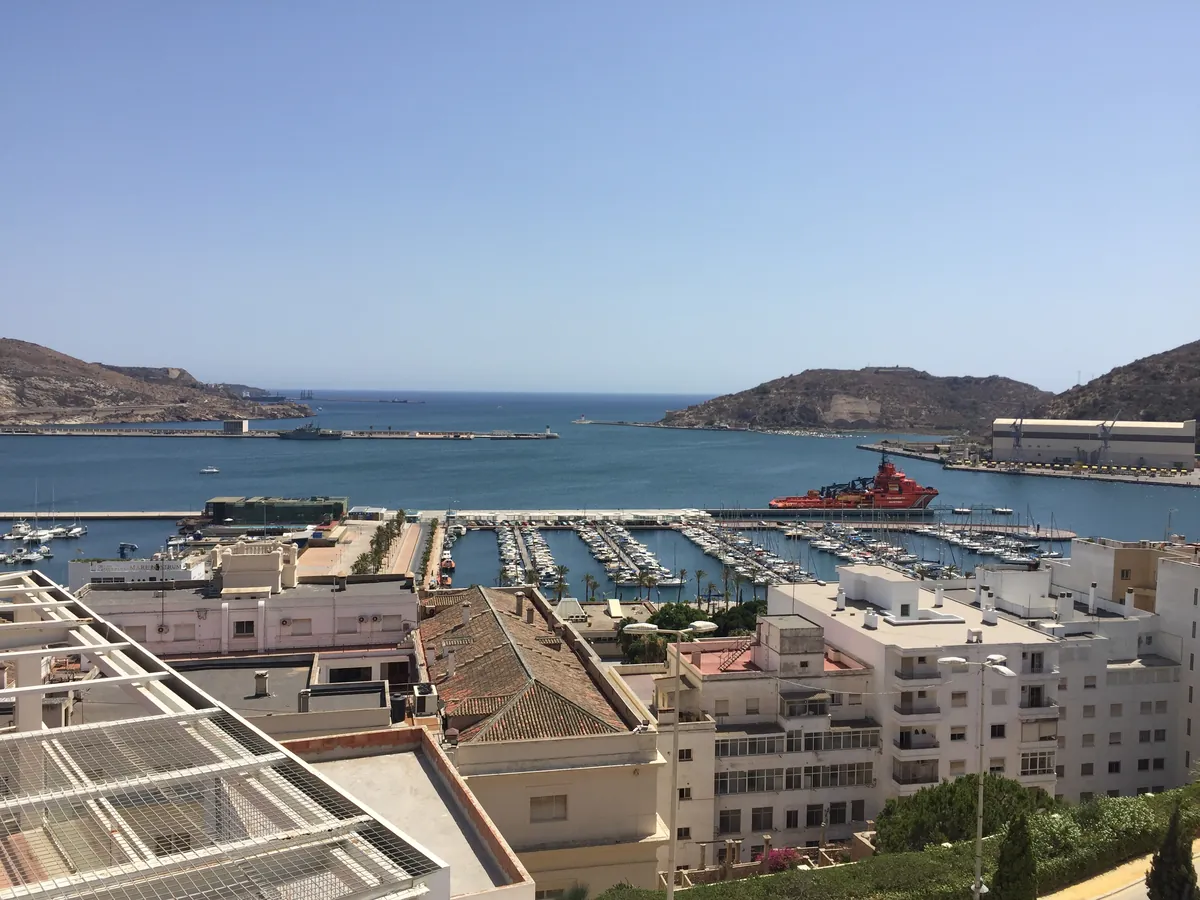
Cartagena's relationship with the sea defines everything. The deep natural harbour, sheltered by surrounding hills, first attracted traders from Carthage. Today it's Spain's main naval base, home to submarines and frigates that share anchorage with fishing boats and pleasure craft. Walking the harbourfront at sunset, you'll see naval officers jogging past families feeding the gulls, while super-yachts bob beside rusting patrol boats.
The harbourfront Paseo Alfonso XII makes an ideal evening promenade. Start at the striking ARQUA museum, Spain's national centre for underwater archaeology, where Phoenician anchors and Roman merchant cargo tell stories of ancient shipwrecks. The building itself—contemporary glass and steel—reflects both the water and the 18th-century arsenal opposite. Entry costs €3, but the real value lies in understanding how the Mediterranean connected rather than divided ancient civilisations.
Continue west to the replica of the first practical submarine, built by local engineer Isaac Peral in 1888. British visitors often express surprise at finding such maritime innovation in what's supposedly a provincial Spanish city. The submarine sits in dry dock, its brass conning tower gleaming like something from Jules Verne. It's a reminder that Cartagena's naval significance continued long after Rome fell.
Roman Ghosts and Modernist Dreams
The Roman Theatre lay buried for centuries beneath a cathedral, neighbourhood and bullring. Discovered accidentally in 1988 during building works, its resurrection has transformed understanding of Roman Spain. The attached museum, carved ingeniously into the hillside, reveals how Cartagena—then Carthago Nova—became one of imperial Rome's most important Mediterranean ports.
The theatre itself seats 6,000, slightly smaller than Mérida's more famous version but in many ways more atmospheric. Visit late afternoon when stone glows golden in the setting sun, and you might have the ancient auditorium almost to yourself. The €12 joint ticket includes entry to several other sites, making it reasonable value compared to Italian equivalents.
But Cartagena isn't just Roman. The early 20th-century mining boom financed a rash of modernist architecture that rivals Barcelona's more famous examples. The Gran Hotel, built in 1916 for wealthy mine owners, now houses the tourist office—staff will point out the building's original Otis lift, still working perfectly. Nearby, the Palacio Aguirre's elaborate facade hides the Region of Murcia's modern art collection, free to enter and mercifully cool during summer heat.
The modernist route, clearly signposted throughout the old town, reveals how industrial wealth transformed a provincial port into a showcase for Catalan modernism. Casa Cervantes, with its curved balconies and floral mosaics, currently houses law offices—receptionists seem accustomed to architecture buffs peering through the door.
What the Sea Provides
Cartagena's cuisine reflects its harbour heritage, but with distinctions that surprise visitors expecting generic Spanish fare. The local caldero, a fish and rice stew, uses rock fish caught in depths surrounding the city. It's closer to kedgeree than paella, with saffron rice and garlic creating something both familiar and exotic. Most restaurants will prepare half portions for British appetites—ask for "media ración".
Morning visits to the Mercado de Santa Florentina reveal the daily catch arriving straight from boats. Octopus, red prawns and obscure Mediterranean fish create a kaleidoscope of marine life that puts British supermarket fish counters to shame. Upstairs café does excellent toasted sandwiches for less adventurous eaters, while the market's atmosphere provides free entertainment.
For proper local atmosphere, try El Soldadito de Plomo on Calle Jara. Despite the English menus, this remains firmly Spanish—office workers queue for tables at 2 pm sharp, and the wine comes in proper 125ml measures rather than trendy large glasses. Their grilled squid with alioli costs €8 and demonstrates why simple Spanish cooking beats elaborate fusion every time.
Beyond the Centre
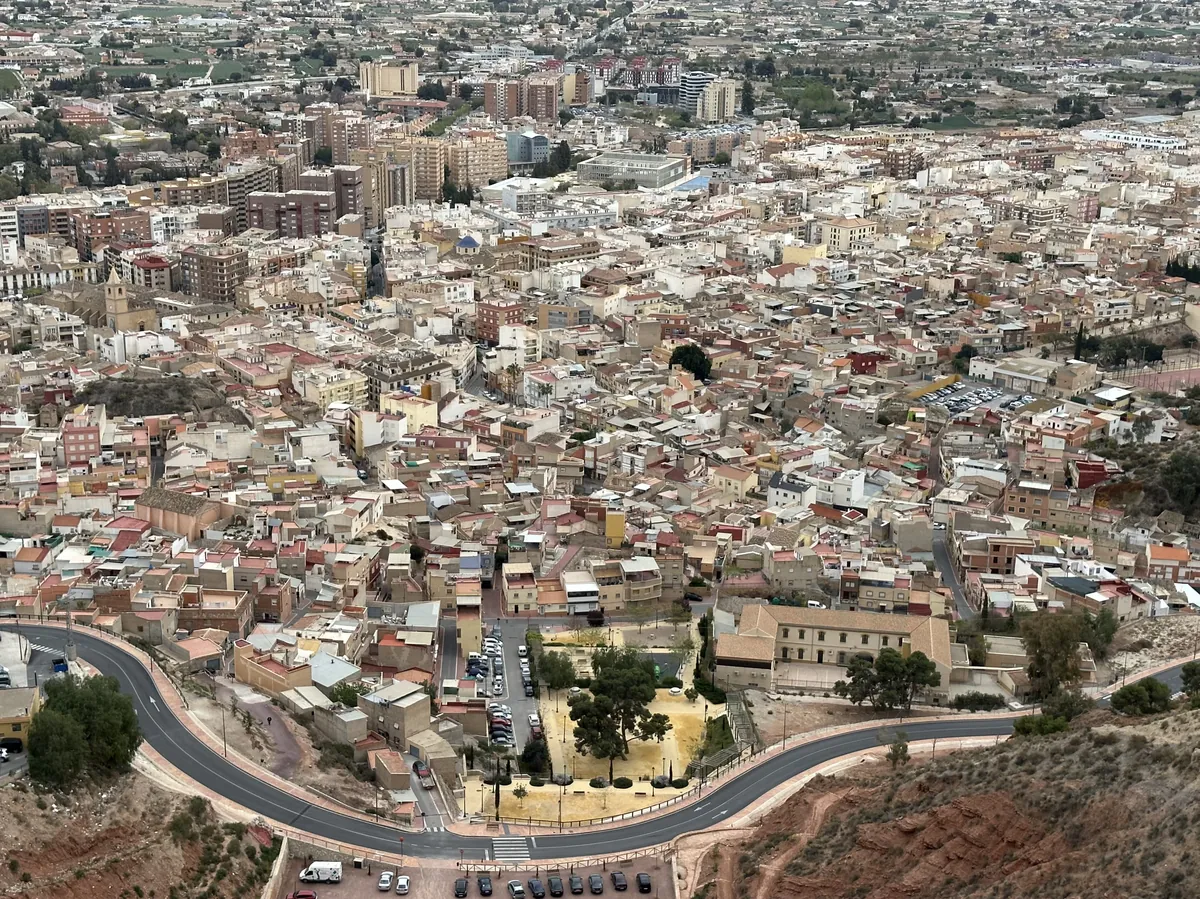
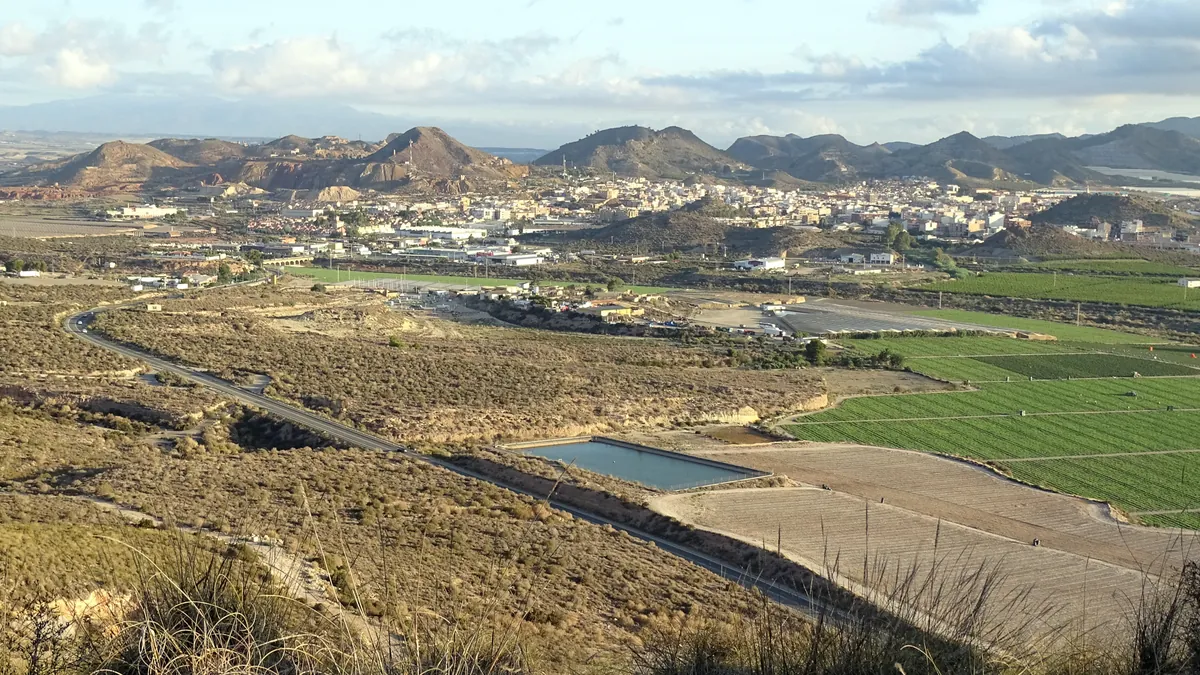
Cartagena's compact centre rewards walking, but surrounding hills hide surprises worth the effort. The Castillo de la Concepción, reached by free lift from Calle Gisbert, offers panoramic views across harbour, city and naval dockyards. On clear days you can see the Sierra Minera, copper-coloured mountains that funded the city's modernist splendour. The castle's interpretation centre tells Cartagena's story through interactive displays that avoid the usual historical overload.
More energetic visitors can tackle the Batería de Castillitos, 20 kilometres west in the Cabo Tiñoso natural park. This bizarre 1930s fortress, built to resemble a medieval castle but housing massive naval guns, seems straight from a Bond film. The drive involves winding mountain roads, but the reward includes spectacular Mediterranean views and almost guaranteed solitude—Spanish visitors seem unaware it exists.
Back in town, the Civil War shelter museum provides sobering contrast to ancient grandeur. These tunnels, dug into the castle hill, protected citizens from bombing during Spain's 1936-39 conflict. Guided tours (€5, hourly) reveal how ordinary people survived the first systematic aerial bombardment of a civilian population—experiences that resonate with British understanding of WWII's Blitz.
Practical Realities
Cartagena works best as a shoulder-season destination. July and August temperatures regularly exceed 35°C, turning city exploration into an endurance test. October and April offer perfect walking weather, while winter remains mild enough for outdoor cafés—though you'll need a jacket after sunset.
Monday closures affect most museums—a frustration for weekend visitors. Plan accordingly: Mondays work well for harbour walks, market visits or trips to nearby beaches. The nearest decent beach, Cala Cortina, sits four kilometres from the centre—local buses run hourly, or taxis cost around €8.
Cruise ships transform the city twice weekly during season. When 3,000 passengers disembark, restaurant queues lengthen and that perfect theatre photo becomes impossible. Check Cartagena's port schedule online—avoiding cruise days transforms the experience from crowded to civilised.
The city lacks the purpose-built tourist infrastructure of Alicante or Málaga, which many British visitors actually prefer. You'll find proper supermarkets (Mercadona on Avenida Reyes Católicos remains open all day), locals who don't speak fluent English, and prices that haven't been inflated for tourists. A coffee still costs €1.50 at most bars—half Costa del Sol prices.
Cartagena won't suit everyone. Beach lovers should head elsewhere—the harbour's industrial significance means sandy stretches require travel. Those seeking non-stop nightlife might find evenings quiet once restaurants close. But for travellers interested in history that feels alive, food that reflects place, and Spanish culture undiluted by mass tourism, this ancient port delivers something increasingly rare on the Mediterranean coast: authenticity without austerity, culture without crowds, and enough surprises to make that Roman theatre discovery feel like your own personal archaeological find.