Full Article
about Cehegín
Hide article Read full article
Begastri and the logic of the land
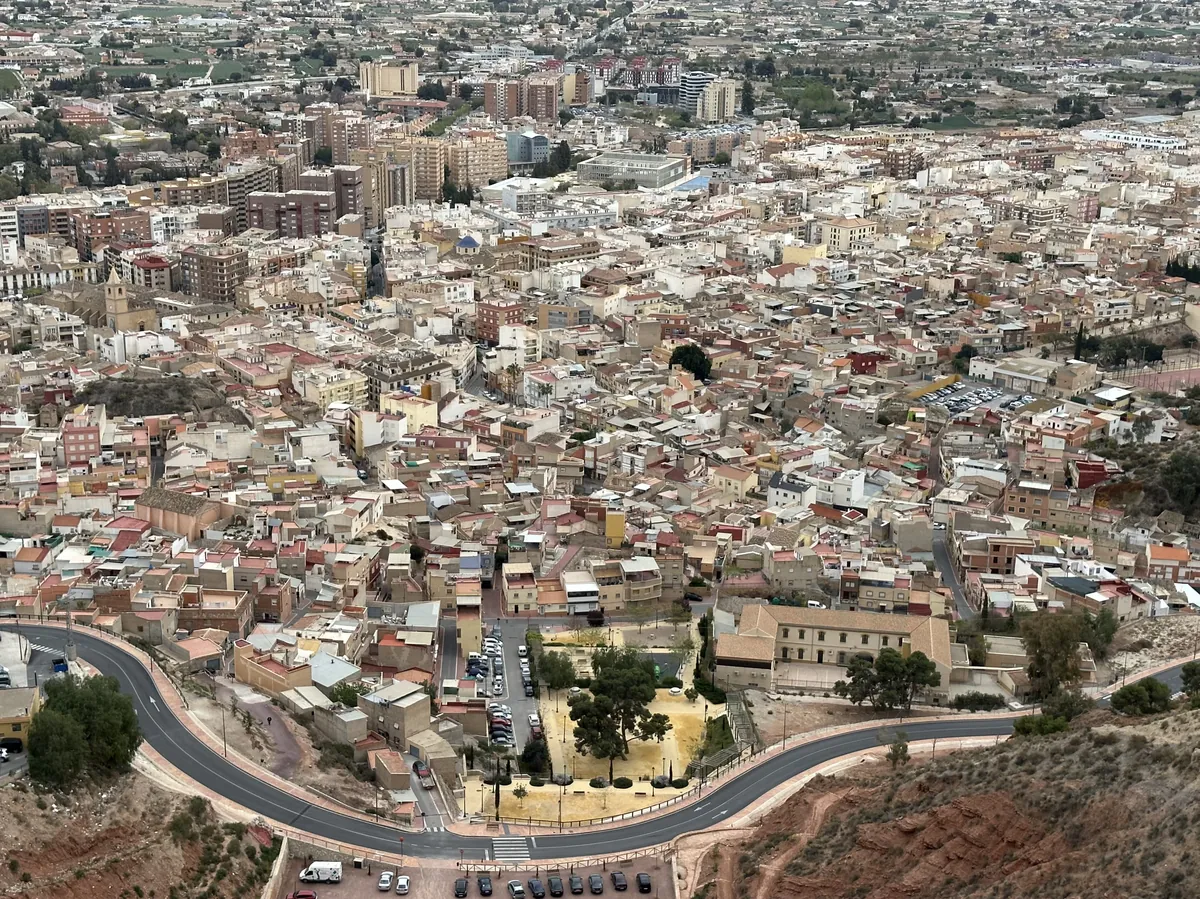
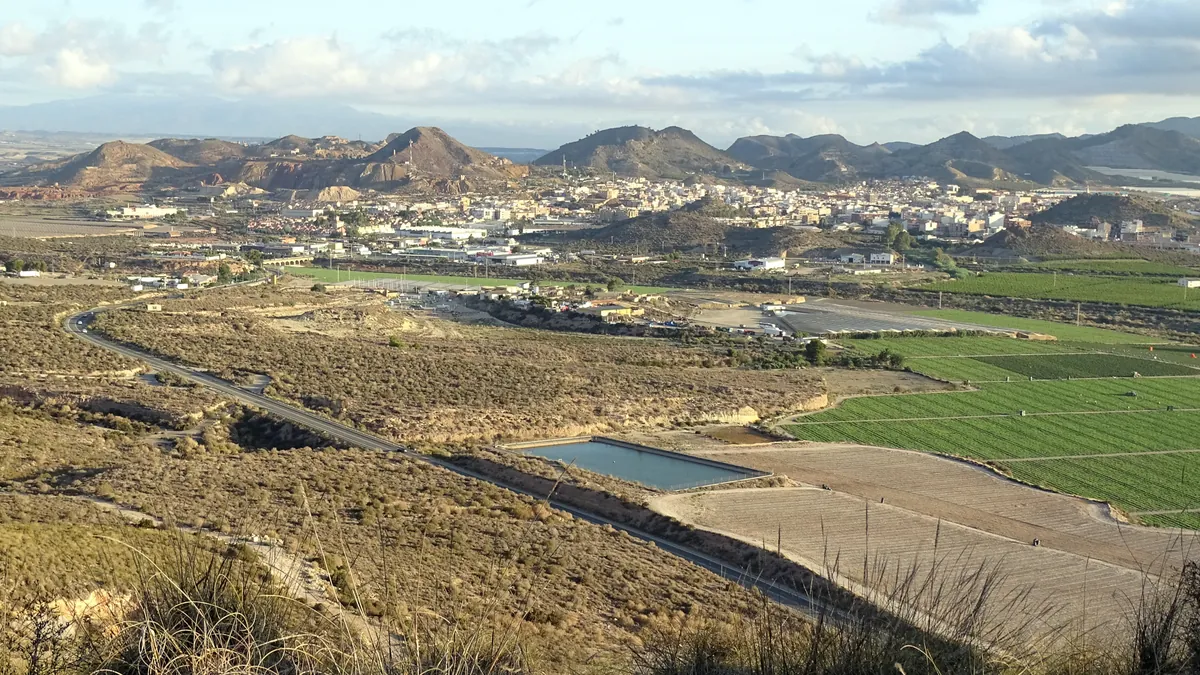
The archaeological site of Begastri carries the scent of rosemary and layered history. From its summit, where the Visigoths built a cathedral in the 6th century, the view opens over the Argos valley. In the distance, Cehegín appears white against the mountains. Below, houses cluster tightly along the slope, drawn to its protection. The settlement on the hill declined; the one below endured. That contrast defines Cehegín: geography has always dictated where people live.
Begastri was no minor outpost. It became an episcopal seat following the Council of Toledo in 589, during a period when the Iberian Peninsula was shifting from Arianism to Catholicism. Today, it is possible to walk among its rock-cut basilicas and see the stone benches where bishops once sat. The city included baths, a necropolis and defensive walls that still trace its outline.
The path from Cehegín to the site stretches for three kilometres, steadily uphill. Carrying water is essential, particularly in summer, when the Sierra de Burete traps the heat. The climb clarifies why Romans, Visigoths and Muslims all fought over this hill. It commands a natural route between coast and interior and secures access to water from the Argos river.
Noble houses and enduring stone
Modern Cehegín took shape after the Christian conquest of 1243, when the Order of Santiago assumed control of the area. Its most notable urban development came between the 16th and 18th centuries, driven by irrigated agriculture and trade. The result is a concentration of more than thirty noble houses within an urban layout of barely two kilometres.
Walking through the old quarter reveals coats of arms carved into façades. The Casa de las Columnas was once home to General Juan Mellado, a key local figure in the late 19th century. In the Palacio de los Fajardo, 16th-century wooden ceilings still retain their original polychrome decoration. Nearby, the Convento de San Esteban, founded by Philip II in 1566, preserves its ribbed vaults and wooden choir. It functioned as a cloistered religious centre until the disentailment of 1836, when church properties across Spain were confiscated and repurposed.
Older still is the Muslim wall, which continues to support the Torre del Pozo. This structure descends forty metres and connects to an underground watercourse, a reminder of how vital water management was in earlier centuries.
The story of the Virgen de las Maravillas
In 1725, a native of Cehegín who had made his fortune in Italy returned from Naples with a cedar wood carving of the Virgin. Oral tradition recounts that, during its journey by mule, the animal stopped in the town and refused to go any further. This was taken as a sign that the image should remain there. Four years later, in 1729, the bishop declared her patron saint.
The hermitage that houses the Virgen de las Maravillas stands outside the old quarter. Each year on 8 September, the town celebrates its patronal festival. During these days, local life revolves around this devotion, shaping both the rhythm and atmosphere of Cehegín.
Cooking from the interior
Cehegín’s cuisine reflects its inland setting. Dishes are rooted in pastoral life and the resources of the surrounding hills. Ajo de Cehegín is a garlic soup with a poached egg, simple in origin and closely tied to shepherd traditions. Michirones, a stew of dried broad beans with chorizo and ham, are commonly prepared for festive occasions. Gazpachos jumillanos, made with game such as rabbit, speak to the hunting culture of the sierra.
During Semana Santa, it is typical to eat caldo de cardo, a traditional broth served before processions begin. Sweets rely heavily on almonds. Mantecados baked in wood-fired ovens and almond-based pastries known as almendrados continue recipes that originated in convent kitchens.
Paths around Cehegín
Cehegín lies at the foot of the Sierra de Burete, and its surroundings are shaped by routes that vary in difficulty and landscape. The Ruta de las Cumbres covers around twelve kilometres and climbs to 1,200 metres. Along the way stands an 18th-century snow store, once used to preserve ice. From the upper viewpoint, the valley stretches as far as Caravaca.
The Ruta de las Ermitas links five Renaissance hermitages encircling the town. Over eight kilometres, it offers a way to observe local religious architecture within its landscape context. For a gentler option, the Camino del Río Quípar follows the riverbed for six kilometres. The terrain here shifts markedly depending on the season and rainfall, altering both the appearance and experience of the route.
Getting there and timing a visit
Cehegín is about an hour from Murcia via the A-30 and half an hour from Caravaca. Access is only by road. For those heading into the old quarter, parking in the upper area near the castle helps avoid the steepest streets.
September brings increased activity due to the patronal festivities and the grape harvest. October sees another busy period with the Mercado Medieval. In summer, visiting Begastri early in the day helps avoid the strongest heat. One day is enough to explore the old quarter and the archaeological site. With two days, there is time to add a walking route and experience the local cooking shaped by the sierra.