Ceutí - Flickr
Región de Murcia · Orchards & Mediterranean

Ceutí

The irrigation channel running behind Calle Mayor carries more water than some British rivers, yet it’s only one of dozens that keep Ceutí’s market...

13,089 inhabitants · INE 2025
62m Altitude

Why Visit

Best Time to Visit

summer

April Festival abril

Festivals
& & Traditions

Fecha abril

Fiestas de Abril, San Roque

Las fiestas locales son el momento perfecto para vivir la autenticidad de Ceutí.

Full Article
about Ceutí

Ocultar artículo Leer artículo completo

The irrigation channel running behind Calle Mayor carries more water than some British rivers, yet it’s only one of dozens that keep Ceutí’s market gardens alive. At 62 m above sea level the village sits low enough for gravity-fed acequias to work, but high enough that the night air carries a clean, loamy smell of tomato leaf and wet earth. In April the scent competes with orange-blossom from groves that press right up to the back gardens; by August it’s overridden by diesel from the refrigerated lorries that haul lettuces to Mercadona before dawn.

A town that forgot to grow up

Ceutí never quite committed to the 21st century. Population has hovered around 13,000 for three decades, the industrial estate on the western bypass remains half-empty, and the weekly market still blocks Calle San Francisco every Tuesday morning. The result is a place where you can buy a kilo of freshly-picked coriander for 80 céntimos, then watch the farmer who grew it queue for lottery tickets in the same bar where you eat breakfast.

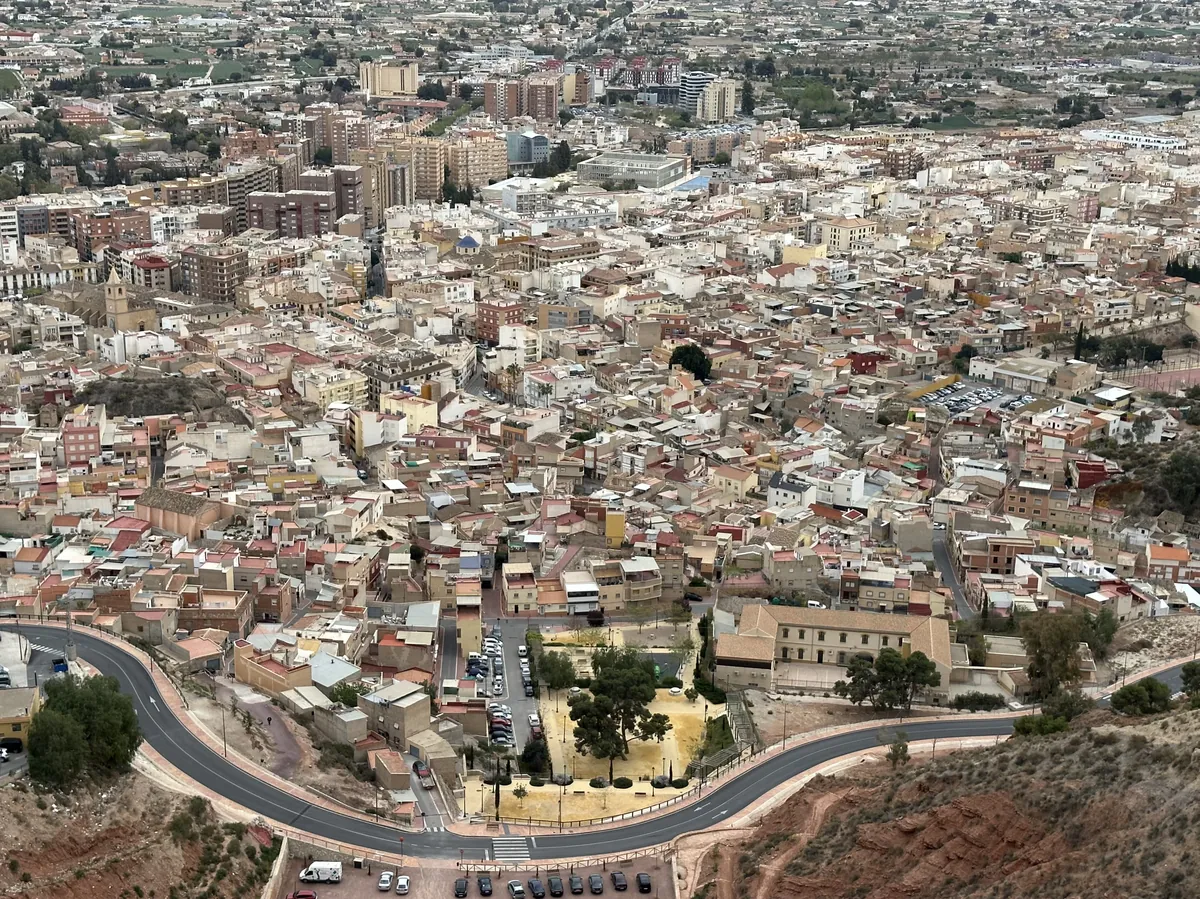
The centre is a grid of single-lane streets wide enough for a donkey cart but not for two SUVs. House walls are whitewashed annually, yet nobody bothers to scrub off the black drip-marks beneath the window-sills; they know the dust will be back next week when the poniente wind blows across the huerta. Iron balconies sag under pots of geraniums, satellite dishes point skywards like optimistic flowers, and every third doorway hides a corrala – a Moorish-style courtyard where washing flaps above a chipped stone well.

There is no cathedral, no castle, no Instagram-ready viewpoint. Instead you get the Iglesia de Nuestra Señora de los Remedios, an 18th-century rebuild whose brick bell-tower leans 12 cm off vertical thanks to the 1829 earthquake. Inside, the retablo is carved from poplar painted to look like marble; the trompe-l’oeil fooled nobody even in 1785, but the parish keeps it because replacing it would feel like admitting defeat.

Eating what the field hands eat

British visitors expecting Andalusian tapa culture are quietly surprised. Ceutí runs on menús del día and cider-by-the-litre, not on miniature plates and Rioja. At El Albero (Calle Mayor 36) the €12 weekday menu starts with zarangollo – scrambled eggs and onion marrow so finely diced it resembles risotto – followed by conejo al ajo cabañil, rabbit simmered until the garlic cloves dissolve into gravy. Ask for “medium” and the waiter will look baffled; rabbit is either done or it isn’t.

La Casa Pintada, five doors down, is more forgiving to cautious palates. The house wine comes in unlabelled bottles, tastes like alcoholic Ribena, and costs €2.50. They’ll happily serve half-raciones of grilled pork alongside chips and a salad of iceberg and tinned sweetcorn if the thought of michirones (stewed dried fava beans with pig’s ear) makes you blanch.

Evening choice is limited: twelve restaurants in total, three of which are pizzerias. Locals treat dinner as an afterthought; field workers eat at 14:00, then again at 06:00 next morning. Plan accordingly, or drive ten minutes to Archena where the Balneario hotel does a respectable lamb shoulder.

Walking the grid, then the grove

Ceutí is walkable end-to-end in twenty minutes, but the interesting bits lie outside the tarmac. From the petrol station on the RM-554 a dirt track heads south-east along the Segura river for 4 km to the Cañón de Archena. The path is dead-flat, shared with irrigation quadbikes, and shaded by eucalyptus that smell like cough drops in the heat. Kingfishers flash turquoise above the water; farmers wave from tractors as they check water gauges.

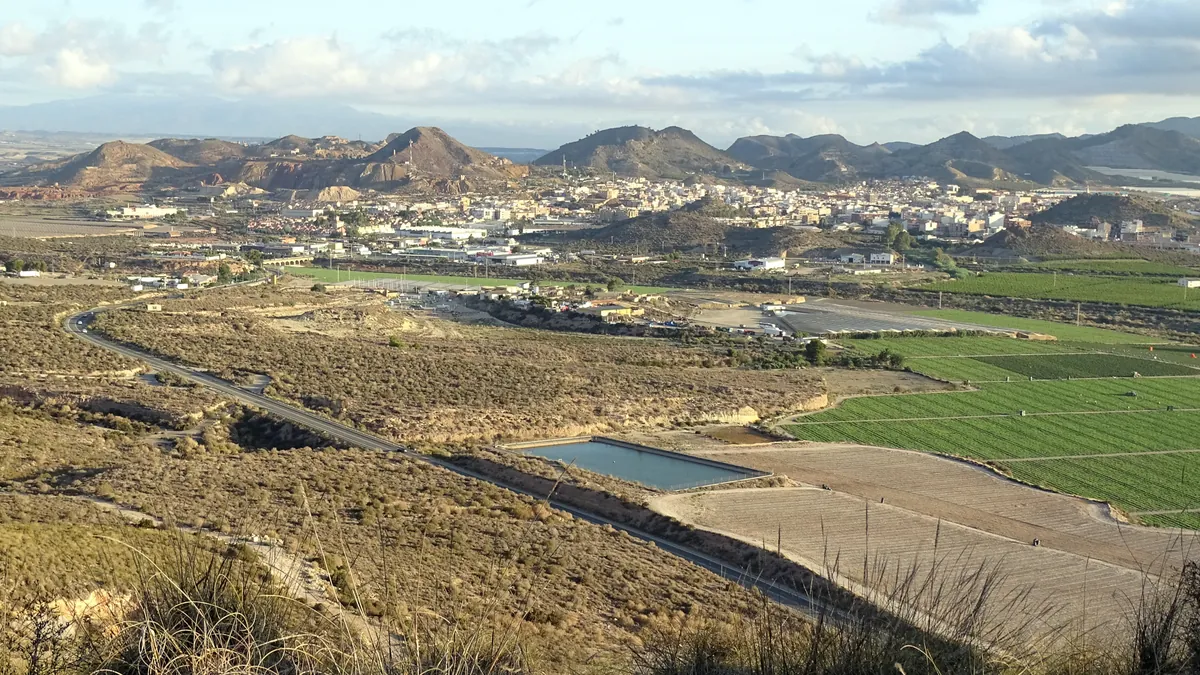
If you want elevation, you’re in the wrong village. The nearest hill is at Mula, 20 km away. What Ceutí offers instead is geometry: mile after mile of rectangular plots bordered by reeds, each one planted with a different shade of green – lime-coloured lettuces, bottle-green artichokes, the grey-green fuzz of transplanted broccoli. Spring brings the highest contrast; by late July everything is baked to the same khaki unless sprinkler systems are running.

Fiestas where the volume knob goes to eleven

The September feria honours the Virgin of Los Remedios with nine days of processions, brass bands and fairground rides that block the bypass. Thursday night is the “verbena popular”, a concept best explained as a town-wide lock-in. Bars set up trestle tables on the street, serve unlimited beer and stewed snails for €10, and rotate through three decades of Spanish pop until the Guardia Civil remind them it’s 05:00. Bring earplugs and a tolerant attitude towards reggaeton.

Semana Santa is quieter but more surreal. On Good Friday the Cofradía del Cristo de la Sangre carries a 17th-century carving of the crucified Christ through streets carpeted with dyed sawdust pictures. Locals spend all night creating the carpets; brass bands obliterate them in seconds. By British standards the spectacle is small-scale – only three pasos – yet the crowd density rivals Borough Market on a Saturday. Arrive an hour early or you’ll see only the backs of heads.

Getting here, staying here, surviving August

Murcia-Corvera airport is 35 km south-west; flights land from sixteen UK airports from March to October. Car hire is almost compulsory – the MonBus service from Murcia city runs eight times daily but the last return leaves at 20:30, long before Spaniards consider dinner. Taxis from the airport cost €50–60 pre-booked; Uber exists but drivers rarely stray this far inland.

Accommodation is a one-horse race: Hotel Villa Ceuti has eighteen rooms above the main square, two stars masquerading as three. Rooms are clean, tiled, and equipped with air-con units that sound like jet turbines; request the rear (quieter) side or accept that you’ll wake when the church bells strike seven. Double rooms start at €55 in low season, nudge €80 during feria. Breakfast is toast, processed cheese and coffee from a push-button machine – walk fifty metres to Cafetería Lola instead for proper espresso and a tostada slathered with fresh tomato and olive oil.

August is brutal: 35 °C by 11:00, 25 °C at midnight, and a mosquito population that regards DEET as seasoning. Many British visitors flee to the coast; those who stay learn to emulate the locals and simply stop moving between 13:00 and 19:00. The municipal pool charges €3 for a day ticket and stays open until 22:00; it’s the only place in town where you’ll hear more English than Spanish.

When to come, and when to leave

March delivers almond blossom and daytime highs of 20 °C; farmers prune peach trees and the weekly market smells of wild fennel. October is warmer than a British July, but nights drop to 14 °C so you can sleep with the window open. Both months let you experience the huerta without the furnace.

Stay three nights maximum unless you have a specific interest in irrigation hydrology or need a base for visiting Murcia’s capital without city-centre prices. Eat where the tractor is parked outside, drink the house wine even if it reminds you of university parties, and accept that nothing monumental will happen. Ceutí offers a snapshot of how most inland Spaniards actually live: early starts, cheap coffee, and a stubborn refusal to tart the place up for passing trade. Take it or leave it – the villagers are perfectly happy either way.

Key Facts

Region
Región de Murcia
District
Región de Murcia
INE Code
30018
Coast
No
Mountain
No
Season
summer

Livability & Services

Key data for living or remote work

2024
ConnectivityFiber + 5G
TransportTrain nearby
HealthcareHealth center
EducationHigh school & elementary
Housing~5€/m² rent · Affordable
CoastBeach nearby
Sources: INE, CNMC, Ministry of Health, AEMET

Planning Your Visit?

Discover more villages in the Región de Murcia.

View full region →

More villages in Región de Murcia

Traveler Reviews