Full Article
about Fortuna
Hide article Read full article
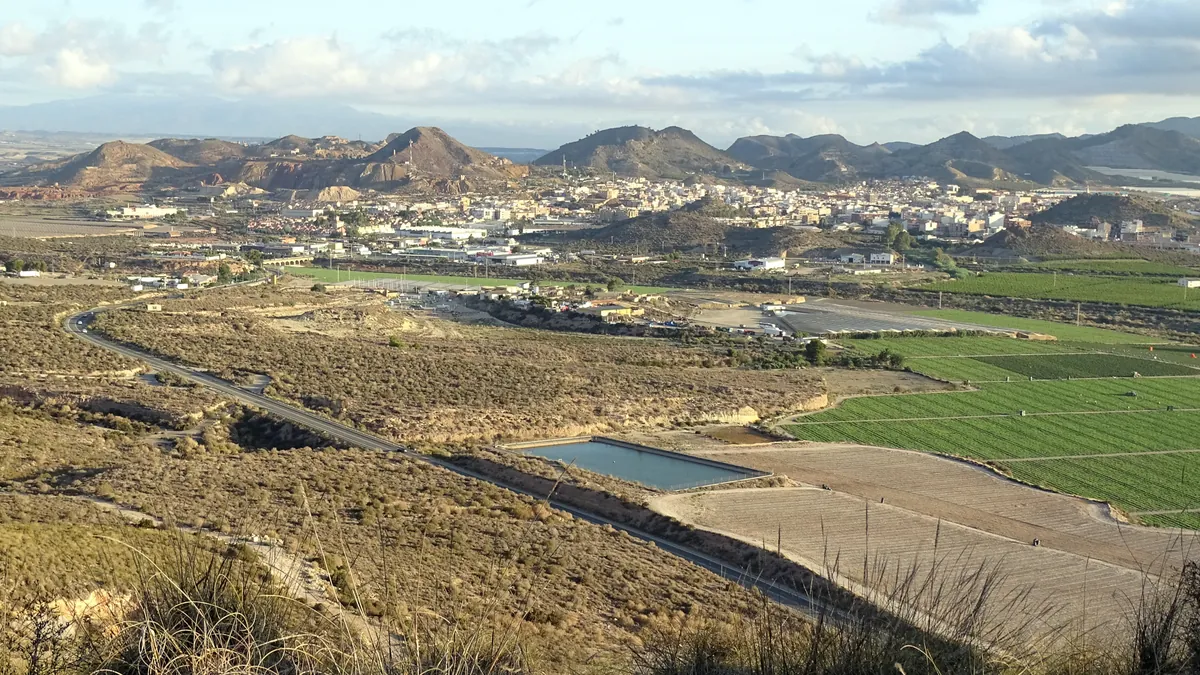
Fortuna feels like that friend who never dresses up for the party but always ends up having the best stories. It’s an inland town in the Region of Murcia, comfortably off the main tourist trails. For over two thousand years, its main character has been hot water. Romans soaked here, and the same spring still rises warm from the ground, completely indifferent to whether anyone shows up or not.
The place has personality. It feels like it could spin you a tall tale, but its best story is actually true. Under a pretty ordinary surface lies a long history of thermal baths and daily rituals built around water that smells of sulphur and does something for your aches.
The business of bathing
You notice the balneario first. This isn't a minimalist spa. Fortuna’s version comes from another time: functional tiles, an air that mixes chlorine with decades of use, and a rhythm that hasn't changed much. The original Roman baths are still down there underneath, which is a better pedigree than most towns get.
The routine is simple. You get into sulphurous water that carries that distinct eggy smell. You give it a minute and stop noticing. The heat sits around 36 degrees, just enough to loosen things up. When you get out, your back might feel better, or maybe you just feel slower and heavier in a good way. The heat and the quiet work together. Your to-do list fades out for a while.
Old words on a cave wall
Not far from town is the Cueva Negra. The name sounds grand, but its past is Roman. This cave was a sanctuary for rituals, often about health or making promises. People left inscriptions on the walls.
The messages are personal stuff. Think “I was here” or “I pledge this,” but in careful Latin handwriting. It’s surprisingly familiar across all those centuries. The worries people carved are easy to understand, even if the language isn't.
Getting there is easy, but respect the context. Inland Murcia in summer is serious business. The heat sits on the landscape like a weight. Bring more water than you think you need if you go between June and September.
Festivals with tunics and noise
Fortuna’s calendar has events that play with history without taking it too seriously. The third weekend of August brings the Sodales Íbero-Romanas. It looks like a carnival where everyone wears tunics instead of sequins. There are mock battles in the street where nobody seems too concerned about historical accuracy.
There is also beer, which feels right. The Romans had their own version too.
Then comes San Roque with its procession and its traca, a long line of firecrackers that delivers a shocking, relentless crackle. Locals will tell you theirs is the loudest in the region. It’s not worth arguing; you’ll be too busy covering your ears.
Eating for stamina
The food here is straightforward and filling. The main event is gazpacho jumillano. Forget cold tomato soup; this is a hot stew of rabbit and vegetables that occupies your entire stomach. It’s a dish that makes a siesta feel like medical advice.
Zarangollo offers a quieter moment—just scrambled courgette and onion, soft and comforting. Then there are migas ruleras, made from stale bread fried with garlic and pancetta. It’s dense, powerful food that explains how people worked hard fields all day. Eating it for breakfast would require a two-hour cooldown period.
For sweetness, try roscos de vino. They’re firm at first bite, almost challenging. Their appeal is persistent though; one helps you understand them, and you often eat a second without really deciding to.
A town that gets on with it
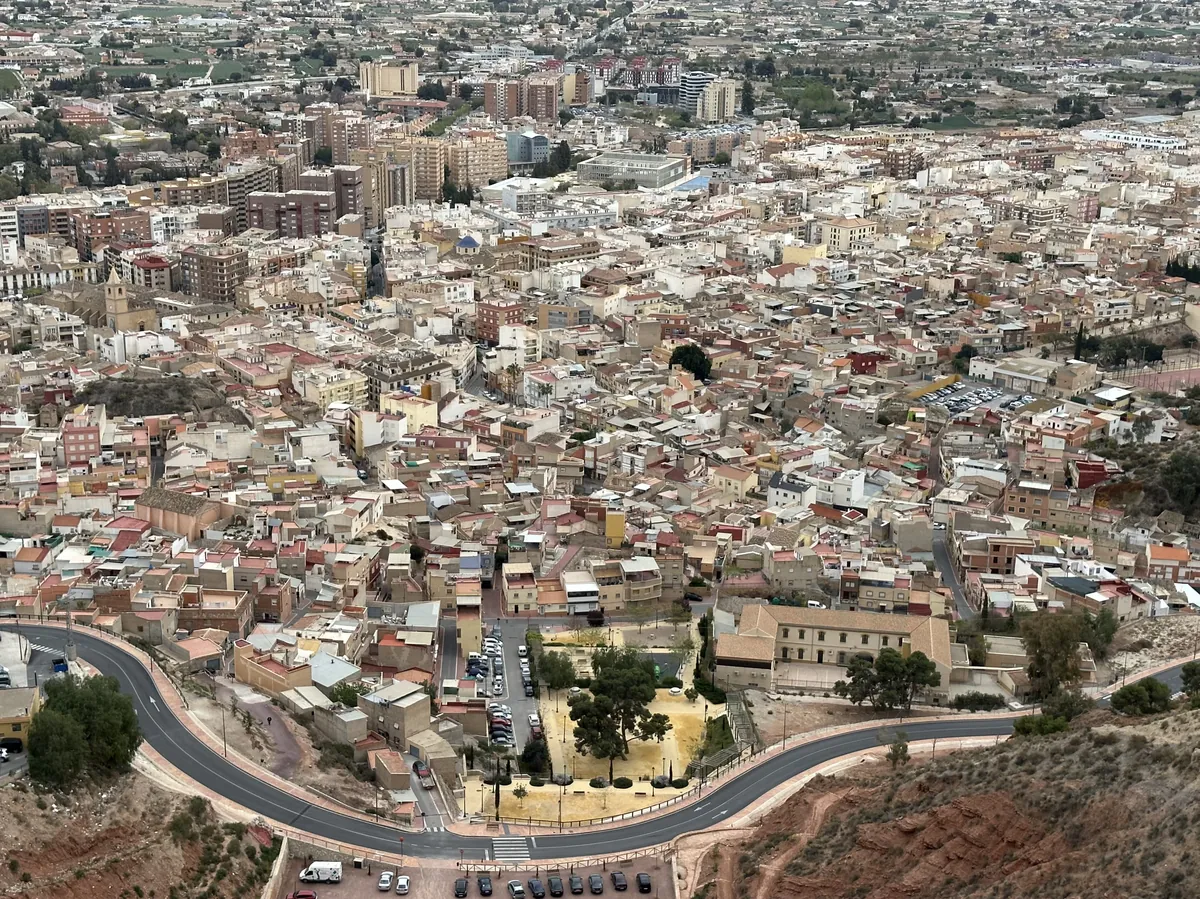
Fortuna isn't set up for tourism. There's the balneario, some rural houses to stay in, and not much in the way of visitor infrastructure. You won't find rows of souvenir shops. You will find normal life: people in the plaza, conversations floating from balconies, a pace that isn't rushed.
The feeling is uncurated. The place carries on whether you're looking or not. That can be refreshing. There's space to just be without everything being staged for you.
The best time to come is between October and May. The temperatures make sense then. August has the festivals but also punishing daytime heat. The nights bring relief and a different energy.
After dark, you can sometimes follow a route based on local legends. They'll tell you stories, like one about a doctor here so famous that King Alfonso XIII stopped by in 1925. Officially it was about horses. Unofficially? Maybe the king needed his own aches seen to. The story lives somewhere between fact and gossip, which fits Fortuna perfectly.
Finding your way there
You take the A-7 and then turn off onto a road that feels like it leads to more nowhere. For a second you might wonder if your GPS has given up. Then you start to notice things.
The smell of lemon trees cuts through the dry air. Voices carry across the street, loud one moment, laughing the next. You park near the square and realize this isn't a place built for your visit. It's just living its life, and you're welcome to join in for awhile