Jumilla - Flickr
Región de Murcia · Orchards & Mediterranean

Jumilla

The castle gates are padlocked. Again. It's half past eleven on a Tuesday morning and the fifteenth-century fortress that crowns Jumilla stands emp...

27,574 inhabitants · INE 2025
510m Altitude

Why Visit

Best Time to Visit

summer

Holy Week abril

Festivals
& & Traditions

Fecha abril

Semana Santa, Fiestas de la Vendimia

Las fiestas locales son el momento perfecto para vivir la autenticidad de Jumilla.

Full Article
about Jumilla

Ocultar artículo Leer artículo completo

The castle gates are padlocked. Again. It's half past eleven on a Tuesday morning and the fifteenth-century fortress that crowns Jumilla stands empty, its panoramic terraces closed to anyone unwilling to climb the steep cobbled lanes for nothing. This is the moment most visitors turn back, muttering about Spanish opening hours. Persist. The town below—sun-washed, wine-soaked, half-forgotten by the tour buses—rewards those who stay.

A Town That Forgot to Modernise

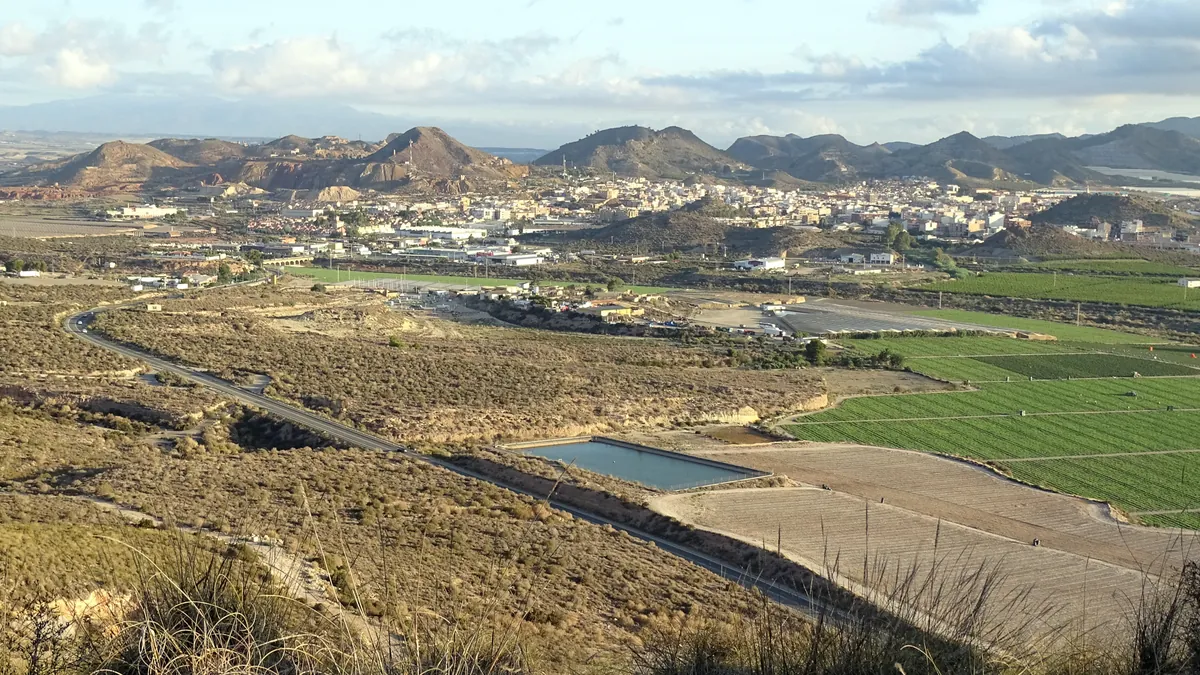
From the motorway Jumilla appears as a single sandstone wall rising from an ocean of vines. The A-31 deposits you ninety minutes inland from Alicante, then the RM-15 wriggles through almond groves until the vineyards tighten into rows so neat they look drawn with a ruler. At 510 m above sea level the air is already thinner, sharper; the Mediterranean feels like someone else’s holiday.

Inside the ring-road the medieval plan survives. Calle Canónigo Manchón narrows to the width of a single Seat Ibiza, its stone channels designed for winter torrents that rarely arrive. Laundry still hangs from wrought-iron balconies; an elderly man oils the hinges of a 1750s doorway with the same brand of olive oil he uses on salad. The impression is of a place that signed off on progress sometime around 1975 and never bothered to reschedule.

Wine Before Water

Monastrell is the local currency. The black-skinned grape covers 80% of the 25,000 ha that surround the town, and the denomination of origin is older than Rioja’s. Seventeen bodegas form the official Ruta del Vino; the unofficial number is closer to forty. Drop into Bodegas San Dionisio on Calle Rico and you’ll be handed a 2018 Altico for nothing—provided you pretend to follow the explanation of limestone soils and night harvests. Buy a bottle (€8–€12) and the tasting becomes a tutorial: how to spot the whiff of Mediterranean herbs, why the alcohol hovers at 15% without tasting hot, when to open the Reserva (answer: not yet).

English is spoken in the wineries; everywhere else you’ll need the Spanish you swore you’d brush up on. The tourist office lends out an English wine map, but the woman behind the counter warns it’s last year’s. “Some have closed, some never opened,” she shrugs. “Phone first, or just follow the smell of fermenting grapes.”

A Castle That Plays Hard to Get

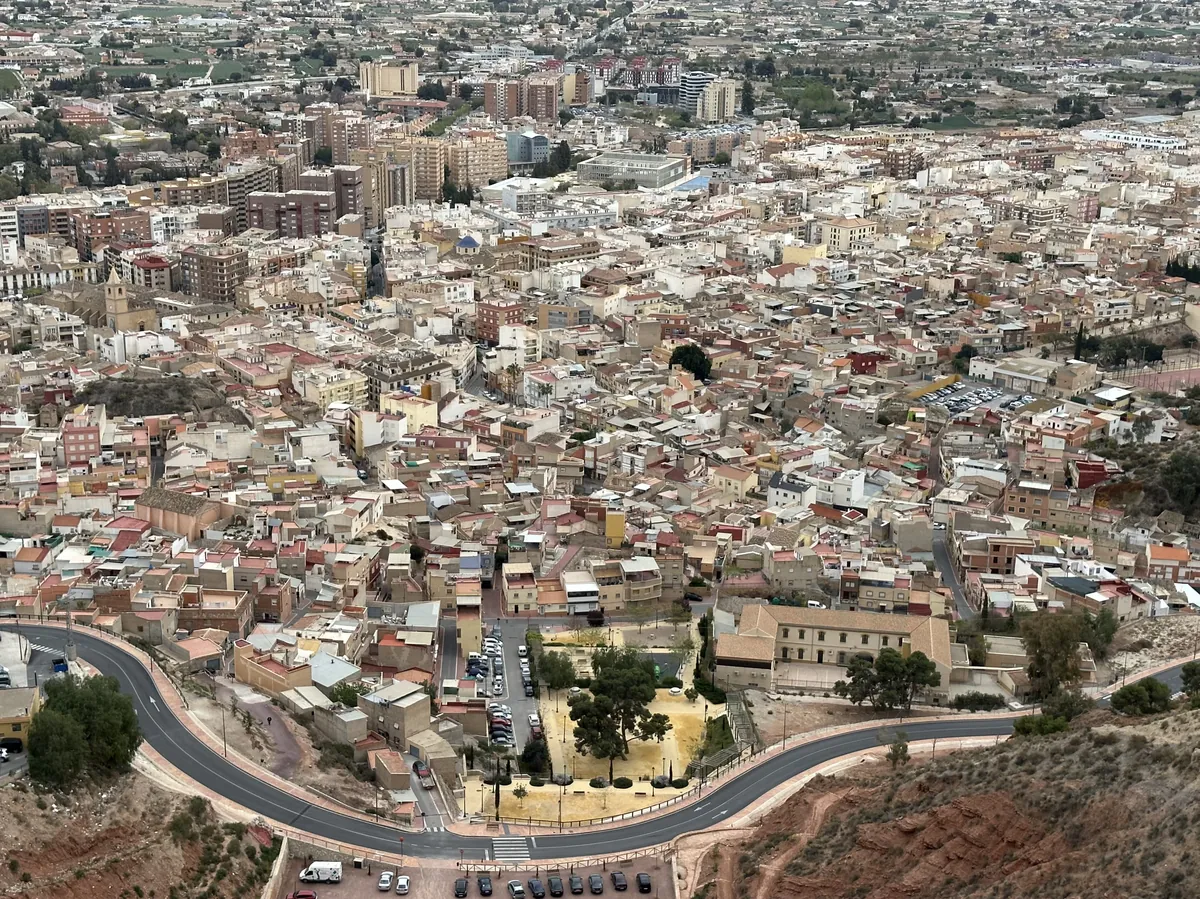
The Castillo de Jumilla was built by the Moors, rebuilt by the Christians, then left to bake for six centuries. The climb starts behind the Iglesia de Santiago: count 230 steps, turn left at the crumbling guard tower, swear softly. The reward—if the padlock yields—is a 360-degree sweep across the Altiplano murciano: silver-green vineyards, the bald dome of Sierra del Carche, the town’s terracotta roofs arranged like a mosaic dropped from a height. Gates officially open 10:00–14:00 and 16:00–18:00, but the key-holder sometimes “forgets”. Check at the ayuntamiento first; otherwise you’ll join the small crowd of locals who use the ramparts as a jogging route and regard locked doors as character-building.

Winter Sun, Summer Furnace

Continental climate is estate-agent code for “extreme”. July regularly hits 40°C; the stone walls radiate heat until midnight. Conversely, January mornings can start at –2°C and the mist lingers like a smoker’s breath. Spring and autumn are the sweet spots: daytime 22°C, nights cool enough for a jacket, skies the colour of a Wedgwood plate. Rain is scarce—300 mm a year, less than Phoenix—so paths stay dry and the risk of a washed-out picnic is negligible.

Food That Requires a Prior Fast

Jumilla’s cooking is inland Spanish: no delicate seafood, no tiny tapas. Order gazpacho jumillano and you’ll receive a bowl of game stew poured over flatbread, more rib-sticking than tomato. Gachamiga—flour, garlic, olive oil and water—arrives as a solid brick the colour of wet sand; cut it like cake and wash down with the house tinto. Pelotas con carne are fist-sized meatballs bulked out with pork liver; three constitute a main course. Vegetarians should head for the bakery instead: mantecados and suspiros (lard-and-almond shortbreads) are made by nuns in the Convento de la Encarnación and sold through a revolving wooden hatch. Knock twice, state your order, push money through the slot; change arrives blessed.

Restaurants observe siesta with religious zeal. Kitchens close by 15:30 and reopen around 20:30; if you arrive at 17:00 expecting a sandwich you’ll go hungry. Book a winery lunch—most bodegas lay on platters of local chorizo and mature sheep’s cheese that pair indecently well with their crianza. The cost is usually the price of a bottle you feel obliged to buy, making it the best-value meal on the plateau.

Walking It Off

The Sierra del Carche tops out at 1,372 m, twenty minutes’ drive on the MU-502. A tarmac road climbs to within 2 km of the summit, so the lazy can drive, walk the final ridge and still claim a mountain day. Serious hikers should park at Fuente del Pino and follow the PR-MU-6: 9 km out-and-back through Aleppo pine and thyme scrub, elevation gain 450 m, views that stretch to the marble quarries of Albacete. Take two litres of water per person; there is no café, no spring, and the only shade is a ruined 1930s ice-house used to store snow for summer sherbet.

If flat is more your style, the Vía Verde del Chicharra follows a disused railway towards Campo de Criptana. The surface is compacted limestone—fine for hybrids—and the 23 km to the windmill skyline is almost level. You’ll share the path with farmers on quad bikes and the occasional shepherd arguing with his dog; tourist traffic is non-existent.

When the Town Lets Its Hair Down

Semana Santa is a week-long negotiation of narrow streets and slow-moving processions; hotels double in price and parking becomes theoretical. Arrive instead for the Fiestas de la Vendimia, last weekend in August. The town hall ships in 30,000 litres of young wine and dispenses it free from plastic tanks in Plaza de Armas. By 20:00 the square is a purple swamp of discarded cups and ruined white shirts; by 23:00 everyone is dancing to a cover band murdering “Sweet Caroline” in Spanish accents. The next morning shopkeepers hose down the pavements and life resumes its unhurried pace.

Getting There, Getting In, Getting Stuck

Alicante airport is 91 km, Murcia-Corvera 75 km. Hire cars collect from both; public transport does not. ALSA runs one daily bus from Murcia bus station at 14:15, returning at 07:00—fine for a long weekend if you enjoy 6 a.m. starts. Otherwise you’re driving: A-31, RM-15, exit 54, follow signs for “Jumilla Centro” and ignore the sat-nav’s attempt to send you through the pedestrian zone.

Petrol is cheaper than on the coast; fill up before you leave. Parking in the old town is free blue-zone—display a cardboard clock or face a €60 fine written in rapid Biro. 4G fades once you leave the urban core; download offline maps and the winery phone numbers. If you do get stuck, the locals still practise the lost art of giving directions without Google.

Winter break? Book a casa rural with a fireplace; nights can drop to 3°C and hotel heating is optimistic. Summer? Accept that your rental will smell of sun-baked Monastrell must for the first five kilometres.

Leave before you’ve seen everything, not after. Jumilla doesn’t reveal itself in a weekend—it leaks out slowly, glass by glass, locked gate by locked gate. The castle will still be padlocked next year; the wine will still taste of thyme and iron. Some towns are destinations. Jumilla is a slow argument for staying put.

Key Facts

Region
Región de Murcia
District
Región de Murcia
INE Code
30022
Coast
No
Mountain
No
Season
summer

Livability & Services

Key data for living or remote work

2024
ConnectivityFiber + 5G
HealthcareHospital
EducationHigh school & elementary
Housing~5€/m² rent · Affordable
Sources: INE, CNMC, Ministry of Health, AEMET

Official Data

Institutional records and open data (when available).

  • Castillo de Jumilla
    bic Monumento ~0.7 km
  • Iglesia de Santiago
    bic Monumento ~0.4 km

Planning Your Visit?

Discover more villages in the Región de Murcia.

View full region →

More villages in Región de Murcia

Traveler Reviews