Full Article
about La Unión
Hide article Read full article
A landscape shaped by extraction
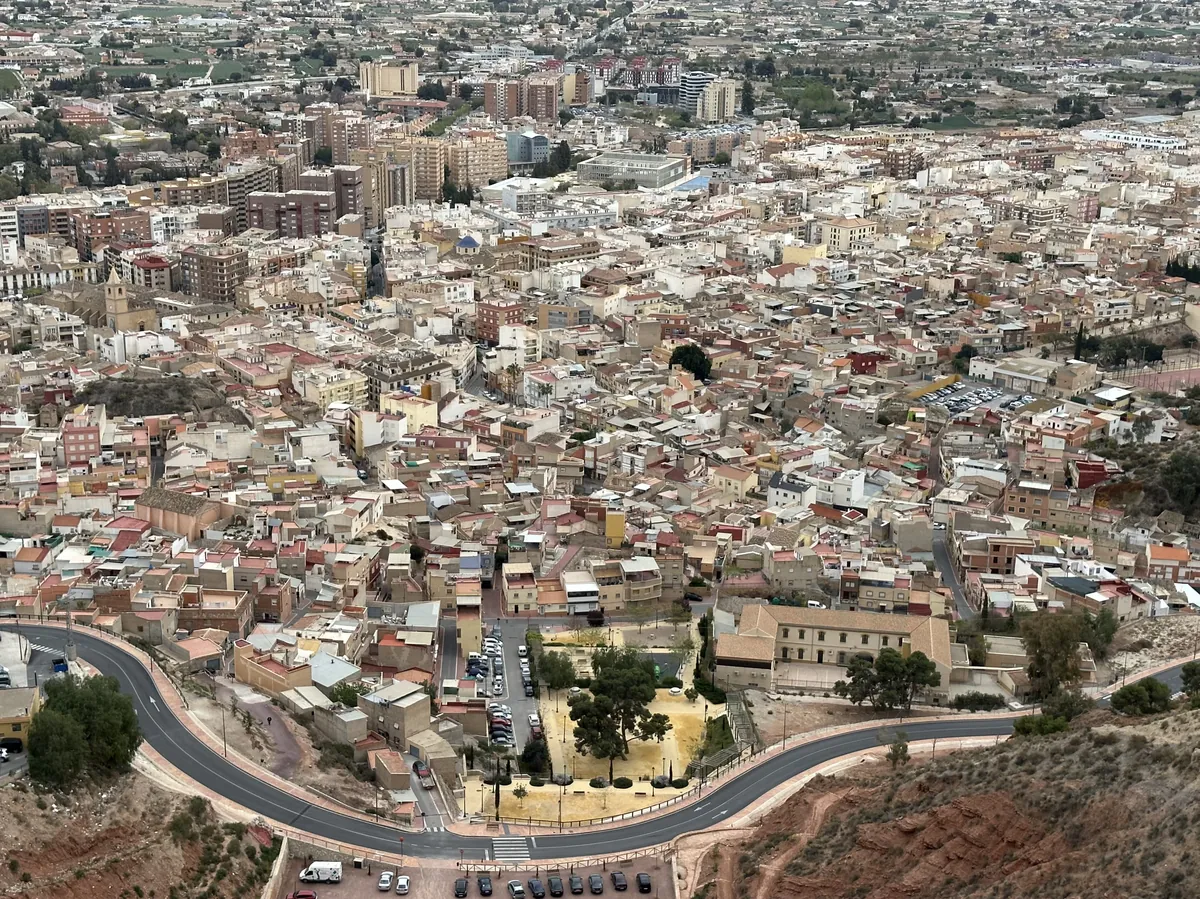
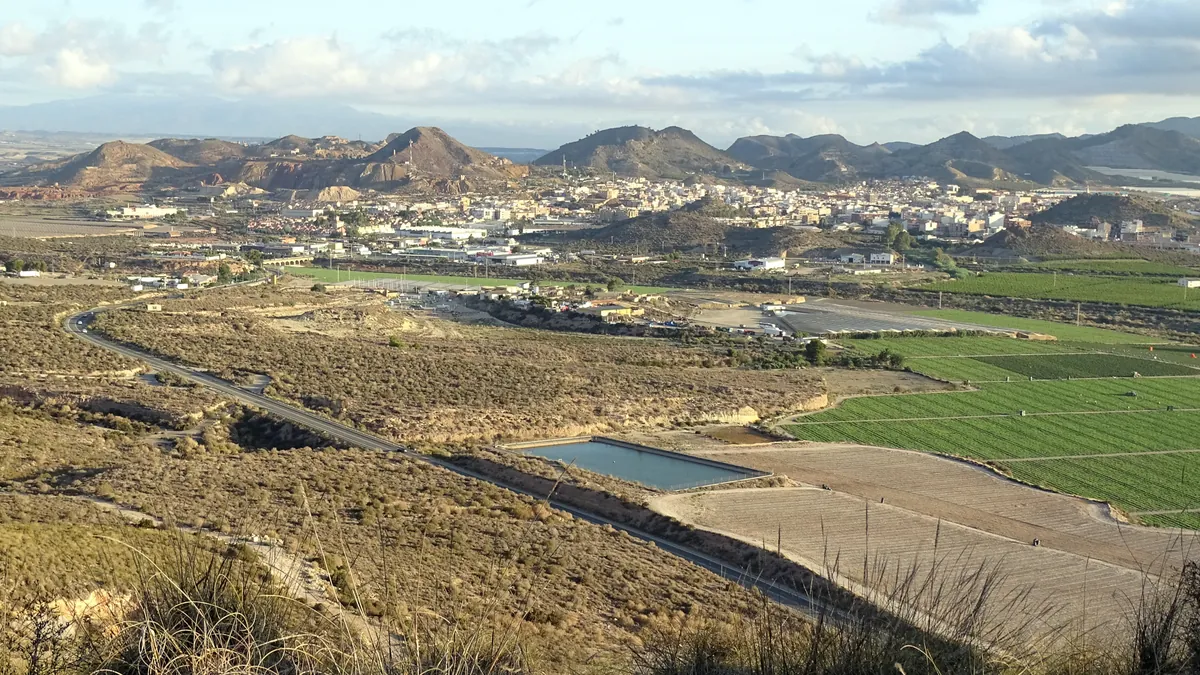
The smell of sulphur often arrives before the town itself. Along the RM-D14, the hills appear stripped bare, coloured in reds and yellows that do not belong to natural geology but to decades of extraction. La Unión is not a typical mining town. It reads more like what remains when industry disappears and the terrain becomes a visible record of what took place.
The surroundings carry that history openly. The ground looks altered rather than eroded, its tones and textures shaped by human intervention. What might seem unusual at first quickly becomes the defining feature of the area: a place where the land itself tells the story.
The mountains that reshaped the coast
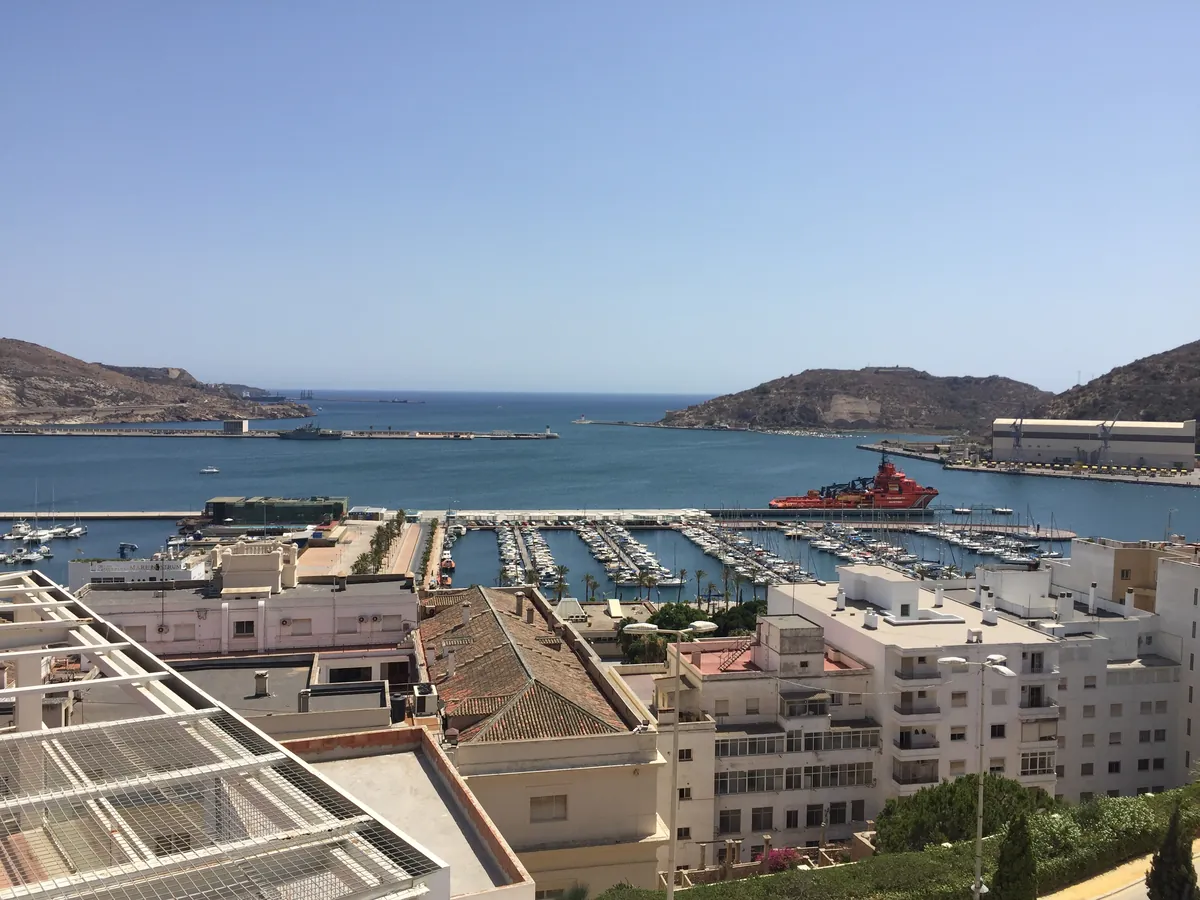
Portmán once had beaches of dark sand before the Sierra Minera was transformed. Over the course of a century, mining waste known as estériles, the debris left after separating ore from rock, was tipped down from the hills into the bay. When mining activity stopped in 1987, the coastline had shifted by two kilometres.
The result is a terrain with an unexpected range of colours. Greens from malachite sit alongside reds from cinnabar and yellows from pyrite, tinting the soil in ways that feel almost artificial. This is not decoration but residue, a chemical trace of what was extracted here.
The Sierra Minera has been designated a Bien de Interés Cultural, a protected heritage status in Spain. It preserves eight 19th-century mining sites. These are not restored landmarks or curated ruins. Rusted machinery, tunnels and wooden headframes remain standing largely because they were left behind.
Agrupa Vicenta offers access to this underground world through 1.5 kilometres of gallery. A descent of 60 metres brings a noticeable shift in atmosphere. The conditions help explain the physical demands of mining work and also the emergence of cante jondo, a deep, expressive form of flamenco singing. This musical style developed as a way to release tension in an environment defined by darkness and confinement.
The market: structure and sound
The Antiguo Mercado Público, built in 1907, stands out for both its design and its role in the town’s cultural life. Constructed from iron and brick by Pedro Cerdán and Víctor Beltrí, it is valued not only for its architecture but also for its acoustics. The building’s structure shaped how sound travels within it, which in turn influenced how it came to be used.
Since 1961, it has hosted the Festival Internacional del Cante de las Minas. Each August, the market stalls are transformed into a tablao, a setting for flamenco performance. Here, cante jondo is performed and passed down through generations, maintaining an oral tradition closely tied to the mining past.
The building has not lost its original purpose. On Saturdays, it still functions as a market where local produce is sold, including habas tiernas and fish from the Mar Menor. This dual use reflects a broader pattern in La Unión, where daily life and cultural expression overlap rather than exist separately. The same space serves both commerce and performance, linking routine activity with artistic heritage.
Faith and memory in the Miners’ Easter
Semana Santa in La Unión takes on a distinctive form. On Maundy Thursday, the Cristo de los Mineros is carried from the parish church to the San José headframe. The procession follows a Vía Crucis route that reverses the usual direction. Participants move along paths of mining slag, descending along routes that miners once climbed on their way to work.
The imagery brings together religious tradition and working life. Safety helmets appear alongside black mantillas, making the connection explicit rather than symbolic. Those who carry the float are often descendants of miners, which gives the procession the character of a shared act of remembrance. It is both a religious event and a reflection on the town’s past, rooted in lived experience rather than abstraction.
Cooking shaped by scarcity
Local food in La Unión reflects the conditions in which it developed. Caldero porteño has its origins in boats that transported lead between the Sierra Minera and the port of Cartagena. Fishermen from the Mar Menor contributed the use of dried pepper, while miners adapted the dish inland.
The preparation traditionally uses dorada or lubina. The sofrito plays a central role and must reach the point of smoking before cooking continues, a detail that defines the dish’s character.
Other recipes come from a similar context. Habas tiernas with tortilla and bollo de calabaza trace back to small plots cultivated by women on the slopes of mining waste heaps. These were practical solutions in times when wages were limited and making use of available resources was essential. The local cuisine remains closely tied to that reality, shaped by necessity rather than abundance.
Visiting La Unión today
La Unión is usually reached via the A-30 towards Cartagena, followed by the RM-D14. Parking near the town hall square is generally straightforward. The Parque Minero opens at weekends, and a visit requires closed footwear and warm clothing due to the low temperatures inside the galleries throughout the year.
Seasonal changes alter how the area is experienced. In spring, the San José headframe becomes a suitable viewpoint at sunset, when the light falls across the pyrite in the ground. October brings the fiestas del Rosario, a time when residents gather and mark the calendar together.
Outside these moments, the town keeps a steady rhythm. Daily life continues alongside the visible traces of mining, with a population that lives above a landscape still marked by what lies beneath it.