Full Article
about Las Torres de Cotillas
Ocultar artículo Leer artículo completo
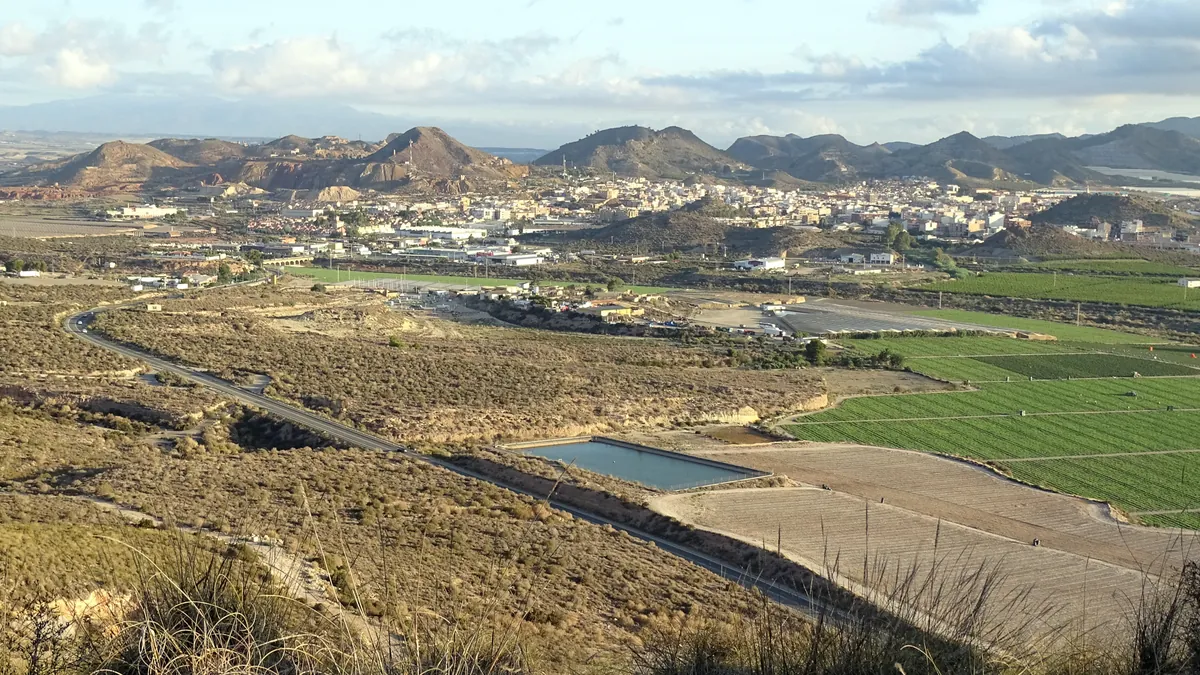
The first thing you notice is the smell of celery. Not the sanitised supermarket kind, but the earthy, peppery scent that drifts across the Segura river from fields worked by the same families for three generations. Las Torres de Cotillas sits seven kilometres south-west of Murcia city, close enough that commuters can see the apartment blocks of the capital from the town’s only roundabout, yet far enough that the weekly market still sells vegetables pulled from the ground that morning.
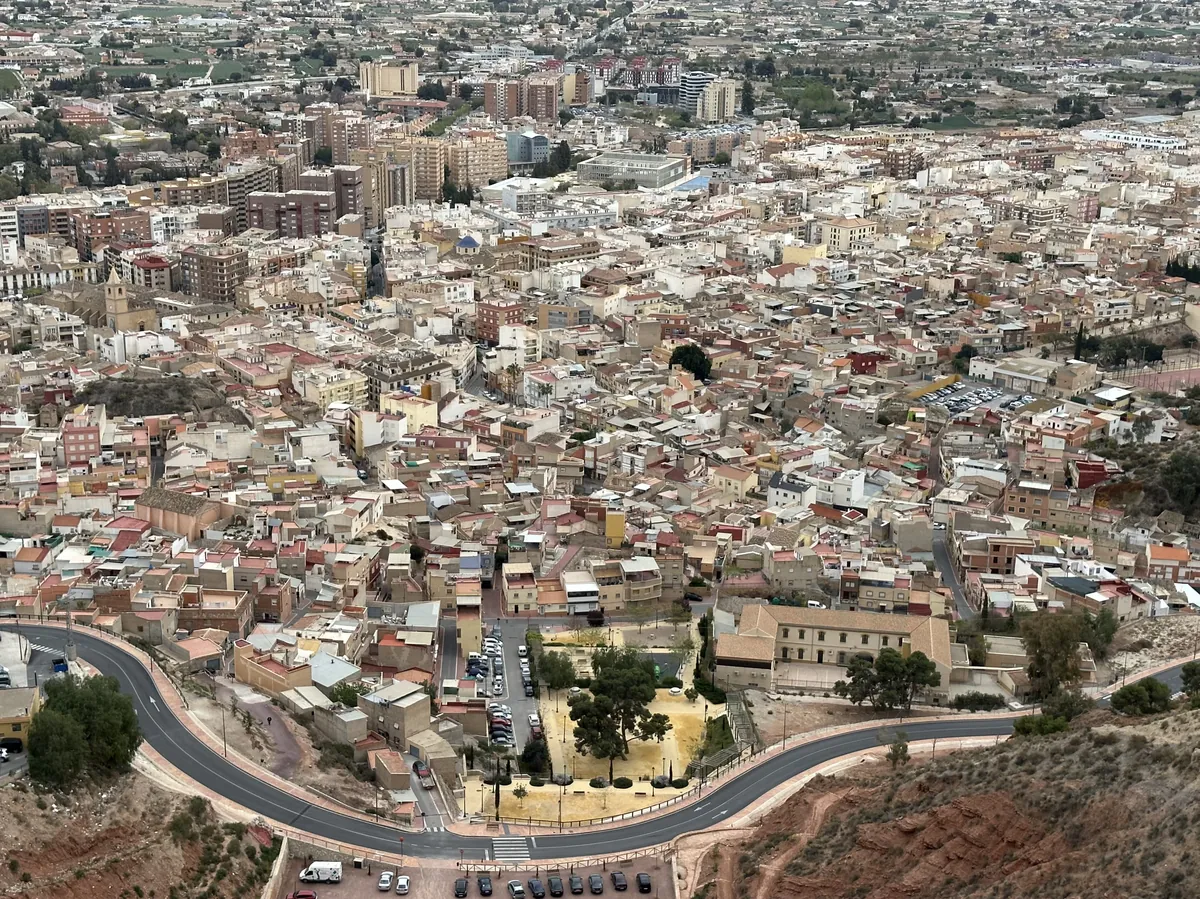
This is not the Spain of postcards. There are no cobbled hill-top lanes or honey-coloured stone. Instead, low-rise blocks from the 1980s line Avenida de la Constitución, painted in the municipal palette of peach and pistachio that fades quickly under the south-east sun. What the place lacks in historic fabric it makes up for in everyday authenticity: butchers who will dice your meat while they gossip, bars where the coffee arrives in glass tumblers, and a river walk where kingfishers flash turquoise between the reeds.
The river that pays the rent
Every town in the Segura valley owes its existence to the water, but Torres takes the relationship literally. The irrigation channels—acequias—dug by the Moors still divide the surrounding vegetable plots into ruler-straight strips. Follow the dirt track south-east from the municipal swimming pool and you reach the Molino de la Pólvora, an 18th-century watermill that once ground wheat for the regional army barracks. Today the wheel is gone and the interior is locked, yet the shell remains, a handy reference point for the evening paseo. Local walkers do two circuits of the mill race, clockwise, before heading home for dinner at ten.
The riverbank path is tarmacked for 3 km, flat enough for pushchairs and road bikes, and shaded by eucalyptus that drops bark like sun-burnt skin. On Sundays you’ll share the route with families carrying portable paella stoves and a radio tuned to Los 40 Principales. Mid-week it’s yours alone, apart from the retired men who sit on the parapet comparing fishing rods that never seem to catch anything.
What passes for sights
Guidebooks give Torres short shrift because the parish church, Nuestra Señora de la Salceda, is single-nave and plain, rebuilt after the 1829 earthquake. Step inside, though, and the side chapel holds a 15th-century wooden Virgin whose face has the resigned look of someone stuck in a queue at Alicante airport. The only other listed building is the Casa de la Encomienda, a small 17th-century manor now hemmed in by a dental clinic and a kebab shop. Ask at the tourist office—housed in the modern Casa de Cultura—and they’ll unlock it for you. The courtyard smells of damp stone and orange peel, and the stone staircase is so worn in the centre that each step slopes like a ramp.
Roman ruins? There are some, but you need determination. A first-century bathhouse lies under a mound on the northern edge of town, signed only by a plastic panel bleached unreadable. Collect the key from reception (it’s on a giant wooden spoon to prevent loss) and let yourself into a fenced enclosure the size of a tennis court. The walls barely reach knee height; interpretive imagination is required. Still, you’ll have the place to yourself, a rarity in modern Spain.
Tuesday is market day
Avenida de la Constitución closes to traffic at seven o’clock and stalls sprout like tents at a festival. This is not the polished produce of Borough Market: peppers are still dusted with soil, and the herb seller weighs out poleo—pennyroyal—by the fistful because locals swear it cures everything from indigestion to marital strife. Prices are written on torn cardboard: a kilo of tomatoes for €1.20, four globe artichokes for €2. British visitors usually hover at the olive stall where cracked gordal olives come marinated in lemon and thyme. Bring your own plastic tub; the vendor charges twenty cents for a bag.
If you’re self-catering, stock up here. The nearest supermarket is a Lidl on the industrial estate, useful for beer and loo roll but hopeless for ripe fruit. The market packs up at two sharp; by half past the street sweepers have already hosed the lettuce leaves into the gutter.
Eating without tourists
Torres doesn’t do tasting menus. What it does do is menu del día—three courses, bread, drink, coffee—for €12, served between one and four. Try Bar Los Amigos opposite the health centre: ensalada murciana (tuna, onion, tomato) followed by arroz caldoso, a soupy rice thick with cauliflower and chickpeas. Pudding is either cuajada (sheep’s-milk junket) or a slice of pastel de cierva, the local pastry that tastes like a less-sweet Eccles cake. Vegetarians survive on berenjenas con miel—aubergine chips drizzled with cane honey—though after the third portion you may never want to see an aubergine again.
Evening tapas crawl? Forget it. Most bars close the kitchen at four and reopen after eight, but only for drinks. If you’re starving at six your best bet is Cervecería Shiva on Plaza de España, which does toasted baguettes the size of house bricks. Order the pollo y bacon if you’re feeling homesick; they even serve HP sauce on request. A caña of beer costs €1.50 and arrives so cold it hurts your teeth.
When to come, how to get here
Spring and late autumn are kindest. In April the surrounding fields are a chessboard of green lettuce and white onion flowers, and daytime temperatures sit in the low twenties. August is brutal—35 °C by eleven in the morning—yet the fiestas run for ten days and the town quadruples in population. Book early or sleep in Murcia and catch the L45 bus (€1.50, 25 minutes).
There is no railway station; the nearest RENFE stop is Alcantarilla, six kilometres away, with no onward public transport. From Murcia-Corvera airport a pre-booked taxi costs €35 and takes 25 minutes. Car hire is simpler: the town sits just off the A-7 toll road, and parking is free everywhere except the market square on Tuesdays.
Accommodation is thin on the ground. Hotel Venta de la Vega occupies a 19th-century coaching inn on the old Murcia road—beamed ceilings, a small pool, doubles from €65 with breakfast. Otherwise you’re looking at Airbnb flats rented to Erasmus students: clean, functional, and decorated with motivational quotes in Comic Sans.
The honest verdict
Las Torres de Cotillas will never feature on a Best of Spain list. It is ordinary, workaday, the sort of place Spaniards themselves forget to visit. Yet for travellers who’ve done the cathedrals and the coastal resorts, it offers a glimpse of the country that exists between the postcards: a place where the mayor still joins the señoras for coffee at eleven, where the river keeps the vegetable plots alive, and where the only language you’ll hear is Spanish spoken at full volume. Come for the celery scent and the Tuesday market, stay for the €12 lunch and the Roman baths you can unlock yourself. Just don’t expect souvenir shops—they closed years ago, and no one has noticed.