Full Article
about Librilla
Ocultar artículo Leer artículo completo
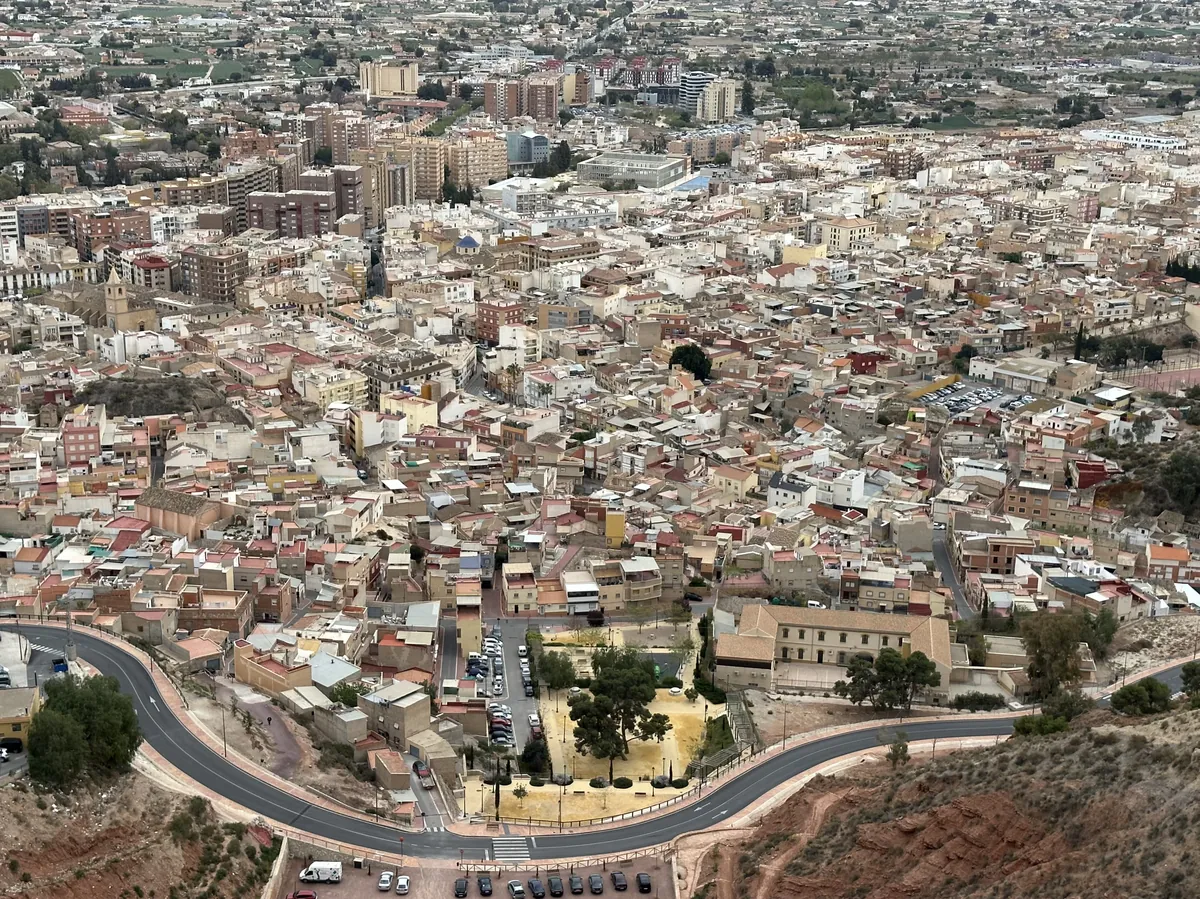
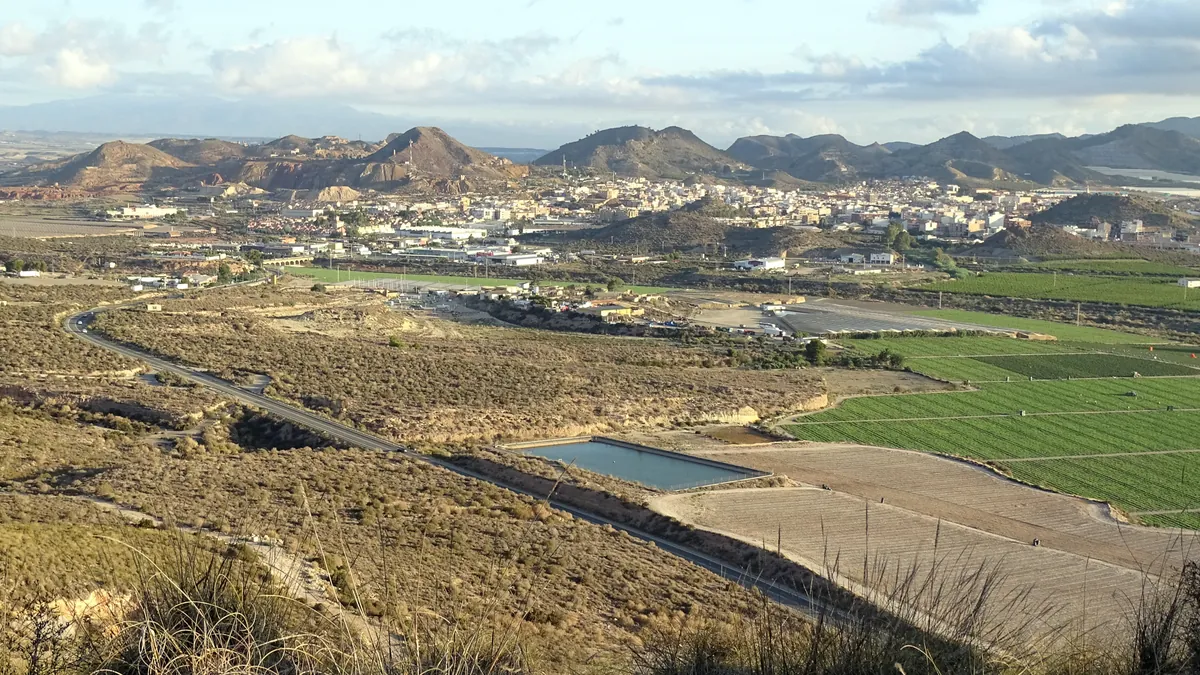
The clock on the church of San Nicolás de Bari strikes four and nobody hurries. Two elderly men push dominoes across a metal table in Plaza de la Constitución; a woman waters geraniums on a first-floor balcony, letting the hose run long enough to cool the pavement below. From a side-street bakery comes the sweet-citrus waft of lemon cake that has just been turned out of its tin. This is Librilla at its most animated: a village of 5,854 souls stretched along a low ridge 20 km inland from Murcia city, surrounded by a chessboard of citrus plots that glow almost neon under the afternoon sun.
British drivers usually flash past on the A-7, bound for the coast or the golf resorts outside Alhama. Those who peel off at exit 607 discover a place that trades adrenaline for aroma: every breeze carries either orange-blossom or wood-smoke, depending on the season. The altitude is only 178 m—too low to escape July’s furnace—but the air feels cleaner than on the concrete coast and the Sierra Carrascoy looms close enough to count the limestone bands. Expectation management is useful: the range is dramatic yet semi-arid, more Arizona than alpine. Instagram will survive without it.
A first stroll is best taken slowly. The grid of white-walled houses is small enough to cover in twenty minutes, but that misses the point. Better to follow the painted ceramic plaques that name every street—Calle de la Cruz, Calle del Pósito—until they empty into the lemon-scented wedge of the huerta. Here the irrigation channels still run by gravity, their flow negotiated nightly between farmers who phone each other rather than WhatsApp. Tuesday mornings a single fruit lorry parks beside the church; €3 buys a net of un-waxed lemons that will perfume a hire car for the rest of the week.
Inside San Nicolás itself the temperature drops ten degrees. The building has been patched so often that its architectural DNA is a palimpsest: Gothic ribs, Baroque plaster, a 19th-century bell plundered from a dismantled convent. There is no audio-guide, no ticket desk, just a note taped to the door requesting modest dress. Light a candle if you wish; the €1 fee is on the honour system. English is not spoken, yet the caretaker will still walk you over to the side chapel to point out the wooden Virgin whose face was rescued from a 1936 bonfire. Communication is conducted in shared relief that the place survived at all.
Food is farm-to-fork by default rather than fashion. Bar Central opens at 07:00 for farmers who need coffee and brandy before inspecting irrigation pumps. Mid-morning the counter fills with plates of morcilla de cebolla—local black pudding bulked out with rice and pine-nuts, mild enough for tentative British palates. Lunch is a three-course €11 menú del día: salad that still holds the morning dew, followed by a stew of chickpeas and fennel, finished with that sponge cake whose citrus tang comes from lemons picked 200 m away. House white from Jumilla (Macabeo grape) arrives ice-cold and costs less than a London soft drink. Vegetarians survive on tortilla and roasted peppers; vegans should self-cater.
Afternoons belong to the pool at Complejo Rural El Castellar, a stone farmhouse turned weekender retreat on the village edge. Non-guests are admitted for €5, a bargain when the thermometer noses past 38 °C. Sun-loungers are first-come, first-served; bring change for the drinks machine because the bar closes when the lone barman cycles home for siesta. Shade is provided by eucalyptus that drop oily leaves into the water—remove them and the locals nod approval. Mobile signal is patchy, so download offline Spanish in Google Translate before you strip off.
Evening activity is dictated by the day of the week. Saturday alone justifies staying overnight. Families reclaim the plazas after 20:00, pushing buggies in laps while grandparents hold court on wicker chairs. Teenagers perform wheelies on bikes that still have gears to spare. At 22:30 the bars lay out plastic tables; suddenly every street corner smells of garlic and squid. Order fried calamari rings and a caña: the batter is ethereally light, the portions calibrated so a couple can eat without waste. By 23:45 the village is quiet enough to hear the church clock strike twelve. Week-night visitors should finish dessert by 22:00 or risk going hungry.
Active types can walk the irrigation lanes at dawn when the only sound is the click of sprinklers. A 6-km circuit heads south to the ruined farmhouse of El Castellar, then cuts back through lemon groves whose fruit weighs the branches almost to the ground. The terrain is flat, trainers suffice, but take water—there is no kiosk, no fountain, and July shade is theoretical rather than actual. Cyclists share the same paths; expect the occasional John Deere tractor hogging the middle. Mountain bikers wanting gradient should drive 15 minutes to Carrascoy for fire-road climbs and views across the Segura valley to the Mar Menor glittering like polished steel.
Winter visits come with caveats. Days can hit 15 °C in February—appealing when Britain drizzles—but the wind that skids down Carrascoy feels colder than the number suggests. Almond blossom in late January is photogenic, yet most bars close early and the pool is empty. Semana Santa (Easter) supplies candle-lit processions that squeeze down streets barely three metres wide; outsiders are welcome as long as cameras stay discreet during prayer. December’s fiesta for San Nicolás is a local reunion rather than a tourist show; expect free bagpipes, free doughnuts, and invitations to dance that are hard to refuse sober.
Practicalities are straightforward but unforgiving if ignored. There is no cash machine in the centre; the nearest reliable ATM is at the Repsol roundabout on the MU-502, a 25-minute walk that feels longer in August heat. Petrol stations close overnight, so fill up before 21:00. Accommodation is limited to four guesthouses and the rural complex; none has more than twenty rooms, booking ahead is prudent rather than optimistic. Murcia–San Javier airport is 40 minutes by hire car, Alicante 55. Buses from Murcia city run twice daily, timed for school and shopping rather than sightseeing, and they stop altogether on Sunday.
Librilla will not make anyone’s bucket list, and that is precisely its pitch. It offers a calibration point between the Spain sold in brochures and the one lived in by people who still hand-press olive oil in December. Come for half a day, stay for one night if the lemons are in flower, then leave before the stillness turns into restlessness. The village will reset to dominoes and dripping irrigation, indifferent to whether you return—but the scent of those lemons will follow you home through Customs, and that alone is worth the detour.