Full Article
about Lorca
Hide article Read full article
Lorca is a big town that acts like a city
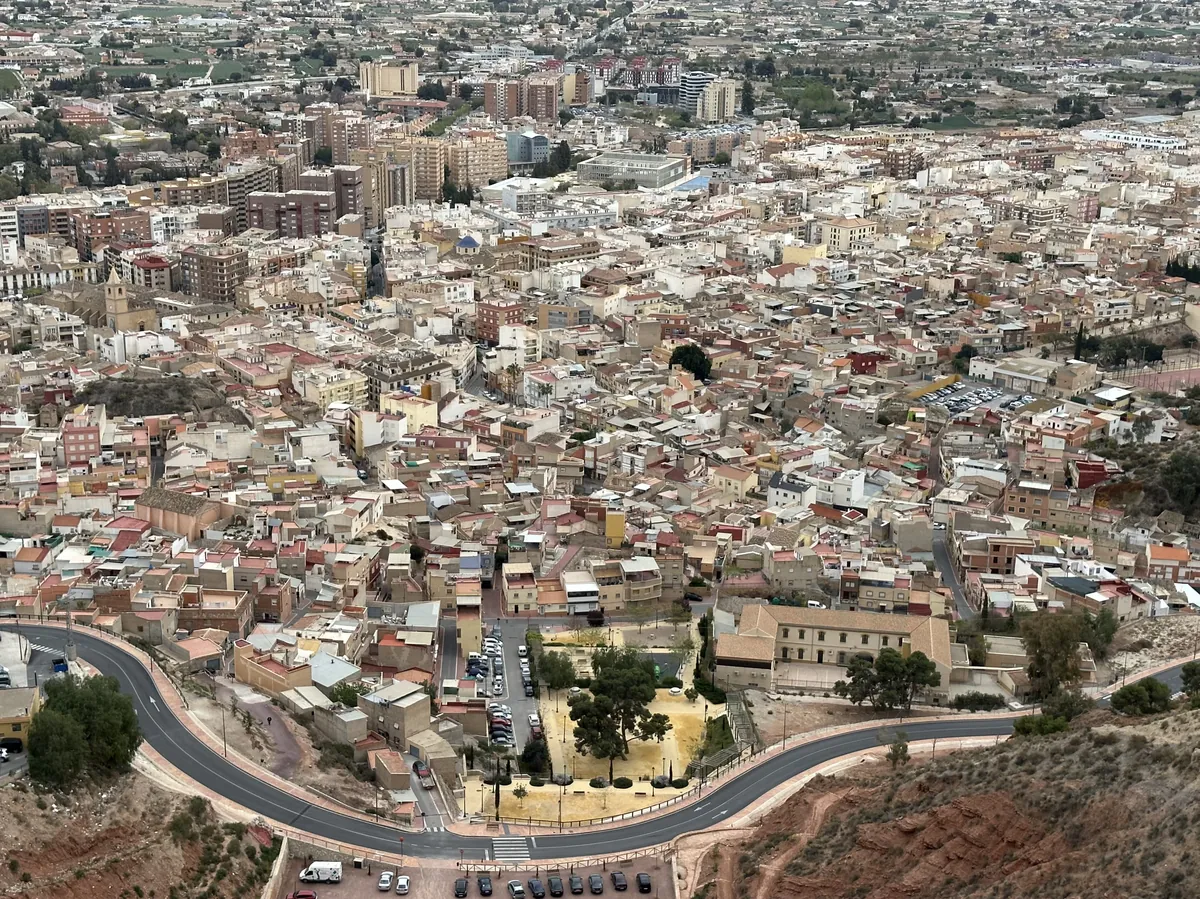
You know how some places feel bigger than they are? Lorca is the opposite. It's a proper city-sized place that most people treat like a big town. It covers more ground than London, which is the kind of fact you drop and then watch people double-check on their phone. Yet for a lot of folks, it's just that place with the big castle you see from the motorway on the way to the beach. That gap between what it is and what people think it is tells you most of what you need to know.
A history book where the pages are glued together
The old town isn't neat. You don't walk from the Roman quarter to the medieval bit. It's all mashed into a dense knot of stone and plaster. The Romans were here first, calling it Eliocroca. Then it became the capital for the Arabs running this part of Spain. The point is, this was never some backwater.
They keep finding things because the city is basically built on its own rubble. They discovered a 15th-century synagogue when they knocked down a building on Calle de la Sangre. It's now the only one of its kind left in Spain. Living here must be like having an archaeologist as a neighbour who's always popping round with another fragment of pottery they found in your garden.
The castle that explains everything
The fortress doesn't just overlook Lorca; it defines it. They call it the Fortaleza del Sol now, which sounds like a theme park, but don't let that fool you. Up there, you're walking on 13th-century walls. On a clear day, you can see all the way to the coast.
It’s not a fancy restoration. It’s raw, and they let the stones do most of the talking. You get the full story up there: Roman foundations, Arab gates, Christian battlements from after they won the place in 1244. It feels less like a museum and more like standing on the spine of the city.
The week Lorca remembers how loud it can be
For fifty-one weeks of the year, Lorca goes about its business. Then Semana Santa happens and the whole place flips a switch.
Holy Wednesday is when you see it. That's when Los Coloraos come out with their horses and those insane embroidered tunics—the mantos lorquinos. Some families spend over ten thousand hours stitching one. Think about that next time you complain about sewing on a button.
The streets pack out. The processions have their own slow, heavy rhythm that you either fall into or get out of the way of. If crowds aren't your thing, pick another weekend to visit. If you do come for this, lean into it. You're not watching a show; you're in the middle of it.
Eating from a dry land
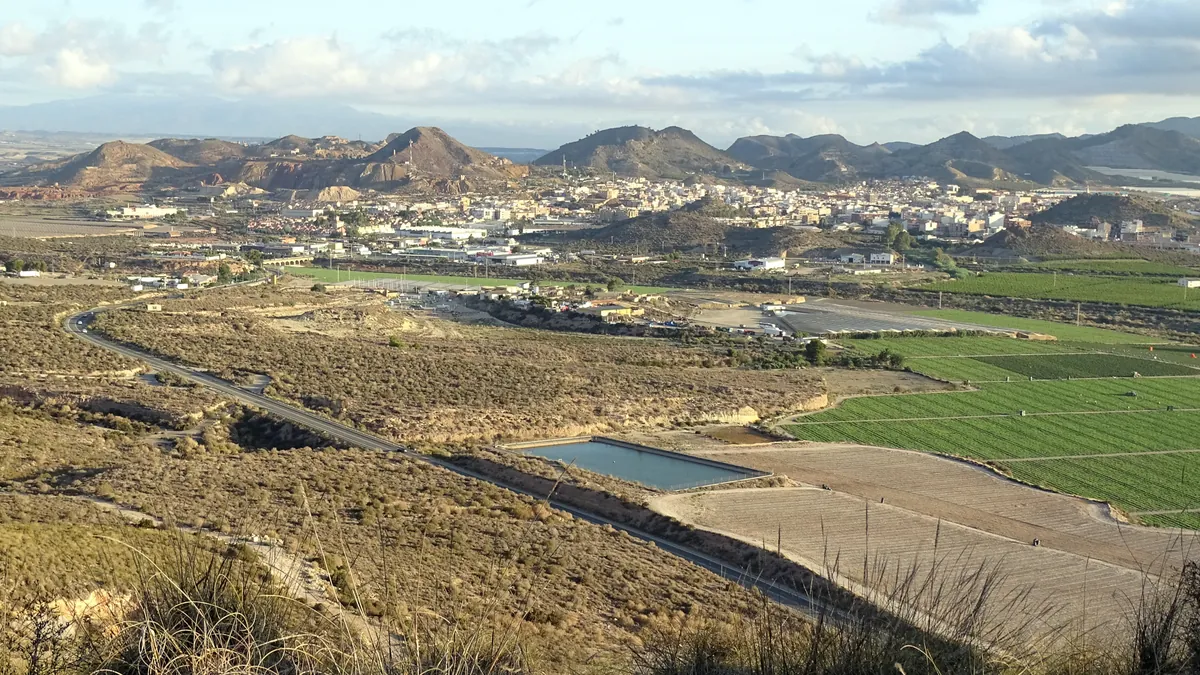
The food here makes sense once you've seen the landscape around town: dry, tough, and beautiful in a no-nonsense way.
Start with torta de pimiento colorao. It looks like someone took a pizza and stripped it back to essentials: thin dough, roasted red pepper, tuna. It’s fuel.
Then there are gachas migas con tropezones. They’re like migas from inland, but heartier, with chunks of meat stirred through. This is peasant food that sticks to your ribs.
Lamb roasted with local herbs tastes exactly how you'd expect: straightforward and earthy. In winter, they switch to olla gitana, a thick chickpea stew with pork and black pudding. After a bowl of that, the afternoon siesta isn't lazy; it's mandatory.
How to find your feet
You can get a real feel for Lorca without needing a map every two minutes. Start at Colegiata de San Patricio down in Plaza de España. They started building it in 1536 and finished in 1780. A construction project that lasts longer than most countries is very Lorca. From there, work your way up towards the castle. The walk back down Calle Lope Gisbert takes you past baroque palaces that now house banks and offices. It brings you right back to Plaza de España, which is where you should finally eat that torta de pimiento colorao.
If your legs are up for it, there's an official route connecting churches and old manor houses over about thirteen kilometres. It’s a good way to see how everything fits together without having to plan your own trek.
Lorca won't grab you by the collar. It doesn't do obvious beauty or easy postcard shots. What it has is weight. A sense that this was somewhere important once, and all that history left behind layers of stone and habit. You come for the castle, but you remember it for everything else that quietly insists on being noticed