Full Article
about Mazarrón
Ocultar artículo Leer artículo completo
The waiter appears with a whole sea bass baked in salt, cracks open the crust tableside, and flicks the tail onto a side plate. Steam rises, carrying the scent of rosemary and lemon across the terrace. Below, the paseo hums with Spanish families pushing prams and British pensioners clutching €2 glasses of white wine. It's half past nine on a Tuesday, yet every table is taken. Welcome to Puerto de Mazarrón, the coastal arm of a town that most maps still label simply as "Mazarrón"—an inland council headquarters that happens to own 35 kilometres of coastline.
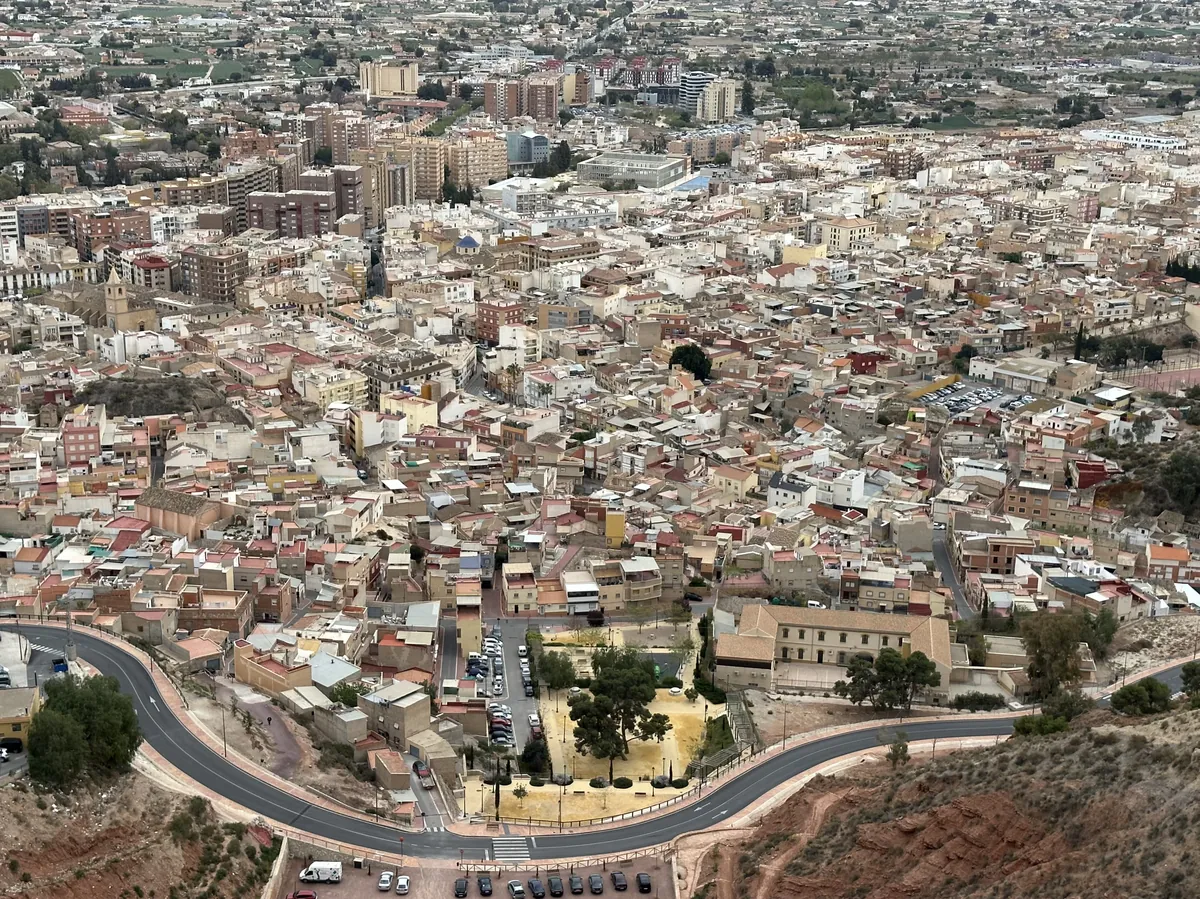
That split personality is the first thing that catches visitors out. The original town sits 5 km inland at a modest 55 m above sea level, far enough from the water to dodge pirate raids but close enough to tax the traffic in salted fish. Phoenician traders started the factory around the fourth century BC; Romans enlarged it. You can still walk across the mosaic floor of their salting plant, peer into stone vats where garum—fermented fish guts once worth more than wine—matured under the Murcian sun. Admission is free, the gate is usually open, and nobody minds if you step over the rope for a better photo. Interpretation boards are in Spanish only, so download Google Translate before you go.
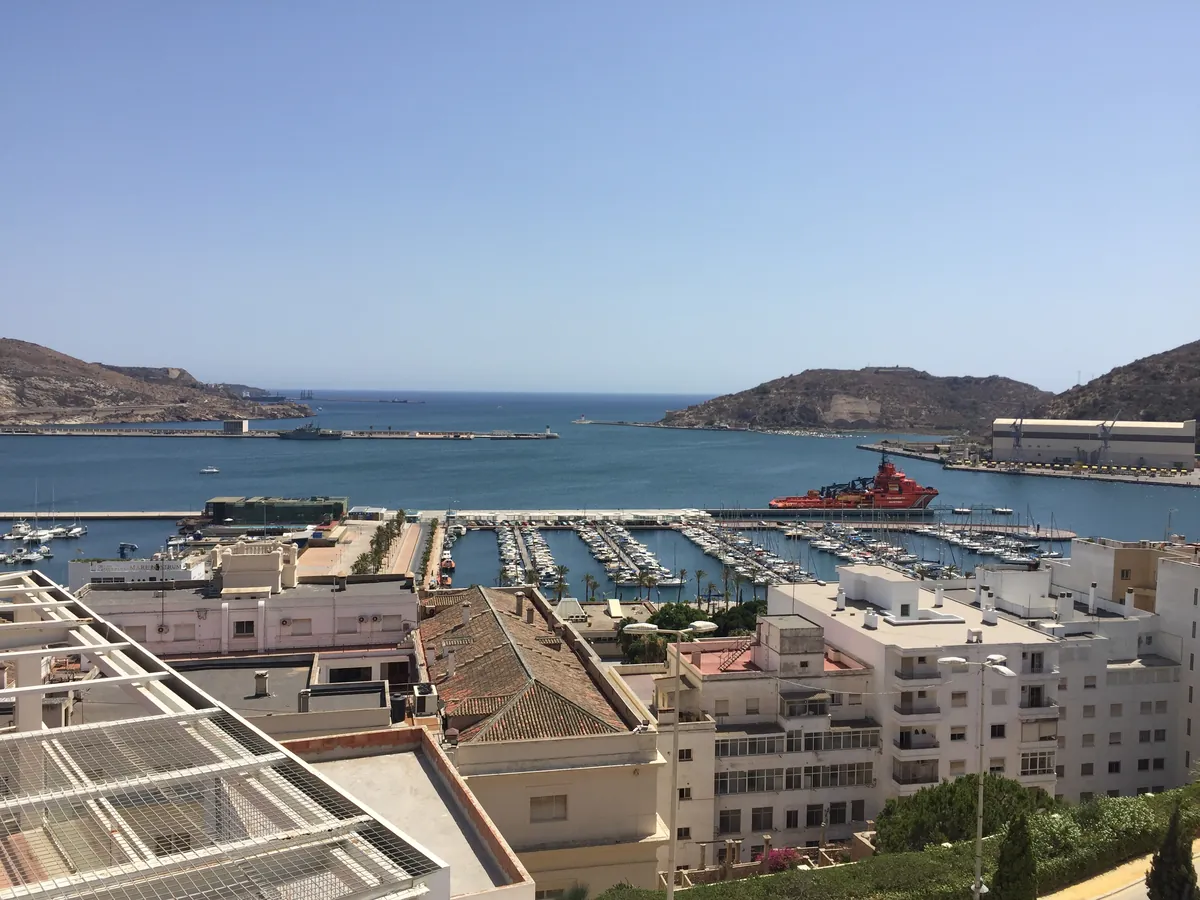
From the ruins it's a ten-minute drive to the coast on the RM-332, a smooth dual-carriageway that feels oddly empty until you crest the final hill and see the Gulf of Mazarrón spread below. The sea is improbably calm, almost lake-like, protected by the sheltering bulk of Cape Tiñoso. Blue flags flutter on five beaches; the water stays ankle-deep for 40 m, ideal for toddlers yet deep enough further out for paddle-board yoga at sunrise. Build quality is higher than many Costas—no karaoke bars on stilts, no 1970 tower blocks. Height limits have kept the skyline low, and the council insists on planting palms instead of concrete pergolas. The result is a resort that feels Spanish first, foreign second, even though the surrounding villas are full of Corby postcodes.
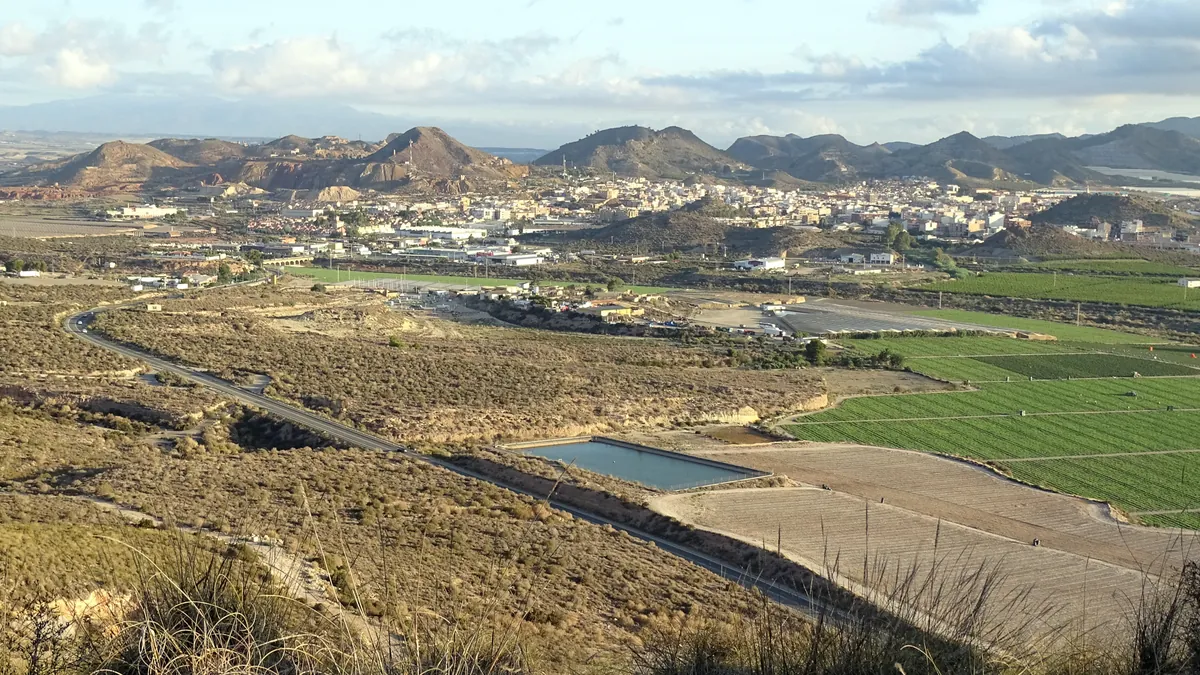
Between beach mornings and late dinners, the mines fill the gap. Head north on the MU-502 and red pyramids of slag soon appear against the sierra. These are the tailings of Las Matildes, a lead and silver works that paid for the church tower you can see back in town. A footpath leaves the lay-by, signed "Ruta Minera", and climbs past rusting ore buckets into a landscape the colour of dried blood. Trainers will be shredded; bring solid soles. After 25 minutes you reach an iron door set into the rock. Turn the handle—it's open—and you step into a Victorian-level gallery: timber props, soot-blackened walls, the drip of groundwater echoing in the dark. Hard-hats are stacked in a box; take one, replace when finished. No ticket office, no guide, just a QR code that loads an English audio file if you have signal.
Back outside, the path loops to the 1910 chimney that rises 45 m above the scrub. Griffon vultures nest on the ledges; if you arrive after four o'clock the thermals lift them in slow circles above your head. The entire circuit takes an hour and a half, longer if you stop to photograph the ochre cliffs that locals call the "Spanish Arizona". Carry water—there's no kiosk, only a metal pipe labelled "non-potable".
Evening options depend on tolerance for noise. In July the Puerto stage hosts free concerts: pasodoble brass bands one night, Adele covers the next. Volume is considerate; chairs are the plastic kind that scrape on concrete, so conversation continues. If you prefer quiet, drive ten minutes round the headland to Bolnuevo. The beach here is backed by sandstone hoodoos—wind-sculpted pillars that glow orange under street-lights. Couples bring cans of beer and sit on the breakwater; the only soundtrack is the clink of rigging in the small marina.
Food prices have risen since the pandemic but remain below UK levels. A plate of grilled giant red prawns (gambones) runs €14 at Bar Rico on the front; they arrive split down the middle, brushed with nothing more than olive oil and sea salt. Order a side of pan ali-oli—garlic mayonnaise thick enough to stand a spoon in—and you've lunch for two under thirty quid. inland, the town's Plaza del Convento hides Mesón Primitivo, a no-frills dining room where the €12 menú del día starts with garbanzos y espinacas and ends with a half-carafe of respectable tempranillo. They'll swap pudding for chips if you ask; the waitress has nephews in Nottingham and understands homesickness.
Getting here is easier than the map suggests. Murcia-Corvera airport is 40 minutes by hire car; Alicante is 1 h 45 m on the AP-7. A private transfer from Corvera costs about €55 each way—cheaper if four share. Buses exist but crawl; a vehicle unlocks the mines, the castle at Tercia, and the weekly Friday market in Puerto where Dutch bulbs and Moroccan rugs sit next to piles of nisperos (loquats) grown in the valley below. Parking is free on the harbour's western arm; ignore the touts waving you into paid gravel lots.
Weather lures many year-round, yet timing matters. Mid-winter can hit 20 °C at midday, enough for coffee outside, but the sea drops to 15 °C and apartments feel chilly—Spanish builds assume summer occupancy, not January. Spring brings wild poppies between the almond trees; Easter processions pack the streets, drums echoing off stone walls. August is furnace-hot: 38 °C by eleven, little shade on the paseo, and every sun-lounger claimed before nine. The sweet spot is late September: sea at 24 °C, nights dropping to 20, restaurants relaxed enough to linger over the last gratis shot of licor de hierba.
Leave room for the unexpected. One Saturday morning a local fishing co-op auctions hake on the quay—buyers bid by holding up twisted scraps of paper while the auctioneer rattles prices in machine-gun Spanish. There's no visitor section; stand at the back, nod if you fancy a box, and someone will explain the hand signals. You won't come home with a cooler of fish, but you'll witness the supply chain that ends in those seafront grills, salt crusts cracked open under the stars.