Full Article
about Mula
Hide article Read full article
A place with its own rhythm
Mula greets you with a blast of sun and sends you off well fed. This is not the neat, decorative image of a storybook village with flowers on every balcony. Its character comes from somewhere else. The streets climb steeply, houses cluster together in search of shade, and the whole place feels shaped by centuries that have left their mark without any need for polish.
There is a directness to Mula. It doesn’t try to impress, and that is precisely what gives it presence. You sense it as soon as you arrive and step out of the car. Life here follows its own rhythm, and it doesn’t adjust itself for visitors.
Castillo de los Vélez: power set in stone
The Castillo de los Vélez dominates Mula from above, built to be seen. The Vélez family constructed it in the 16th century, less out of defensive necessity and more to make a point about authority. It has the air of a statement, the kind that leaves no doubt about who was in charge.
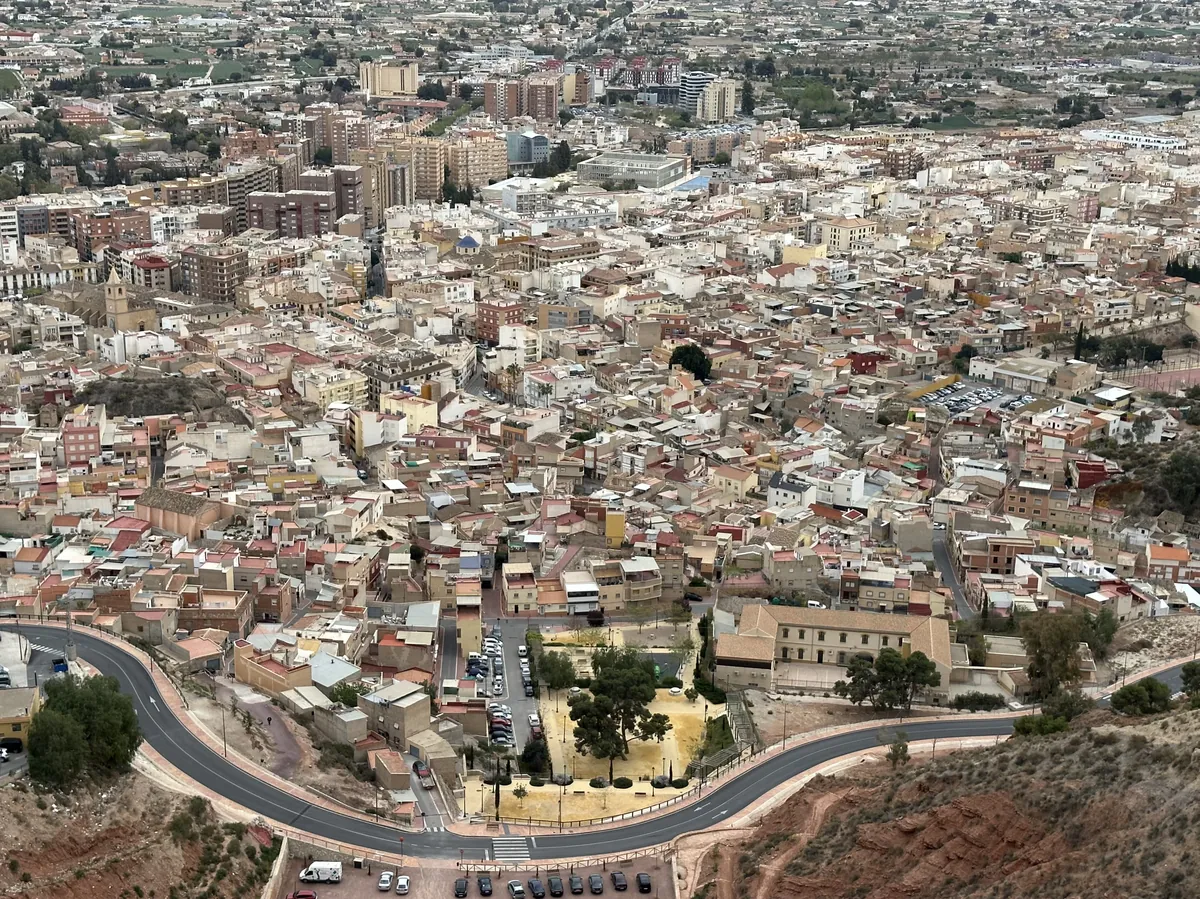
From the hilltop, the town spreads out below like a model. That view also explains why Muslims chose this exact location back in the 9th century. The position is strategic, but also visually commanding, and the connection between landscape and control becomes obvious.
The castle is not a silent ruin. It often hosts exhibitions or occasional concerts, so there is still life inside its walls. Reaching it requires some effort, though. Mula’s slopes are relentless, and your calves will notice. Proper footwear is a good idea, as these streets do not favour flimsy sandals.
La Noche de los Tambores: a city in full pulse
La Noche de los Tambores is something to experience at least once, even with a warning: your ears will ring afterwards. The idea sounds almost exaggerated until you stand in the middle of it. From midnight onwards, the entire town seems to beat drums in unison, creating a constant, overwhelming sound that you feel in your chest as much as you hear.
This takes place on Martes Santo, part of Easter celebrations, but it is far from a conventional procession. Thousands of locals bring out their drums and fill the streets with a rhythm that does not let up. The atmosphere becomes intense, almost physical, as the noise builds and continues without pause.
The old town is the place to be if you want to understand it. Staying on the outskirts means seeing little more than long rows of parked cars and people carrying drums. Earplugs are worth bringing. That is not an exaggeration; the volume is part of the experience, but it can be overwhelming without some protection.
Museo de Arte Ibérico El Cigarralejo
Museo de Arte Ibérico El Cigarralejo offers a different kind of encounter with the past. It avoids the feeling of anonymous displays that say very little. Instead, it focuses on 80 Iberian funerary assemblages that show how seriously death was treated more than two millennia ago.
The Iberians buried their dead with everything they might need: weapons, jewellery, and food for the journey. The idea feels surprisingly familiar, almost like an ancient version of preparing for a long trip with all essentials included. It brings a human dimension to the objects on display.
The museum itself is small and calm, which makes it easy to spend time with each piece. There is no pressure from crowds, no rush to move along. One detail stands out in particular: the presence of gold dental prostheses. It suggests that concern for appearance, even in something as specific as teeth, has deep roots and is far from a modern obsession.
Eating in Mula: calories as tradition
Food in Mula does not aim for restraint. Diets tend to be left aside here, replaced by dishes that are rich and deeply tied to local habits. Manteca colorá, made from pork fat and paprika, is almost a ritual. It might seem unusual at first, but spread over toast with tomato, it quickly makes sense.
Migas ruleras follow a similar logic. They combine bread with ingredients such as chorizo and panceta, drawing on what was available in the countryside to sustain long working days. It is hearty food, built for energy rather than lightness.
Winter brings another staple: gachas with rabbit. This dish works as a direct response to colder days, offering warmth and substance in equal measure.
Local wines accompany these meals naturally. The Denominación de Origen Bullas lies nearby, so wine arrives at the table without much travel. To finish, there is pastel de cierva. It is sweet, filling, and easy to overindulge in if you are not paying attention.
Notes for the journey
Spring is the most straightforward time to visit. Between February and March, almond trees in bloom change the landscape, and temperatures still allow for walking without constantly searching for shade. Summer tells a different story. The sun in Murcia is intense, and midday often pushes people indoors or into the nearest patch of shade.
For those who want to move a bit, the Vía Verde del Noroeste passes through the municipality. This route follows the path of a former mining railway and stays largely flat, making it suitable for a gentle walk or cycle after a meal.
Mula does not present itself as a place designed for quick tourism. It has contrasts, quieter corners alongside more intense moments, and a sense that time moves at a slightly different pace. That shift can feel unfamiliar at first, but it is often exactly what draws people in.