Full Article
about Pliego
Ocultar artículo Leer artículo completo
The Village That Forgot to Shout About Itself
Three hundred metres above the baking Murcian plain, Pliego sits where the air turns cool enough to justify a jumper after sunset. That's the first surprise—how quickly the temperature drops once you leave the coast behind. The second is the silence. Even on a Saturday morning, when the weekly market sets up around the stone cross in Plaza de España, the loudest sound comes from pigeons arguing on the church roof.
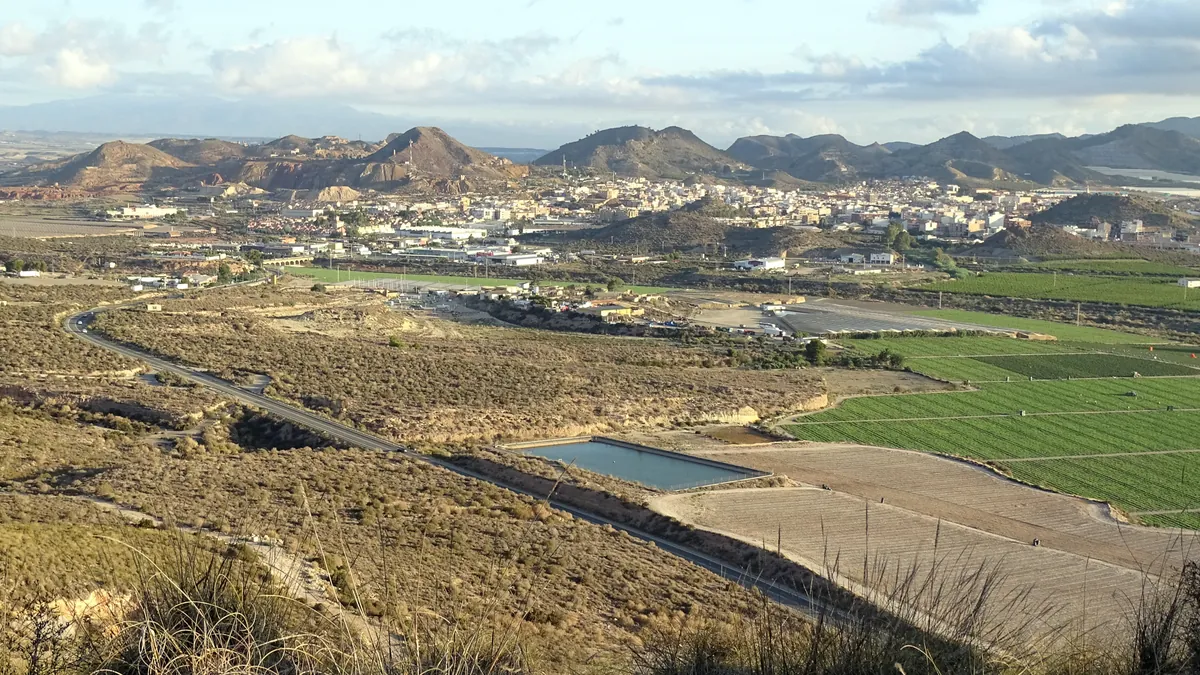
This is rural Spain before the marketing departments arrived. No souvenir shops, no guided tours, not even a tourist office—just 4,000 inhabitants getting on with life between the almond groves and the foothills of Sierra Espuña. The village's altitude means winters bite sharper than coastal neighbours; frost isn't unknown in January, while July turns the surrounding hills the colour of digestive biscuits. Spring arrives late but decisive—usually the first week of March—when millions of almond blossoms turn the slopes white overnight.
A Map Drawn by Water and Dry Stone
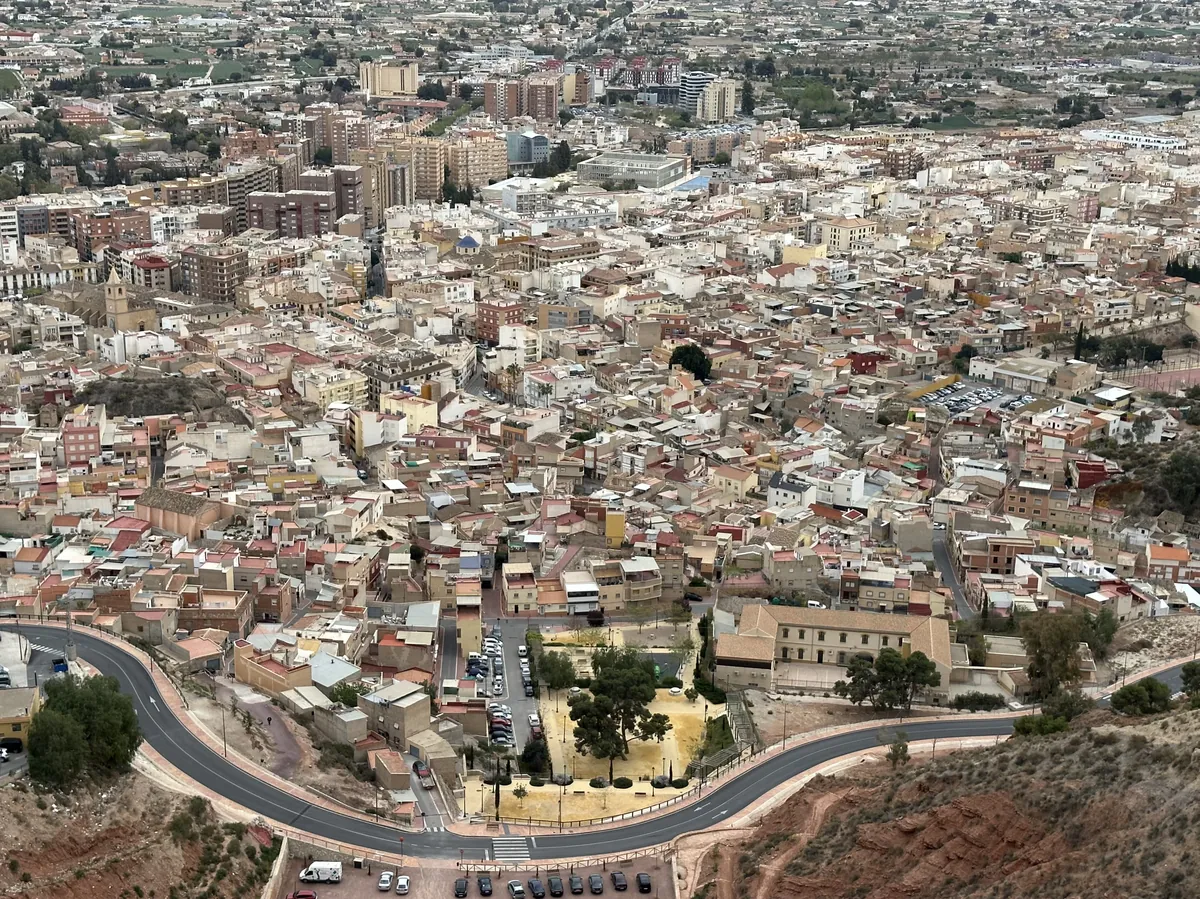
The old quarter follows medieval logic: streets narrow enough to touch both walls simultaneously, designed for donkeys not delivery vans. Houses grow outward as families expand, creating a patchwork of whitewash, stone and the occasional modern balcony that sticks out like a commuter at a flamenco show. At the centre, the Iglesia de Santiago Apóstol keeps watch with its 16th-century tower—more fortress than bell-tower, a reminder that bandits once found these hills convenient hiding spots.
Walk ten minutes uphill past the church and the tarmac gives way to dirt tracks leading into the huerta—the irrigated gardens that have fed Pliego since Moorish times. Channels still carry water from the River Mula along the same routes marked out eight centuries ago, though nowadays the flow stops in summer when rainfall drops to practically nothing. The contrast is stark: green vegetable plots bordered by cypress trees suddenly meet bone-dry terraces where only olives and almonds survive.
Eating What the Land Allows
Local menus read like agricultural reports. When it's broad bean season, every bar serves habas con jamón. During the brief cherry window in May, even the bakery adds frangipane tarts to the display. The Saturday market offers just fifteen stalls—three fruit sellers, two butchers, one fishmonger from the coast who's sold out by 11am. Fill your basket here; the nearest supermarket is twenty minutes away in Mula, and Pliego's small shops still observe the sacred 2pm-5pm closing ritual.
Bar El Pozo opens earlier than anywhere else, serving coffee to farmers who've been up since 5am checking irrigation channels. Their pincho moruno—spiced pork skewers cooked over vine cuttings—costs €2.50 and arrives with a bread roll that could double as a building material. Order the chuletón to share and you'll get a T-bone the size of a dinner plate, cooked rare unless you specify otherwise, served with nothing more than rock salt and a lemon wedge. House red comes in plain glasses for €1.20; it's from nearby Jumilla and tastes better than anything you'd pay three times more for in London.
Walking Into Proper Silence
The GR-252 long-distance path passes through Pliego, though you'd never know it—no signs, no way-markers, just a faded stripe on the occasional utility pole. This section follows old mule tracks toward Alhama de Murcia, winding between dry-stone walls built without mortar. The going's easy; gradients rarely exceed 200 metres, making it suitable for anyone who owns walking boots they've actually worn in. Spring brings the soundtrack—goldfinches, bee-eaters, and at dusk, nightingales that make British blackbirds sound tone-deaf.
Serious hikers use Pliego as a base for Sierra Espuña proper, but that requires a 20-minute drive first. The regional park's peaks reach 1,500 metres—high enough for Spanish fir forests and Griffon vultures circling overhead. Download maps beforehand; mobile signal vanishes in the valleys, and the park office keeps eccentric opening hours that assume everyone knows Spanish civil service schedules.
When the Village Throws a Party
The fiesta calendar starts in February with the Almendra en Flor—a weekend celebrating almond blossom that feels more like an extended family gathering than organised event. Locals set up card tables under the trees and share homemade pastries filled with angel-hair squash. Don't expect organised activities; turning up with a willingness to try your Spanish on octogenarians proves qualification enough.
July brings the main event: ten days honouring Santiago Apóstol. Mornings belong to religious processions where the saint's statue—surprisingly heavy-looking for something carried by eight men—parades through streets carpeted with rosemary branches. Nights belong to the young: temporary bars serve lukewarm beer until 3am, and the plaza fills with teenagers practising dance moves that wouldn't look out of place in Manchester. The whole thing costs the council €60,000—roughly what Brighton spends on a single Pride float—but here it funds an entire year's cultural budget.
The Practical Bits That Matter
Getting here means renting a car. Murcia airport sits 40 minutes north-west on the RM-15; Alicante adds another thirty minutes but often proves cheaper for flights. The drive climbs steadily after Alhama de Murcia—watch the thermometer drop ten degrees as you gain altitude. Parking's refreshingly simple: anywhere that doesn't block someone's gate, which in practice means everywhere.
Accommodation options remain limited. Casa Rural Los Palacios offers three bedrooms and a pool on the village edge—book early during almond blossom weekends. Otherwise, most visitors rent ground-floor flats converted from old storage cellars; they're cool in summer but can feel damp in February. Hotel alternatives exist in Mula, though that means driving home after dinner—not ideal when the local red wine costs less than bottled water.
Bring cash. Pliego's last ATM closed three years ago when the bank decided profits didn't justify the quarterly refills. Cards work in restaurants—usually—but the bakery, market stalls and Sunday morning café operate on cash-only principles. The nearest machine sits inside a petrol station on the main road; fill up while you're there because the village garage opens when the owner feels like it, which isn't often.
Leaving Before the Magic Wears Off
Three days hits the sweet spot. Long enough to fall into the rhythm—coffee at El Pozo, morning walk before the heat builds, siesta under closed shutters, evening beer as the square fills with gossip. Stay longer and the limitations start showing: nowhere open after midnight, the same four menu options, conversations that require effort beyond ordering drinks. But that's precisely why Pliego works. It doesn't try to entertain you; it simply continues being itself, confident that almond blossom and properly cooked pork constitute entertainment enough.