Full Article
about Puerto Lumbreras
Hide article Read full article
A place built for passing through
Puerto Lumbreras exists, above all, as a place to pass through. It became an independent municipality in 1958 after separating from Lorca, though its role goes back much further. This was once a stopping point along a royal road, a pause rather than a destination. That function has not really changed.
Today, with close to 18,000 residents, it still works as a logistical link between Murcia and Almería. Traffic moves through, goods move through, and many visitors do the same. Expectations need to match that reality. There are no grand monuments or extensive historic quarters paved in stone streets. The appeal here is more practical than aesthetic.
Town centre and getting around
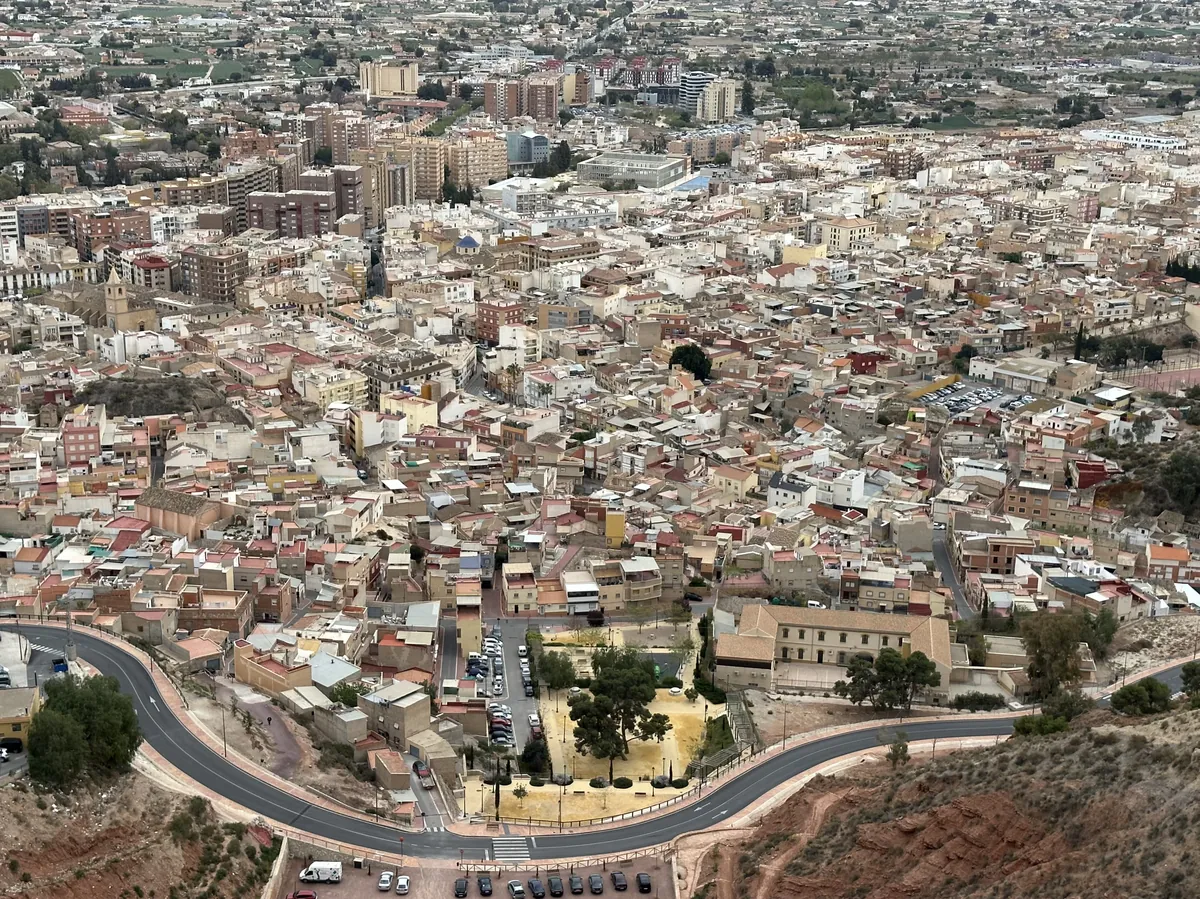
Parking is usually straightforward outside peak hours. The town centre is compact and revolves around a main avenue where you will find the essential services. The central square has a kiosk and little else to hold attention for long.
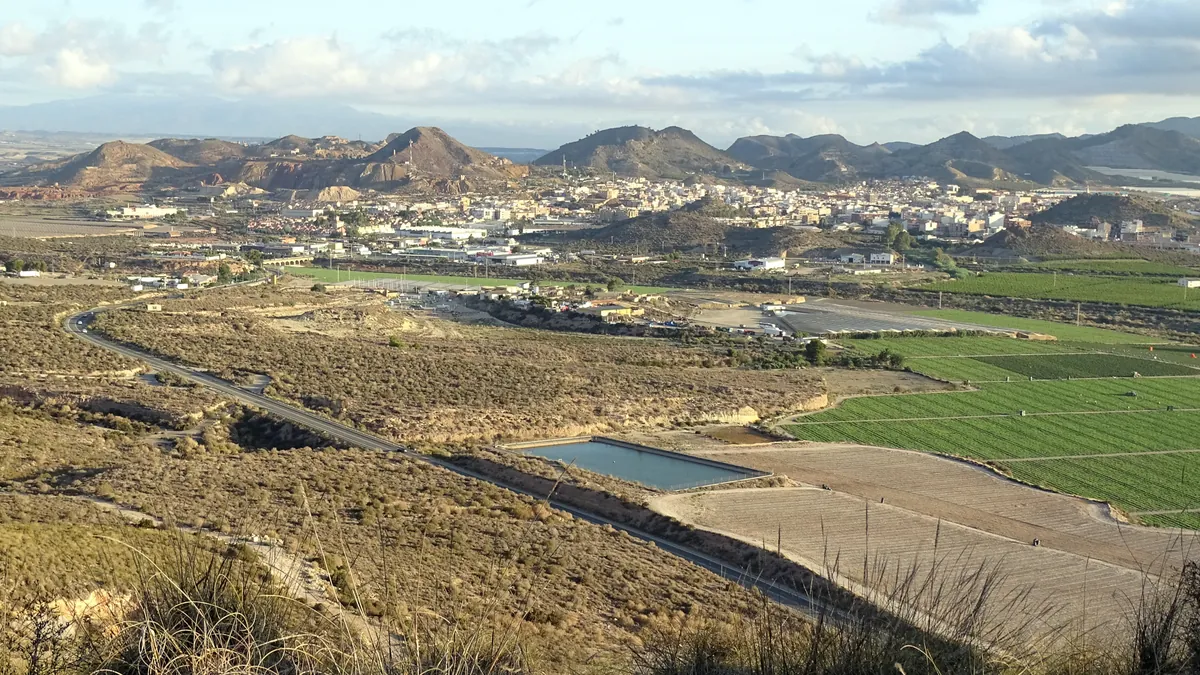
Anyone searching for historic buildings or carefully preserved corners for photographs will not find much to work with here. The whole centre can be covered on foot in just over twenty minutes. Beyond that, distances stretch out quickly. The municipality covers a wide agricultural area, so a car becomes necessary if you want to move beyond the main strip and into the surrounding countryside.
On Friday mornings, the weekly market sets up along the avenue. It follows a familiar pattern seen across many Spanish towns: practical clothing, durable shoes, and locally grown fruit. It serves its purpose for residents who come down from nearby hamlets rather than aiming to attract visitors. The atmosphere is functional, with people shopping for what they need rather than browsing for leisure.
The Nogalte hill and its past
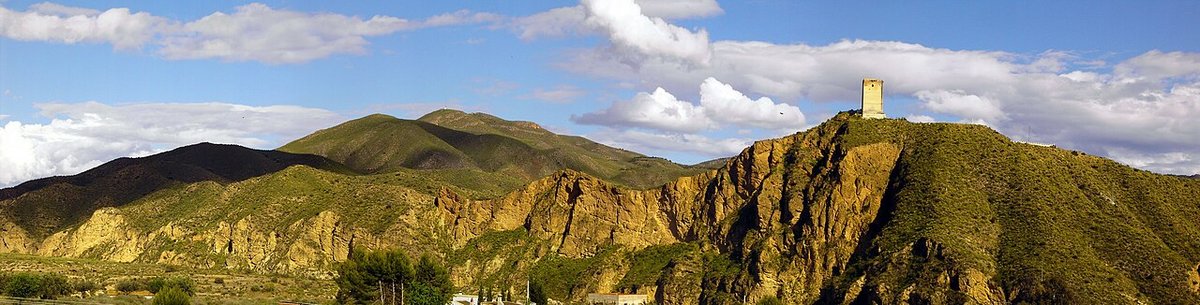
A few kilometres from the town centre, in the direction of the hills, lies the area known as Castillo de Nogalte. The approach is via a conventional road, and the journey can slow down if you encounter agricultural machinery along the way.
Despite the name, this is not a castle in the usual sense. What you find is a hill with remains of defensive walls and a group of cave houses carved into the rock. These homes have been restored, offering a glimpse into how people in the area lived just a few decades ago. It is the most notable point of interest in the municipality, though the visit itself is brief. Around half an hour is enough to walk through and take it in.
From the viewpoint, the Rambla de Nogalte comes into view. This dry riverbed can change dramatically during heavy rain. In 1973, a flood caused serious damage and loss of life. A plaque lists the names of those affected. It is worth taking a moment to read it, if only out of respect for what happened there.
Eating what the land provides
Food in Puerto Lumbreras is not shaped around tourism. It reflects what is produced locally and what people actually eat day to day. Dishes tend to be filling and straightforward. Migas con tropezones appear often, alongside embutidos from traditional pig slaughter and peppers grown in the area.
Tapas in local bars are substantial and priced in a way that matches everyday life rather than visitor expectations. There is no need to search for refined or elaborate options. A simple approach works best: if a bar is busy with local people eating, it is a safe choice to sit down and order.
Olive oil from the area stands out. The olive trees here cope well with the dry conditions, and the result is a product with a solid reputation among those who know it.
The Feria de Ganado
The first weekend of May brings the Feria de Ganado to Puerto Lumbreras. This livestock fair has deep local roots and centres on the agricultural life of the المنطقة. There are displays involving horses and other animals, reflecting the traditions of the surrounding countryside.
It is not an event designed with visitors in mind. The focus remains on people from the area and nearby communities who gather for the occasion. That gives it a direct, unpolished feel. At night, a verbena takes over, with popular music and a local crowd. What you see is what you get, without staging or adaptation.
A straightforward piece of advice
Puerto Lumbreras does its job well if you need to break up a long journey. It is less suited to a full weekend away, as you may find yourself with more time than there is to fill. Half a day is enough to visit the Nogalte hill, eat something, and move on.
Timing matters. The cooler months make a visit more comfortable. Summer brings intense heat, and walking up to the castle hill at midday is not a good idea in those conditions.
If you plan to explore the secondary roads that lead towards orchards and scattered buildings, keep navigation close at hand. It is easy to lose your bearings among similar-looking tracks and small structures. When in doubt, ask someone. People tend to be direct and will point you the right way without fuss.