Full Article
about Ricote
Ocultar artículo Leer artículo completo
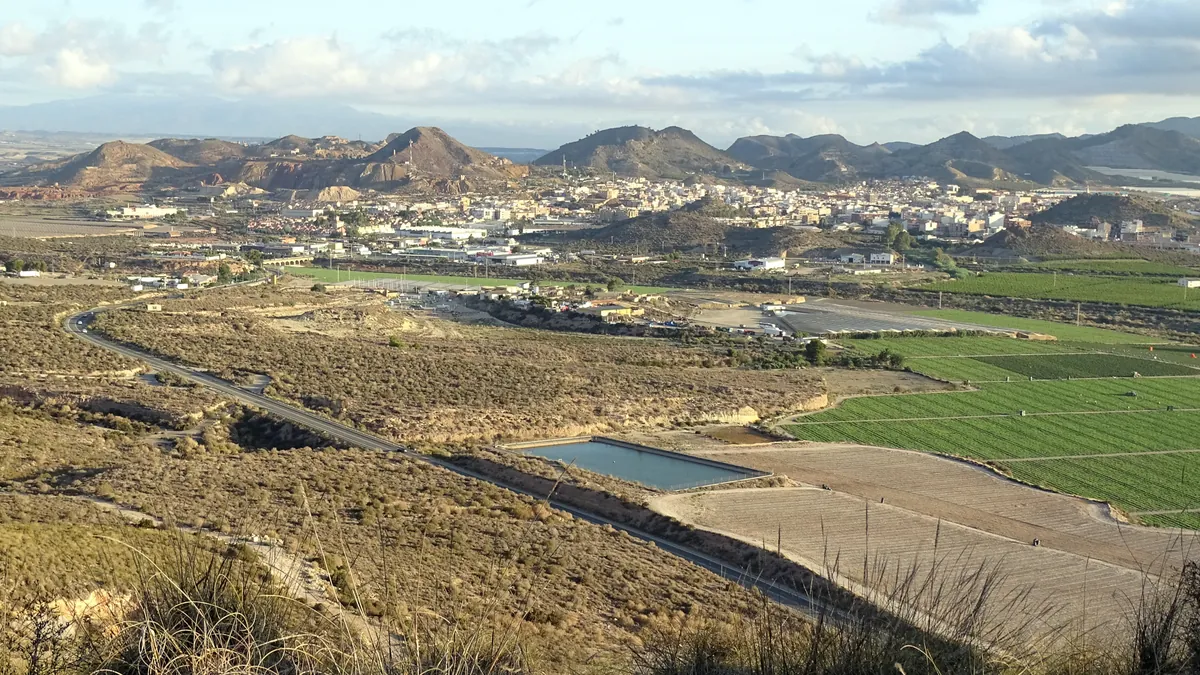
The morning mist lifts from the Segura River to reveal something unexpected: a ribbon of emerald green carved through southeastern Spain's arid mountains. At 293 metres above sea level, Ricote appears like a botanical impossibility—citrus groves and vegetable plots flourishing where brown foothills should dominate.
This agricultural anomaly exists thanks to medieval Moorish engineers who channelled river water through an intricate network of acequias still functioning today. Their irrigation system transforms what might otherwise be another sun-baked Murcian village into a productive oasis whose lemons achieve near-mythical status among Spanish chefs.
The Geography of Contrast
British visitors arriving from Alicante airport—just 75 minutes away—often experience mild vertigo from the environmental shifts. The coastal plain's palm-fringed beaches give way to almond terraces and olive groves before the landscape compresses into the Ricote Valley's steep walls. Here, microclimates operate with Tardis-like efficiency: afternoon temperatures can drop five degrees from those recorded in Murcia city, while overnight frosts occasionally threaten the citrus harvest despite daytime highs reaching 35°C in August.
Winter visits reveal the village's mountain character most clearly. January mornings bring mist pooling in the valley bottom, occasionally thick enough to obscure the 16th-century church tower. Snowfall isn't unknown on the highest peaks, though it rarely settles below 400 metres. Summer conversely delivers reliable heat—this isn't Costa Blanca's moderated coastal climate—but the narrow streets' medieval design creates natural air conditioning through carefully calculated shade and airflow.
Walking Through Living History
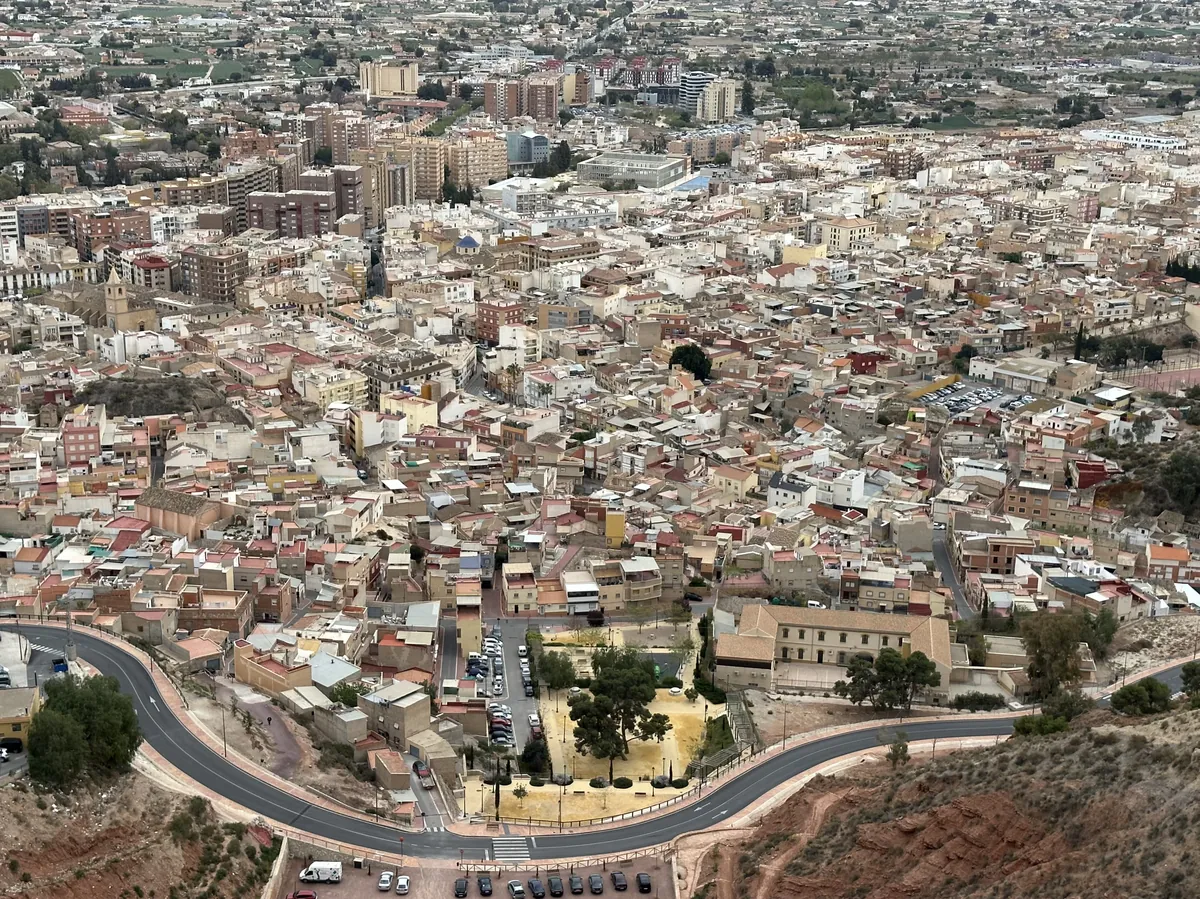
The village layout defies modern grid systems. Streets twist and narrow deliberately, following contours that maximise afternoon shade whilst channelling cooling breezes from the river. Houses back directly onto ancient acequias; residents still lift metal grates to divert water into backyard plots exactly as their Moorish predecessors did six centuries ago.
Start at the mirador above the town centre where the valley's geography becomes comprehensible. The Segura's meandering course created this flat-bottomed corridor between limestone massifs, its floodplain providing the agricultural wealth that funded Ricote's grander houses. Look for the distinctive tower of San Sebastián church—built atop a former mosque, its architectural hybridity speaks to the complex cultural layers underlying apparent Spanish simplicity.
The barrio of La Placeta preserves the most intact Moorish street pattern. Here, whitewashed walls reflect sunlight into narrow passages barely two metres wide. Doorways open onto interior patios where pomegranate trees provide October fruit and summer shade. Many houses retain their original water channels, feeding small pools that once served both practical and aesthetic purposes.
Beyond the Village: Valley Connections
Ricote functions as one node in a string of settlements following the river's 25-kilometre valley corridor. Walking tracks connect these communities through orchards and across foothills, creating multiple itinerary possibilities. The route to neighbouring Villanueva del Río Segura takes approximately 45 minutes along a well-marked path traversing irrigation channels and smallholdings where farmers sell surplus produce from roadside tables—expect to pay €2 for a kilo of oranges, slightly more for the renowned Ricote lemons.
More ambitious hikers can tackle the circular route ascending the valley's northern escarpment. This two-hour walk climbs 200 metres through almond and olive terraces before reaching a ridge offering panoramic views across the entire agricultural basin. Spring brings wild asparagus sprouting beside the path; autumn delivers mushroom hunting opportunities in the pine plantations above the village.
When to Visit: Seasons and Sensibilities
March delivers the valley's most photogenic moment when peach and almond blossoms create clouds of pink and white against ochre hillsides. Temperatures hover around 20°C—perfect walking weather—though Easter week brings Spanish domestic tourists and accommodation prices increase accordingly.
May offers arguably the best balance: reliably warm days, minimal rainfall, and the agricultural landscape at peak productivity before summer heat stresses both plants and visitors. Hotel rates remain reasonable outside Spanish public holidays.
August presents challenges. Daytime temperatures regularly exceed 35°C, making strenuous hiking inadvisable. Many British visitors combine early morning exploration with afternoon pool time at nearby Archena's thermal spa complex. The village itself hosts summer fiestas mid-month, providing cultural insights but also noise and crowds disproportionate to Ricote's usual tranquility.
November brings harvest season for citrus and late vegetables. Morning mist creates atmospheric photography conditions, though shorter daylight hours restrict walking opportunities. Some rural accommodation closes between November and February; verify availability before travelling.
Practical Considerations
Access requires private transport. Murcia city's bus network terminates at Archena, seven kilometres short of Ricote. Car hire from either Murcia or Alicante airports provides maximum flexibility; the final approach along RM-554 follows the river gorge through increasingly dramatic scenery.
Parking occupies designated areas at the village entrance—narrow medieval streets prohibit casual stopping. Saturday mornings bring a small market selling local produce; arrive before 11am for best selection of honey, preserves and seasonal vegetables.
Accommodation options cluster in three categories: converted village houses offering self-catering apartments, rural hotels in restored manor buildings, and modern spa hotels at Archena. Expect to pay €70-120 nightly for double rooms, significantly less for self-catering outside peak periods.
Dining reflects agricultural abundance rather than haute cuisine. Family-run bars serve migas—breadcrumbs fried with garlic and vegetables—alongside grilled meats and river fish. The valley's citrus appears in desserts; try pastel de limón, whose sharpness balances the underlying sweetness. Local wine comes from Bullas, 40 minutes inland, where high altitude vineyards produce surprisingly drinkable reds at €8-12 per bottle.
Ricote won't suit everyone. Nightlife means a quiet beer in the plaza; shopping extends to basic groceries plus Wednesday's travelling market. Mobile phone reception drops in the valley's deeper corners. But for travellers seeking Spain's agricultural heart beating beneath coastal tourism's surface, this mountain village delivers authenticity without self-conscious presentation. The acequias still flow, the lemons still ripen, and the mountains still provide the geographical theatre that shaped centuries of human settlement.