Full Article
about Ulea
Hide article Read full article
A hillside village shaped by light and quiet
Morning sun hits the whitewashed façades of Ulea with a brightness that makes you narrow your eyes. Sound carries differently here. A distant car might pass, but what stands out is the steady flow of water through irrigation channels and the soft movement of lemon tree leaves. Around 35 kilometres from the city of Murcia, this village of roughly 900 residents moves at its own pace, set on a slope overlooking the fertile plain of the Segura river.
The sense of stillness is not staged or curated. It comes from the way the place functions, from how the land is used and how the streets are built. Ulea does not try to compete with busier destinations. It simply continues as it is, shaped by geography and habit.
Streets that follow the slope
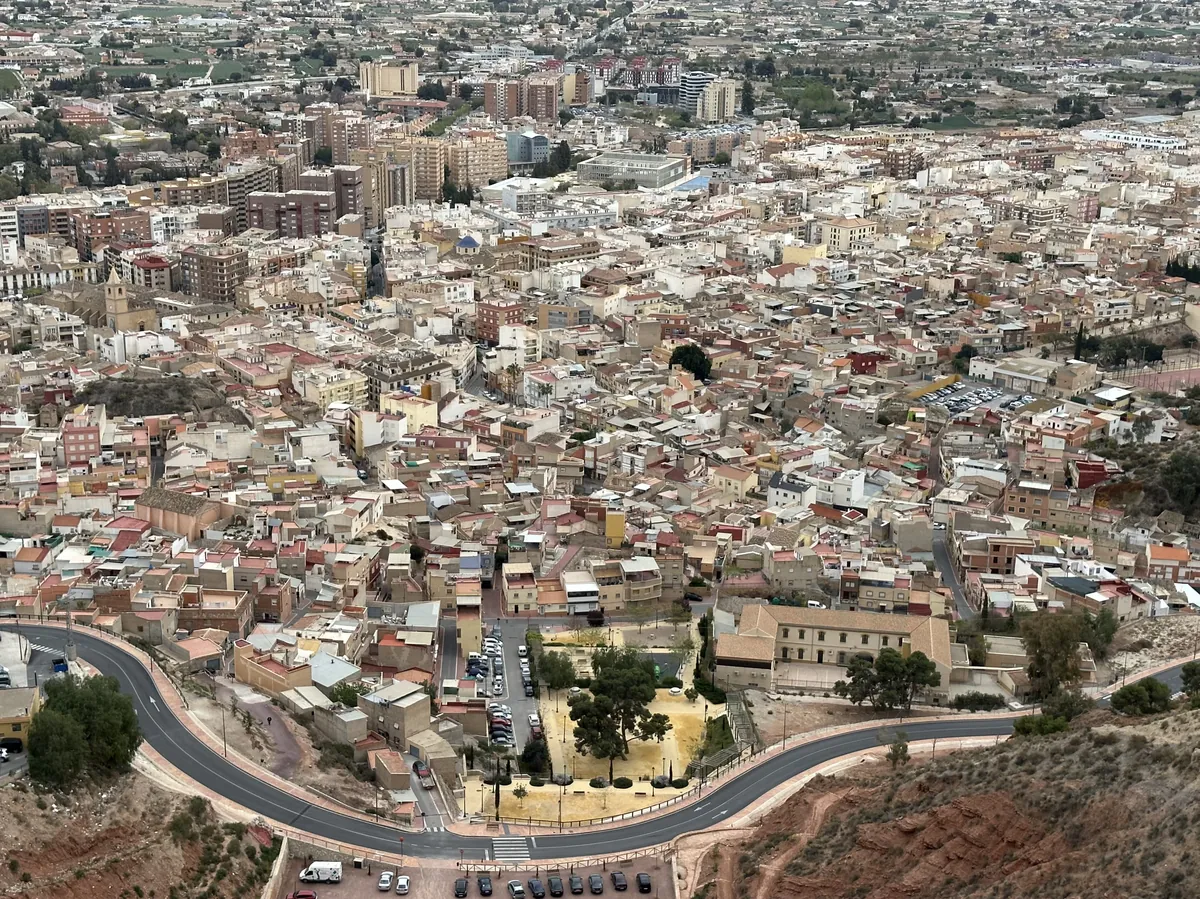
The old quarter feels like an exercise in balance. Streets rise and fall with a gradient that you notice in your legs, encouraging a slower walk. Houses here were built with thick walls, designed to hold cool air inside when temperatures climb. Details in the door lintels and the layout of narrow lanes still reveal an Arabic origin. This is a layout created for shade and daily interaction, not for cars.
At the highest point stands the church of San Bartolomé. It does not aim for grandeur. The building reflects layers added over centuries on the site of a former mosque. Its surroundings open out to a clear view across the valley. A band of intense green cuts through otherwise dry terrain, with the Segura river acting as the central thread that ties the whole area together.
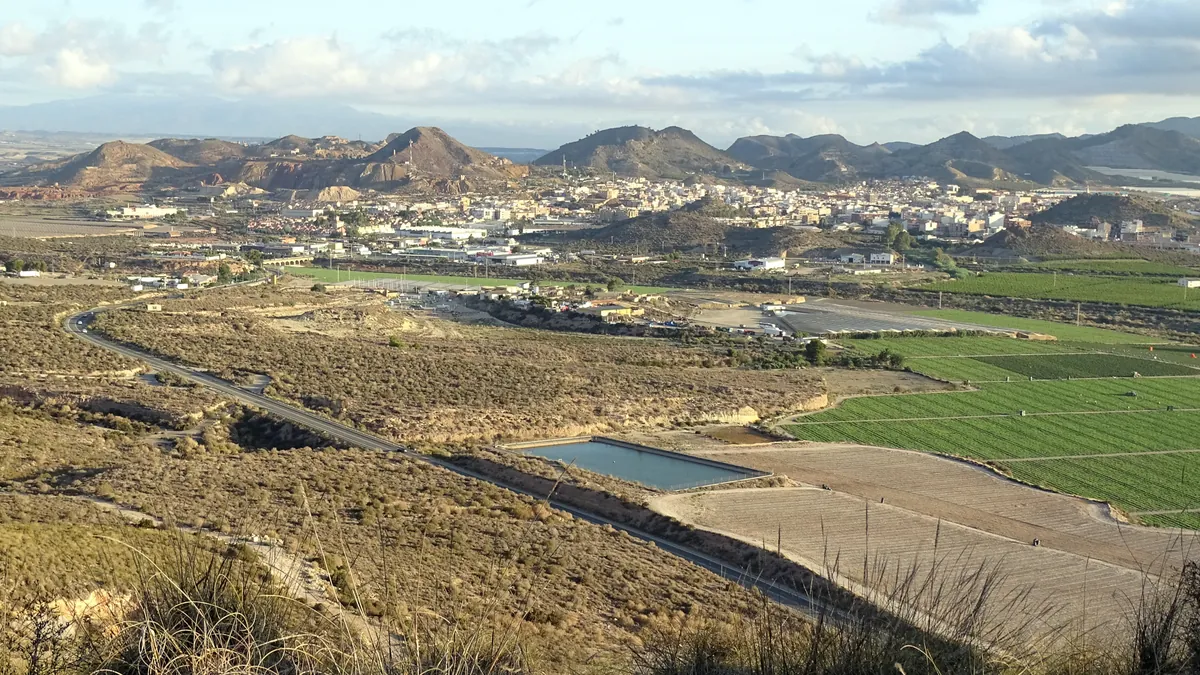
That contrast defines the visual identity of Ulea. Dry hills rise around a cultivated strip that depends entirely on water management. From above, the relationship between settlement and landscape becomes obvious.
Water as the organising force
A walk down into the vega, the fertile plain, explains how Ulea works. The land flattens out, and in spring the scent of orange blossom grows thick in the air. The Paraje de la Umbría offers one of the clearest views of how traditional irrigation systems have shaped this territory. Channels known as acequias carry water through the fields. They are not decorative or historical remnants; they remain essential.
Without these channels, the contrast between the dry hills and the orchard landscape would disappear. Water dictates what grows, where it grows, and how the land is divided. The result is a patchwork of cultivated plots set against a much harsher natural backdrop.
Paths extend from Ulea towards nearby villages such as Ojós and Villanueva del Río Segura. These are simple dirt tracks that pass through farmland. You should not expect constant signposting or marked routes. Orientation relies on following the river’s course or heading upwards to gain a clearer view of the terrain.
The environment shifts as you move through it. Olive trees appear, along with low shrubs rooted in dry soil. Under the midday sun, the ground gives off a distinct scent of dust and stone. The landscape feels exposed, shaped by heat and limited water, yet carefully managed where irrigation reaches.
Seasonal rhythms and local flavours
Life in Ulea follows the calendar closely. Timing matters if you want to notice changes in the air and landscape. Orange blossom season marks one of the most distinctive moments of the year, when the scent becomes a defining feature of the valley.
Summer brings a different experience. Midday in July and August can be intense. Heat builds in the valley, and the stone surfaces of the streets reflect it back with a sharp glare that makes being outside uncomfortable. The village does not transform for visitors during these months; conditions simply become more demanding.
Food reflects what the surrounding land provides. Meals are tied to the huerta, the cultivated fields, and the nearby hills. Rice with rabbit and snails appears as a familiar reference point. Even so, it is the seasonal vegetables that define everyday cooking. Artichokes, broad beans, or tomatoes take their turn depending on the time of year, shaping flavours in a direct and uncomplicated way.
This approach to food mirrors the broader character of Ulea. There is no attempt to separate daily life from the environment. What is available locally determines what ends up on the table.
The road into the valley
Reaching Ulea from Murcia follows a straightforward route at first. The A-30 towards Albacete leads the way before a turn in the direction of Cieza. The final stretch runs along a regional road that enters the Ricote Valley. This is where the shift becomes noticeable. The surroundings change, and the pace of travel seems to slow as the road moves deeper into the valley.
Arrival does not call for much planning. Once there, leaving the car behind and continuing on foot makes the most sense. The incline of the streets is part of the experience, and it is only fully understood by walking through it.
Ulea does not present itself through landmarks or major attractions. Its identity comes from smaller elements: the sound of water in the acequias, the layout of its streets, the relationship between dry hills and cultivated land. Everything connects back to the same idea, that this is a place shaped over time by water, terrain and routine rather than rapid change.
The result is a village where movement slows naturally, not as a concept but as a consequence of how it has always functioned.