Full Article
about Villanueva del Río Segura
Hide article Read full article
Villanueva del Río Segura feels like that relative who moved out to the countryside to grow oranges and suddenly found the street full of cars. In 1990 there were fewer than a thousand residents; today the figure sits around 4,000. The growth shows in new housing estates and in the number of roundabouts, which has clearly increased over the past decade. Yet the essential point remains: people here still make a living from the land rather than from visitors. In the Ricote Valley, that makes a difference.
Orange Blossom, Not Branding
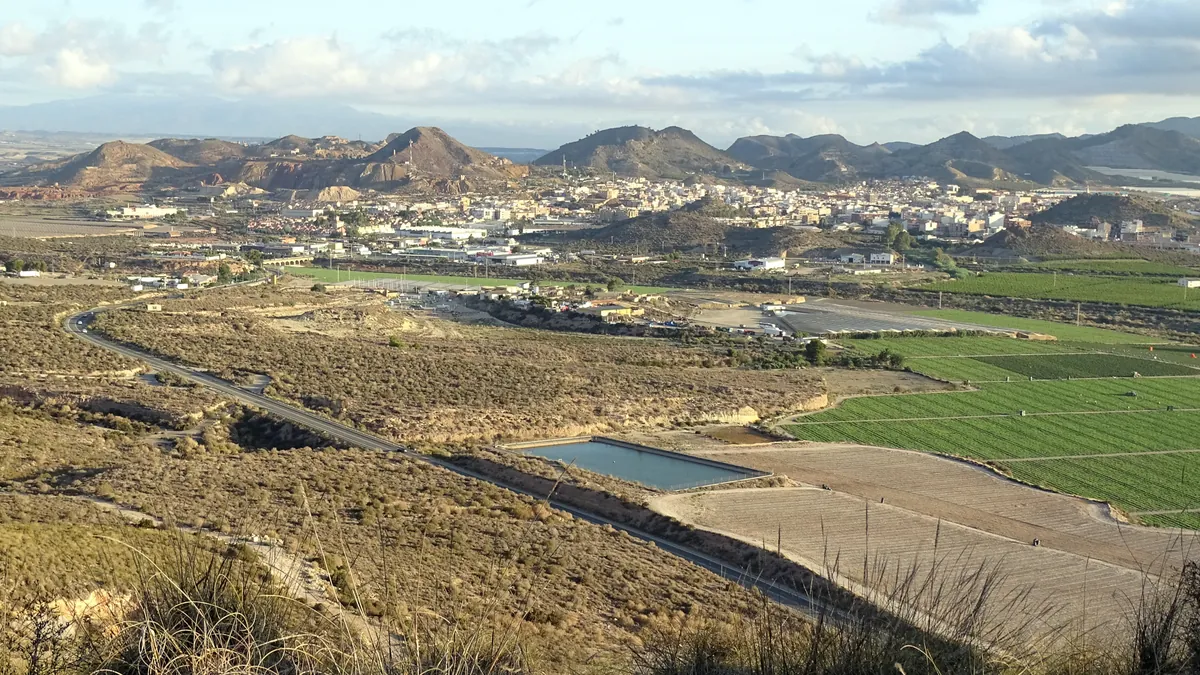
Approach along the A-30, wind the window down, and the smell arrives first. It is not artificial fragrance. It is azahar, the blossom from the orange trees lining the Segura river. It might seem staged at first, as if designed to improve a photograph. The reality is simpler. This is working farmland, the huerta that employs much of the village and feeds a wider region.
Along Calle Mayor, tractors are parked as casually as scooters. On a terrace at the corner, a man explains how this year the apricot harvest has come three weeks early. No one interrupts. Fruit here is not decorative. It pays the bills at the end of the week.
The View from the Corazón de Jesús
The hermitage sits above the village, about 2 km from the centre. The walk up is gentle enough to tackle without much effort. At the top stands the statue of the Sagrado Corazón: three metres tall, white, with the watchful air of something that sees everything from a distance. At night it is lit, and from below it becomes a constant reference point.
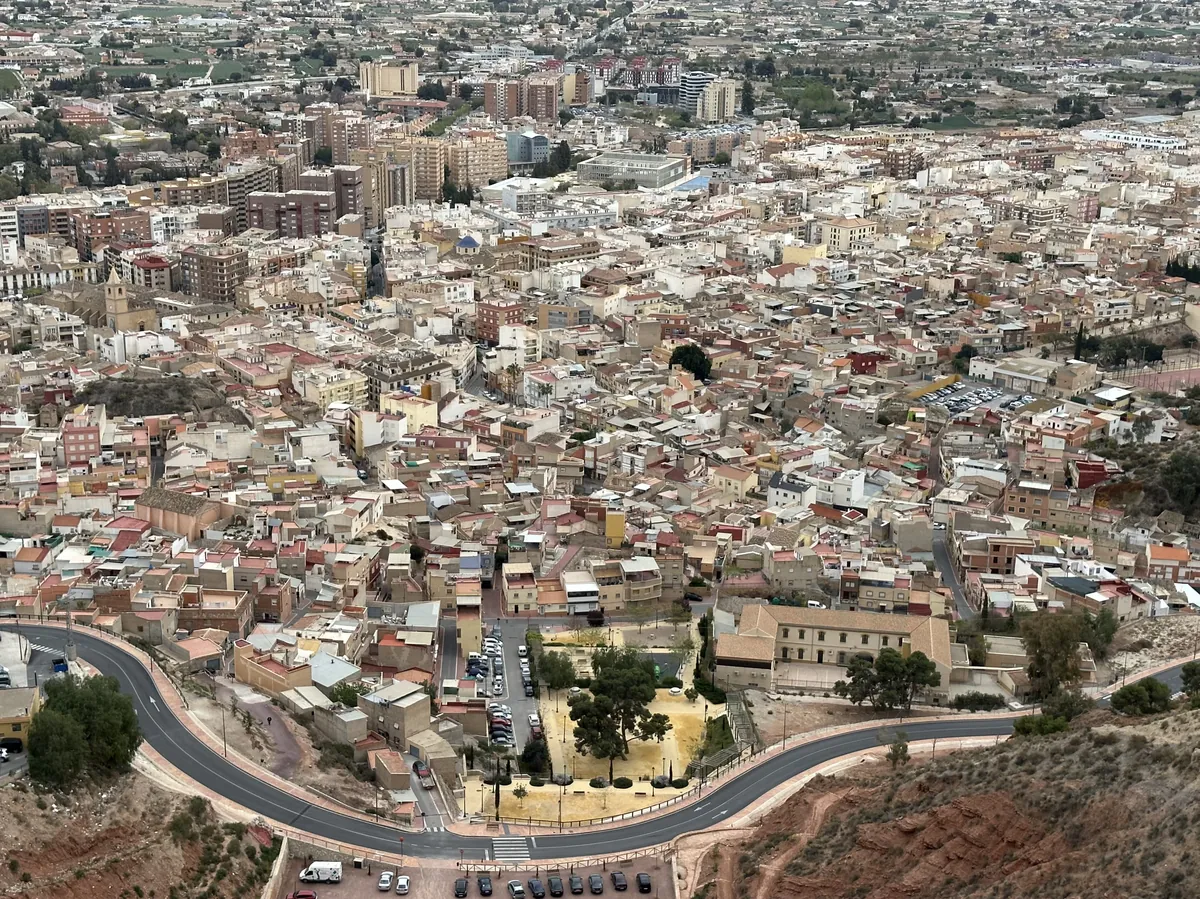
From this height, the layout of Villanueva del Río Segura becomes clear. The village is pressed between the hillside and the river, fitted into the gap with little room to spare. To one side lies Ulea, the neighbouring town. Years ago, children threw stones from a spot known as La Asomada. These days, messages travel instead, often to announce the procession of San Roque. Time changes habits, even if the setting looks much the same.
Eating Like a Murcian Grandmother Is in Charge
Food here follows the logic of the kitchen at home. Zarangollo appears without fuss: courgette, onion, egg. That is all it needs. Order a half portion and expect more than enough. Then come michirones, stewed broad beans with the presence of something heartier. If luck allows, there is arroz con liebre. The ingredients are straightforward. The hare comes from nearby hills. The rice is bought through the village cooperative.
Dessert keeps the same tone. A paparajote arrives, a lemon leaf coated in batter and fried, with a flavour that recalls a sugared fritter with a citrus edge. Coffee may come with a small almond mantecado that collapses at the slightest touch. No one talks about reinvention or modern techniques. This is food that assumes you will slow down afterwards, whether you planned to or not.
Festivities That Keep Their Shape
The calendar still follows familiar patterns. On 24 June, San Juan brings bonfires to the square. People turn up with their own camping chairs and settle in. There is no entrance fee, no sense of performance for an online audience.
On 17 August, the parade of floats begins in the San Roque neighbourhood and moves towards the town hall square. Children ride on lorries decorated with coloured paper. Sweets are thrown into the crowd, and traditional pasodobles fill the air. The scene has changed little in spirit.
Easter Monday marks the romería de la Mona. Families head up to El Cajal carrying sandwiches and lemonade, gathering under the pines. There are no DJs and no modern food stalls. The setting does the work, along with the occasional grandmother who still sings a jota.
A River That Stays Present
The Segura is not hidden away. The El Golgo path runs from the bridge down to the riverbed, about 1.5 km there and back. The route is flat and easy to follow. Native crayfish once lived here, though American species have replaced them. The water remains clear and cold.
Longer walks lead further into the landscape. The Huerta Vieja route passes irrigation channels and apricot orchards. In spring, the scent becomes almost overwhelming. Higher ground waits along the Cañada Cartín, where abandoned farm buildings stand in isolation, resembling the set of an old western. Shade is scarce. An almond tree may be the only relief, so carrying water is essential.
When It Makes Sense to Visit
Spring suits Villanueva del Río Segura well. Orange blossom reaches its peak, and temperatures stay manageable. August offers the parade, though the heat can be intense. Accommodation is limited, with a few rural houses and little else. There are no souvenir shops either. Anyone wanting to take something away can buy apricots from the cooperative. They last only a couple of days once ripe, but those days are worth it.
Villanueva del Río Segura does not behave like a destination designed for ticking off a list. It works better on its own terms. Think of it as borrowing a friend’s kitchen: arrive, eat, take a walk, then leave before the host grows tired.