Full Article
about Yecla
Hide article Read full article
A town set between two airs
Yecla sits at 602 metres on the Murcian Altiplano. The air here is drier than on the coast, carrying a hint of the neighbouring La Mancha plain. The rhythm is marked by the bell of the Basílica de la Purísima, a sound that paces the hours in the Plaza Mayor. For over a century and a half, the local economy has turned on two things: wine and furniture. You sense it in the scent of oak from workshops and the fermentation in cellars.
The town centre is compact, with streets radiating from the main square. The land slopes upward, a gentle but constant climb towards the higher ground of the old quarter. This elevation isn't just topographical.
Vineyards that shaped the land
While the Yecla Denominación de Origen was formalised in 1975, the vines have a much longer history. Roman presses were found at Los Torrejones, and later Arab communities developed the irrigation that allowed cultivation to spread. Today, some 45 kilometres of vineyards encircle the town, their roots in poor, limestone soils.
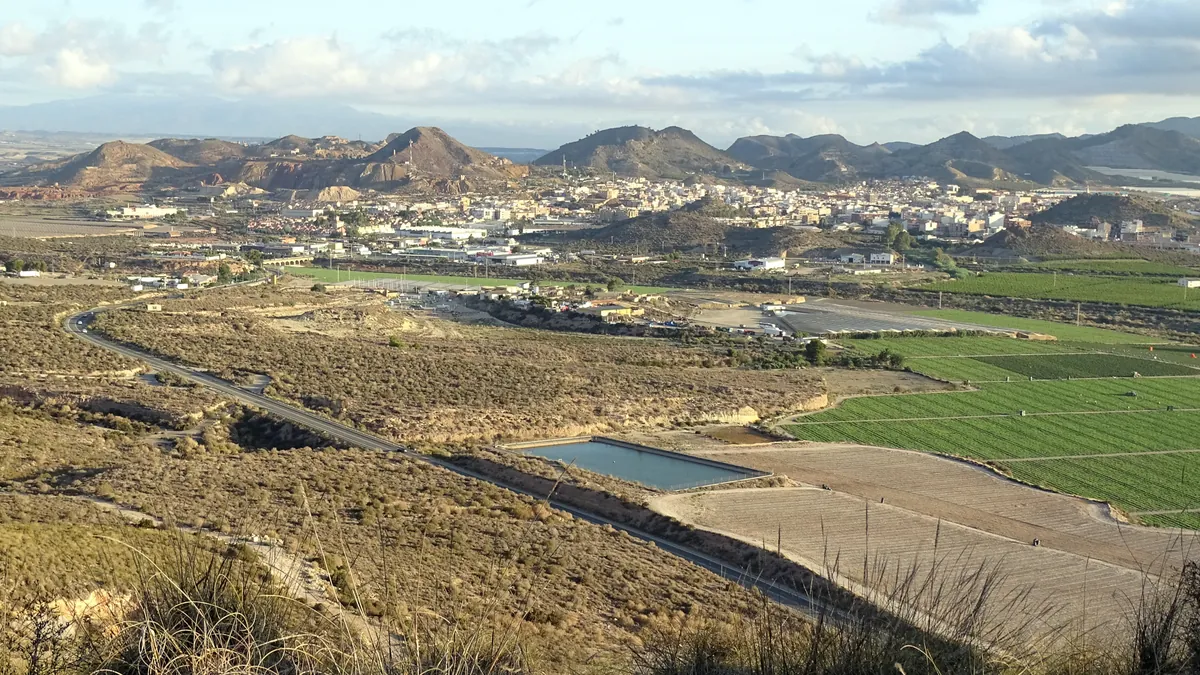
The Monastrell grape dominates. It’s a variety that tolerates the sharp winter frosts and parched summers, yielding wines with a deep colour. The relationship between this climate, the soil, and the grape becomes clear when you drive through the campo.
Following the Ruta del Vino is the simplest way to understand this landscape. At a winery, they might explain how Monastrell ferments at 28 degrees, or pour a crianza that carries notes of the local thyme and rosemary scrub. In April, if rain falls, the smell of damp earth mixes with the must from the previous harvest. It’s then you understand why people here speak about wine as something that belongs to them.
Stones that recall a frontier
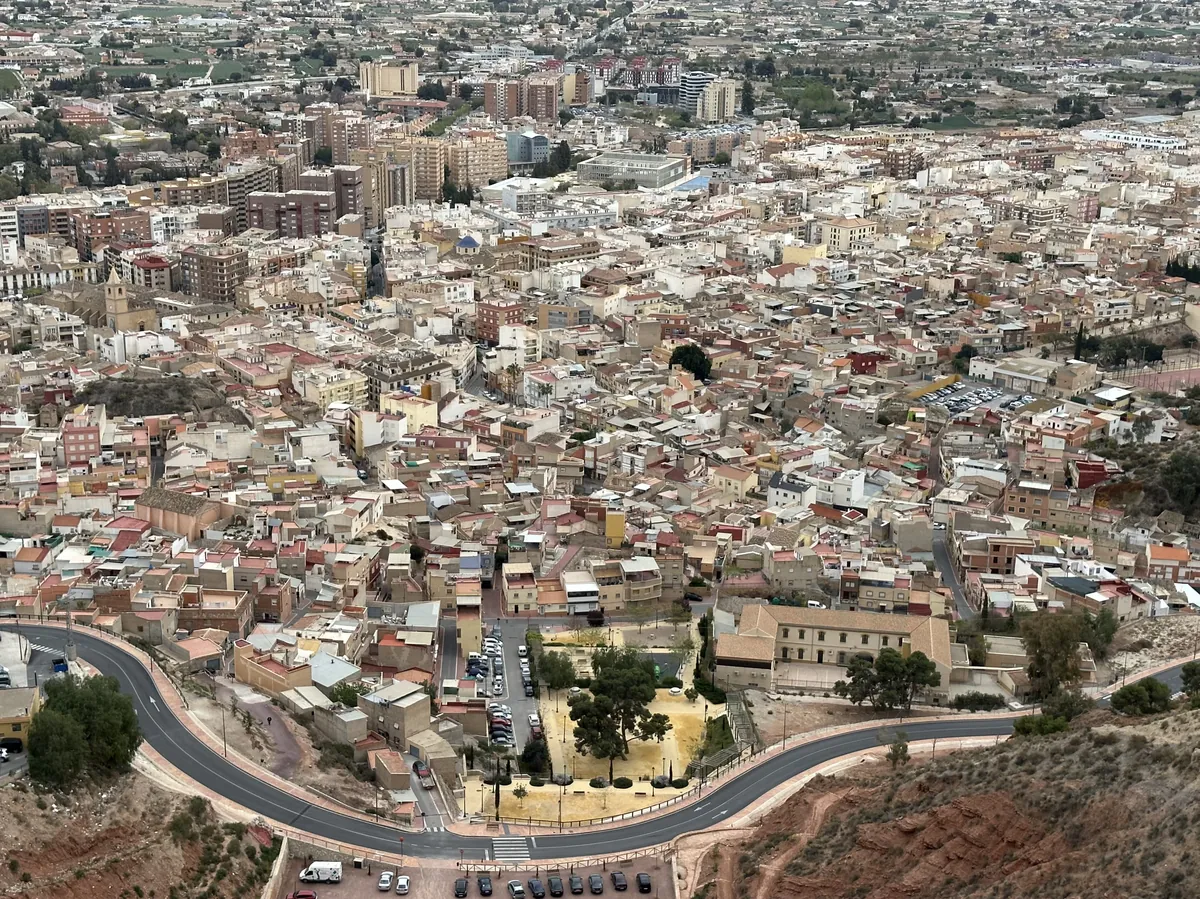
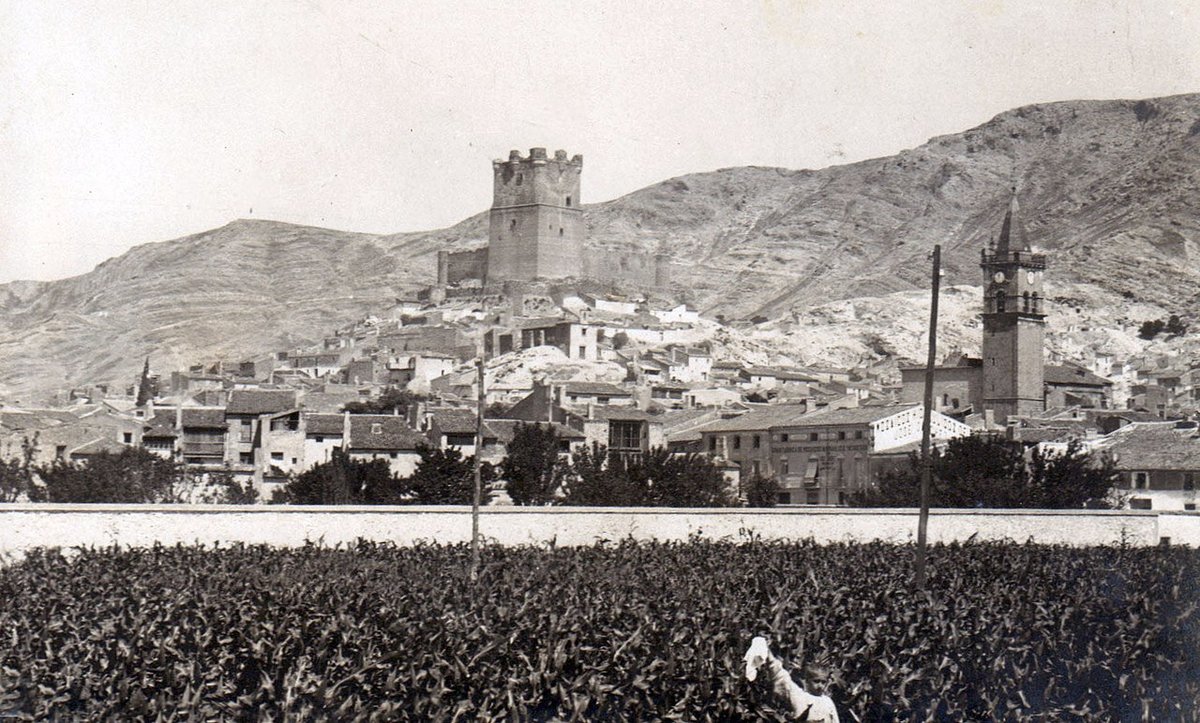
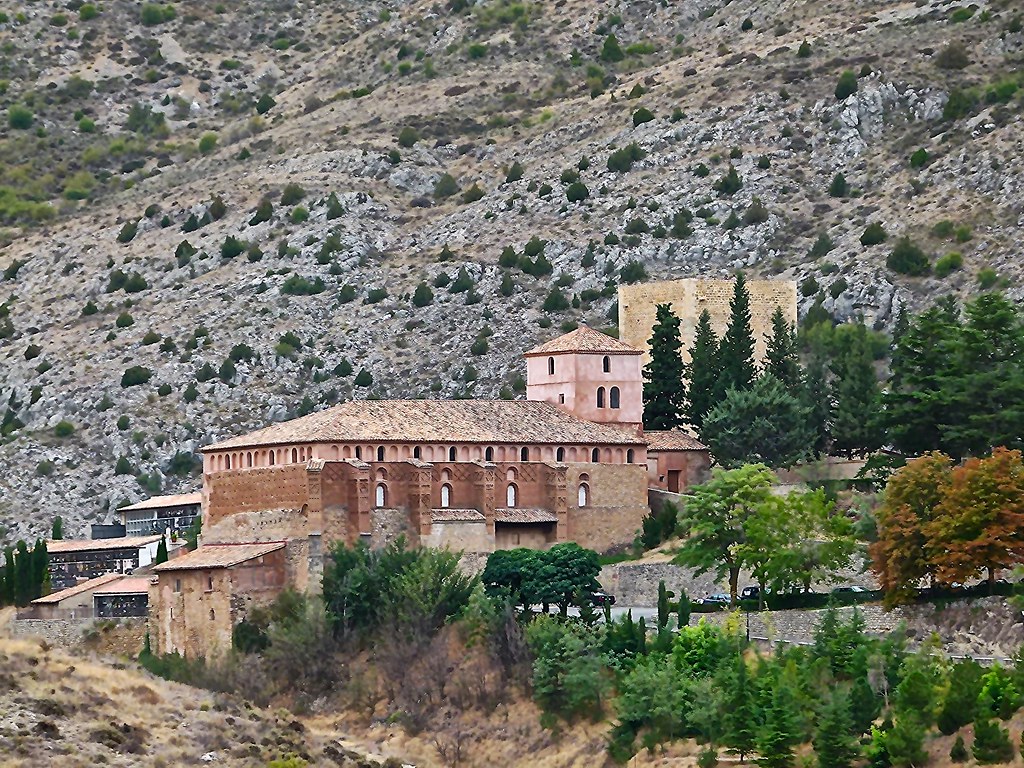
The view from the Cerro del Castillo explains Yecla’s past as a frontier settlement between al-Ándalus and the Christian kingdoms. The 11th-century Almohad fortress, Hisn Yakka, is gone. Its stone was reused to build the Ermita de San Roque, completed in 1451 and the only Mudéjar building on the Altiplano.
The hermitage preserves its original wooden ceiling structure. The masonry walls, reinforced with ashlar blocks at the corners, show a period of overlapping techniques and cultures.
Lower down, the Iglesia Vieja de la Asunción began construction in 1512. Its style is a blend of late Gothic and Mudéjar, topped by a Renaissance tower. The limestone of its façade shifts colour: pale white in the morning light, turning to ochre by late afternoon. Inside, the main altarpiece houses a 16th-century Calvary. Each Semana Santa, it was traditionally dismantled and carried in procession through the steep streets, a physical link between the church interior and the town.
When the streets become a stage
Yecla’s character consolidates during the Fiestas de la Virgen del Castillo, held from 6 to 8 December. On the morning of the 7th, at eight o'clock, arcabuceros fire their black-powder guns from the castle grounds. The report echoes off whitewashed walls across the town. This precedes the descent of the Virgin in procession, a route she has followed since 1642.
Another ritual takes place in May in the Plaza Mayor: the burning of the Judas. These are effigies of cloth and paper, often satirising local or national figures. One typically represents an outsider baffled by local customs, like dinner at ten in the evening. The burning is quick, leaving a smell of gunpowder and resin in the air. The next day, children collect the rusted nails from the pyre as keepsakes.
These events structure the local year. They are not performances for visitors, but how the town sees itself.
A gazpacho with its own rules
Ordering gazpacho here requires setting aside expectations. It is served hot, contains no tomato, and is based on a wheat broth with small rabbit meatballs, paprika, and pieces of stale bread. It comes in earthenware bowls, a dish for winter when the cold tramontana wind blows in from Albacete.
This is harvest food, designed to be warm and fortifying for vineyard workers. The name is misleading; it shares little with its Andalusian counterpart.
In local bakeries, you’ll find roscos de vino, firm biscuits flavoured with anise and clove. They are meant to be dipped into the last glass of Monastrell on the table. At Easter, monas de Pascua appear—sweet breads decorated with a sugar feather, given as gifts on Easter Sunday. By Monday, you might notice neighbours casually comparing the size of their mona, a quiet measure of social standing.
Getting around and looking further
Yecla has no railway station. The bus from Murcia takes about an hour and a half; having a car is more practical for exploring the scattered vineyards and sites. The old town can be walked in two hours, including the climb to the castle. Wear shoes with grip—the cobbles are slippery when wet.
For context beyond the town, Monte Arabí lies 7 kilometres along a track off the Fuente-Álamo road. Its rock shelters hold schematic paintings estimated to be 4,000 years old. The site is signposted but has no services; bring water. Avoid August, when the heat reflected from the stone is intense.
September brings the Feria del Mueble. The town becomes an open showroom for local manufacturers. Prices are closer to wholesale and negotiation is part of the process. It’s common to see cars being loaded with oak chairs before heading home. This isn’t craft folklore; it’s industry, operating on the same seasonal rhythm as the vineyards. As evening falls, that rhythm—of land, work, and habit—settles over the town again.