Full Article
about Zugarramurdi
Witch Village; known for its cave and historic Inquisition trial
Ocultar artículo Leer artículo completo
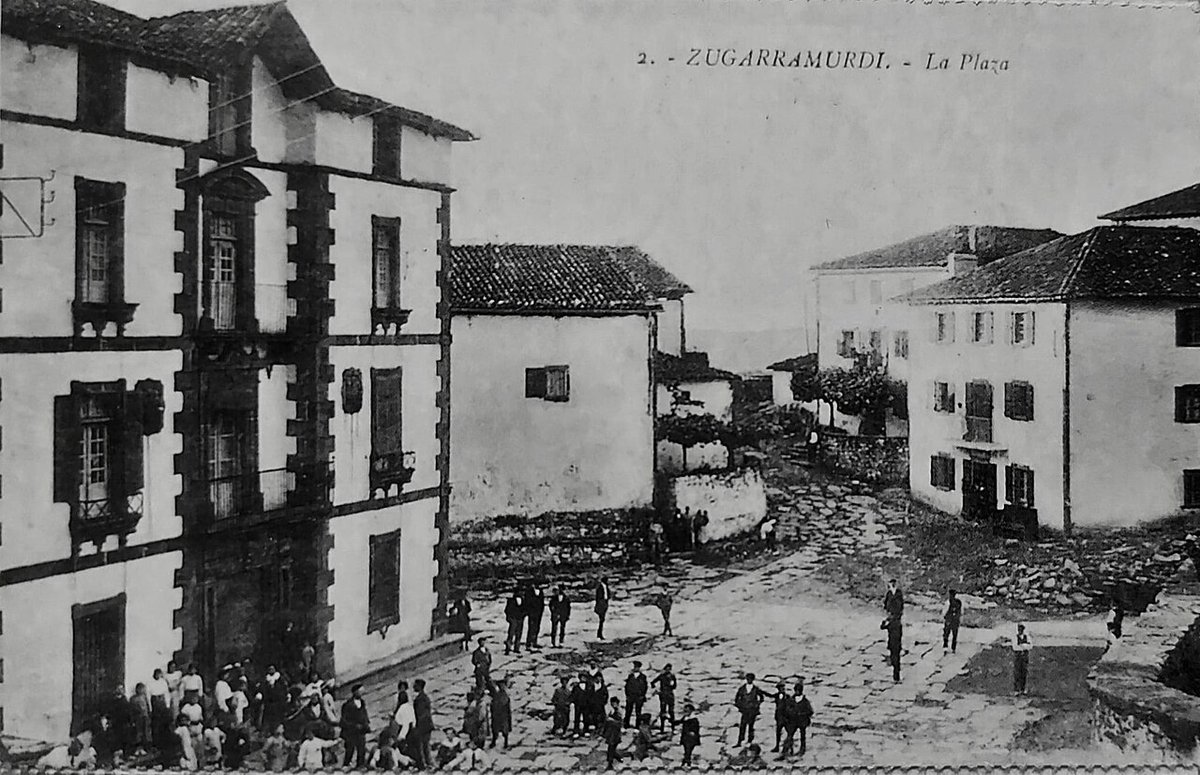
The road from Bayonne climbs steadily through beech woods until, at 200 metres above sea level, the tarmac flattens and stone houses with red-shuttered windows appear. A hand-painted board reads Zugarramurdi – 231 habitantes. That figure hasn’t changed much since 1610, when the Spanish Inquisition packed the same houses with neighbours accused of dancing by moonlight inside a nearby lava tube. The village still looks as though it could lock its gates at dusk and get on with centuries-old business.
A cave that once hosted covens
Five minutes downhill, the lane ends at a cattle grid. Beyond it the land drops abruptly into a moss-green trench. This is the Cueva de Zugarramurdi, or Cuev’e las Brujas in local Basque – a 120-metre river tunnel wide enough to stable a coach and horses. There are no stalactites, just a smooth basalt floor worn slick by the Infernuko Erreka stream. Sound behaves oddly here: a child’s shout ricochets back like a football rattling around an empty stadium. On summer mornings sunbeams slant through fractures in the roof, giving the place the half-lit feel of a cathedral nave stripped of pews.
The Inquisition claimed that black he-goats were worshipped here; modern visitors are more likely to meet a spaniel chasing sticks in the water. The cave is open 24 hours and entry is free, but bring shoes with grip – the stones are greased with perpetual mist and the metal staircase down to the riverbed turns treacherous after rain. A phone torch helps too, because the council keeps lighting minimal to protect bats.
Museum without the mumbo-jumbo
Back in the village, the Museo de las Brujas occupies a 17th-century farmhouse opposite the bakery. Panels in Spanish, French and English walk you through the 1609–14 trials: 53 villagers interrogated, five burned in Logroño, the rest fined or flogged. Exhibits include a facsimile of the original indictment – spelling mistakes and all – and a revolving cabinet of herbs once used to treat everything from insomnia to bewitched cows. The curators resist the temptation to sell pentagram souvenirs; instead you get matter-of-fact rural history and a reminder that most “witches” were widows who owned grazing rights someone else wanted.
Opening hours shrink outside high season: closed Monday and Tuesday from October to May. Standard admission is €6, but they knock it down to €4 for students and the over-65s. If the door is locked, the woman in the adjacent tourist office will open up for stragglers provided she hasn’t started her lunch.
Lambs, cheese and the smell of hazel smoke
Food here is dictated by altitude and weather. Nights stay cool even in July, so vegetables arrive late and livestock mature slowly. The local speciality is zikiro-jatea: whole lamb butterflied on hazel twigs and roasted over beech embers until the skin crackles like parchment. You can taste it only during the fiestas (14–18 August) when half of Bayonne decamps to the village square. Arrive before noon or the queues resemble a Ryanair boarding gate.
At other times, the two café-bars dish out simpler plates: txistorra (thin, mild chorizo) stuffed into baguettes, or piperrada – a sweet pepper and egg stew that tastes like a Basque take on shakshuka. The sheep’s cheese is creamier than Manchego and comes with a rind stamped by the dairy cooperative in nearby Elizondo. Pair it with local cider, served in thin tumblers that you pour from shoulder height to aerate the liquid. The ritual looks showy, but the cider is flat within minutes so neck it quickly like a West Country farmhouse scrumpy.
A walk that ends in France
If the clouds lift, follow the signed Sendero de las Brujas east from the cave. The path sticks to the river for 3 km, climbing gently through bracken and wild mint until the water sinks into a sinkhole and the track pops out on the N-508. Cross the road and you’re in France; the village of Ainhoa, complete with its own Michelin-starred restaurant, is a 15-minute stroll further. The frontier feels irrelevant here – locals switch between Spanish, French and Basque depending on who answers the phone.
Turn back when you’ve had enough; the return journey is uphill and the clay soil sticks to boots like wet cement after rain. Allow an hour each way if you stop to photograph the collared flycatchers that migrate through in April.
When the weather closes in
Winter arrives early at 250 m in the Pyrenean foothills. From November to March Atlantic fronts slither over the ridge and park above the valley, dropping horizontal rain that turns the cave path into a luge. The museum shortens its hours, one of the cafés shuts entirely, and the nearest cash machine is a 10-minute drive away in Urdazubi – assuming the ink hasn’t frozen. On the plus side, you get the lava tube to yourself and mist rising off the river like dry ice. Bring waterproofs and a thermos; phone signal vanishes in the gorge.
Spring is kinder. Between late April and early June the surrounding meadows flare yellow with gorse flowers and the night-time temperature stays above 10 °C, perfect for wild-camping pilgrims on the Baztan variant of the Camino de Santiago. Autumn brings mushrooms and a russet tide to the beech woods, but also the azores – violent southerly gusts that can whip the Infernuko Erreka into spate within minutes. Check the forecast before committing to the riverside trail.
The practical bit, tucked in here
Zugarramurdi works best as a half-day detour between San Sebastián and Pamplona (each 55 minutes’ drive on the A-15 and NA-2600). A free car park sits 200 m above the cave; by 11 a.m. coaches from Bilbao claim every bay, so aim for opening time or after 4 p.m. when day-trippers drift back to the coast. There is no train, but ALSA runs a daily bus from San Sebastián’s Amara station at 09:15, returning at 17:30 – just enough time for cave, museum and lunch if you don’t dawdle on the footpath.
Accommodation is limited to three small guesthouses and a rural campsite on the ridge. Book August weekends months ahead; outside fiesta season you can usually secure a room the same day. Prices hover around €80 for a double with breakfast, cheaper than coastal Basque Country but steeper than inland Aragón.
Parting shot
Zugarramurdi trades on a 400-year-old panic, yet the place feels less spooky than calmly self-contained. Children race scooters past the church while their grandparents gossip in Basque over txikitos of white wine. The cave keeps its secrets, the museum keeps its lights low, and the village gets on with the business of being alive. Stay for an afternoon, walk into France if the mood takes you, then leave before the dusk settles and the lane back to the main road begins to glitter with frost.