Full Article
about Arantza
One of the five villages in the Cinco Villas region; ringed by a bowl of mountains and dense forests.
Ocultar artículo Leer artículo completo
The cattle grid on the NA-2600 marks the moment you leave Spain's Mediterranean climate behind. Within minutes, eucalyptus disappears and Atlantic beech forest closes in. By the time you reach Arantza's stone houses at 560 metres, the air carries that distinct Basque mountain bite – cool, damp, smelling of wet earth and woodsmoke.
This isn't the Spain of postcard plazas and orange trees. Arantza sits in the Bortziriak valley, 90 minutes north of Pamplona but culturally closer to Bayonne. The road here winds through 30 kilometres of switchbacks, climbing past smallholdings where weather-beaten farmers still cut hay by hand. Mobile signal dies somewhere around the 400-metre mark. By the time it returns, you're in a different country in all but passport stamps.
Stone, Rain and Silence
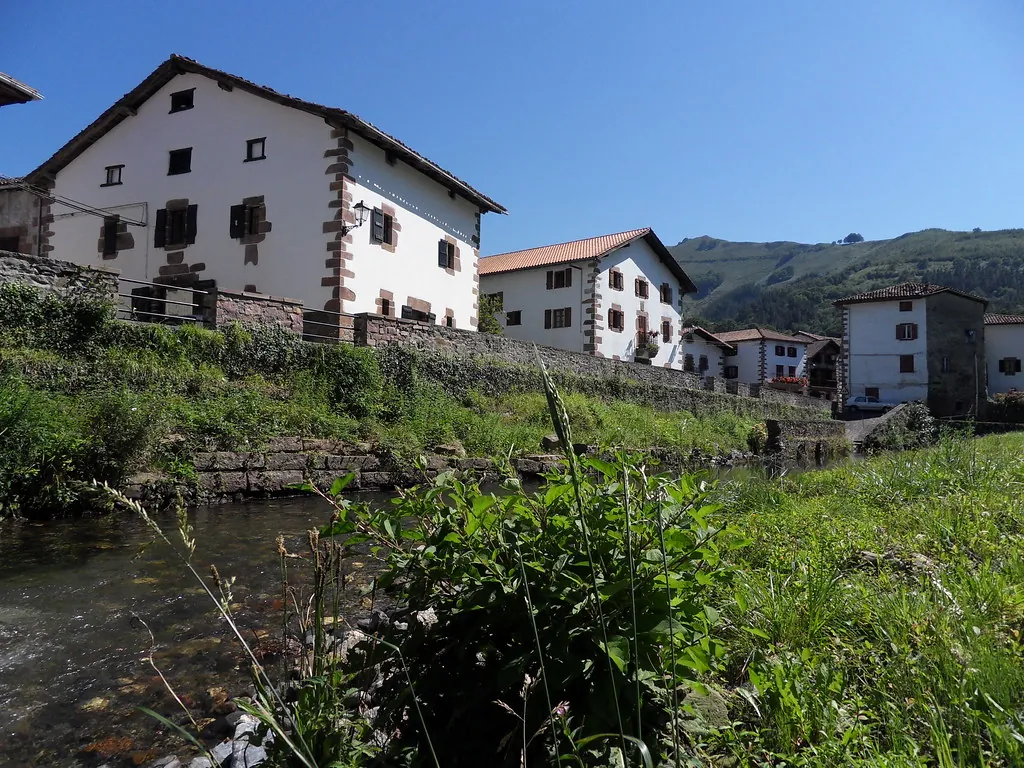
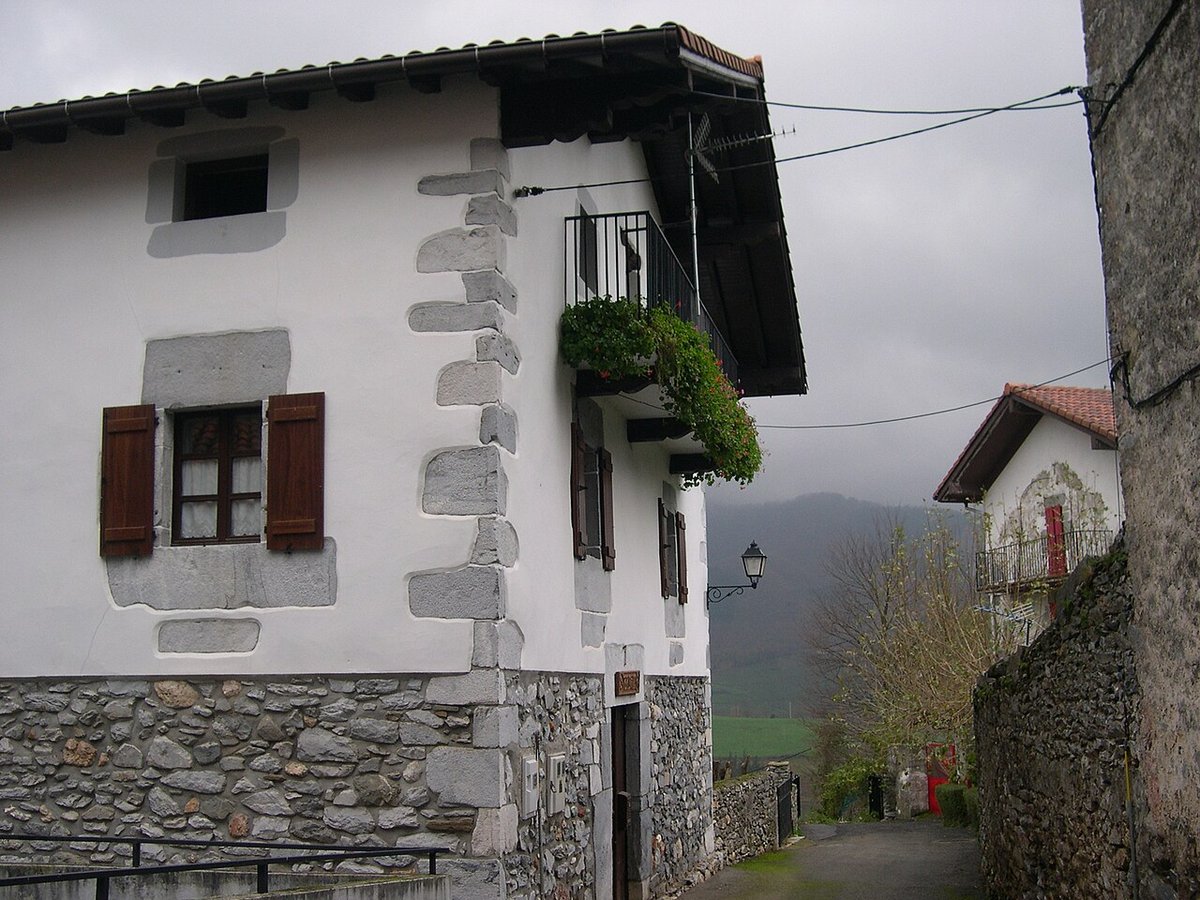
The village itself won't occupy you long. San Martín church squats solidly in the centre, its 16th-century stones blackened by centuries of Atlantic weather. Around it, perhaps thirty houses cluster in clusters – no grand squares or Renaissance façades here. The architecture is purely functional: thick stone walls, steep slate roofs designed to shed rain, wooden balconies that shrink inwards during winter storms.
What Arantza offers instead is space to breathe. Forest tracks lead directly from the village edge into beech and oak woodland that explodes with colour each October. The walking is gentle rather than dramatic – no jagged peaks or vertigo-inducing ridges, just rolling hills where wild boar outnumber people. Paths are unsigned but follow obvious livestock routes; when in doubt, head downhill and you'll hit a road eventually.
Summer brings hikers seeking refuge from Spain's interior heat, though even July evenings require a jumper. Winter transforms the valley into something altogether wilder. Fog rolls in at breakfast time and stays for days. The single road down to the N-121-A becomes treacherous with black ice. Locals stock up on supplies because when the snow comes – and it does, regularly – Arantza becomes an island.
Eating What the Forest Provides
Dining options are refreshingly limited. Bar Aldapa serves whatever's available: perhaps nettle soup followed by txuleta, that monumental Basque rib-eye cooked rare over oak embers. Portions assume you've spent the day hauling timber. The cider house season from January to April offers set menus of unlimited cider, salt cod omelette and steak – book ahead, particularly weekends, when half of Bayonne seems to drive over the border.
The hotel restaurant provides the only real alternative, though they'll swap chorizo for scrambled eggs if British palates protest. Breakfast features Idiazabal cheese so fresh it still tastes of sheep, plus honey from hives in the valley above. Don't expect flat whites or avocado toast – coffee comes strong and black, toast is proper bread thick enough to hold proper butter.
Sunday lunchtime everything shuts. The bakery runs out of bread by 11am, the single ATM often gives up entirely, and you'll be eating whatever you bought the previous day. This isn't tourist inconvenience – it's simply how rural Basque life functions when population drops below 600.
Walking Boots and Wet Weather Gear
Practicalities matter here. The nearest airport is Biarritz, 75 minutes away via mountain roads that would shame a Scottish Highland route. Bilbao adds another half-hour but offers more UK flight options. Car hire is non-negotiable – the last bus left decades ago, and taxi drivers refuse the mountain road after dark.
Pack proper waterproofs even in August. Atlantic weather systems hit these slopes hard; sunshine can vanish within minutes as cloud sweeps up from the Bay of Biscay. Walking boots with decent tread aren't fashion statements – they're essential for muddy paths that double as cattle tracks. Bring cash too. Cards work in the hotel and precisely nowhere else.
The walking rewards preparation. A gentle three-hour circuit heads west through the Arizmendi neighbourhood, past stone houses where washing flaps between wooden balconies, then up through beech forest to the abandoned Ziga farmhouse. Return via the valley floor where chestnut trees drop fruit onto the path each autumn. Wild mushrooms appear after rain – but unless you can distinguish edible from deadly, photograph don't harvest.
When Basque Culture Trumps Spanish Expectations
Language presents its own challenges. Road signs appear in Basque first, Spanish second. Locals switch effortlessly between the two, occasionally throwing in French for good measure. English barely exists – pointing at menus and smiling apologetically becomes standard procedure. The Basque language isn't a Spanish dialect but something entirely separate, and locals appreciate even failed attempts at "Kaixo" (hello) or "Eskerrik asko" (thank you).
This cultural difference extends beyond language. Evening pintxo crawls don't exist – social life centres around the hotel bar or occasional cider house gatherings. Fiesta calendars follow Basque rather than Spanish saints. Even the food feels closer to southwest France than Mediterranean Spain: richer, heavier, designed for mountain weather rather than beach culture.
The valley's four villages – Arantza, Bustintza, Orbaizta and Arizkum – function as one community. Children attend school in Arantza, adults shop in Bustintza, everyone uses facilities scattered between. This spreading out confuses visitors expecting concentrated village life. The attraction lies in driving between hamlets, discovering tiny chapels and ancient stone bridges that predate most European countries.
Leaving Civilisation Behind
Stay overnight if possible. Day-trippers arrive at 11am, photograph the church, complain about lunch options and leave by 3pm. They miss fog lifting off forest slopes at dawn, hear nothing of evening silence so complete you can identify individual cowbells across the valley. The hotel spa offers outdoor hot tubs where steam rises into mountain air while you plan tomorrow's walking route over local cider.
Three days works perfectly: arrive Saturday, walk Sunday, depart Monday having experienced both sunshine and Atlantic rain. Any longer requires self-sufficiency – there simply isn't more infrastructure. But that's rather the point. Arantza doesn't do attractions or entertainment. It offers something increasingly rare: a working mountain community where tourism remains incidental rather than essential, where walkers share paths with farmers who've used them for generations, where the weather and the landscape remain firmly in charge.
Book that hotel room, pack proper boots, and prepare to discover that Spain's most interesting corners often sit furthest from its famous stereotypes. Just remember to fill up with petrol before you leave the main road – mountain villages have long memories for visitors who arrive unprepared.