Full Article
about Igantzi
One of the five villages of Bortziriak; it’s home to the San Juan Xar nature reserve and the Irrisarri Land park.
Ocultar artículo Leer artículo completo
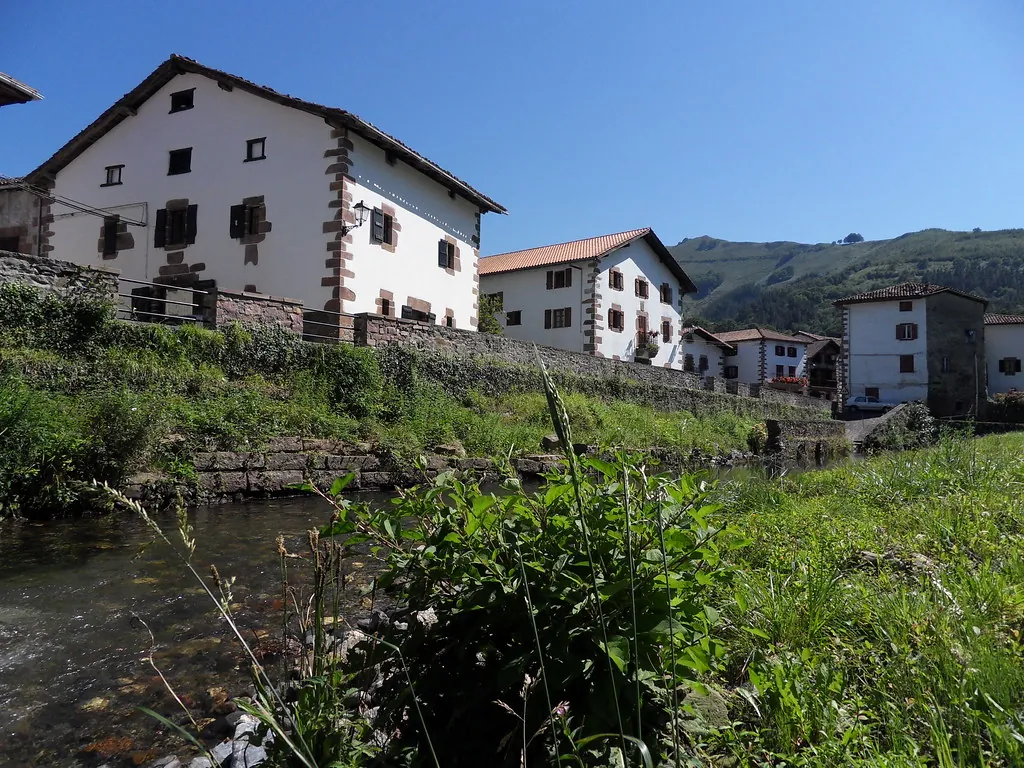
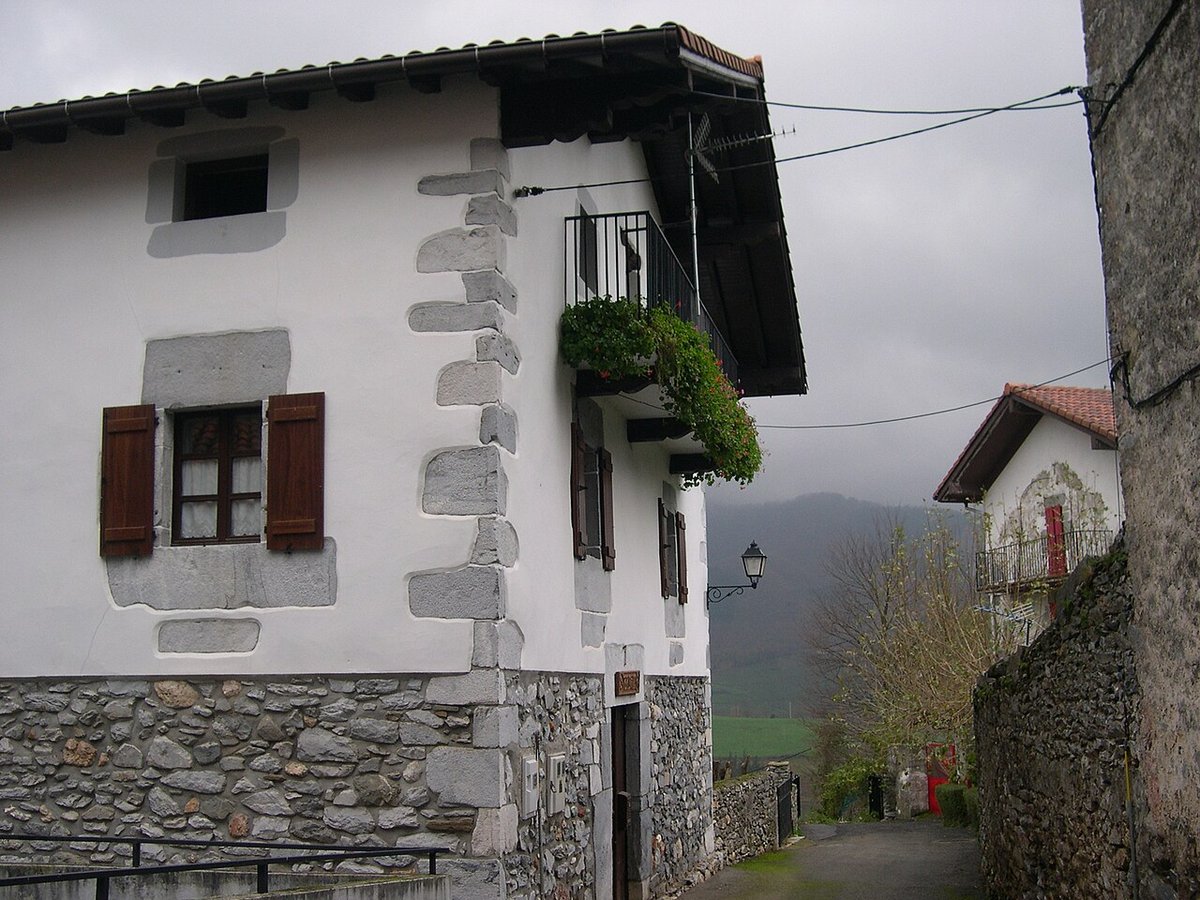
The morning mist lifts at 550 metres to reveal stone farmhouses scattered across folds of emerald pasture. Cattle bells echo from hollows you can't quite see, while woodsmoke drifts from chimneys that have been warming these hills since long before the Camino de Santiago diverted pilgrims seaward. This isn't postcard Spain—it's working countryside where neighbours still measure distance in walking time and the village centre amounts to a church, a bar, and a noticeboard advertising this week's cheese-making workshop.
Igantzi sits in the Bortziriak region, 35 kilometres inland from San Sebastián but climatically closer to the Pyrenees. The N-121-A drops you into the valley after forty minutes of switchbacks from Pamplona, then local roads weave between hamlets whose names—Arantza, Arotz, Ata—sound like whispered instructions for finding them. At 572 residents, the municipality spreads itself thin: houses perch on south-facing slopes to catch winter sun, linked by footpaths that predate any map. Drive slowly; the verge is someone's vegetable patch.
Walking Between Farmsteads
Forget church-to-church waymarking. Here you follow stone walls built to separate meadow from forest, pausing to read hand-painted signs offering eggs or honey. A gentle loop starts behind the parish church, dropping past stone threshing circles to the Ugarana stream, then climbing through beech woods to the ridge at 720 metres. The whole circuit takes ninety minutes, though allow two if you stop to photograph the view south towards the Convento de la Peña. In April the slopes glow with wild narcissus; by late October they're slippery with chestnut husks and last night's rain.
Serious hikers use Igantzi as a springboard for the Aiako Harria massif, whose limestone crests top 1,200 metres and give views across three provinces. The full traverse demands eight hours and steady knees, but a taxi drop at the Collado de Ibardin lets you stroll the high section and descend to the village bar for txistorra sausage before the 17:00 closing lull. Winter changes the rules: snow can arrive overnight, turning farm tracks into sled runs. Locals fit chains without drama; visitors discover why the car-hire desk asked if you really needed a hatchback.
What You'll Eat (and When You'll Eat It)
The village supermarket opens 09:00–14:00, closed Saturday afternoon and all Sunday. Plan accordingly. Fresh milk arrives on Tuesdays, bread vanishes by 11:00, and the cheese counter stocks whatever the Fernández brothers didn't sell at Vergara market. For something hot, Asador Ondarre grills chuletón over oak coals from 20:00 sharp; arrive early or reserve, because once the last T-bone hits the grill, that's supper finished. Expect to share a kilo between two, served rare unless you state otherwise, with chips that taste faintly of the beef fat they've been fried in.
Vegetarians do better at lunchtime, when Bar Alameda serves piquillo peppers stuffed with bacalao brandade and a herb-flecked tortilla that changes size according to how many hikers have appeared. House wine comes from Navarra's Valdizarbe valley—lighter than Rioja, designed for midday drinking without afternoon napping. If you're self-catering, the Friday market in nearby Bera brings together producers whose labels still carry mobile numbers. Try the semi-cured Idiazabal: nutty, mildly sheepy, nothing like the eye-watering blues further west.
Seasons That Reset the Clock
Spring arrives late at this altitude. March can see frost at dawn and 18 °C by lunchtime, so layers matter. By May the hay meadows are waist-high and villagers start cutting grass at first light to beat afternoon thunderstorms. Summer brings relief rather than heat: even in July the thermometer rarely passes 26 °C, though humidity rises after rain. Mosquitoes love the irrigated pastures—repellent is non-negotiable from May to October.
Autumn is when photographers forgive the mud. Beech leaves turn copper against dark green holly, morning dew beads on spiderwebs strung between fence posts, and the cider houses open their doors for the new brew. Winter strips the landscape back to stone and sky. Days shrink to eight hours, woodsmoke scents the air by 16:00, and if the clouds descend you might hear a tractor long before you see it. Snow closes the high paths but rarely lasts below 600 metres; still, pack micro-spikes if you plan to walk between Christmas and February.
The Practical Bits No One Mentions
Cash matters. The village ATM sometimes empties on Saturday night when weekenders arrive from Biarritz; the nearest reliable machine is ten minutes away in Bera. Phone signal fades in the valleys—download offline maps and key in the full hamlet name plus house number, because "Igantzi" alone will send you to the wrong slope. Taxis need booking the day before: there are two cars covering three villages, and neither driver speaks rapid English.
If you're linking Igantzi with the coast, allow an hour to reach San Sebastián, ninety minutes to Biarritz airport. The road climbs to 600 metres before dropping to the A63, so morning fog can add twenty minutes. Petrol stations are scarce on the Spanish side; fill up in Bera before the Sunday exodus. Cyclists welcome the quiet lanes but should pack spare inner tubes—thorns from roadside gorse have ended more than one holiday.
When to Stop—and When to Move On
Igantzi rewards patience and penalises checklists. Stay two nights and you'll notice the same farmer raising a hand each morning, the bar owner's grandson switching from cartoons to football at 11:00, the way swallows gather on the church roof before stormy weather. Stay three and someone will explain why the church bell rings twice at noon (once for the hour, once because the 19th-century priest liked his lunch prompt). Attempt to tick it off between breakfast in San Sebastián and dinner in Logroño and you'll wonder why you bothered turning off the main road.
Equally, don't expect artisan gift shops or evening entertainment beyond a pack of cards and the txalaparta troupe that practises in the old schoolhouse on Thursdays. If you need nightlife, book elsewhere. But if you fancy waking to cowbells rather than car alarms, walking ridges where the only other footprints belong to wild boar, and eating beef that grazed the meadow you strolled yesterday, Igantzi keeps its side of the bargain. Just bring cash, waterproof boots, and enough Spanish to order your steak medium.