Full Article
about Vera de Bidasoa
Border town and birthplace of the Barojas; stately architecture
Ocultar artículo Leer artículo completo
The church bell strikes noon and the main street empties faster than a British high street on Christmas Eve. By 12:05, Vera de Bidasoa's only café has locked its doors. This isn't rudeness—it's rhythm. In this border village, lunch stretches from two hours to three, phones go unanswered, and the world is reminded that some places still refuse to dance to a 24-hour beat.
At 120 metres above sea level, Vera sits low enough to avoid the Pyrenean snow traps that plague higher villages, yet high enough to catch Atlantic weather systems that can transform a morning stroll into a dash for shelter. The result is a microclimate that keeps the surrounding meadows improbably green even in August, when much of Spain turns straw-yellow. Local farmers call it "the Bidasoa effect"—code for pack layers whatever the calendar says.
The Border Reality Check
Three kilometres north, France starts. The border isn't marked by dramatic peaks or checkpoint booths but by a small stone bridge where the language switches from Basque-inflected Spanish to French with a Basque accent. Vera's residents cross it daily for work, cheaper diesel, or a different supermarket cheese selection. British visitors expecting passport stamps and frontier romance will be disappointed. The only queue you'll find is Saturday morning's traffic jam of French cars heading south for Spain's lower tobacco prices.
This geographic accident shapes everything. Walk into the bakery and you'll hear Spanish, Basque and French within one conversation. The butcher sells jambon de Bayonne alongside jamón serrano. Even the village's best restaurant, Casa Zaldua, serves pintxos with French butter and Spanish olive oil in the same dish. It's cultural fusion born of necessity, not marketing.
What Actually Happens Here
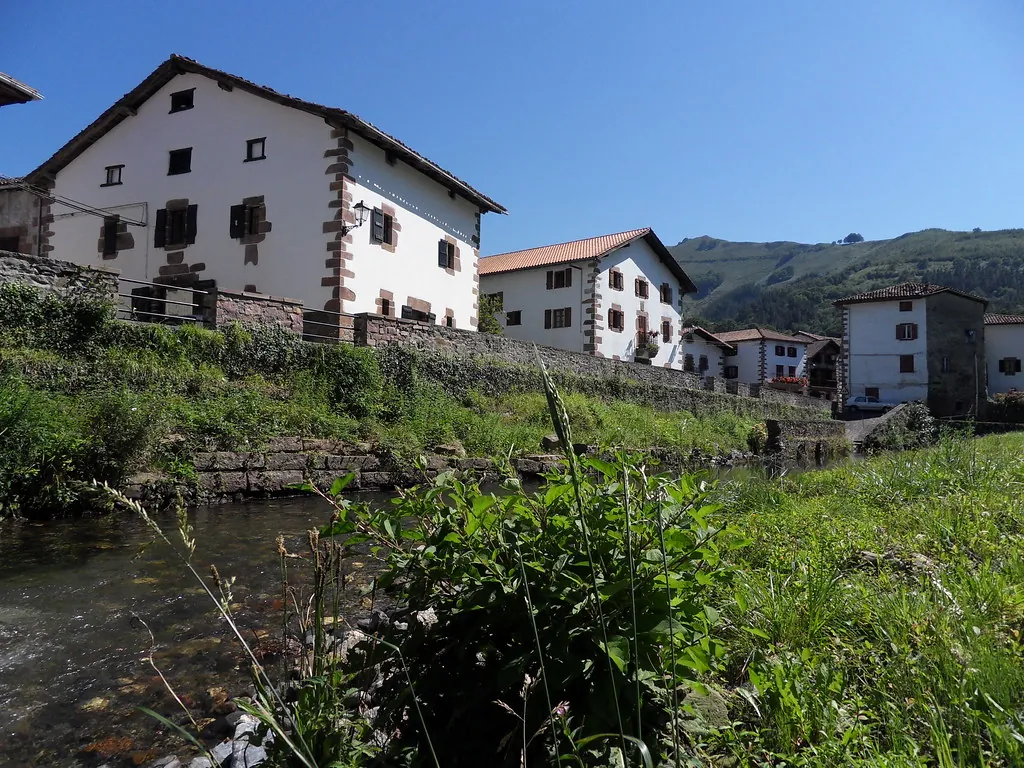
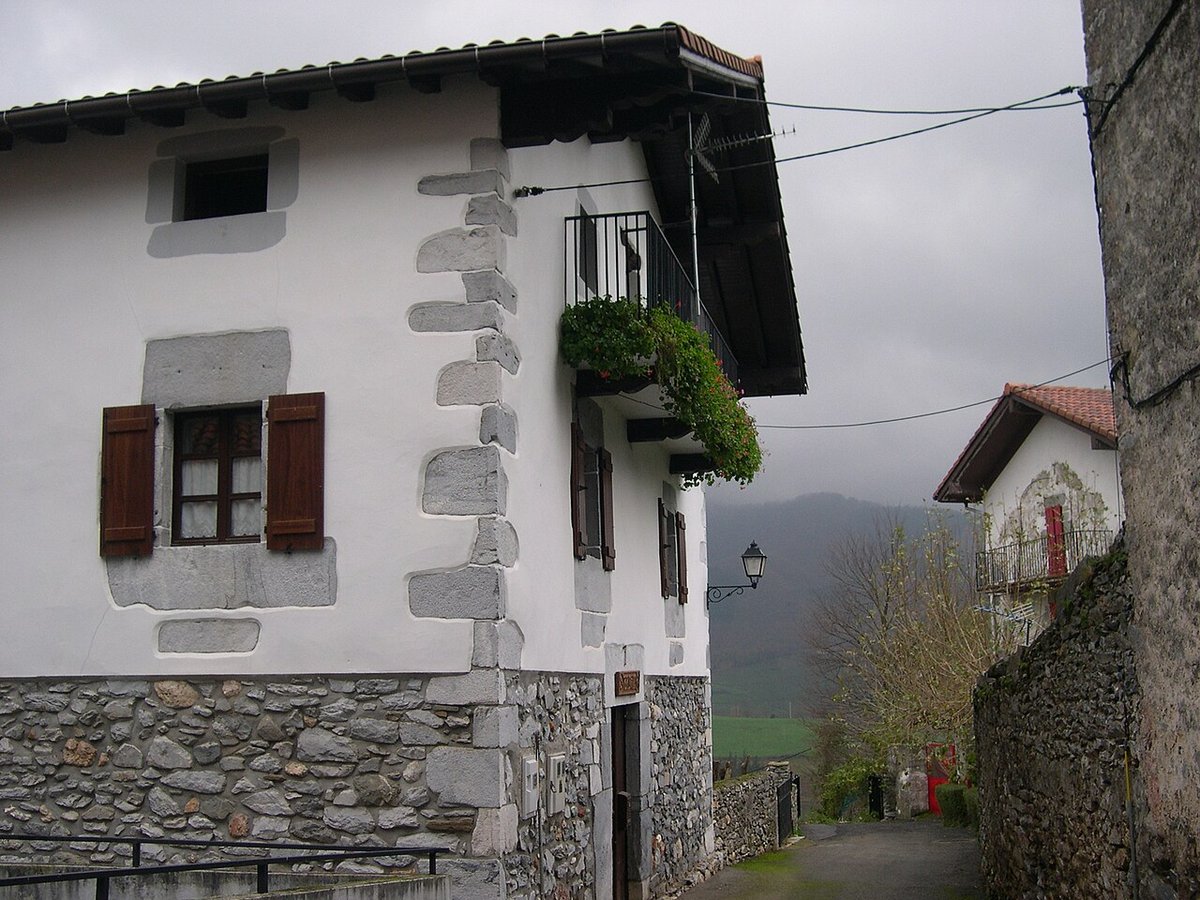
Forget the usual village checklist of "must-see" monuments. Vera's 17th-century mansions aren't open for tours—they're family homes with laundry hanging from wrought-iron balconies. The church won't wow cathedral enthusiasts, but its 16th-century renovation scars tell a better story: stone pillars widened after earthquake damage, a bell tower rebuilt following French artillery practice during the Napoleonic Wars. History here is lived-in, not polished for display.
The real activity happens beyond the centre. A five-minute walk south brings you to the Bidasoa Greenway, a converted railway line that cuts through emerald meadows towards the French beach town of Hendaye. Rent a bike from the petrol station (€15 per day, no reservation needed) and you'll cover 20 traffic-free kilometres to the Atlantic, passing only cattle and the occasional elderly local on an electric bike who'll overtake you uphill with embarrassing ease.
For proper elevation, drive 20 minutes to the French village of Sare and catch the Petit Train de la Rhune. This 1924 rack railway climbs 905 metres to Mt. Larrun's summit, where vultures circle and the whole Basque Coast spreads out like a 3D map. The descent on foot takes two hours through beech forest, dropping you back into Spain at Vera's upper neighbourhoods. Just remember: what goes down must eventually climb back up to reach your car.
The Food Reality
Vera's restaurants don't do tasting menus or chef's explanations. At cider house Zelaia, dinner means standing while a txuleta (T-bone the size of a laptop) lands on your plate, cider shoots from enormous barrels, and conversation stops only when everyone's chewing. The €30 fixed price includes unlimited cider—dangerously drinkable stuff that tastes like dry British cider with the alcohol content of wine. Vegetarians should book elsewhere; even the salad comes with chorizo.
For lighter eating, Bar Barrua serves pintxos that wouldn't shame San Sebastián at half the price. Try the gilda—anchovy, olive and guindilla pepper on a stick, allegedly invented for local bullfighters who needed one-handed snacks. It pairs surprisingly well with zurito (small beer) at €1.80. The bar fills with French day-trippers at 11am, Spanish workers at 2pm, and British second-home owners trying both languages badly at 6pm.
The Practical Bits That Matter
Biarritz Airport sits 45 minutes away via the A63—usually queue-free compared with Bilbao's longer approach roads. Car hire is essential; Vera's bus service runs thrice daily to Pamplona, making day trips without wheels impossible. Park by the river (free, unlimited) and walk everywhere—old-town lanes were designed for donkeys, not Nissan Qashqais.
Saturday lunch closures aren't negotiable. Stock up before 2pm or face a three-hour wait until supermarkets reopen. Sunday is deader than dead; even the bakery shuts. Plan ahead or drive to France, where Sunday trading laws differ.
Accommodation means either Casa Txurruka's five rooms (€85 B&B, book by phone—they don't do online) or self-catering apartments aimed at French families. The nearest hotel is 12 kilometres away in Bera, so base yourself here properly or don't bother. This isn't a place for ticking off between other stops.
The Honest Verdict
Vera de Bidasoa won't change your life. It offers no Instagram moments, no souvenir shops, no "attractions" in the conventional sense. What it provides is something increasingly rare: a working village that functions exactly as it did decades ago, plus decent restaurants and walking routes that don't require mountaineering skills.
Come here for three nights minimum. Use it to walk between farmhouses, eat steak until you waddle, and remember what travel felt like before everything needed to be extraordinary. Just don't expect anyone to stay open late because you've arrived. The border might be invisible, but Vera's rhythms remain firmly closed to negotiation.