Full Article
about Yanci
Official name Igantzi; quiet village in the Cinco Villas with the San Juan Xar reserve
Ocultar artículo Leer artículo completo
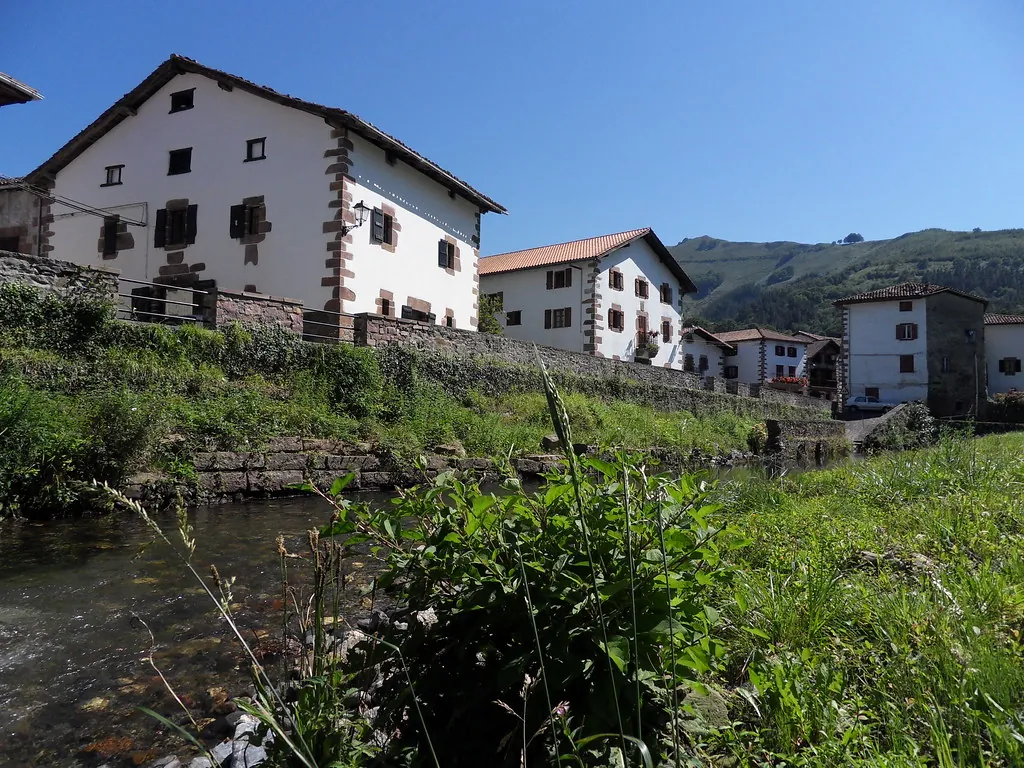
At 209 metres above sea level, Yanci sits low enough to catch the Atlantic moisture rolling up the Bidasoa valley, yet high enough that every street tilts at an angle. The stone houses seem to lean into the slope, their wooden balconies angled to catch what sunshine breaks through the frequent cloud cover. It's the kind of place where locals can read the weather by the colour of the light on the church tower—a skill that proves more reliable than any forecast.
The Architecture of Everyday Life
The Church of San Esteban dominates the village centre without trying. Built from the same grey stone as everything else, its tower serves as both compass point and weather vane for the 572 residents. Inside, the nave reveals nothing extraordinary—no Baroque excesses, no Renaissance treasures—just solid rural architecture that has served its purpose for centuries. The real interest lies in the houses clustering around it.
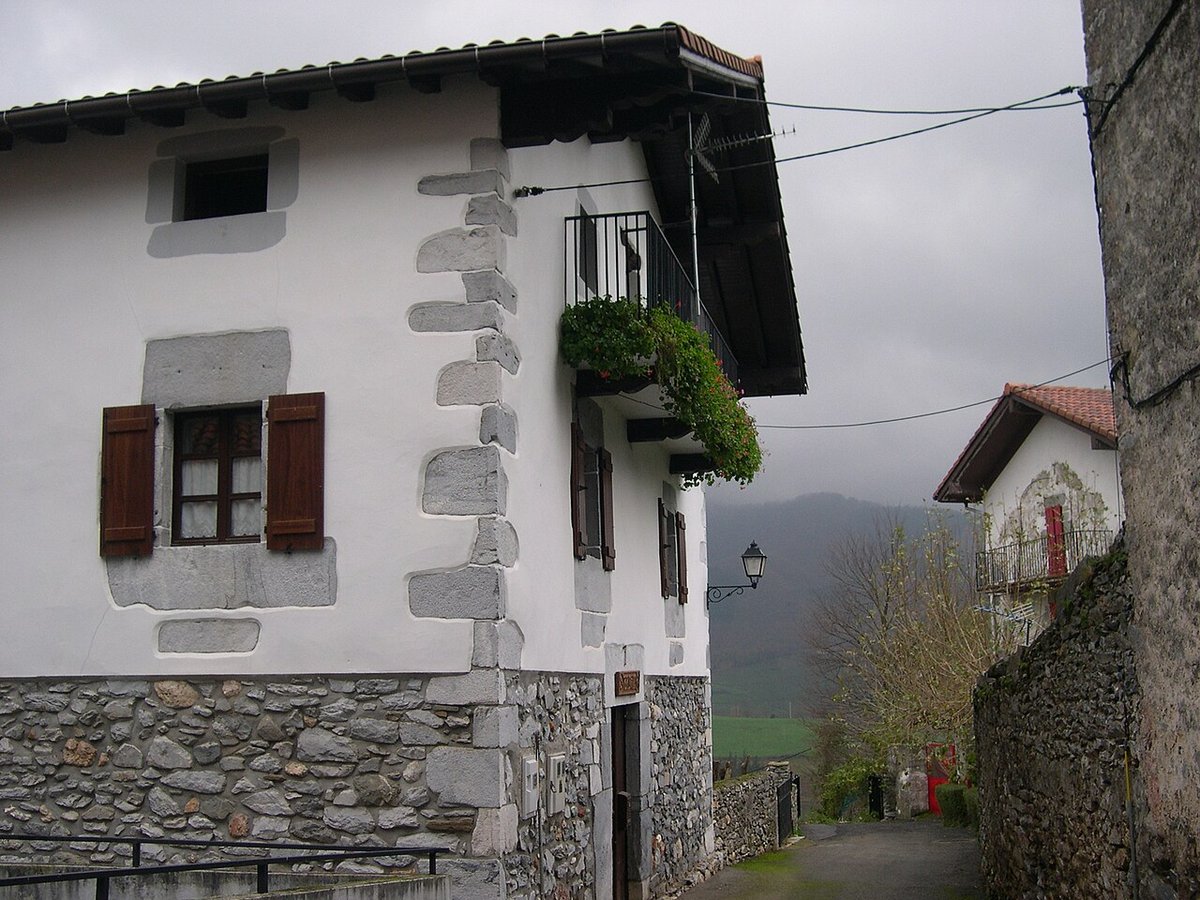
Walk slowly. Look up. The stone facades carry stories in their details: a carved coat of arms here, indicating a family with pretensions; a particularly ornate doorway there, suggesting trade connections beyond the valley. The balconies, painted in Basque red or left natural, display geraniums that somehow thrive despite the near-constant humidity. These aren't museum pieces but working houses, their ground floors still housing tools and tractors alongside the family car.
The village spreads across the hillside in terraces, meaning every upward path reveals another angle on the valley. Towards the top, the houses thin out and the views open up—across to the neighbouring slopes of oak and beech, down to the Bidasoa river threading its way towards the Bay of Biscay. On clear days, the Pyrenees float on the horizon. On cloudy ones, the village sits in its own microclimate, cut off from the world by mist.
Walking Through Seasons
The best way to understand Yanci is to walk out of it. Paths lead into the mixed woodland typical of northern Navarre—deciduous trees giving way to conifers as you climb. These aren't promoted hiking routes with colour-coded waymarks and interpretive panels. They're working tracks used by farmers and mushroom hunters, marked only by the wear of boots and tractor tyres.
Spring brings wild garlic and early orchids along the lower paths. Summer offers respite from the Spanish interior's heat—the altitude and Atlantic influence keeping temperatures manageable, though humidity can top 80%. Autumn transforms the beech woods into a copper cathedral, while winter strips everything back to stone and moss. Each season demands different footwear: spring and autumn require proper walking boots for the mud; winter might need something waterproof even for village streets.
The mushroom season draws specialists from across Spain, but don't assume free-for-all foraging. Local families guard their spots, and the hills are criss-crossed with private property boundaries. The prudent visitor walks with eyes only, photographing rather than harvesting the chanterelles that push through the leaf litter.
What You'll Actually Eat
The village's two bars serve food that changes with the agricultural calendar. Spring means white asparagus from Navarre's fertile river valleys, served simply with mayonnaise or vinaigrette. Summer brings tomatoes that taste like tomatoes should—sun-warmed, irregular, probably harvested that morning. Autumn menus feature game from the surrounding hills, often in stews that have simmered for hours. Winter offers comfort: thick bean soups, local cheeses, cured meats that hang from kitchen ceilings throughout the year.
Don't expect extensive wine lists. You'll find the house red from Navarre's lower vineyards, probably served in modest 250ml carafes. The local cider, brought down from Astigarraga, arrives with its own ritual—poured from height to aerate, consumed quickly before it loses its sparkle. Coffee comes in glasses, Spanish-style, and is uniformly strong enough to challenge British constitutions.
When to Visit, When to Stay Away
April and May deliver the valley at its greenest, when morning mist lifts to reveal fresh-washed landscapes and village streets smell of woodsmoke and wildflowers. September offers similar conditions with the added advantage of mushroom-fuelled menus. Both periods avoid the summer traffic that chokes the N-121-A, the main road connecting Pamplona to the coast.
July and August bring Spanish holidaymakers to the region, not in Costa del Sol quantities but enough to fill the village's limited parking and double the time needed for the 25-kilometre drive from Pamplona. The village itself rarely feels crowded—there simply aren't enough people—but the approach roads can test patience.
Winter visits demand realistic expectations. Days run from 8:30 am to 5:30 pm of usable light. Rain arrives horizontally on Atlantic winds. The village can feel closed in, its stone walls weeping moisture, its bars filled with locals who've known each other since childhood. Come with a good book, waterproof everything, and no agenda beyond watching weather systems roll through the valley.
The Practical Reality
Getting here requires accepting Spanish road priorities. The A-15 from Pamplona flows freely enough, but the final approach on the N-121-A serves as the main coastal artery. Friday evenings see trucks heading for Bilbao and San Sebastián; Sunday evenings bring them back. Plan arrival for mid-morning or mid-afternoon to avoid the worst.
Parking follows unwritten rules. The church square handles perhaps a dozen cars if everyone cooperates. Don't block field entrances—farmers need access for tractors that cost more than most houses. The village's one-way system wasn't designed for modern vehicles; meeting a delivery van on a 15% gradient requires nerves and clutch control.
Accommodation is limited to two guesthouses, both converted farmhouses with thick stone walls and intermittent WiFi. They charge €60-80 per night, breakfast included, and expect guests to respect the Spanish timetable—breakfast at 9, lunch at 2, dinner never before 9 pm. The nearest supermarket sits 12 kilometres away in Lesaka; the village shop opens sporadically and stocks basics only.
Yanci works best as part of a wider exploration of the Bortziriak region, combining with stone villages like Etxalar or the market town of Lesaka. Stay two nights, walk the surrounding hills, eat what's seasonal, and leave before the limited options start feeling like constraints rather than choices. The village rewards those who arrive without checklists, who can appreciate a place where the rhythm of life follows agricultural time rather than tourist schedules, and where the Atlantic weather writes its own rules regardless of what the forecast promised.