Full Article
about Ansoáin
Modern municipality next to Pamplona; blends residential areas with green spaces and a lively local cultural scene.
Ocultar artículo Leer artículo completo
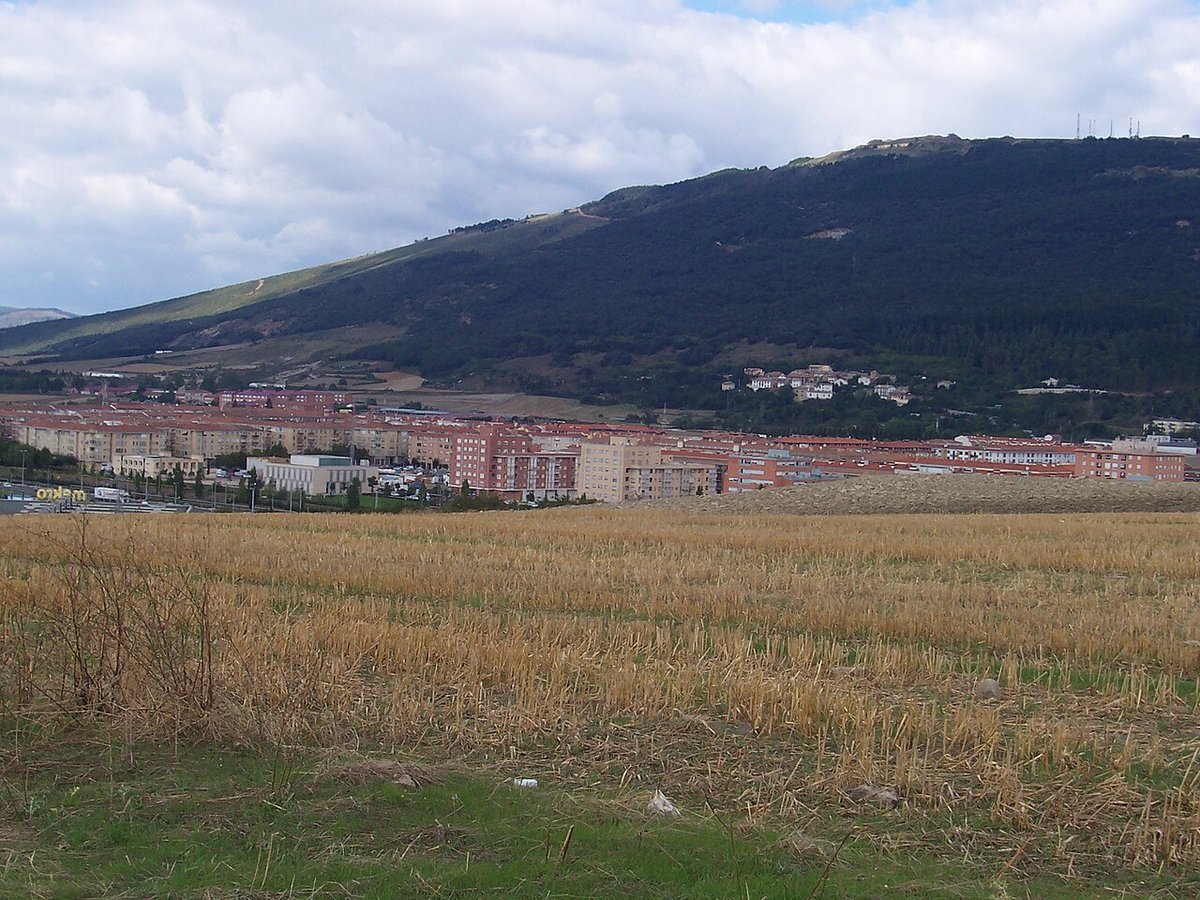
The church bell strikes eleven as a farmer in muddy boots finishes his coffee at the bar. Outside, fields of wheat stretch towards the Sierra del Perdón, their golden heads catching the morning light. This is Ansoáin at its most honest—not a destination that'll overwhelm your camera roll, but a place where Navarra's rural pulse beats steadily beneath the hum of commuter traffic.
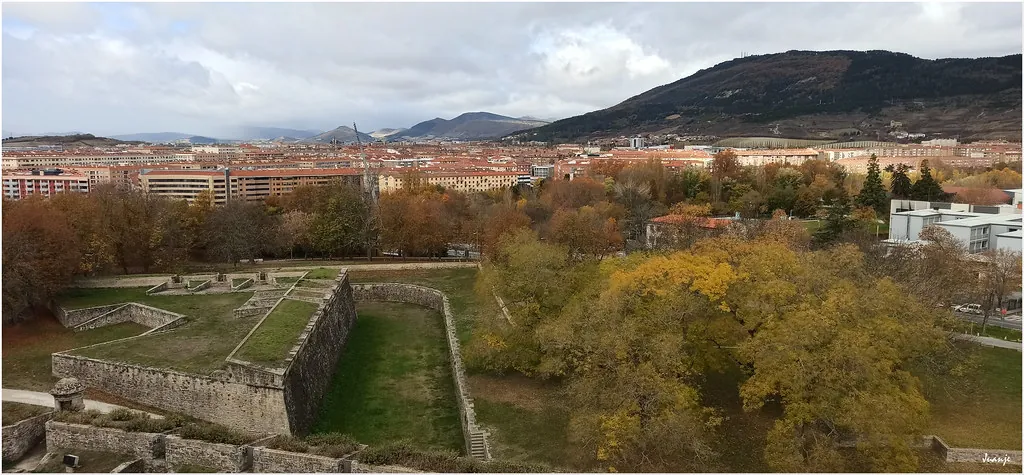
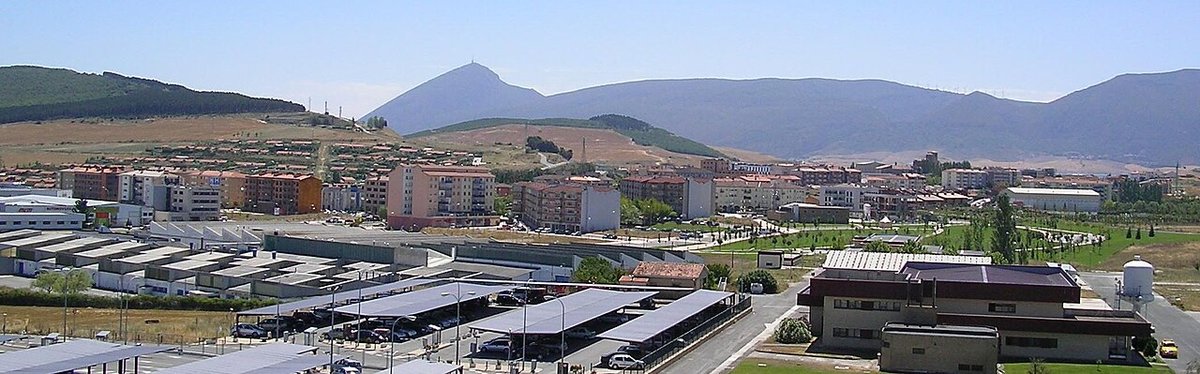
Five kilometres north of Pamplona, this market town of 10,600 operates as a satellite dormitory for the capital. The arrangement works. Locals earn city wages while maintaining vegetable plots and weekend rituals that haven't changed much since their grandparents' time. British visitors expecting chocolate-box Spain might initially recoil—modern apartment blocks shoulder up to stone houses, and the high street hosts more estate agents than artisan bakeries. Persist. Ansoáin rewards those who look beyond first impressions.
The Church That Anchors Everything
San Saturnino's parish church dominates the modest Plaza Mayor, its sandstone walls weathered to the colour of weak tea. Step inside if the doors stand open (weekday mornings usually, though the sacristan's schedule follows its own logic). The interior reveals a neat baroque retablo depicting the town's patron saint in full Roman military dress—ironic given he was martyred for refusing to fight. Look up: the wooden ceiling retains painted panels from the 17th century, their blues and ochres faded but stubbornly vivid.
The square outside functions as Ansoáin's living room. Pensioners occupy benches with the dedication of seasoned sentries, while children career around the bandstand practising their San Fermín chants. During July's festival season, many locals commute into Pamplona for the encierros, returning each evening to sleep off the sangria in their own beds. The town hosts no bull runs itself—Ansoáin's contribution to Navarra's most famous export is purely logistical.
Walking the Agricultural Labyrinth
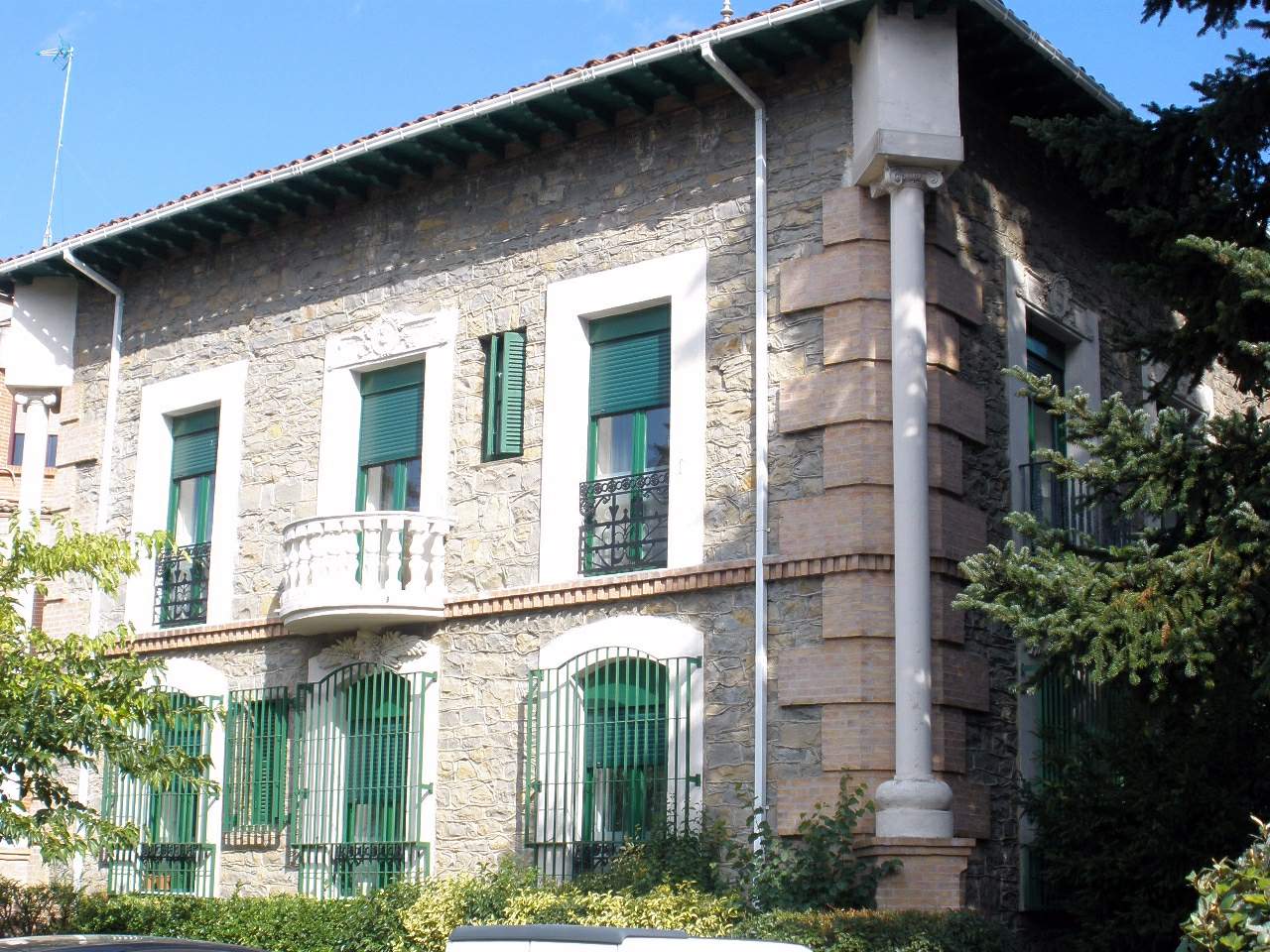
From the church, Calle Mayor runs arrow-straight through the old quarter. Traditional houses line the route: ground floors in golden stone, upper storeys timber-framed and overhanging, their balconies draped with geraniums in various states of negotiation with the climate. The street deposits you at the edge of town within ten minutes, where asphalt surrenders to agricultural tracks.
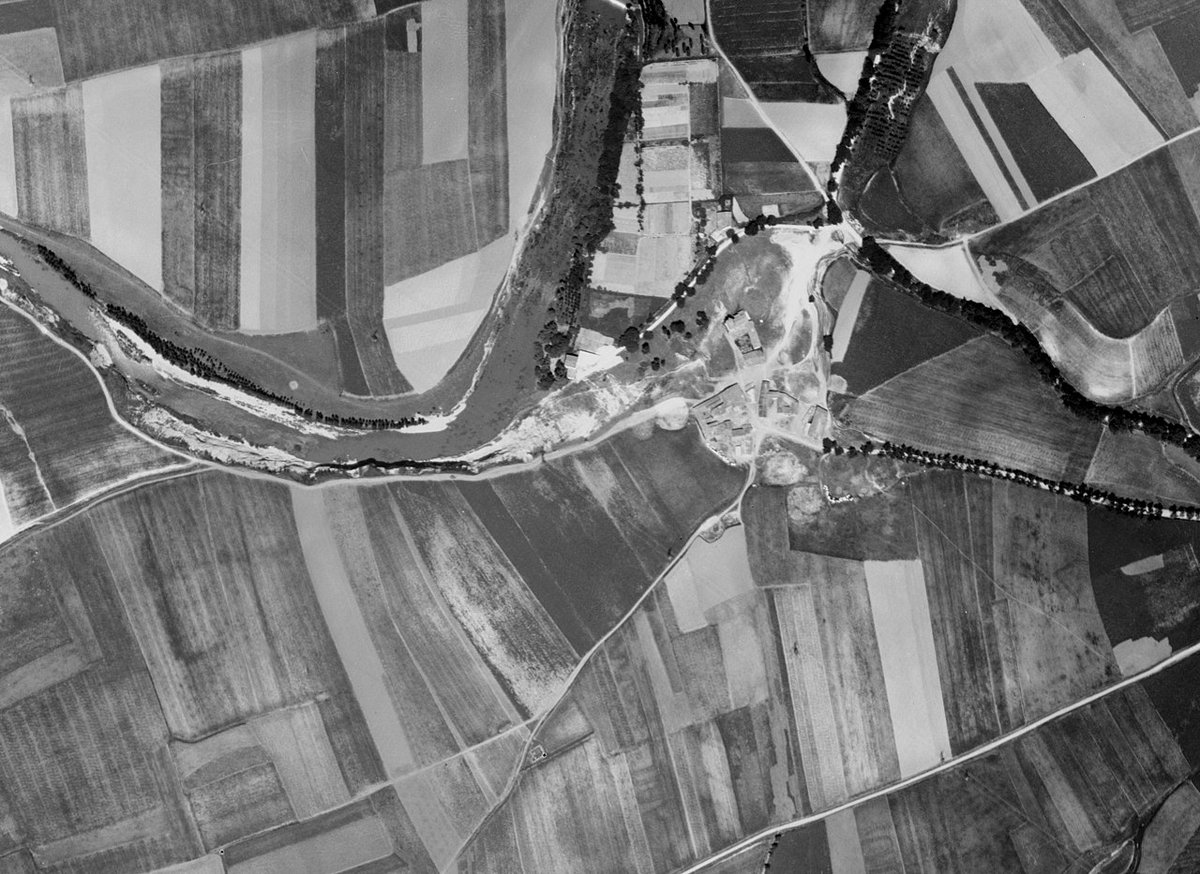
These paths form a gentle labyrinth through cereal fields and olive groves. The GR-124 long-distance footpath skirts the municipal boundary, offering two-hour circuits towards neighbouring Barañáin or, for the energetic, half-day hikes into the Sierra del Perdón. Spring brings poppies splashing scarlet across wheat fields; autumn perfumes the air with wood smoke and ripe figs. Summer walking requires strategy: set out at dawn or risk trudging through furnace heat across shadeless terrain. Winter remains walkable—Navarra's Atlantic influence prevents the hard frosts that paralyse Spain's central plateau.
Cyclists find the terrain perfect for gentle pootling rather than serious mountain biking. Country lanes radiate outwards, mostly flat with occasional calf-testing rises. The disused railway line towards Zizur Mayor provides six kilometres of car-free cycling—popular with families teaching children to ride without the terror of Spanish drivers.
Eating Like a Local, Paying Like One Too
British stomachs often struggle with Spanish mealtimes. Ansoáin's restaurants offer a gentle introduction. Bar Iruña on Calle San Francisco serves proper breakfast from 7am—coffee, toast with tomato and olive oil, perhaps churros on Sundays. The lunchtime menú del día runs €12-15, three courses including wine. Expect hearty Navarran cooking rather than delicate presentation. White beans with chorizo, lamb stew with artichokes, perhaps a simple grilled hake if you fancy something lighter.
Evening dining starts late by British standards—restaurants open at 9pm minimum. The trick is embracing Spanish rhythm: substantial lunch, siesta, light snack around 6pm, proper dinner after nine. Bar prices remain resolutely local. A caña of beer costs €1.50; decent rioja by the glass, €2. Food shopping reveals seasonal reality. Visit the small supermarket on Avenida de Navarra in late spring and you'll find bundles of fresh asparagus, locally grown and cheaper than tinned back home. Autumn brings mushrooms—cèpes, chanterelles, the elusive níscalo—displayed in wicker baskets with prices that fluctuate daily.
Practicalities Without the Pain
Getting here proves refreshingly simple. From Pamplona's bus station, Line A12 runs every 30 minutes, journey time 15 minutes, fare €1.35. Taxis cost €15-20 depending on traffic. Car hire remains unnecessary unless you're exploring rural Navarra extensively—parking in Ansoáin is straightforward except during San Fermín when residents' cars occupy every available space.
Accommodation options remain limited: Hostal Pamplona provides modern rooms from €45 nightly. British guests praise its cleanliness and value, though note it's "a bit away from the Camino de Santiago route"—relevant only if you're walking the pilgrim trail. For longer stays, consider Pamplona itself: Ansoáin works brilliantly as a day trip rather than overnight stop.
Weather catches out unprepared visitors. Navarra's continental position means proper seasons. Summer temperatures hit 35°C; winter mornings drop to freezing. Spring and autumn offer the sweet spot—mild days, cool nights, occasional rain that freshens rather than depresses. Pack layers regardless of season; Atlantic weather systems sweep in with little warning.
The Honest Verdict
Ansoáin won't change your life. It offers no cathedrals, no Michelin stars, no Instagram moments to make friends jealous. What it provides is something increasingly rare: authentic Spanish provincial life without tourist infrastructure. Spend a morning here and you'll understand why so many Navarrans choose small-town existence over city ambition. The rhythm feels right—agricultural cycles, neighbourly conversations, food that tastes of soil and season rather than market research.
Visit as part of a wider Navarran exploration. Combine with Pamplona's medieval quarter, perhaps the wine cellars of Olite, definitely the mountain villages of the Pyrenees if time allows. Ansoáin works as palate cleanser between grander destinations, a place to buy picnic supplies, use clean toilets, remember why you came to Spain in the first place. Not for monuments or museums, but for the everyday texture of a country that remains stubbornly itself despite everything.
The farmer finishes his coffee, nods to the barman, heads back to his fields. Wheat stalks bend in his wake, whispering against each other like dry bones. Somewhere a church bell marks the hour. Normal life continues, and for once, you're privileged to witness it.