Full Article
about Aranguren
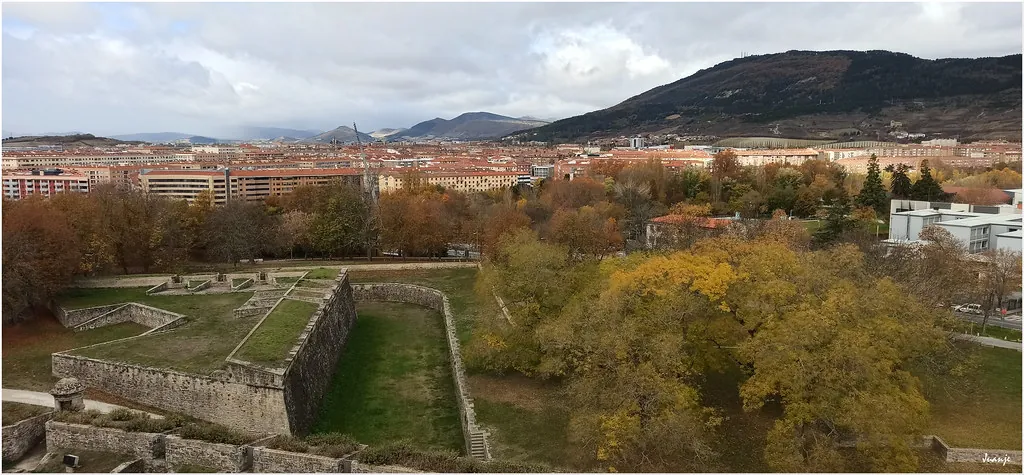
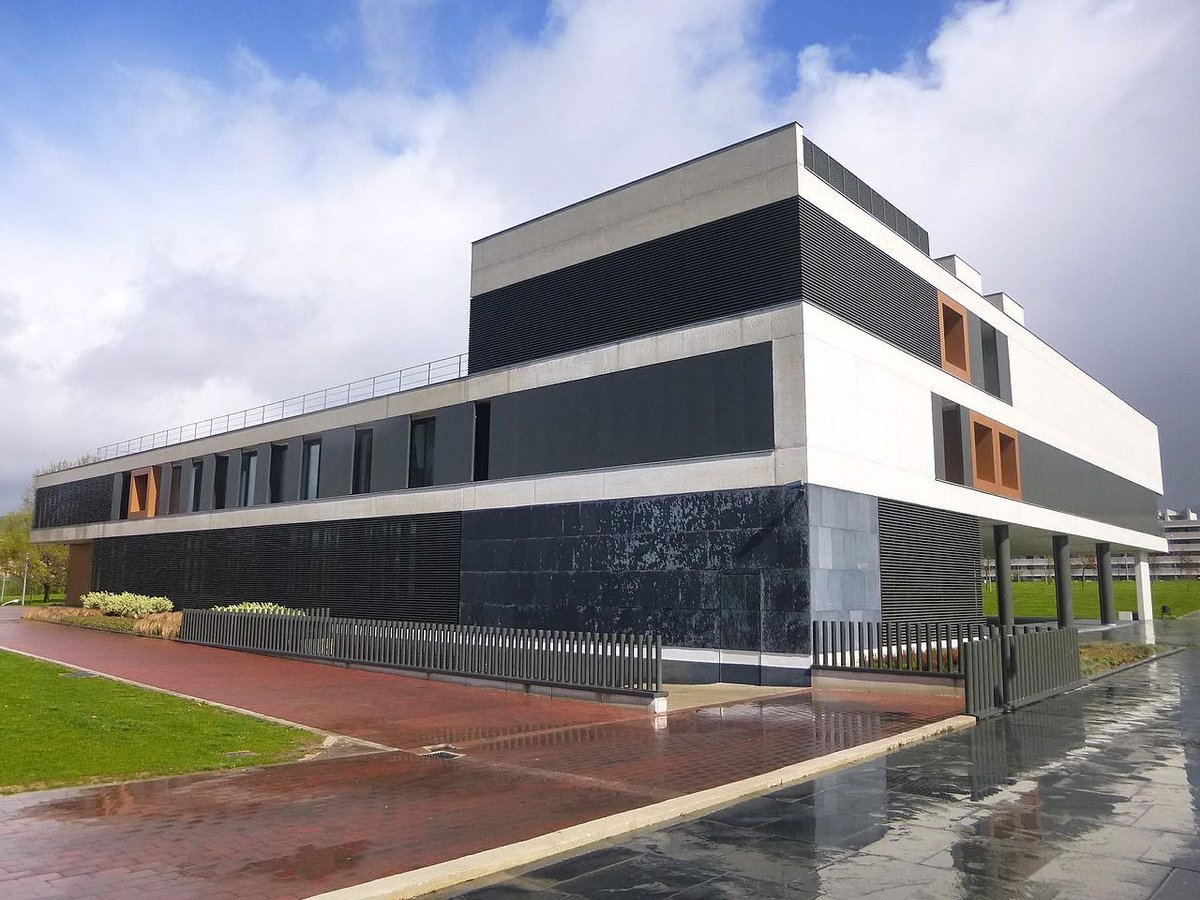
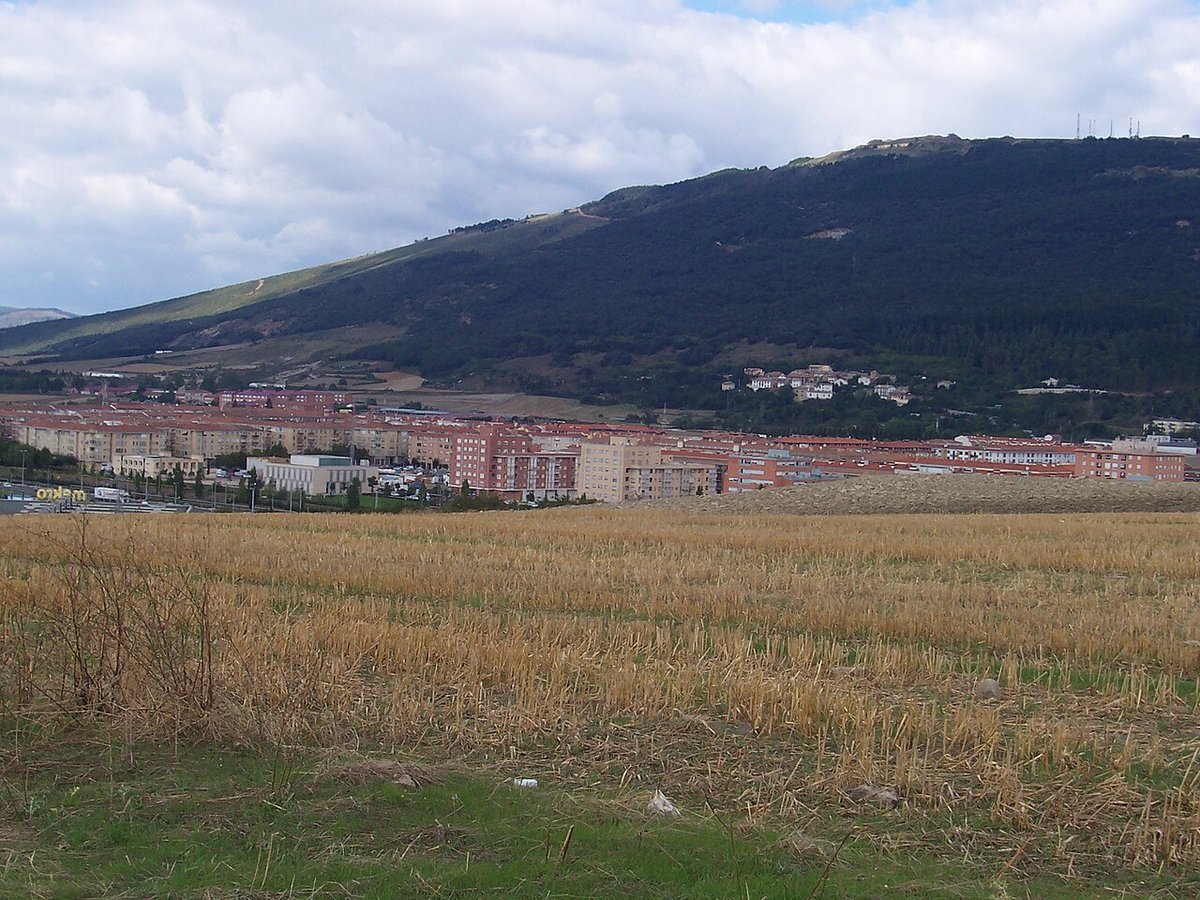
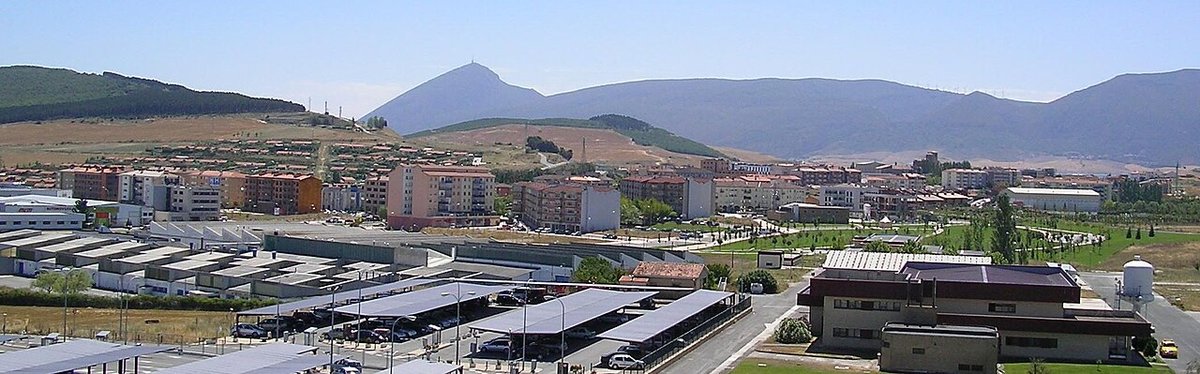
Periurban valley that includes the town of Mutilva; blends modern residential areas with a well-kept rural and forested setting.
Hide article Read full article
A valley beside Pamplona
Around six in the evening, when the sun drops behind Monte San Cristóbal, the light softens and the houses of Aranguren take on a golden tint that makes the stone look like aged wood. From the church porch comes the sound of birds nesting under the eaves, and there is barely any traffic in the streets. At that hour the valley carries the scent of turned earth and freshly baked bread, because market gardens and working fields still lie just a few minutes from Pamplona.
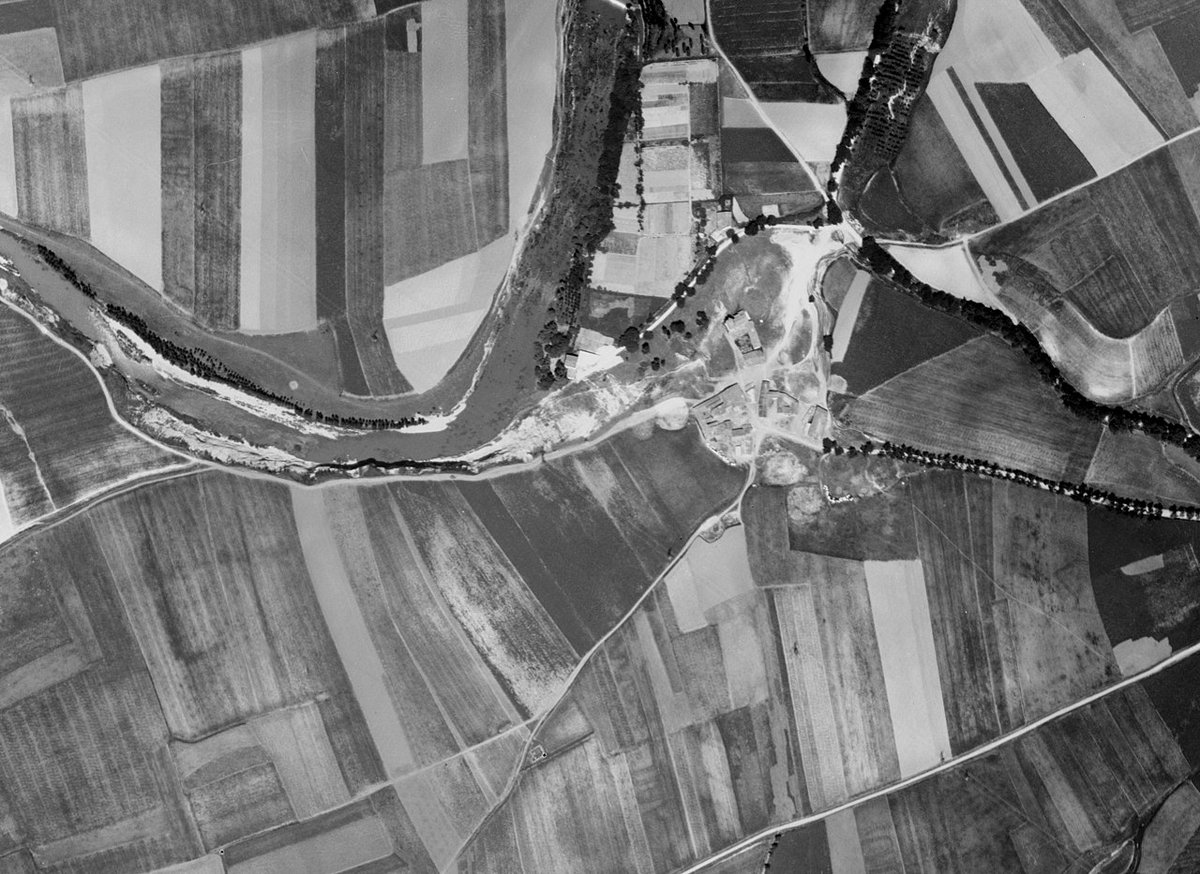
Aranguren is not a single village but a valley made up of several settlements: Tajonar, Ilundáin, Lakidáin and others, smaller still. Today it forms part of daily life in the Pamplona basin, with many residents living here and working in the city. Yet it only takes a short walk towards the edges of the municipality to reach open fields, farm tracks and that end‑of‑day quiet that fades quickly in urban settings.
The names of the villages, spoken by older residents, sound old, and they are. The valley appears in medieval documents from the former Kingdom of Navarra. What stands today is a mix of rural history and more recent growth, without grand monuments but full of small details that reward a slower look.
The church with a steady presence
At the centre stands the parish church, with the calm presence of a building that has watched generations pass. It is a Gothic structure from around the 15th century, laid out in the shape of a Latin cross. From the outside it feels restrained, almost austere; inside, the vaulting spreads into ribs that form stone stars overhead.
The main altarpiece is Renaissance in style. Its tones are dark, with a muted green that only emerges when late afternoon light enters through the south door. On one side, a painted Saint Catherine from the 17th century looks out with a serious expression. The proportions are not perfect, yet there is something direct about it, typical of a local workshop.
Attached to the complex is the parish house, built later in the 18th century. It still has low doorways and thick walls that keep the interior cool even in summer.
Palaces that blend into daily life
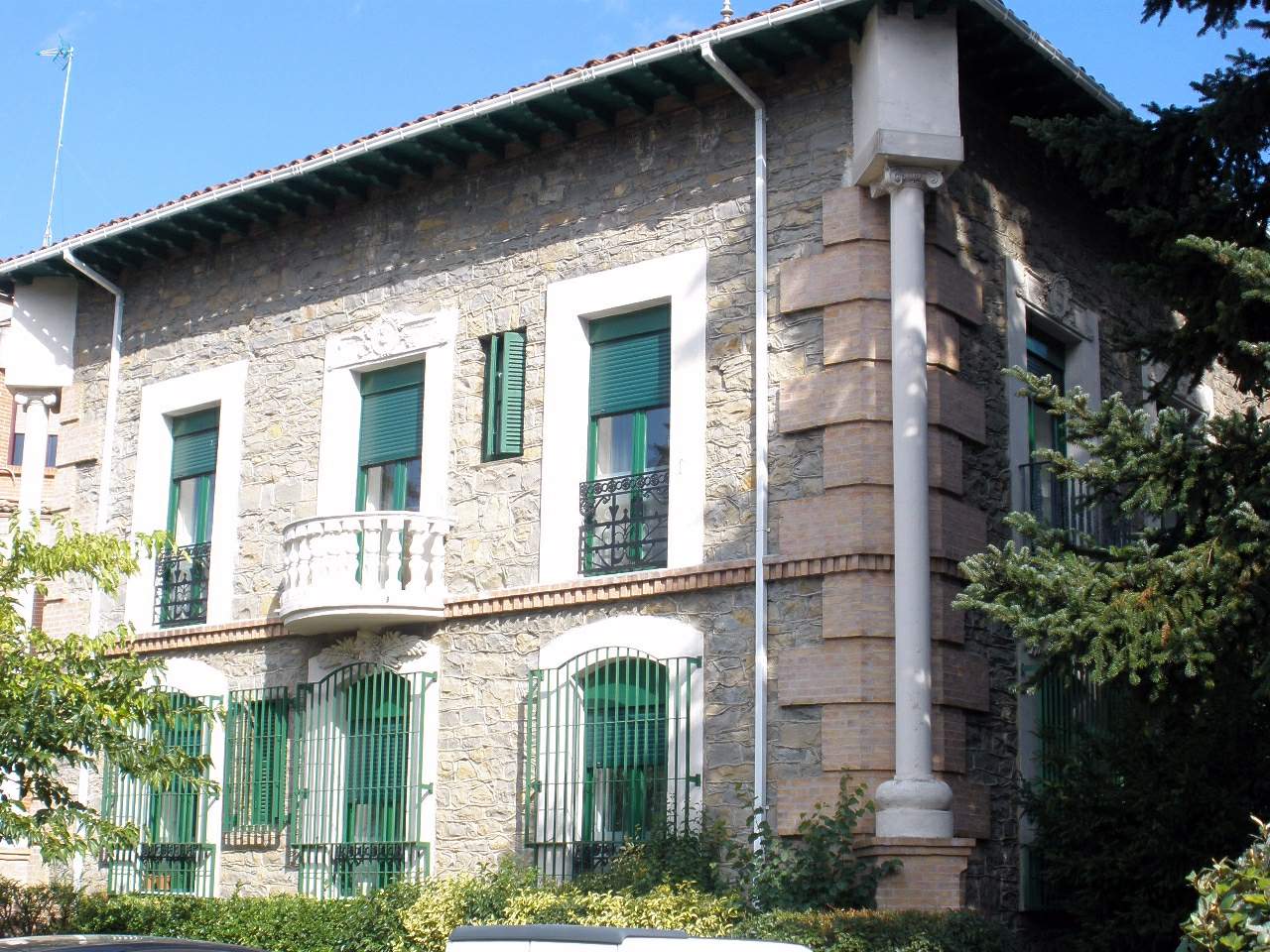
Among the valley’s houses are buildings that hint at the importance of certain families in earlier centuries. The so‑called Palacio de Armería has more the feel of a fortified house than a noble residence. Its medieval tower still dominates the surroundings, although today the only movement nearby is the steady flow of traffic along the local road.
Further uphill stands the Palacio Nuevo de Góngora, built in the 17th century. The façade is sober, almost severe. Crossing the threshold leads into a columned courtyard where the acoustics shift: voices echo against the stone and everything seems to settle into stillness.
The windows face west. As the sun sets, reddish light pours in and, for a few minutes, the walls appear to glow. It is a brief moment, easily missed if no one is waiting for it.
A roadside fountain and a lingering story
On the road linking Pamplona with Góngora, near Tajonar, there is an 18th-century fountain. It does not stand out much to passing drivers: simple stone, a metal spout, and a small space to pull aside.
The water runs very cold, even in summer. There is a local tradition that King Sancho el Fuerte once drank here during a stop on his journey, though stories like this in Navarra often blur the line between memory and legend.
What can still be seen on some weekends is people from the valley arriving with large containers to fill. They pause, talk for a while, then head home. It is a simple routine that has been repeated for decades.
Ilundáin and the return of voices
Ilundáin had its own municipal life until the mid-20th century. Afterwards it was largely abandoned for years, turned into agricultural land under the control of the regional authorities. For a time only a handful of people remained.
Over the years, buildings were restored and a farm school was established. With it came school trips, the noise of children and the smell of food coming from the kitchens.
Walking through the area today, older walls stand alongside more recent facilities. On one wall there is a tiled map of Navarra. It is not entirely accurate: the valley appears closer to the sea than it really is. According to local accounts, teachers chose to leave it that way as a reminder that maps are also a form of interpretation.
When to come to the valley
Spring is usually the best time to explore the paths around Aranguren. The cereal fields turn green, the rain clears the air, and the valley carries a fresh scent of grass and damp soil.
If arriving from Pamplona, weekdays or early hours tend to keep the atmosphere quieter. Being so close to the city, weekends can bring more traffic and a noticeable shift in pace.
A simple way to understand the place is to park near any of the settlements and walk slowly along the agricultural paths. There is no need for a plan. The character of Aranguren reveals itself in these small stretches of land, where history, routine and landscape sit close together.