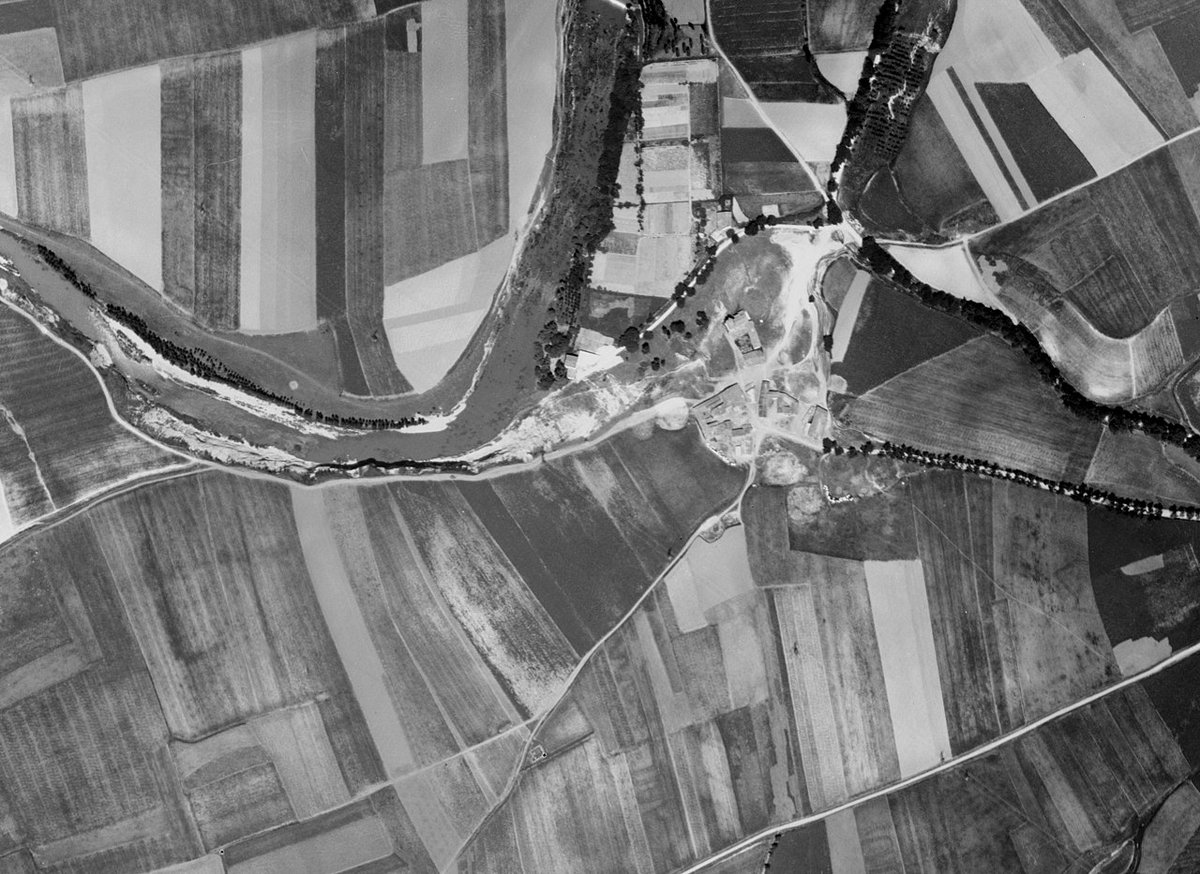
141 2 5 Julio Ruiz de Aldaren hegaldia (1927-1934) - Barañain.jpg
Julio Ruiz de Alda · Public domain
Navarra · Kingdom of Diversity

Barañáin

The morning bus from Pamplona drops you at 434 metres above sea level, yet the land feels flat enough to cycle without breaking a sweat. That's Bar...

18,895 inhabitants
434m Altitude

Why Visit

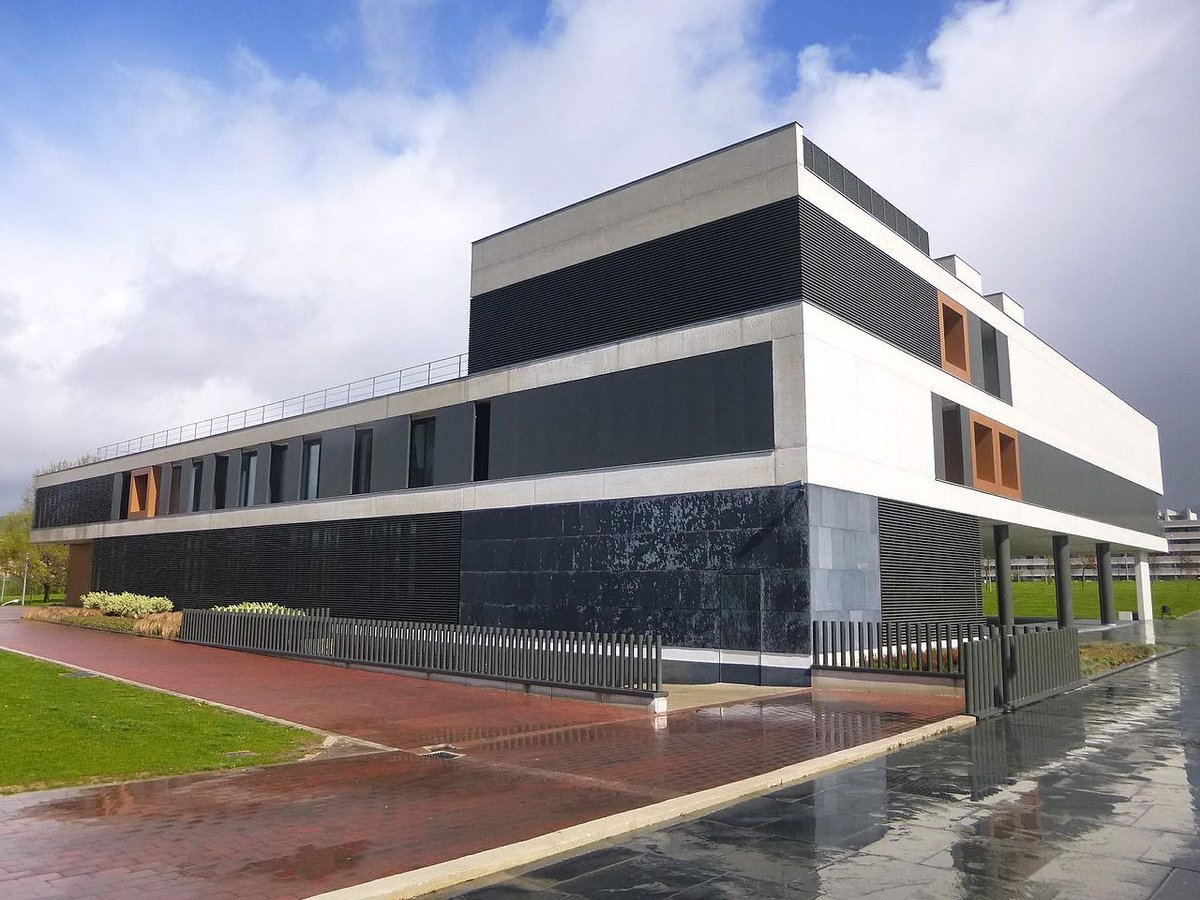
cultural facilities and urban parks Barañáin Auditorium

Best Time to Visit

junio

Cultural activities Fiestas de San Esteban (junio)

Things to See & Do
in Barañáin

Heritage

  • cultural facilities and urban parks

Activities

  • Barañáin Auditorium
  • Lake Park

Festivals
& & Traditions

Fecha Fiestas de San Esteban (junio)

Actividades culturales, Paseos por el parque fluvial

Las fiestas locales son el momento perfecto para vivir la autenticidad de Barañáin.

Full Article
about Barañáin

Third-largest town in Navarre; modern commuter city with high density

Ocultar artículo Leer artículo completo

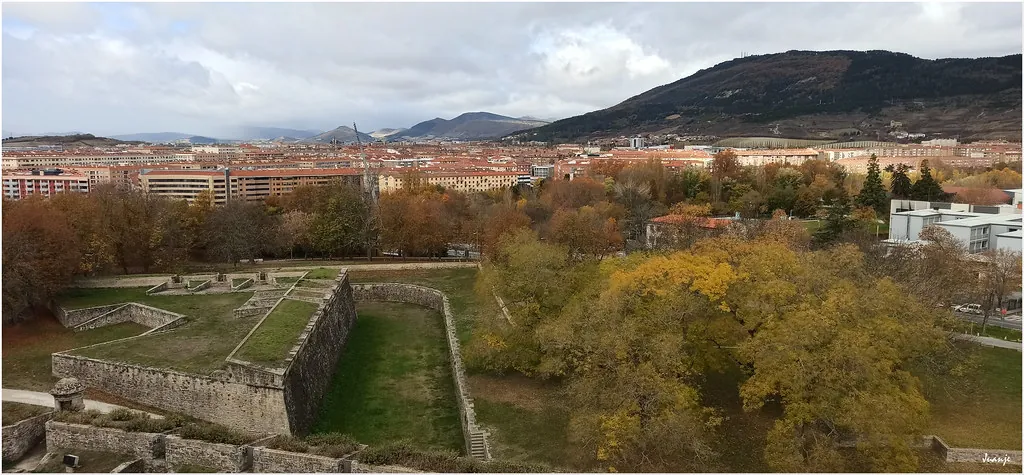
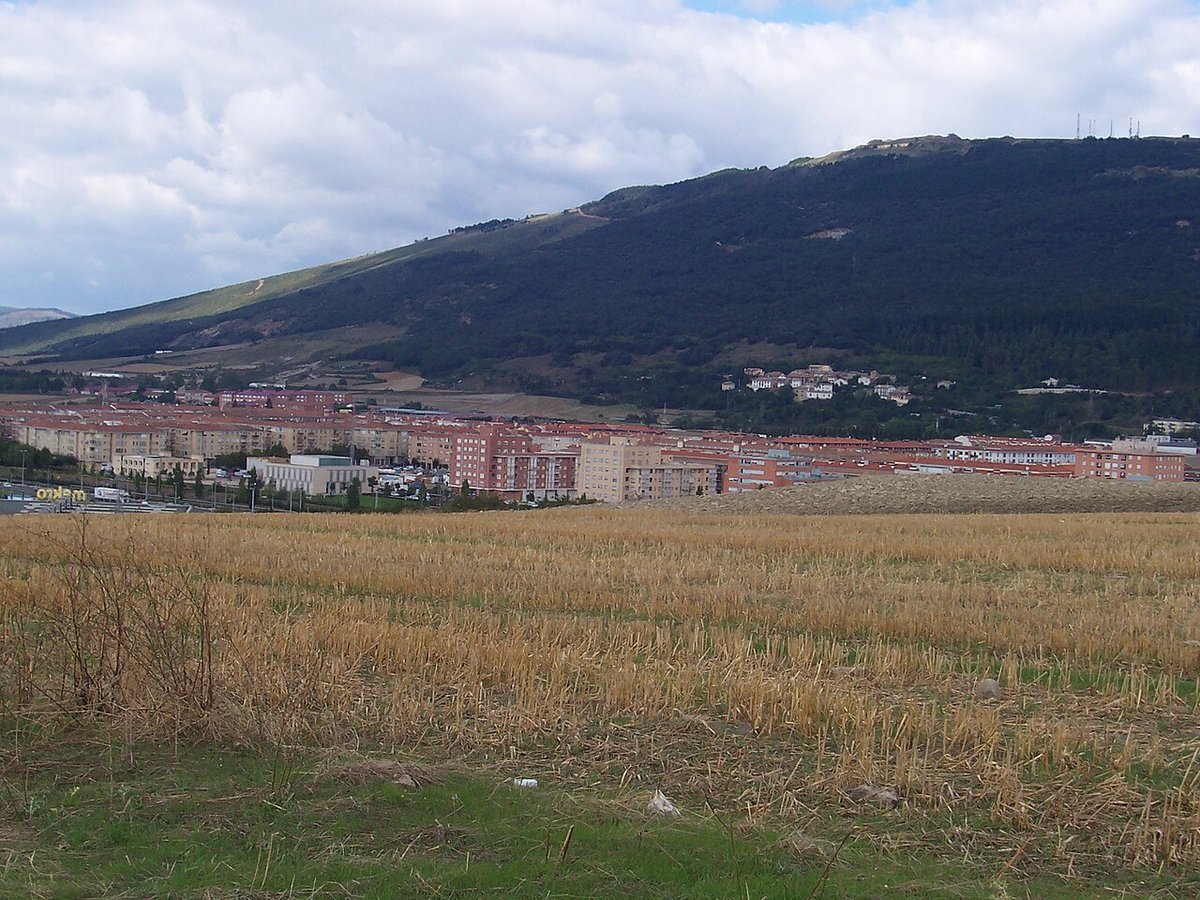
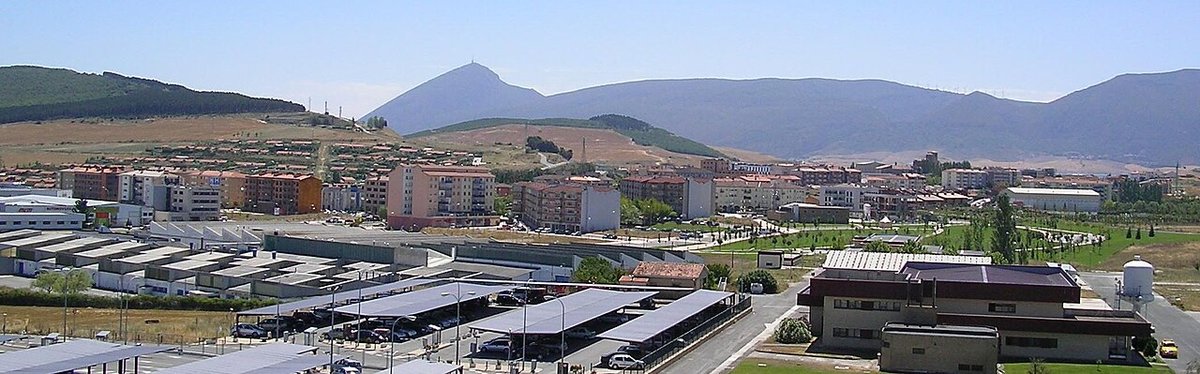
The morning bus from Pamplona drops you at 434 metres above sea level, yet the land feels flat enough to cycle without breaking a sweat. That's Barañáin's secret: a mountain village that forgot to be mountainous, perched on Navarra's high plateau where the Pyrenees taper into rolling farmland. Five kilometres north-east of Pamplona's medieval walls, this commuter town of 19,000 has absorbed the capital's expansion like a sponge, growing from agricultural hamlet to residential hub without ever quite deciding whether it's village or suburb.

The Geography of Everyday Life

Unlike the dramatic Pyrenean villages that hog Navarra's postcards, Barañáin's terrain unfolds like a crumpled tablecloth rather than a craggy peak. The Elorz River meanders through a floodplain that locals have turned into a 3-kilometre green corridor, complete with cycling paths that connect to Pamplona's network. At dawn, dog walkers share the track with early commuters who've discovered that two wheels beat traffic queues on the NA-240. The altitude means winter mornings often start with frost glazing the vegetable plots that still fringe the urban core, while summer evenings bring relief in the form of cool air sliding down from the Sierra del Perdón.

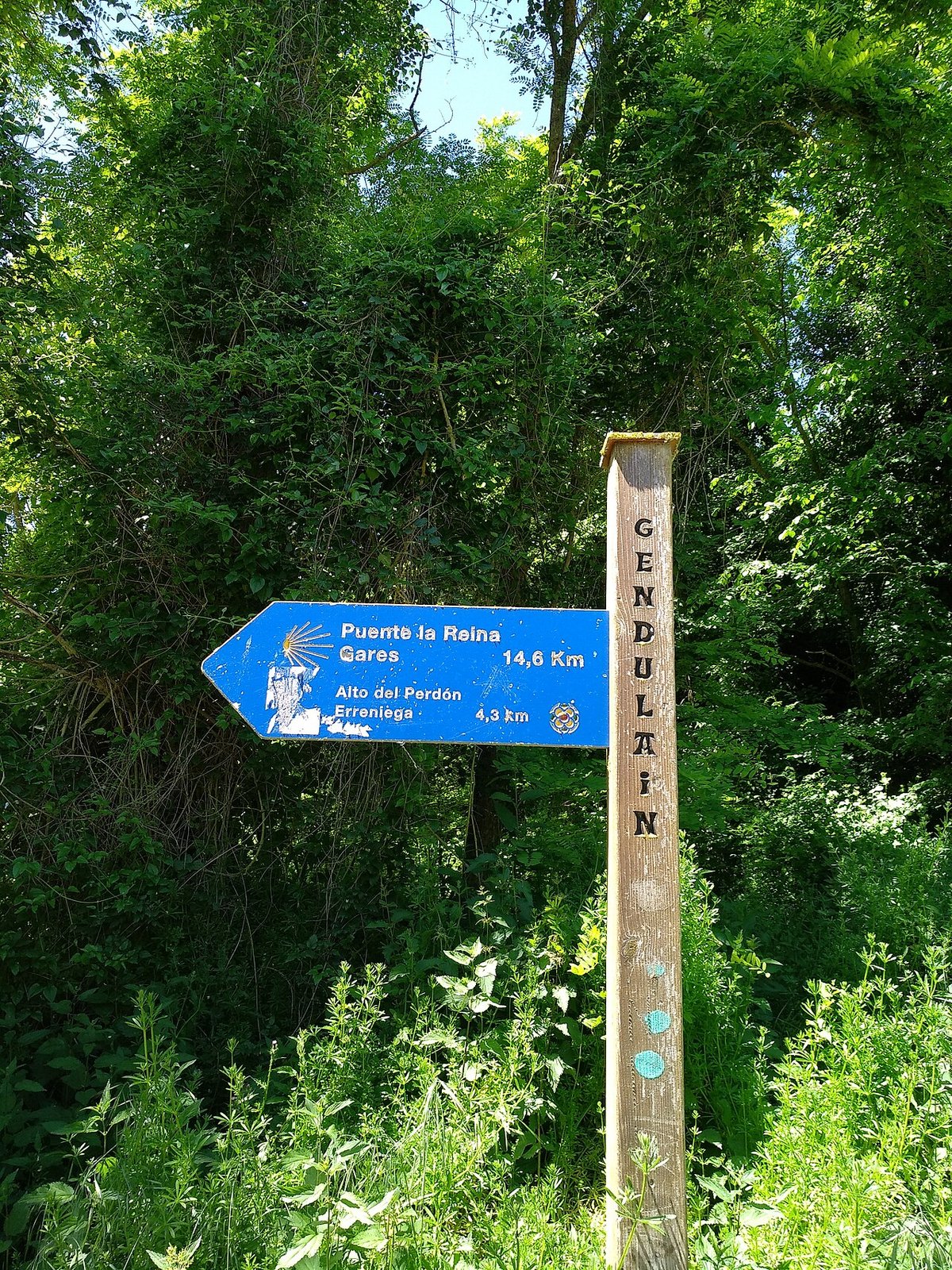
This isn't hill-walking country. Instead, the surrounding cuenca (basin) offers gentle circuits through wheat fields and market gardens that supply Pamplona's restaurants. The Camino de Santiago skirts the village boundary, though most pilgrims stick to the main route through Zariquiegui. Those who detour find themselves on dirt tracks where the only elevation gain comes from irrigation ditches built by Moorish farmers centuries ago.

Church, Square, Repeat

San Esteban's parish church squats at the historic centre, its mismatched architecture telling the story of a settlement that kept rebuilding rather than relocating. Romanesque foundations support a Baroque tower; the interior mixes Gothic ribs with neoclassical altarpieces. Step inside during Sunday mass and you'll hear Navarrese Spanish that retains echoes of Basque - the regional government classes Barañáin as part of Pamplona's "mixed zone" where both languages mingle.

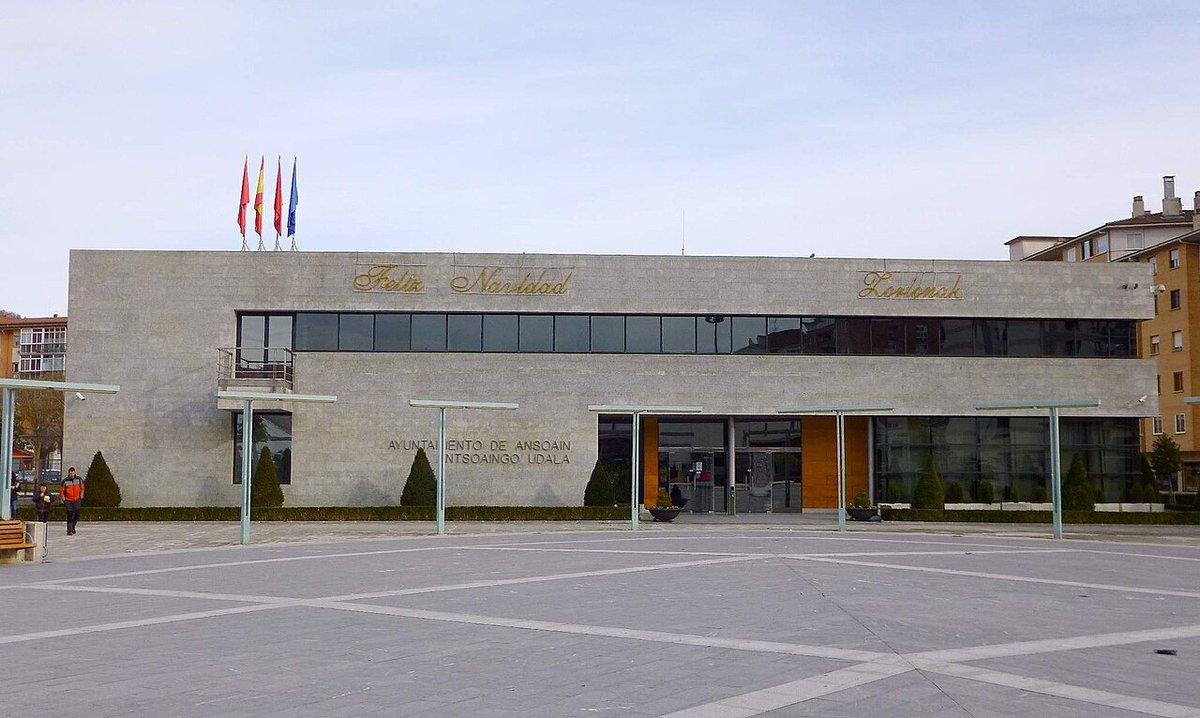
The church anchors Plaza de los Fueros, a concrete expanse that comes alive at midday when office workers emerge for menu del día. Café terraces spill across the square, though British visitors should adjust expectations: there's no quaint plaza mayor here, just functional municipal architecture and a chemist that still closes for siesta. The nearby streets reveal the village's growth pattern - 1960s apartment blocks give way to 1990s duplexes, all built in the honey-coloured stone that characterises Navarrese construction.

Eating Like a Local

Forget Michelin stars. Barañáin's food scene runs on neighbourhood logic, with bars that reward regulars rather than Instagram feeds. At Bar Auzo on Calle San Esteban, the €12 weekday menu might feature pisto (Spanish ratatouille) topped with fried egg, followed by merluza a la plancha that's fresher than anything served in London gastropubs. The wine list extends to three choices - all Navarrese, all drinkable, none costing more than €3 a glass.

Weekend mornings bring tortilla competitions that divide families into Team Onion and Team Plain. The best pintxos appear after 11am when locals have recovered sufficiently from Friday night. Try the artichoke hearts with anchovy at Bar Oian, but don't arrive before noon - the chef's still shopping at the market in Pamplona.

When the Valley Floods

Barañáin's relationship with water defines its seasons. Spring transforms the Elorz from winter trickle to proper river, bringing kingfishers that nest in the poplars lining the floodplain. The municipality has built a sophisticated overflow system after 2018's floods deposited carp in petrol station forecourts, but locals still eye December storms suspiciously. January brings the opposite problem: Atlantic weather systems hit the plateau at 60mph, making umbrella sales a reliable business.

Summer delivers 30°C heat that's manageable thanks to the altitude - Pamplona swelters three degrees warmer in the valley below. The village's parks fill with families escaping apartment blocks that weren't designed for remote working. Autumn arrives suddenly in mid-October when the first northerly wind strips plane trees overnight, carpeting cycle paths in gold that quickly turns to mulch.

The Commuter Reality Check

Here's what the tourist board won't mention: Barañáin works better as a base than a destination. The twice-hourly bus to Pamplona takes 20 minutes and costs €1.35 - cheaper than parking near the cathedral. Staying here means morning runs along river paths rather than dodging tourists in the old town, plus evening access to bars where a caña still costs €1.50.

The trade-off? You'll need Spanish. English remains thin on the ground outside the university campus that occupies the former military barracks. Even basic Basque greetings earn smiles from shopkeepers who've watched too many visitors treat their hometown as a dormitory. And while crime rates hover near zero, Saturday nights bring teenagers racing scooters along Calle Zizur, the main drag that doubles as unofficial grand prix circuit.

Making It Work

Two hours proves sufficient for Barañáin's highlights, though the village rewards those who linger. Morning means coffee in Plaza de los Fueros while watching pensioners feed pigeons with the dedication of Trafalgar Square veterans. Midday brings menu del día negotiations - most places offer three courses, bread and drink for under €15. Afternoons fade into paseo time when families promenade the river path, toddlers wobbling on balance bikes while grandparents discuss tomorrow's weather.

The practical stuff: ATMs cluster near the square but close at 10pm. The supermarket on Avenida de Pamplona stocks British teabags for the desperate, alongside local specialities like chistorra sausage that's illegal to import back home. Parking's free but confusing - blue zones exist but locals ignore them with impunity that visitors shouldn't assume.

Barañáin won't change your life. It might, however, change your understanding of Spanish villages - proof that not every settlement aspires to tourism, that commuter belts can retain character, and that flat country has its own quiet drama. Come for the river path, stay for the menu del día, leave before the teenagers start their engines.

Key Facts

Region
Navarra
District
Cuenca de Pamplona
INE Code
31901
Coast
No
Mountain
No
Season
junio

Livability & Services

Key data for living or remote work

2024
ConnectivityFiber + 5G
TransportTrain station
HealthcareHospital
EducationHigh school & elementary
Housing~6€/m² rent · Affordable
CoastBeach nearby
Sources: INE, CNMC, Ministry of Health, AEMET

Official Data

Institutional records and open data (when available).

  • Iglesia de San Andrés Apostol
    bic Monumento ~1 km
  • Crucero de Orkoien
    bic Monumento ~2.9 km
  • Castillo de Arazuri, Palacio cabo de Armería, Palacio Giraldelli
    bic Monumento ~3.3 km

Planning Your Visit?

Discover more villages in the Cuenca de Pamplona.

View full region →

More villages in Cuenca de Pamplona

Traveler Reviews