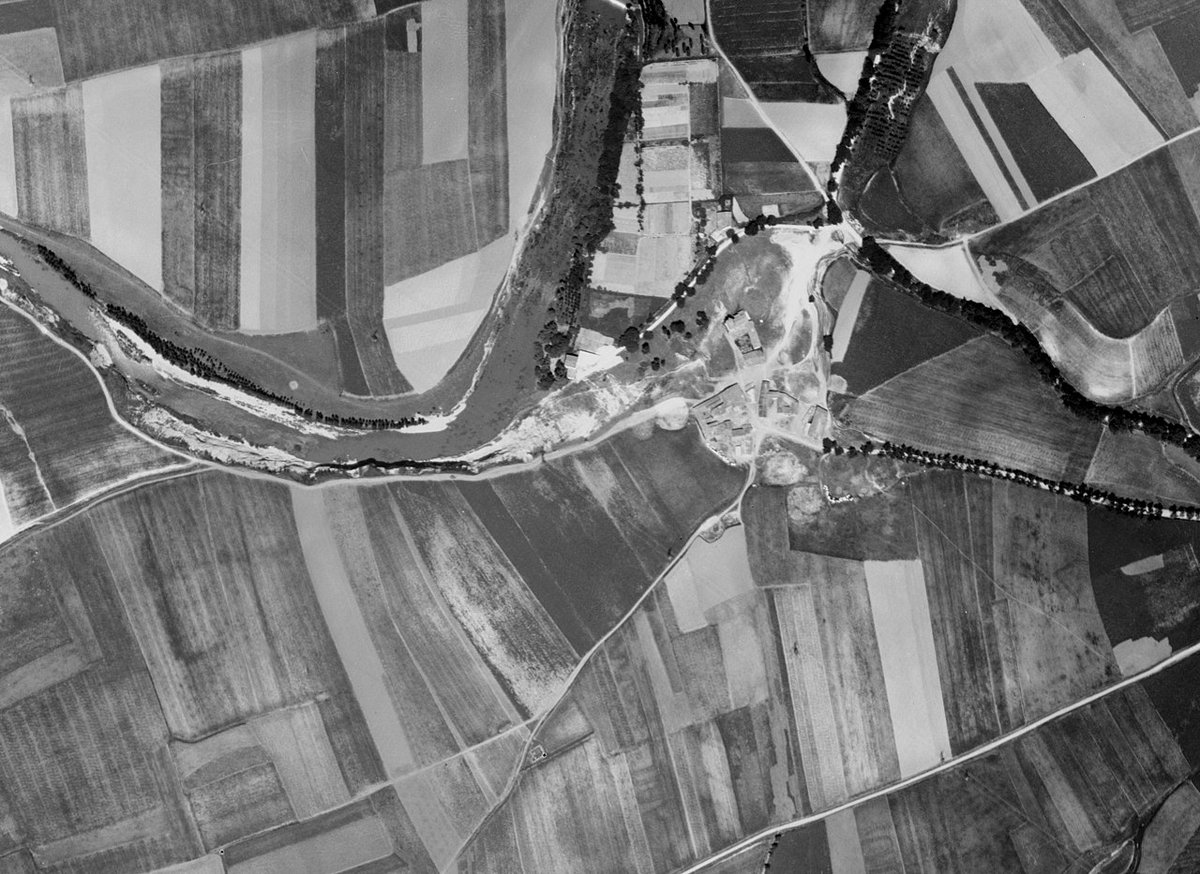
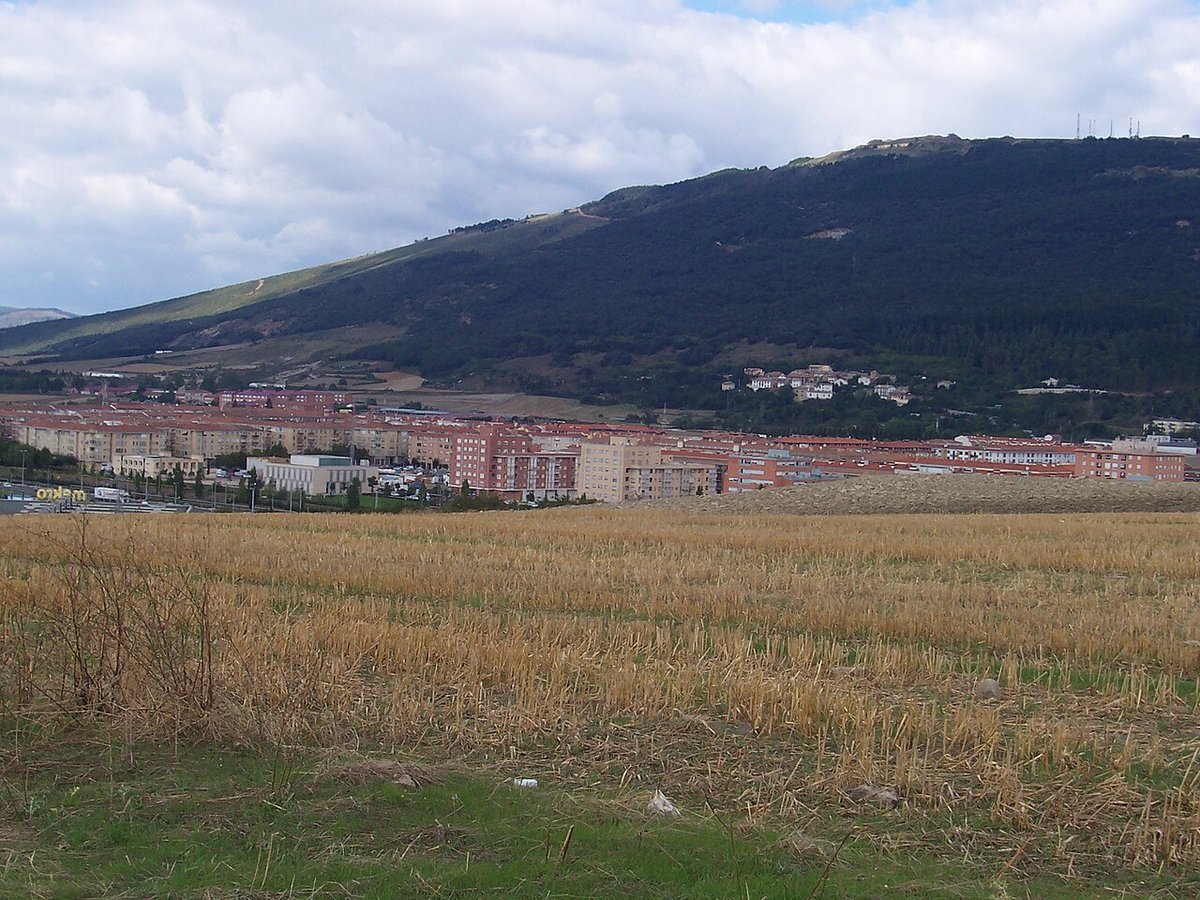
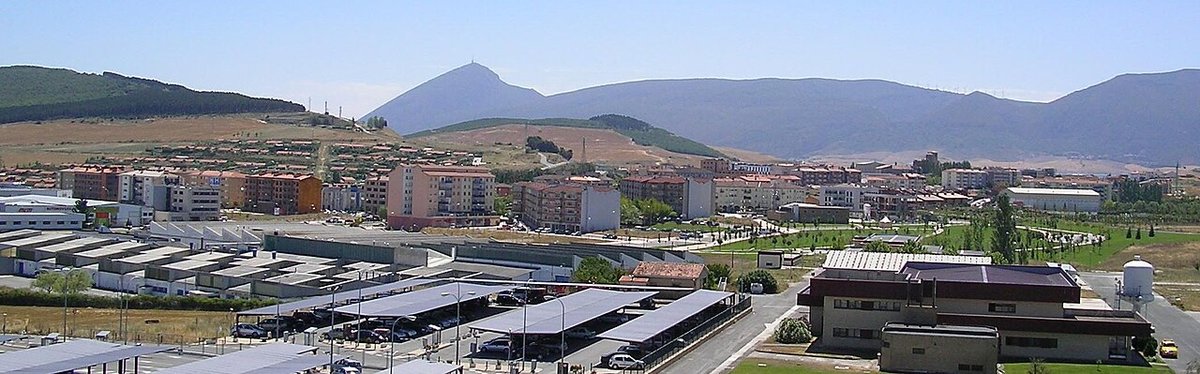
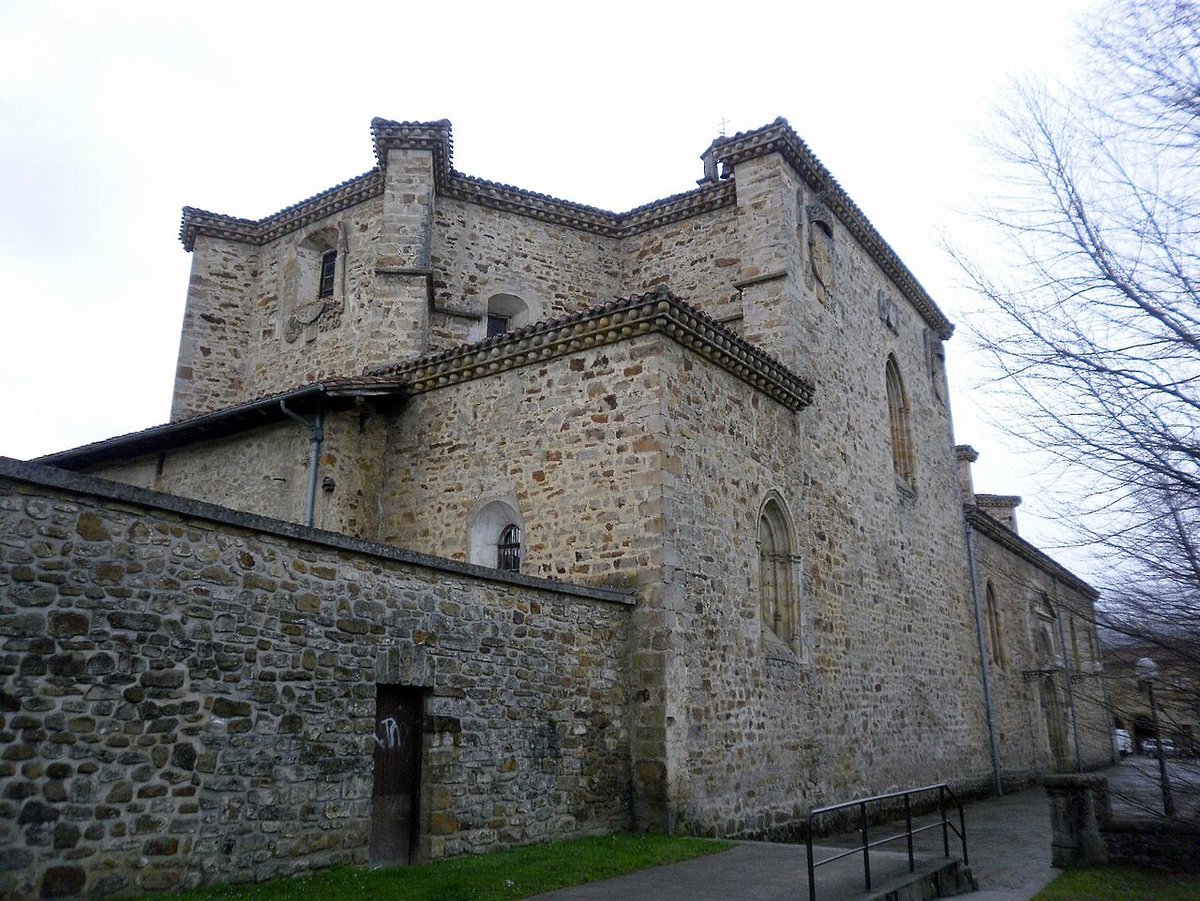
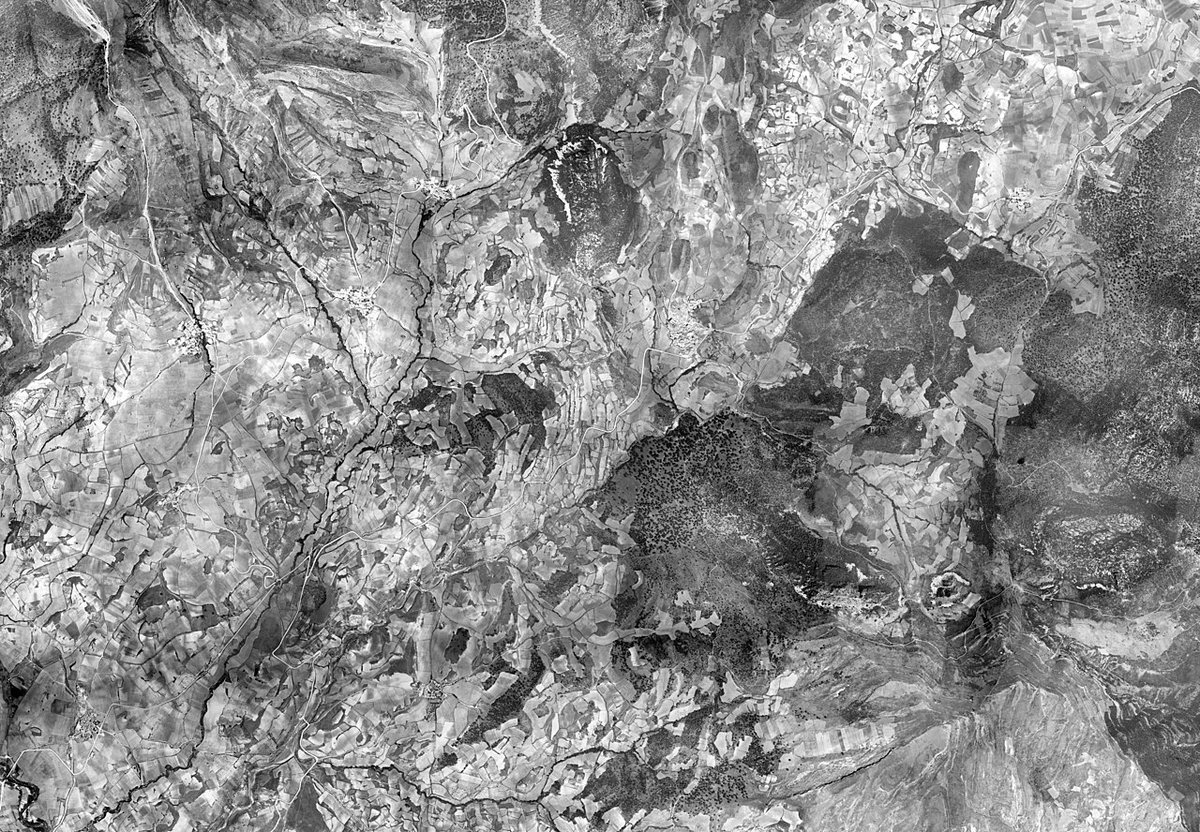
Vista aérea de Belascoáin
Instituto Geográfico Nacional · CC-BY 4.0 scne.es
Navarra · Kingdom of Diversity

Belascoáin

The church tower appears first. Not dramatically—just a blunt rectangle of stone rising above wheat fields twenty kilometres south-east of Pamplona...

124 inhabitants · INE 2025
430m Altitude

Why Visit

Medieval bridge River routes

Best Time to Visit

spring

Assumption of Mary festivities (August) agosto

Things to See & Do
in Belascoáin

Heritage

  • Medieval bridge
  • Church of the Assumption

Activities

  • River routes
  • Rock climbing in Etxauri

Festivals
& & Traditions

Fecha agosto

Fiestas de la Asunción (agosto)

Las fiestas locales son el momento perfecto para vivir la autenticidad de Belascoáin.

Full Article
about Belascoáin

Historically known for its spa; set in the Etxauri valley beside the Arga river among cherry trees.

Ocultar artículo Leer artículo completo

The church tower appears first. Not dramatically—just a blunt rectangle of stone rising above wheat fields twenty kilometres south-east of Pamplona. Pull over at the cemetery wall and the whole village reveals itself in one sweep: forty-odd houses, terracotta roofs, a single road that dead-ends at the church. Belascoain sits at 430 metres, high enough for the air to feel thinner than on the coastal plain yet low enough for the surrounding cereal fields to ripple rather than plunge. At this altitude the Navarran summer arrives earlier than in the Pyrenean valleys but lingers less aggressively than in the Ebro basin. Mornings carry a breeze that smells of straw; afternoons can top 34 °C with almost no shade between rows of wheat.

Inside the village the pace is set by tractors and swallows, not by opening hours. There is no ticket office, no interpretation panel, not even a bar. Stone houses have wooden balconies painted the colour of ox blood; front doors stand open, revealing kitchens that look onto lanes barely wider than a Land Rover. Walk the length of Belascoain in ten minutes and you will pass a single communal bread oven, two shrines tucked into walls, and a barn whose upper door is reached by an external staircase worn smooth by boots that once carried sheaves, not smartphones. The church of San Andrés keeps farmer’s time: unlocked at dawn, bolted again after vespers. Its bell strikes the quarters, though few villagers need reminding when it is time for lunch.

Beyond the last house the land opens like a book. A gravel track heads south, climbing gently through barley that shifts from green to pale gold between late May and early July. After twenty minutes the track crests a low ridge; from here Pamplona’s suburban blocks appear as a grey smudge on the northern horizon, close enough to clock the commute yet too far to hear the motorway. Turn east and the ridge drops toward the Río Arga, its poplars forming a dark line that marks the boundary between Navarra’s cereal belt and the market gardens that supply the capital’s restaurants. The loop back to the village takes an hour, just long enough to work up an appetite you will have to satisfy elsewhere—Belascoain has no café, no shop, not even a vending machine.

What it does have is space to breathe. Spring brings a haze of wild mustard between the wheat rows and the clack of storks overhead; by late June the fields turn monochrome and the only sound is the combine harvester chewing its way from one boundary stone to the next. Autumn smells of wet earth and woodsmoke; winter strips the landscape to bone and ochre, the wind carrying a metallic chill that makes 5 °C feel like minus two. On clear February nights the stars seem close enough to snag on the church weathervane; snow falls once or twice a season but rarely lies more than a day, blocked by the Sierra del Perdón to the north which forces Atlantic storms higher and drier.

Walkers looking for way-marked grandeur should drive on to nearby Ujué or Olite. Belascoain offers instead the intimacy of private farmland: paths wide enough for a tractor, stiles fashioned from old bed-frames, the occasional pointer daubed in white paint on a kerbstone. Rights of way exist because farmers still use them, not because a regional government saw tourism potential. That means you can follow a lane past a paddock where a lone donkey eyes you with the suspicion of someone who has seen too many Airbnb guests fumble for the perfect shot. It also means gates must be closed, dogs kept on leads, and picnics eaten discreetly—no litter bins, no toilets, no rescue phone signal if the weather turns.

Cyclists fare better. A network of farm tracks forms a 25-kilometre circuit linking Belascoain with neighbouring Guerendiáin and Eulate; gradients rarely exceed five per cent, though loose gravel can spit sideways on the descents. Mountain-bike tyres are advisable, as is water: summer shade is limited to the occasional poplar windbreak, and the only reliable fountain stands outside the church—cold, potable, occasionally switched off during drought alerts. Road riders can loop south toward the Bardenas Reales, but that adds another forty kilometres and a headwind that feels personal.

The village wakes briefly in August. Former residents return from Pamplona, Bilbao or Madrid; cars line the single street while grandparents supervise grandchildren armed with footballs and ice-creams bought in bulk from a supermarket ten kilometres away. The fiesta mayor, held around the fifteenth, consists of a mass, a communal paella cooked in a pan the size of a satellite dish, and an evening dance in a marquee strung between two houses. Visitors are welcome to join the queue for rice, but don’t expect tourist pricing: donations go toward next year’s fireworks, and the wine is free because the local cooperative needs to shift last year’s surplus. By the twenty-fifth the exodus is complete; shutters bang shut, swallows depart, and the village reverts to its default soundtrack of grain dryers and distant dogs.

Out of season Belascoain makes a useful foil to Navarra’s noisier attractions. Arrive mid-morning in April and you can be walking within five minutes of parking; by lunchtime you have earned a plate of artichokes and lamb shoulder in Olite’s medieval square, twelve minutes away by car. In November the village serves as a quiet base for mushroom hunters: drive fifteen kilometres north to the Irati forest and you will share beech groves with more fungi than people, though permits are required for commercial picking. Even in high summer the strategy works—sightsee in Pamplona until the mercury hits 36 °C, then escape to Belascoain where the altitude knocks three degrees off the thermometer and a ten-minute stroll brings you to a ridge where the only shade is your own shadow.

Practicalities are straightforward, if spartan. Reach the village via the NA-132 from Pamplona, turning off at Guerendiáin; the final three kilometres narrow to a single track with passing places, perfectly drivable but not ideal for a seven-metre motorhome. Parking is unofficial—squeeze against the cemetery wall or the sports court (a patch of tarmac with one hoop and no net). Mobile coverage switches between one bar of Vodafone and none at all; download offline maps before you leave the ring-road. Bring water, sun-hat and waterproof in the same rucksack: continental Navarra can flip from 30 °C sunshine to hail within an hour, especially around the equinoxes. And set your expectations to “Sunday stroll” rather than “bucket-list highlight”; Belascoain rewards those content with skylarks and wide horizons, not souvenir fridge magnets.

Leave when the church bell strikes seven. The wheat catches the lowering sun and the ridge you walked earlier turns into a saw-tooth silhouette against a sky the colour of Campari. Somewhere a tractor shuts down for the night; exhaust drifts across the lane like incense. There is nothing to buy, nothing to prove you were here except the dust on your boots—and that washes off easily enough back in Pamplona, where tapas bars and traffic lights wait just twenty kilometres down the road.

Key Facts

Region
Navarra
District
Cuenca de Pamplona
INE Code
31052
Coast
No
Mountain
No
Season
spring

Livability & Services

Key data for living or remote work

2024
Connectivity5G available
TransportTrain 14 km away
HealthcareHospital 15 km away
Housing~5€/m² rent · Affordable
CoastBeach nearby
January Climate5.6°C avg
Sources: INE, CNMC, Ministry of Health, AEMET

Official Data

Institutional records and open data (when available).

  • Iglesia de San Esteban
    bic Monumento ~2.1 km

Planning Your Visit?

Discover more villages in the Cuenca de Pamplona.

View full region →

More villages in Cuenca de Pamplona

Traveler Reviews