Full Article
about Berrioplano
Municipality made up of several councils at the foot of Mount Ezkaba; rapid recent growth
Ocultar artículo Leer artículo completo
Fifteen Kilometres, Another World
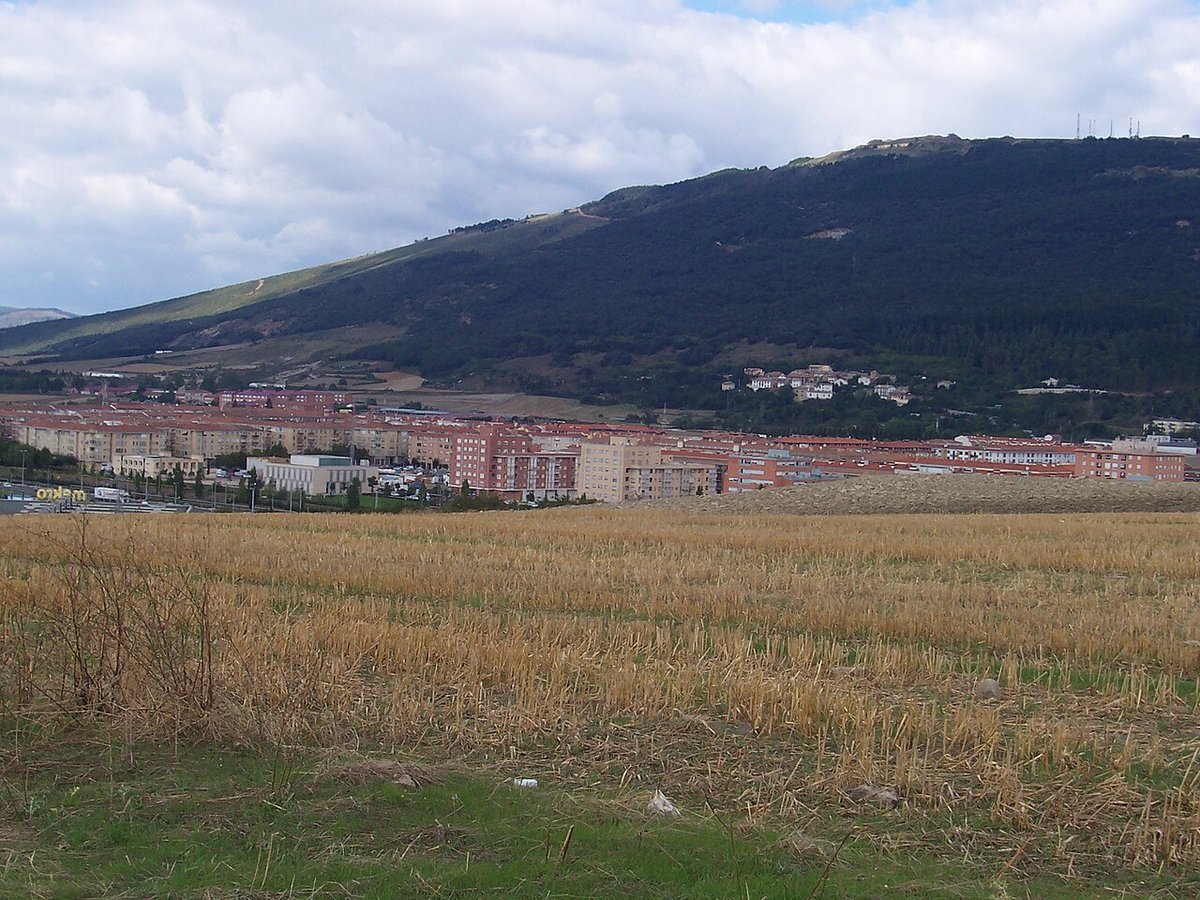
The NA-601 climbs gently out of Pamplona's industrial estates until the city thins into allotments, then proper fields. At 453 metres above sea level – high enough for the air to feel cleaner but not thin – Berrioplano appears as a ridge of modern villas above cereal terraces. This isn't a village that time forgot. It's where primary-school teachers and hospital porters buy semidetached houses with gardens large enough for a trampoline and a decent tomato crop.
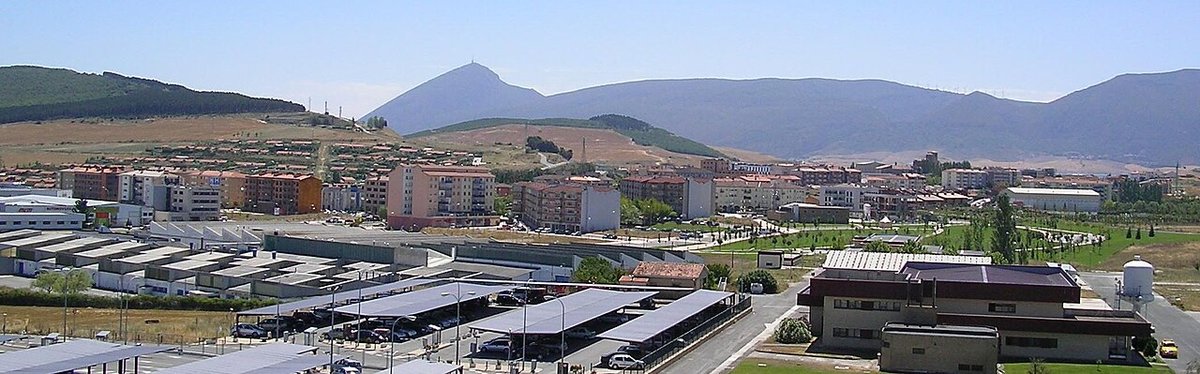
Seven thousand souls spread across several nuclei: the original core huddles round its twelfth-century church tower, while newer streets march towards the neighbouring municipality of Zizur Mayor. Between them run irrigation channels built by Cistercian monks and tarmacked lanes wide enough for a tractor and a pushchair side by side. The effect is neither chocolate-box nor brutal: red geraniums in concrete planters, a pelota court next to a discount supermarket, almond orchards giving way to solar panels on garage roofs.
Walking Without the Pyrenees Crowds
You don't need crampons here, but you do need sensible shoes. The GR-126 long-distance footpath skirts the village, following the old railway that once carried Navarrese grain to Bilbao's docks. Flat, gravelled and way-marked, it's perfect for an afternoon stroll when the siesta hush settles at three o'clock. Head south for 40 minutes and you reach the ruins of Olejua mill, where kingfishers flash along the Arga's slower tributary. Northwards, the track rises 150 metres to an iron-age hillfort; from the summit you can spot the weather station on Pamplona's university campus, proof that civilisation is only a €1.60 bus ride away.
For something rougher, the track past the cemetery becomes a farm lane that zigzags between wheat and wine. After two kilometres the tarmac crumbles into packed clay; continue another kilometre and you're on the watershed between the Atlantic and Mediterranean drainage basins. In May the verges are thick with poppies the colour of a London bus. By July the same earth has turned to pale dust that coats your calves like flour. There is no café, no fountain, no mobile coverage in the hollows. Carry water: the altitude may be modest, but dehydration arrives faster than you'd expect at 45 degrees of Spanish latitude.
What Passes for Culture When Nobody's Watching
The parish church of San Esteban keeps the usual Spanish timetable: open half an hour before Sunday mass, otherwise locked tighter than a Bank of England vault. Turn up at 11:25 for the 11:30 service and you can admire the sixteenth-century Flemish panels looted from a monastery during the Napoleonic occupation. The priest will let you photograph them if you ask nicely afterwards; donations go towards repairing the roof where jackdaws have pulled out the flashing.
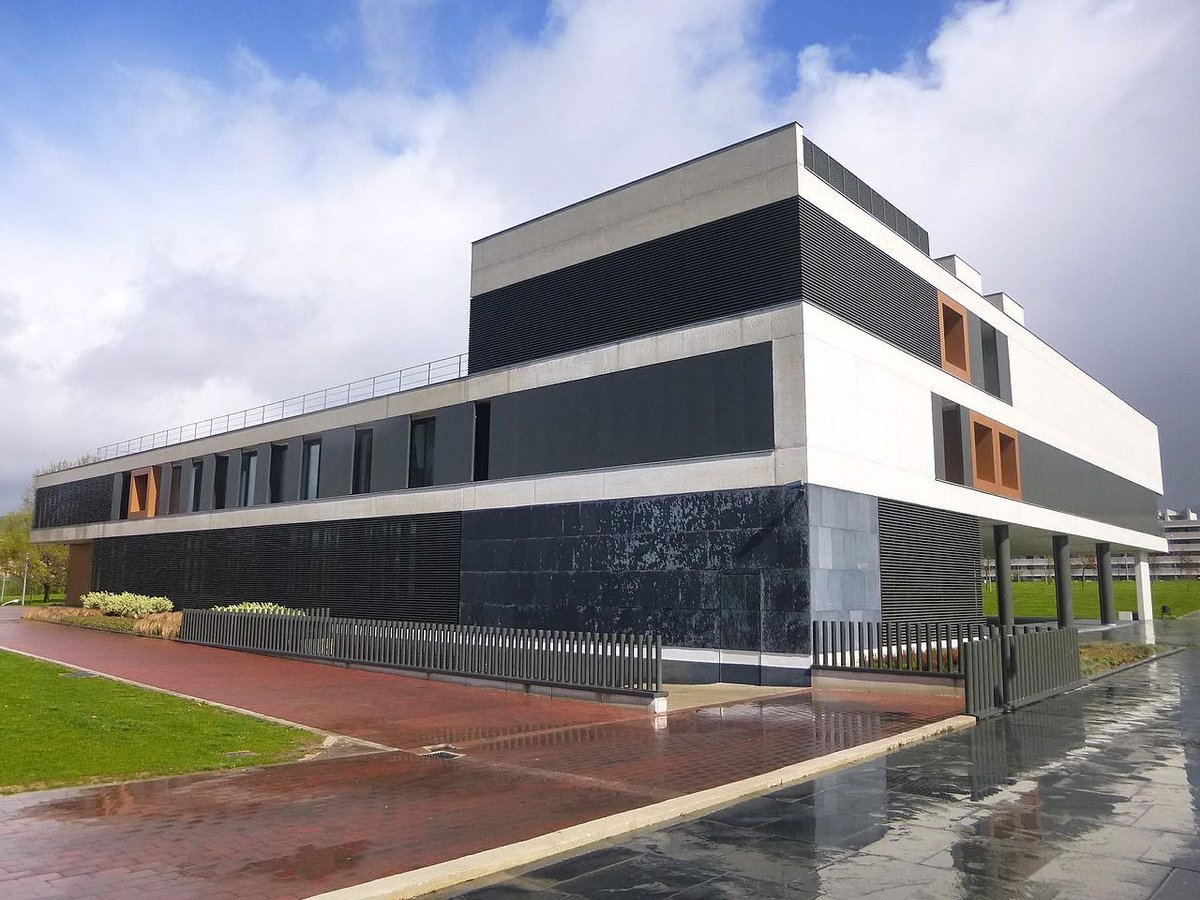
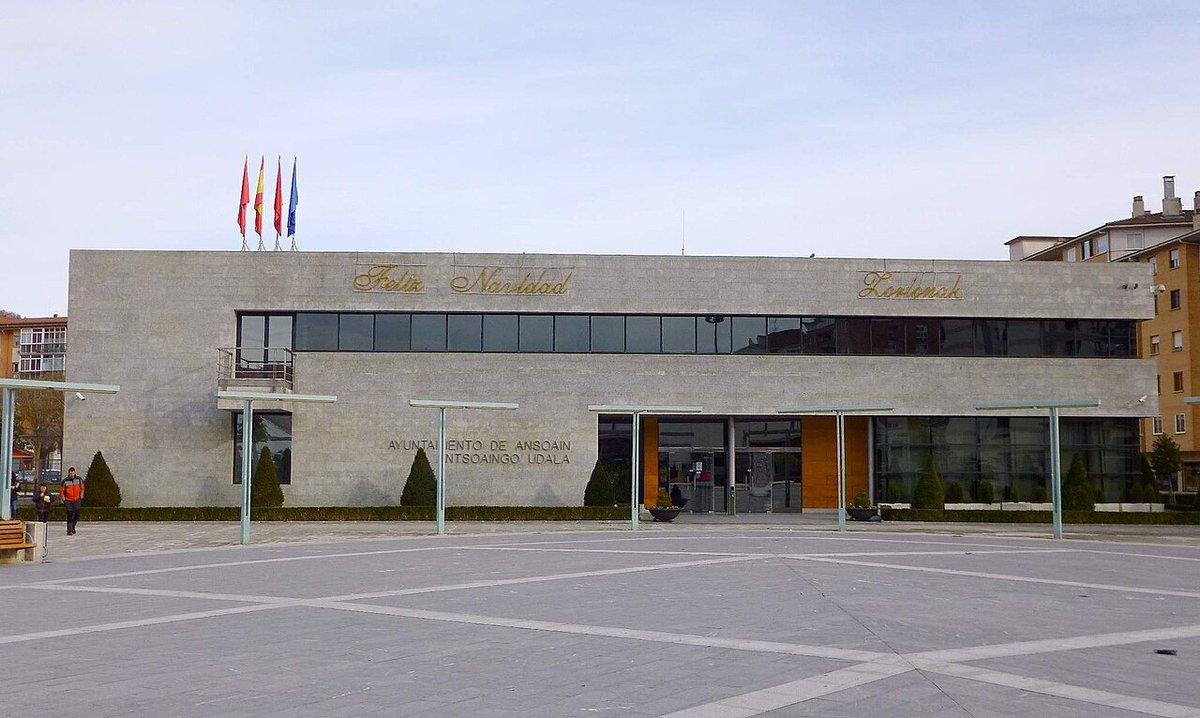
Across the square, the Museo de Ciencias Naturales Eduardo Blasco occupies a former primary school built in 1958. Inside are 3,000 fossils collected by a local vet who never threw away an interesting rock. Entry is free, though you must ring the bell at the town hall next door for the key. The star exhibit is a set of ammonites found during construction of the nearby A-12 motorway; they prove this dry plateau was once a Jurassic seabed. Children get a photocopied quiz sheet in English; adults receive a ten-minute lecture on trilobites, delivered in rapid Spanish with fossilised Latin thrown in.
Eating Without the Pintxo Price Tag
Berrioplano's restaurants are aimed at neighbours, not food-bloggers. Lunch menus cost €12–14 and include wine poured from a plastic jug that started life as motor-oil packaging. Bar Asador Txikiuri does a respectable cordero al chilindrón – lamb stewed with sweet peppers – but runs out by 3:30 sharp. Arrive earlier and you'll share the dining room with farmers still wearing their vineyard boots. Pudding is often cuajada, a sheep's-milk junket served with honey; it tastes like yoghurt that has attended military academy.
Evening options are thinner. The last bus back to Pamplona leaves at 21:10, so most visitors eat and run. If you stay overnight, walk ten minutes to the industrial estate where Hotel Luze el Toro hides behind a petrol station. Its restaurant offers grilled artichokes and local pochas (white haricot beans) for €18 a plate, half what you'd pay inside the city walls. The wine list lists three Navarrese rosés; order the one without a cartoon bull on the label.
Timing Your Escape
Spring arrives late at this altitude. Almond blossom appears in mid-March, two weeks behind the Ebro valley. By late April the fields are lime-green with young wheat, and temperatures hover around 18 °C – perfect for cycling before the tractor drivers start at dawn. Autumn is equally kind: the grape harvest begins in September under skies so clear you can see the Picos de Europa 200 kilometres away.
Summer is less forgiving. At 35 °C the asphalt softens and the only shade is inside the church porch, which the council locks to stop teenagers skateboarding. Plan morning walks finishing by 11:00, then retreat to an air-conditioned bar for a clara (lager with lemon). Winter brings the opposite problem: daylight lasts barely nine hours, and the wind sweeping down from the Pyrenees can make 5 °C feel like minus five. Roads ice over; buses are cancelled with the cheerful indifference of a rural monopoly. Visit between December and February only if you enjoy horizontal sleet.
Getting Stuck, Getting Out
There is no railway station any more – the trackbed is now the footpath. Autocares Artieda runs four buses a day from Pamplona's Calle Yanguas y Miranda; the timetable is printed on yellow paper behind the driver's seat and nowhere online. A single costs €1.60 exact change only. Miss the 19:30 departure and your choices are a €35 taxi or an evening in the Bar Centro playing mus with the locals.
Driving is simpler: take the NA-601 towards Logroño, exit at kilometre 15, and park on the broad verge before the school. Saturdays fill with Pamplonese families collecting grandparents for the weekend; spaces vanish after 11:00. Sunday evenings they all leave at once, creating a brief traffic jam past the corn silos – the closest Berrioplano gets to rush hour.
Stay the night and you wake to church bells at 8:00, followed by the mechanical whirr of the bread-van's dispenser. Book Hotel Luze el Toro (doubles €65, Wi-Fi patchy) or ask at the town hall about the two rural apartments licensed for tourists. Neither offers breakfast, but the bakery opposite opens at seven and will still be warm from the oven when you stagger across the square clutching euros and yesterday's hunger.
Leave before the sun clears the ridge and you can be drinking a flat white in Pamplona's Plaza del Castillo within 25 minutes. The city feels louder, faster, slightly guilty after a night where the loudest noise was a dog barking at a thermal. That contrast, rather than any single monument, is Berrioplano's real attraction: proof that in Navarra you can still step off the bus and find the twentieth-century Mediterranean village Britain mislaid somewhere between the bypass and the retail park.