Full Article
about Berriozar
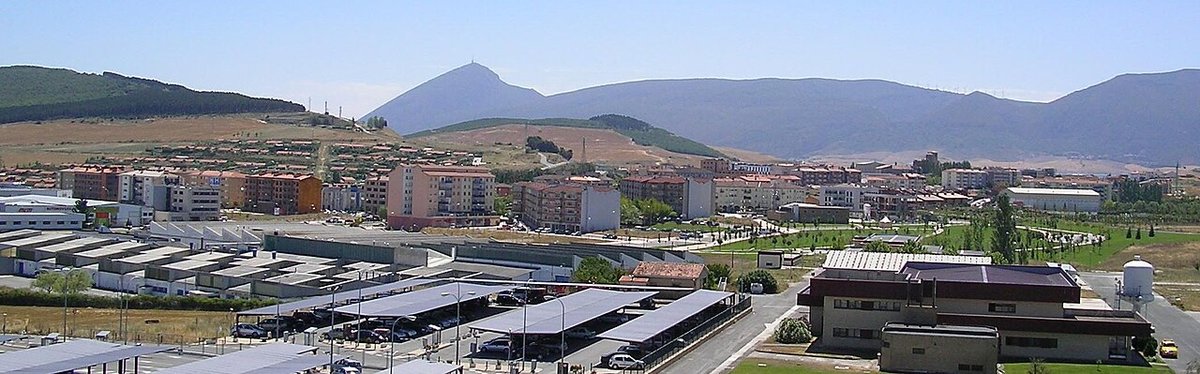
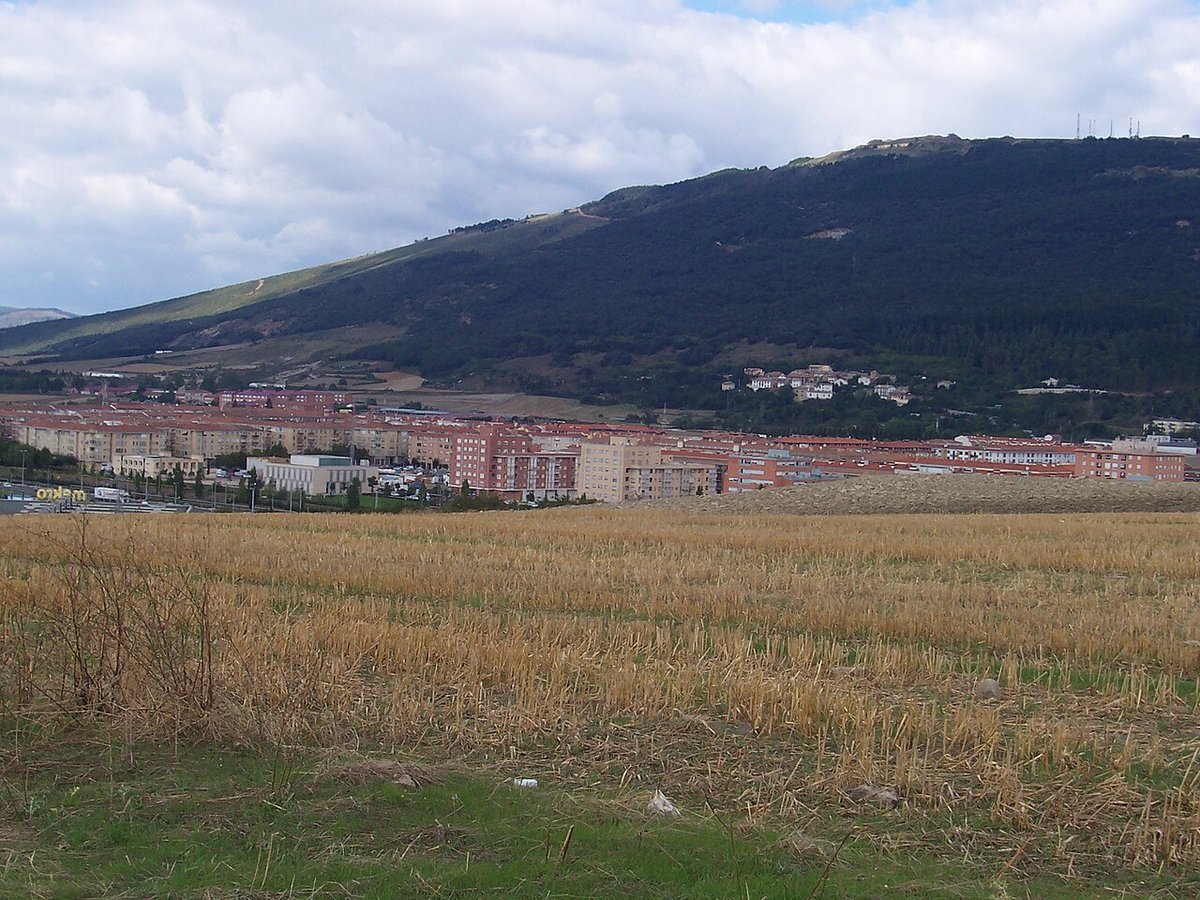
Independent municipality next to Pamplona; old quarter on the hill, modern area below.
Ocultar artículo Leer artículo completo
The morning bus from Pamplona wheezes to a halt beside a concrete parish church. Office workers in suits step off, clutching takeaway coffees, while pensioners shuffle towards the bar for a brandy at half past eight. Welcome to Berriozar, 428 m above sea level and six kilometres from the bright lights of Navarra's capital—close enough for a daily commute, far enough for house prices to drop by a third.
A Village That Forgot to Be Medieval
Forget cobbled lanes and stone arcades. Berriozar grew in the 1970s when Pamplona spilled over the ridge, so most streets are named after engineers (Calle Leonardo Torres Quevedo) rather than saints. The church of San Esteban, rebuilt in 1998 after a fire, sits in a tarmac square flanked by a pharmacy, a Dia supermarket and a betting shop. It is not ugly; it is simply honest—functional Spain doing what it does best when the siesta ends and the shift whistle blows.
Walk ten minutes in any direction, though, and the city hum recedes. Wheat fields roll towards the Arga valley, oak copses shade the track beds of disused agricultural railways, and red kites wheel over irrigation channels that still follow Moorish gradients. The soil is clay-rich, good for asparagus and piquillo peppers, which is why roadside stalls appear from May to October with handwritten prices: €4 a kilo for peppers, €6 for the first white asparagus spears. Bring small change; nobody carries a card reader.
Walking Without a Postcard
Berriozar's best side reveals itself at dawn. From the sports centre on Calle Erkudia a gravel lane climbs gently south-east towards the village of Galar. The gradient is negligible—barely 60 m over 3 km—so even fair-weather walkers can manage before breakfast. Halfway along, a concrete water tank marks the high point; stand on it and you look back over Pamplona's industrial estates, the metal roofs flashing pink under first light. In April the fields smell of wet chalk and young wheat; by July the same earth is dust and cicadas. There is no bar, no fountain, no interpretive panel—just the basin of Navarra opening like a map.
Mountain bikers use the same web of farm tracks. A gentle 25 km loop strings together Berriozar, Galar and Cizur Mayor, returning along the river Elorz. None of it is single-track adrenaline; think bridleway pootle with the occasional tractor to overtake. Hire bikes at "Bicis Navarra" in Pamplona (€25 a day) and bring two bottles—shade is scarce and summer temperatures touch 35 °C by eleven o'clock.
Eating When Nobody is Watching
Food here is for locals, not for tick-box gastronomy. The busiest lunchtime venue is Casa Rafi on Avenida de Navarra, a brick bungalow with plastic tablecloths and a television in the corner. The menú del día costs €12 Monday to Friday and arrives in three waves: vegetable soup thick enough to stand a spoon in, breaded pork escalope with chipped potatoes, and a slab of cuajada (sheep's-milk curd) drizzled with honey. Wine from the barrel is included; so is the slight hangover if you accept the second glass.
Saturday nights liven up when extended families pile in after First Communion or village football finals. Expect noise, balloons and a queue for the one toilet. Bookings are taken only in person; phone calls go unanswered because the handset is usually unplugged. If that sounds too anarchic, drive five minutes to the Aralar Hostal where the dining room has starched linens and a €25 three-course menu featuring grilled artichokes and chuletón (T-bone) for two. The steak weighs a kilo; doggy bags are frowned upon, so bring an appetite.
Fiestas, Firecrackers and the 06:15 Bus
Patronal week erupts around 2–6 August for San Esteban. Brass bands march at midday, children chase foam through the streets, and temporary bars sell kalimotxo (Coca-Cola and red wine) for €1.50 a plastic cup. Rock concerts finish at 03:00; the first commuter coach to Pamplona still leaves at 06:15, filled improbably with office workers who have changed into suits in the public toilets. Accommodation within the village is limited to the thirty-room Aralar Hostal; prices double during fiestas and rooms are booked nine months ahead by families returning to the same floor tile. Stay in Pamplona and catch the nightly bus back—services run until 02:30 during festival week.
The rest of the year is quieter. Thursday is market day: eight stalls selling pants, drill bits and oversized courgettes. The municipal pool opens June to September (€3 entry, €25 for a ten-swim bonnet) and doubles as an ice-skating rink in winter—plastic panels laid over the water, truly as surreal as it sounds.
Getting Here, Getting Out
Pamplona airport receives two Ryanair flights weekly from London-Stansted (Tuesdays and Saturdays, March to October). From the terminal, a taxi to Berriozar costs €20 and takes fifteen minutes; the cheapest route is the L16 bus to the city centre (€1.35) then line A of the Transports Ciutadella (€1.25) which terminates beside the Berriozar health centre. Total journey: forty minutes plus whatever immigration throws at you.
Drivers exit the AP-15 at kilometre 92 and follow signs for "Polígono Industrial El Soto", then Berriozar. Parking is strictly policed: blue bays allow two hours with a dashboard clock, green bays are for residents only. Ignore the rules and the tow truck arrives within twenty minutes; retrieving your car costs €150 plus a taxi ride to the municipal pound on the outskirts of Pamplona. Free parking exists on the gravel verge south of the church after 19:00 and all day Sunday—arrive early in August because every cousin owns a Seat.
What You Gain, What You Give Up
Berriozar will never make the cover of a Spanish tourism brochure. It has no castle, no Michelin star, no ancient synagogue repurposed as a cocktail bar. Instead it offers a snapshot of how most Spaniards actually live: apartment blocks with timed corridor lighting, bakeries that still give you a free cortado if you buy the croissants before eight, and countryside you can reach without a car. Trade the fantasy for the everyday and you might find something rarer than a medieval tower—space to breathe within earshot of a city that once ran with bulls.