Full Article
about Burlada
Fifth-largest town in Navarre by population; linked to Pamplona
Ocultar artículo Leer artículo completo
The first thing you notice is the rucksacks. Even at seven on a weekday morning, half the people stepping off the 5B bus are loaded with scallop shells and aluminium poles, heading for coffee before the last push into Pamplona. Burlada isn’t on the coast and it isn’t high in the Pyrenees; it is, essentially, a commuter belt dormitory that the Camino de Santiago cuts straight through. That collision—between medieval foot traffic and Monday-to-Friday Spanish reality—gives the place a curiosity value most guidebooks ignore.
A suburb that still remembers fields
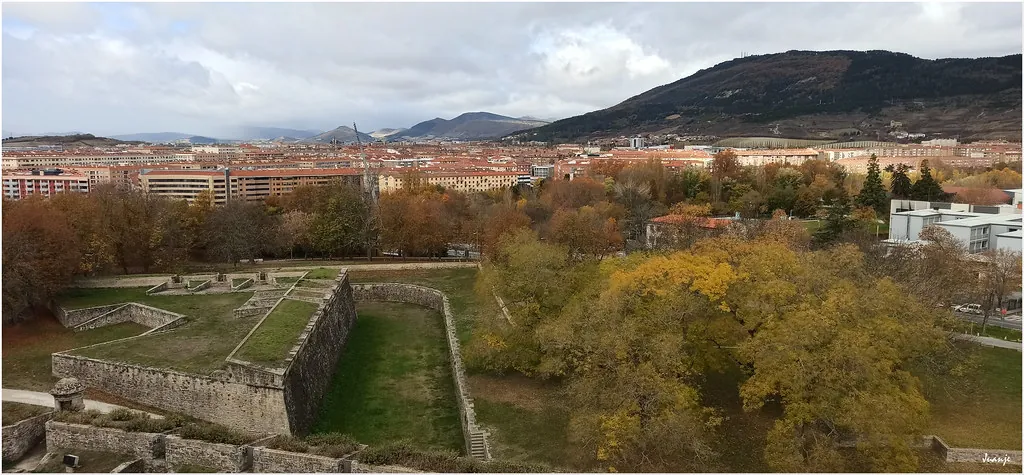
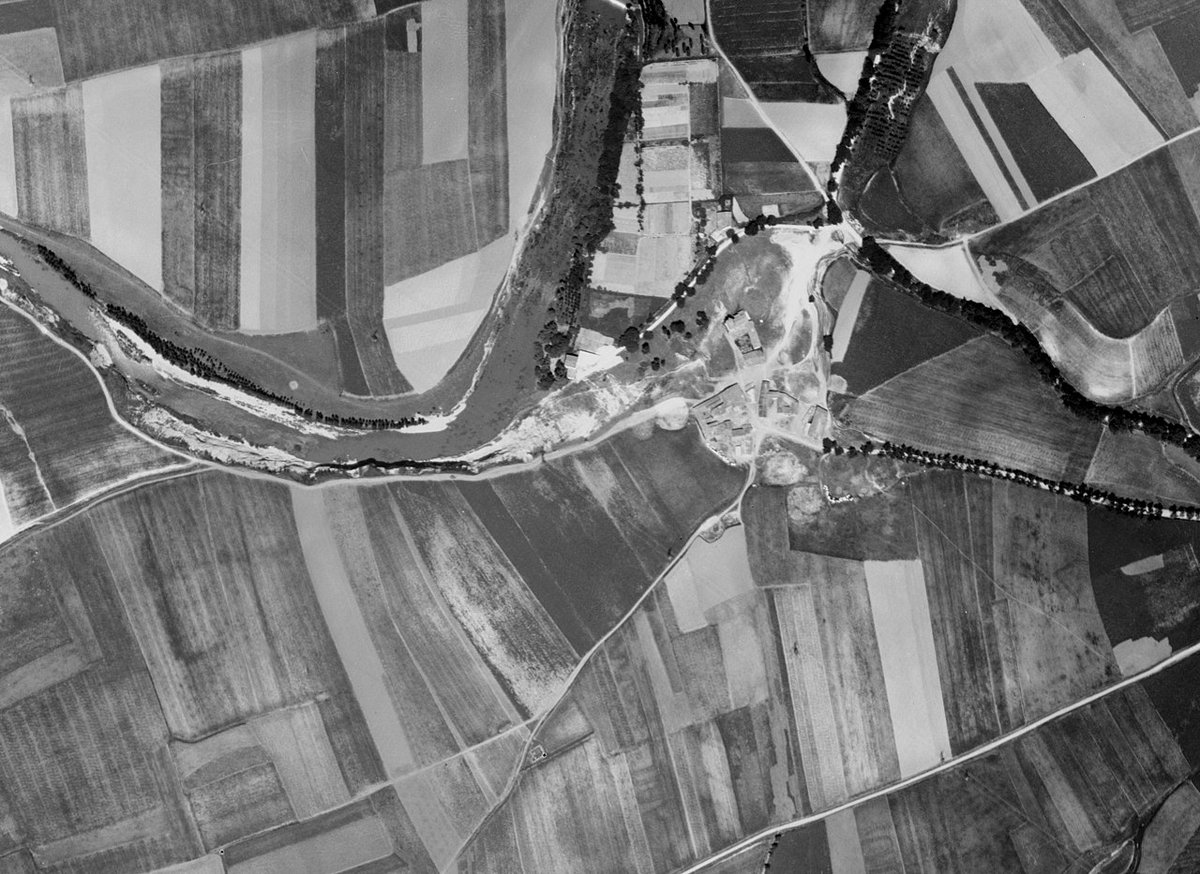
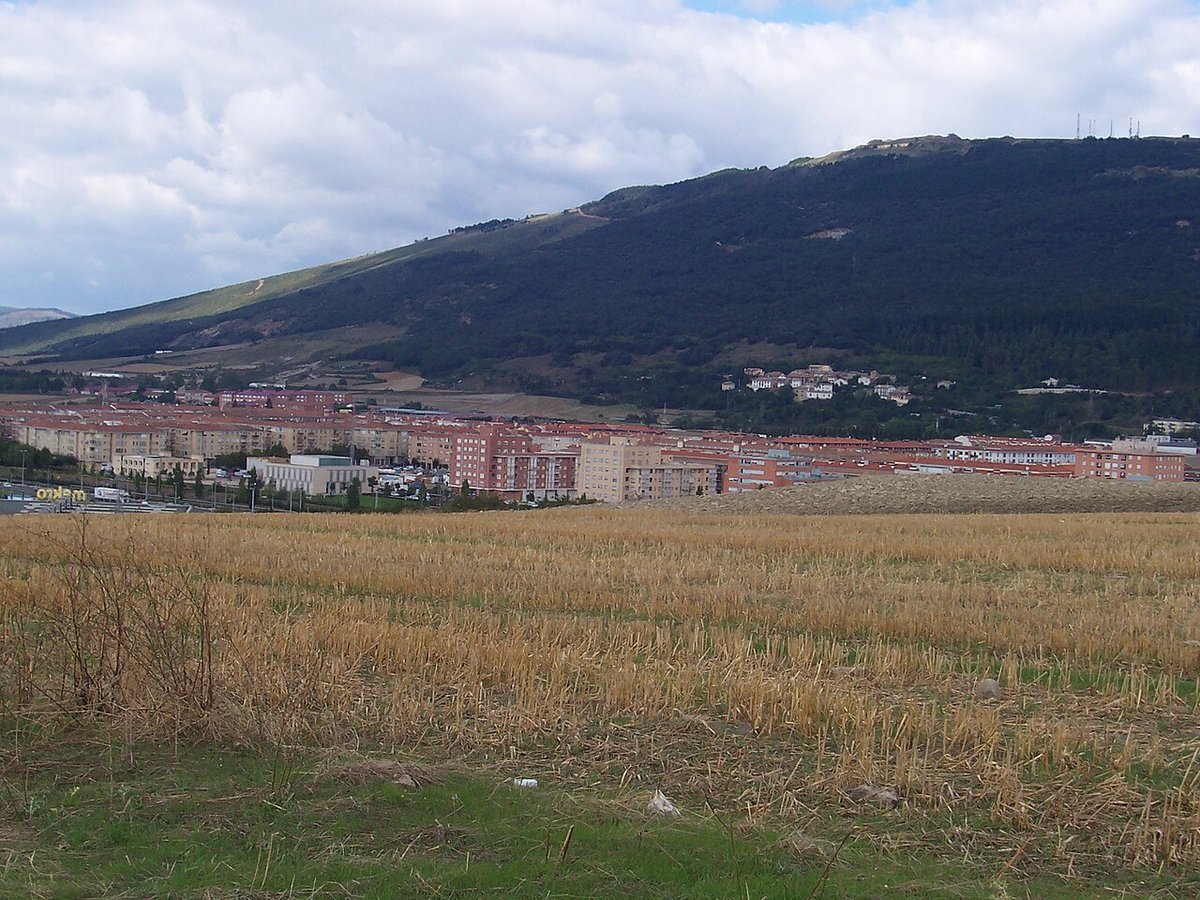
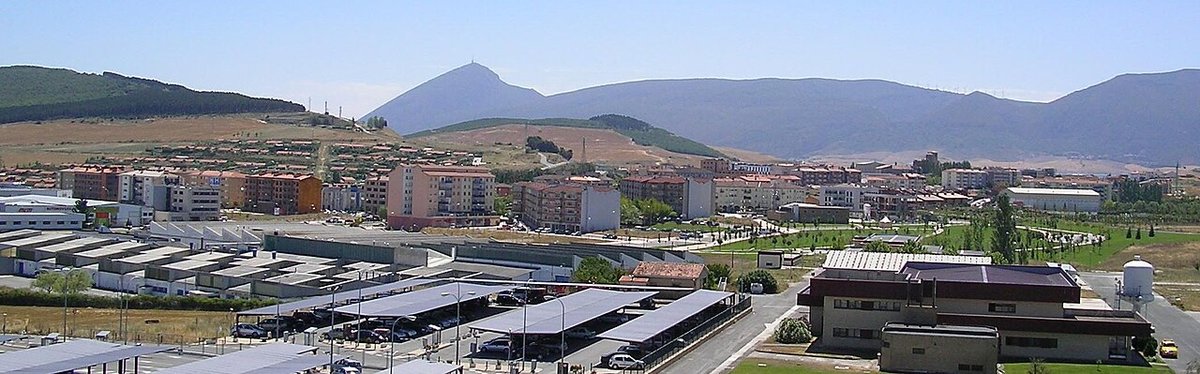
Stand on the Plaza Mayor at eleven o’clock and the sound is mainly delivery vans and greetings shouted across the square. Burlada sits 423 m above sea level on the flat floor of the Cuenca de Pamplona, five kilometres from the capital and almost level with it. Until the 1960s this was farmland; the town hall still keeps a 1949 photograph showing cereal plots where the health-centre car park now stands. The grid of farm lanes became residential streets so quickly that the church of San Pedro looks sideways-on to the main road, as if it hasn’t quite worked out where the new centre went.
The church itself is a five-minute pause rather than a destination. Late-Gothic bones survive inside, but the façade is an 18th-century afterthought and the doors are locked unless the parish office is open. Peek in if you can: two gilded baroque side altars glitter in the gloom, paid for by merchants who traded wool and leather along the same river path pilgrims still follow. No tickets, no audio guide—just drop a euro in the box if the lights are off.
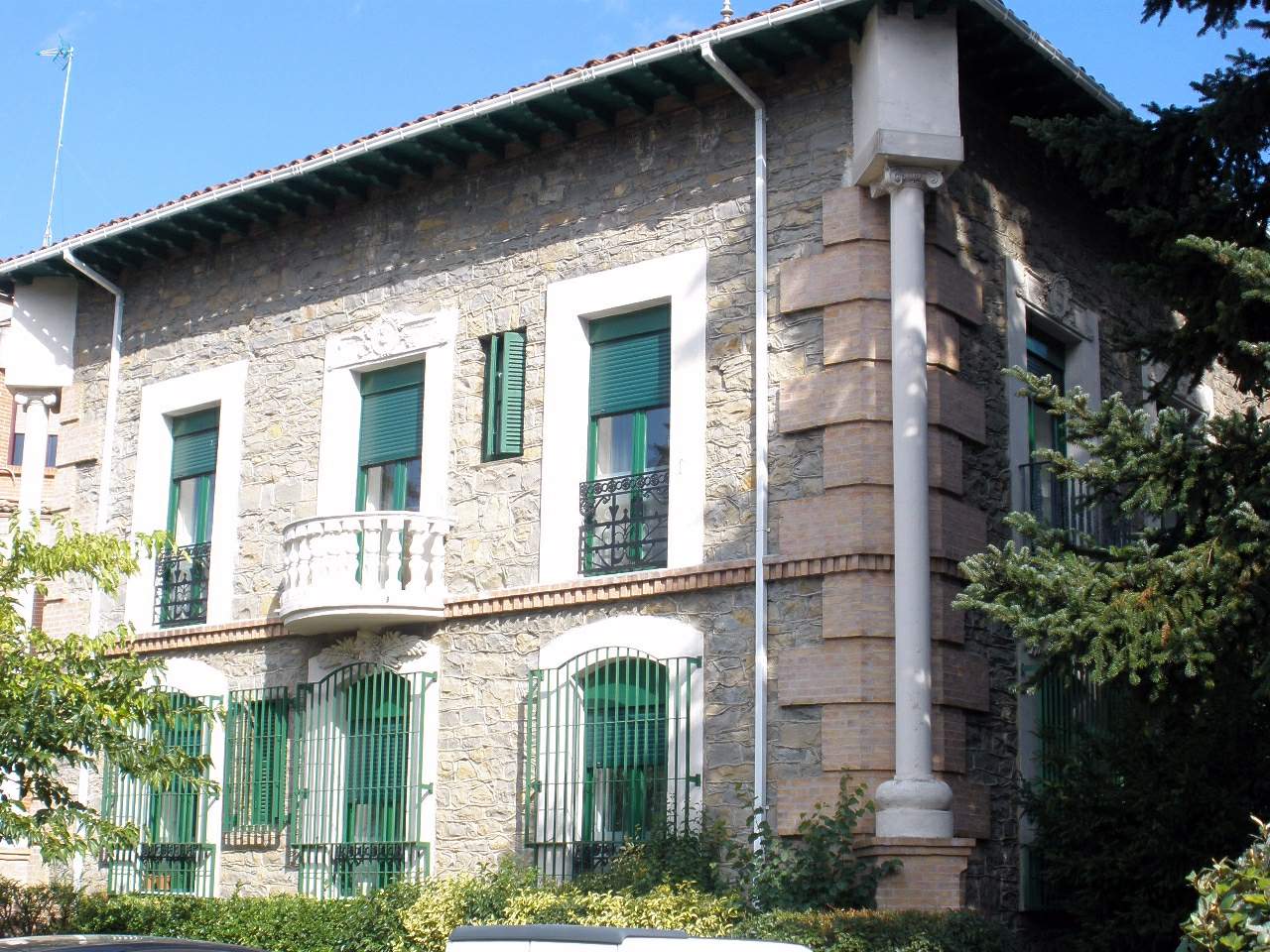
Across the square the Palacio de los Duques de Granada de Ega does what Spanish townhouses do best—impress without letting you in. The stone Grand Dame dates to 1650, has been divided into flats, and gets photographed mainly by Japanese walkers who think it’s Pamplona’s town hall. The coats of arms are worth a glance: five centuries of aristocratic marriages carved in less than five minutes of attention.
The river that keeps the place sane
Burlada’s best idea is the Parque Fluvial del Arga. From the Plaza de la Fuente a paved path dives under poplars and follows the river north for 12 km, all the way to the village of Villava and beyond. Cyclists use it as a commuter route; at weekends families push toddlers on scooters and grandparents walk small dogs wearing knitted coats. The water is too shallow for kayaks but wide enough to give that necessary sense of space—something the high-rise suburbs on the ridge above fail to provide.
If you’re on foot, walk twenty minutes upstream to the medieval stone bridge at Santa Engracia. Herons stand in the gravel beds, and the only traffic noise is the occasional whoosh from the A-15 on the horizon. Turn back when you’ve had enough; the return loop gives you a straight view of the Pyrenees on a clear day, snow glittering above the cereal plains.
Food: market logic rather than Michelin
Burlada doesn’t do tasting menus. What it does is supply day-workers with calories at non-tourist prices. The indoor market (Tuesday, Thursday, Saturday) has eight stalls: one for peppers and lettuces, one for cheese from the Urbasa hills, a fishmonger who drives up from Bermeo at 4 a.m., and a butcher who’ll sell you a single chorizo rather than a whole string. Turn up at 11 a.m. and you’ll see shoppers still in house slippers; that’s the kind of neighbourhood confidence the place retains.
For sit-down food, Palacete Jauregia on Calle San Pedro offers a weekday menú del día at €14. Expect soup, hake in green sauce, and crème caramel—safe territory if you’ve been over-challenged by anchovy tapas in Pamplona. Locals treat the place like their dining room; builders in paint-spattered trousers sit beside retired couples reading Diario de Navarra. At weekends the same restaurant switches to grilled sirloin and charges €24; the quality jumps, but so does the bill.
Bars circle the Plaza Mayor like iron filings round a magnet. Try Bar Asador Aritzbatal for pincho de tortilla (wedged, as it should be, in a crusty baguette) and a caña for €2.80. They close the grill at 23:00 sharp; night owls take the night bus into Pamplona where kitchens stay open until after one.
Sleeping: beds without bull-running prices
San Fermín (6–14 July) turns Pamplona hotel rates into London-in-August territory. Burlada’s two-star Hotel Bed4U, 300 m from the bus stop, triples its €65 room to €195 during the fiesta—still half the price of anything inside the city walls. The rest of the year you can park for free underneath and catch the number 7 into Pamplona every ten minutes. Soundproofing is decent, the Wi-Fi actually works, and the breakfast buffet has real orange juice—rare at this price point in Spain.
Outside fiesta season the same hotel hosts Erasmus students and weekend shoppers. Don’t expect charm; do expect a hot shower, a double bed that isn’t two singles shoved together, and staff who’ll print your boarding pass without charging.
When to come, and when not to
Spring and early autumn give you 20 °C afternoons and cold beer evenings without the furnace heat of the Meseta. Winter is damp rather than snowy—snow usually stays on the mountains you can see to the north. Access never closes; at 423 m Burlada is below the level where ice becomes a driving hazard.
Avoid the final week of June unless you like community brass bands at 02:00. Fiestas de San Pedro involve processions, fireworks and outdoor dancing that spill across every residential street. Hotels are booked by visiting cousins, not tourists, but sleep will be optional.
Getting in and out
From Bilbao ferry port it’s 90 minutes south on the AP-68 and A-15; exit at 92, follow signs for Burlada centro, and slide into the underground car park before you reach the church—spaces are marked white and free for the first three hours. If you’re rail-touring, Renfe’s high-speed trains stop at Pamplona; bus line 7 completes the journey in twelve minutes and accepts contactless bank cards.
Walking into Pamplona along the river takes 25 minutes and deposits you at the medieval gateway of Santa Engracia. Cyclists can borrow blue Navibizi bikes from a dock beside the bus station; the first half-hour is free, long enough to reach Pamplona’s old town and dock again.
Worth it?
Burlada will never make anyone’s “top ten villages of Spain” because it isn’t a village any more. It is, however, an honest slice of provincial life where you can drink decent wine for €2, leave the car safely, and understand how ordinary Navarrans live between fiestas. Use it as a base, a lunch halt, or simply as proof that suburban Spain still has a human pulse. Just don’t expect cobbled romance—expect utility, a river view, and the faint clack of pilgrim sticks on asphalt at dawn.