Full Article
about Ciriza
Small village in the Etxauri valley; quiet and residential, a short distance from the capital.
Hide article Read full article
A village that doesn’t ask much of you
Some places come with a mental checklist. Others don’t need one at all. Tourism in Ciriza sits firmly in the second category. This is a small village in the Cuenca de Pamplona, the basin around the regional capital, where a visit is as simple as parking up, having a wander and moving on.
There is no real plan required. Most people arrive, leave the car near the centre and start walking. Within ten minutes, the whole place makes sense: a church, a handful of streets, fields stretching outwards and a noticeable quiet.
Ciriza has around 150 residents and moves at a slower pace that still survives in some villages close to Pamplona but just far enough from its noise. It feels lived in rather than curated, with everyday life continuing without much concern for visitors.
Traces of a rural past
The layout of the village has held on to traditional architecture typical of this part of Navarra. Stone houses line the streets, many with wide entrances originally designed for carts rather than modern vehicles. Above some doorways, old coats of arms hint at long-standing family histories.
It is not a monumental ensemble or anything grand, but there is a clear sense that the village has been settled in exactly this spot for centuries.
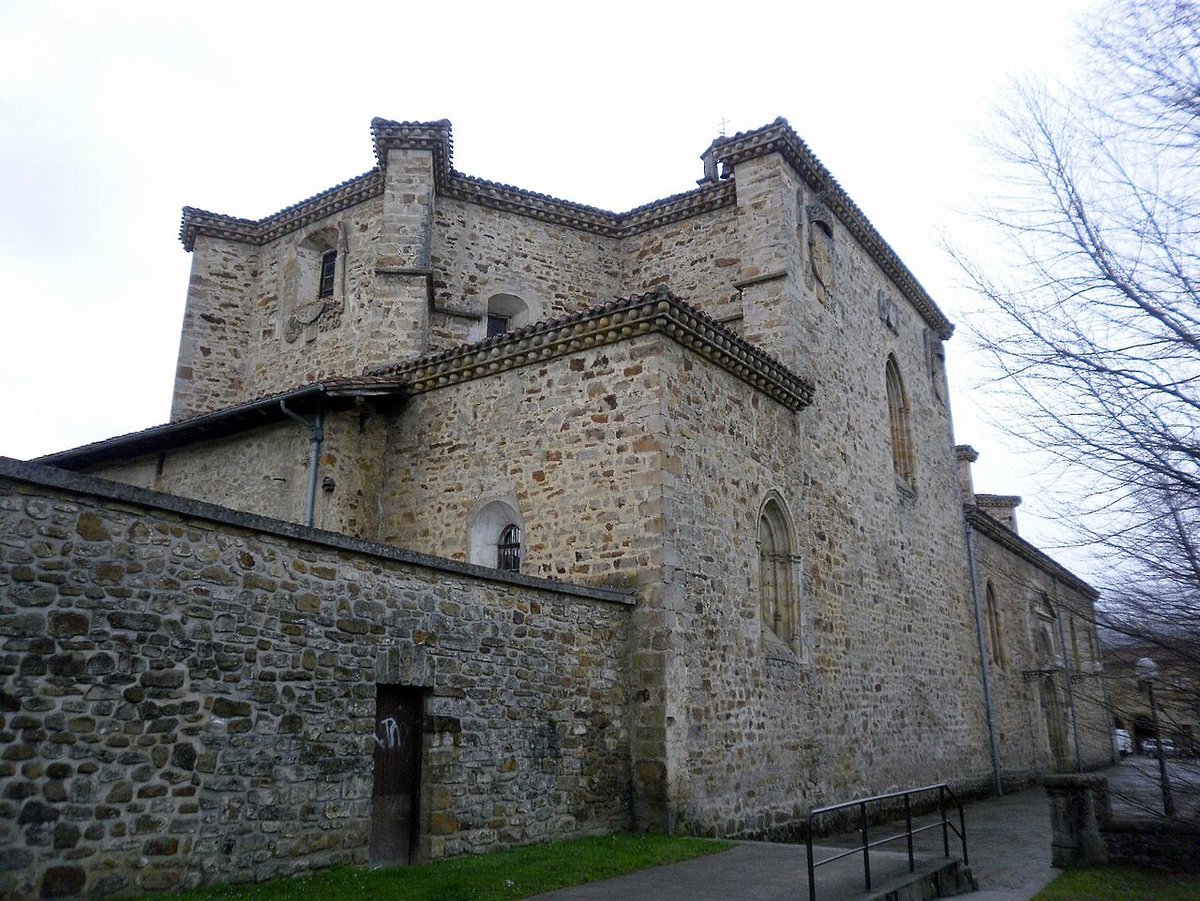
At the centre stands the church of San Miguel, as is common in many Navarrese villages. The building is simple and solid, with thick walls and straightforward proportions. It does not try to impress, yet it fits the scale and character of Ciriza perfectly.
Around it, there are houses with wooden balconies, inner courtyards and small animal enclosures. Kitchen gardens still appear close to the built-up area, alongside working agricultural storage spaces. That detail matters. Farming here is not decorative or nostalgic, it remains part of daily life.
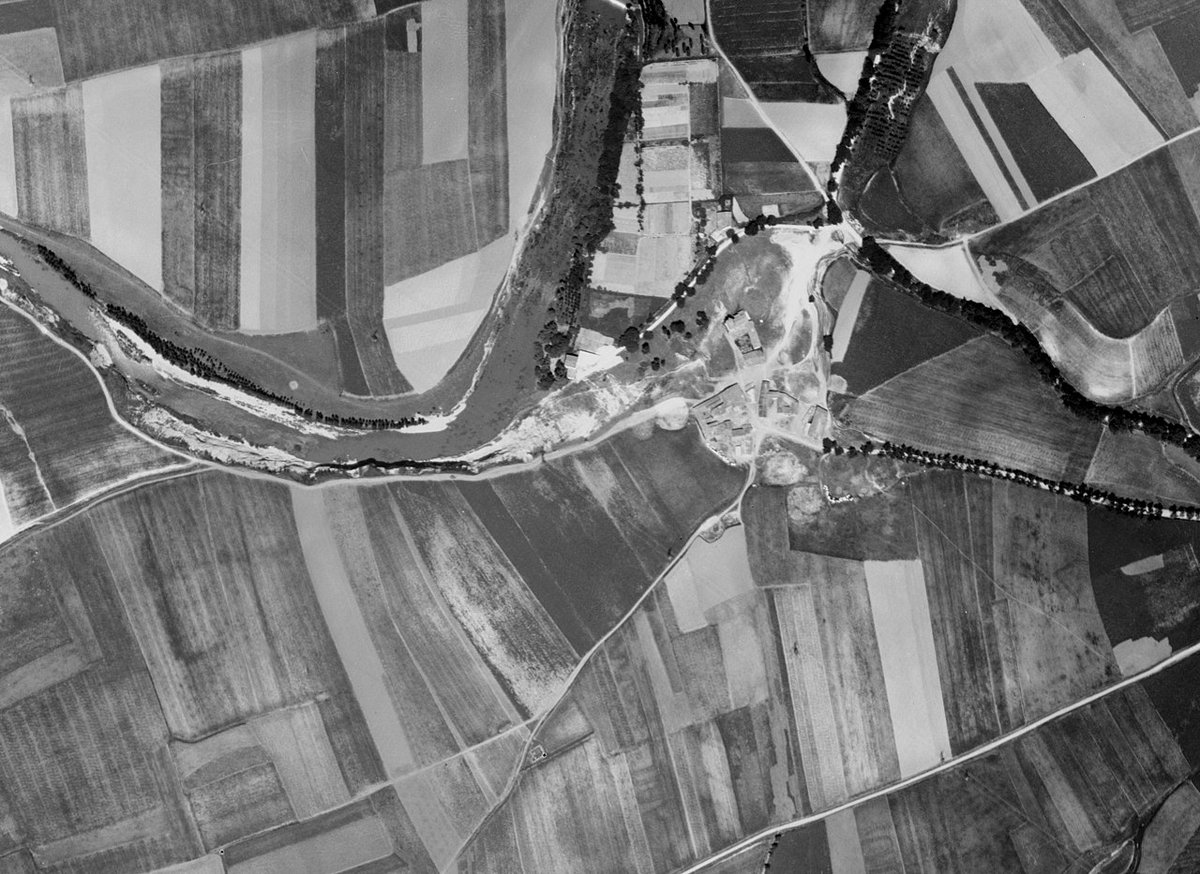
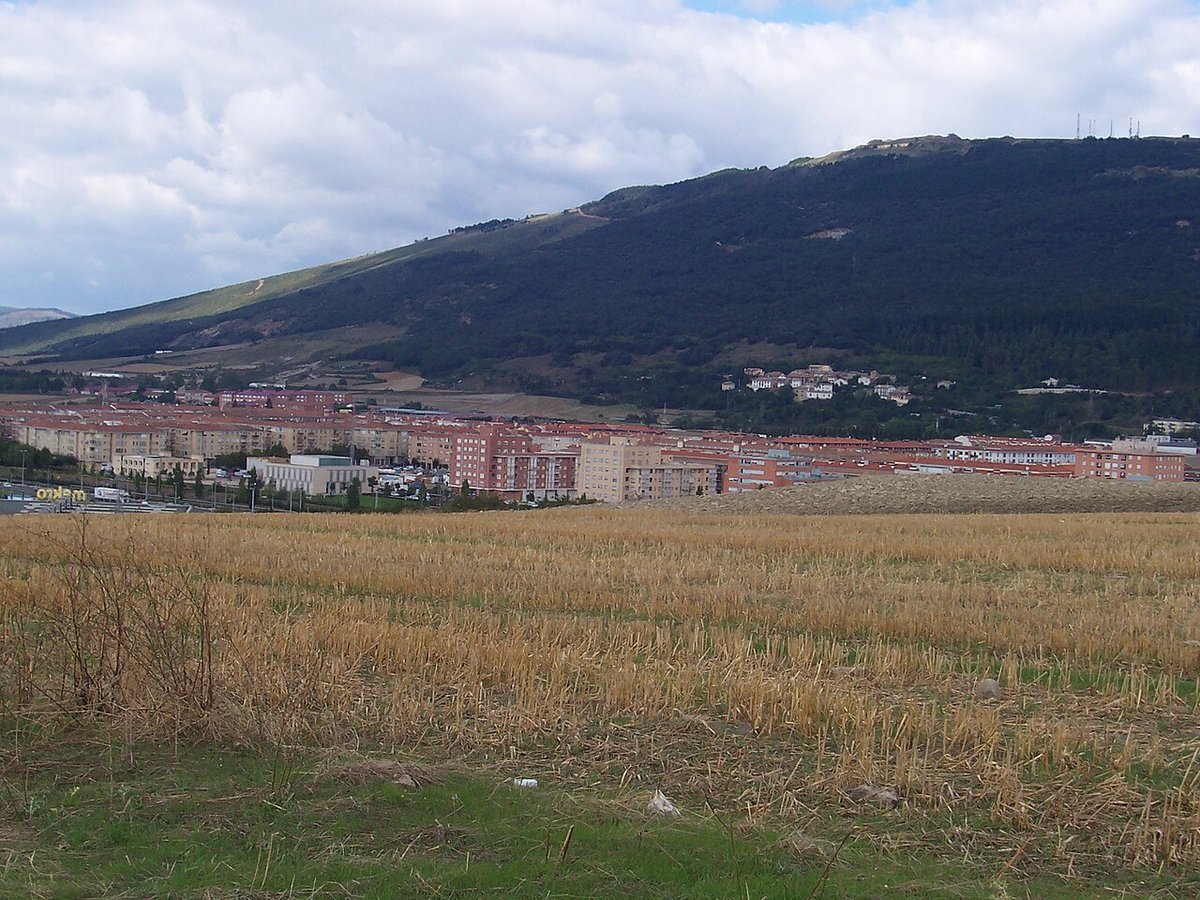
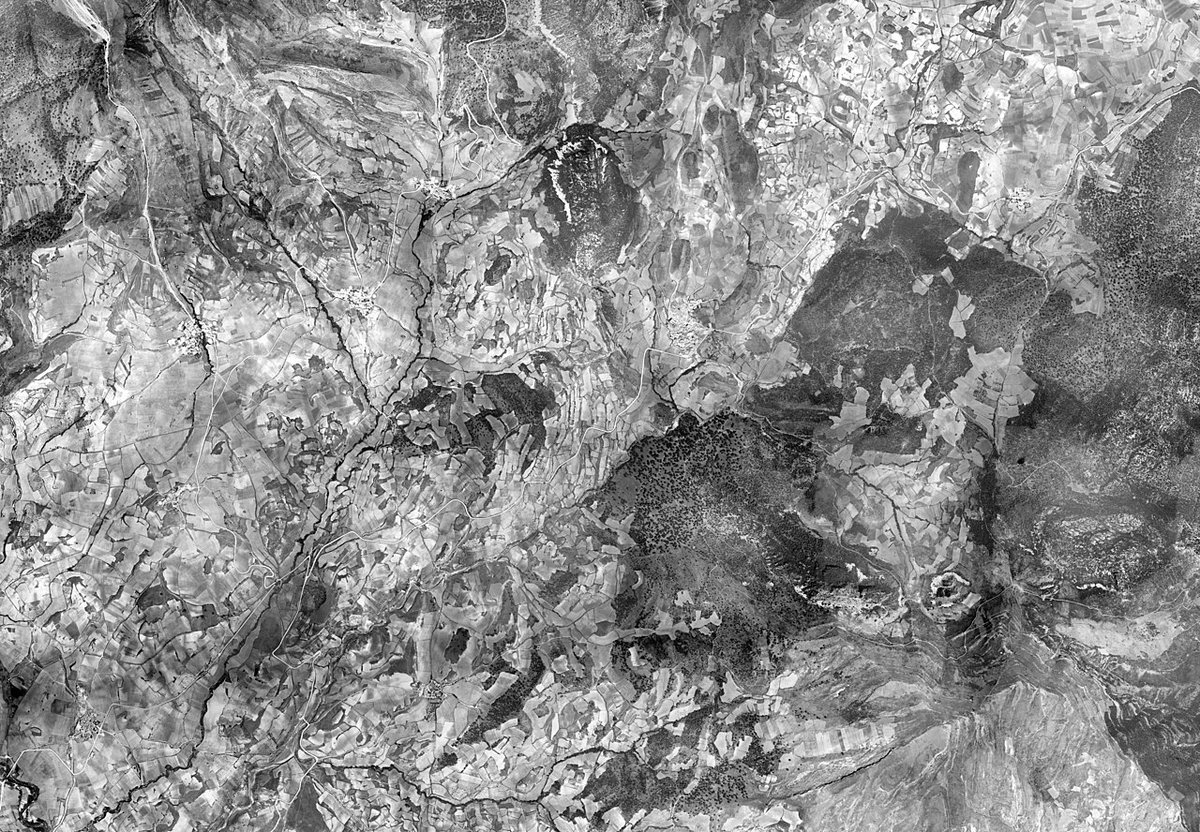
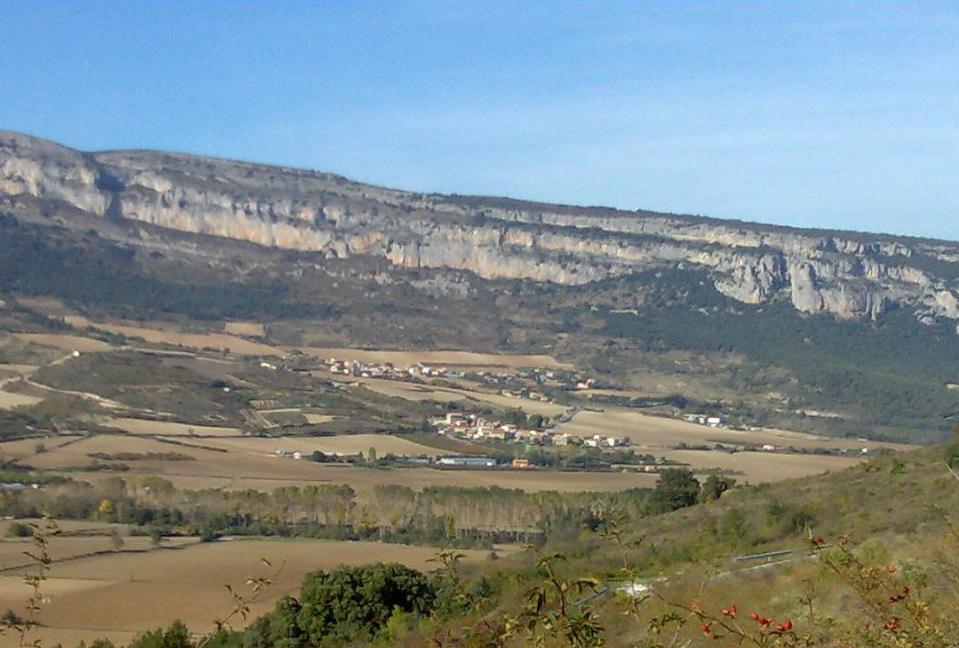
A short walk away from the centre leads straight into open countryside. Cereal fields dominate, broken up by patches of holm oak and oak trees. The landscape is wide and exposed. On clear days, the plain of the Cuenca de Pamplona is easy to make out, stretching beyond the village.
Walking the surrounding tracks
Ciriza is not about marked trails or well-known walking routes. What you find instead are agricultural tracks that leave the village in different directions. These are wide, compacted dirt paths used by tractors and by locals heading out to their land.
Taking one at random is part of the experience. Within less than an hour, it is possible to make a gentle loop around the village without much effort. The appeal lies less in reaching a specific point and more in the surroundings themselves.
The fields change colour with the seasons, from fresh greens to dry golds. Here and there, an isolated farm building breaks the horizon. Above all, there is a lot of sky, giving the walk a sense of openness that defines the area.
Spring and autumn tend to be the most comfortable times for this kind of walk. In summer, the heat can be intense around midday, so it is better to head out earlier in the morning.
Small scale, few services
It is worth being clear to avoid false expectations. Ciriza is very small. It is not a place to spend a full day moving between bars, shops or museums.
Most visits are short and often form part of a wider route through the surrounding area. For meals or shopping, people usually head to nearby towns in the region or go directly to Pamplona, which is a short drive away.
Ciriza works best as a quiet base or a pause in between other stops. Its appeal lies in its simplicity rather than in offering a long list of things to do.
When the village comes alive
Like many small villages in Navarra, the annual festivities bring a noticeable shift in energy. These are local celebrations, centred on the people who live here and those who return for a few days even if they no longer reside in the village.
The programme is modest. There are no large stages or packed schedules. Instead, the focus is on shared moments: music in the square, card games, communal meals and long conversations that stretch into the evening.
The atmosphere is what defines these days. The square fills up, familiar faces reappear and the village feels briefly more crowded before settling back into its usual calm.
When to go
Spring and autumn are generally the most pleasant seasons to visit. The fields are either green or golden depending on the moment, and the temperatures make walking comfortable without much planning.
Summer brings a strong light over the crops, which changes the look of the landscape. The heat, however, makes it more practical to move early in the day or later in the afternoon.
Winter strips things back. The landscape becomes more austere, with occasional morning fog, bare trees and an even deeper sense of quiet.
If you only have an hour
An hour is enough to see almost everything. A walk around the church of San Miguel, a stroll along the main street and within minutes you are already heading out towards the agricultural tracks.
For a place like this, that is usually sufficient. Ciriza does not try to impress or entertain in obvious ways. It is the kind of village you pass through, take in a bit of stillness, and then continue on towards the next stop.