Full Article
about Cizur
A district that groups several councils around Pamplona; Cizur Menor stands out as a historic stop on the Camino de Santiago.
Hide article Read full article
Following the Camino out of the city
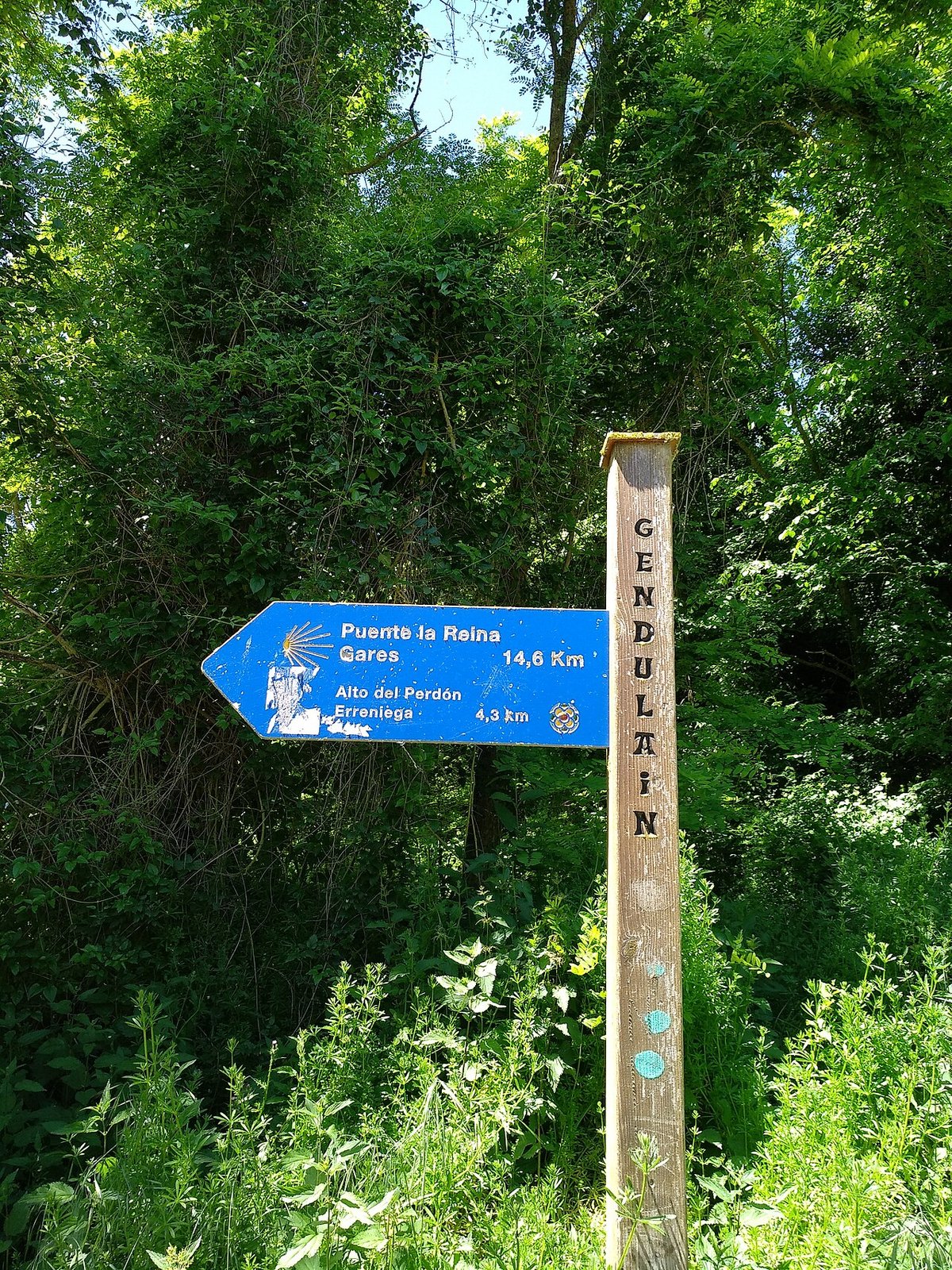
Tourism in Cizur tends to begin much as it did centuries ago, by following the Camino de Santiago as it leaves Pamplona and heads towards the Alto del Perdón. This historic pilgrimage route crosses Cizur Menor before the climb begins, and many pilgrims pass through without lingering. The rhythm of walking often carries them onwards.
Yet the historic centre offers a reason to pause. It is arranged around a small hill crowned by the church of San Miguel Arcángel, a building that has been linked to the care of travellers since the Middle Ages. Its presence explains why this was once a stopping point rather than simply a place to pass through. Even today, the setting suggests a place shaped by movement, but also by rest.
A cendea divided in recent times
For centuries, the name Cizur did not refer to a single town but to a cendea, one of the traditional rural administrative divisions in the Cuenca de Pamplona. These cendeas grouped together several scattered settlements, small agricultural villages that shared local governance and tax responsibilities within the Kingdom of Navarre.
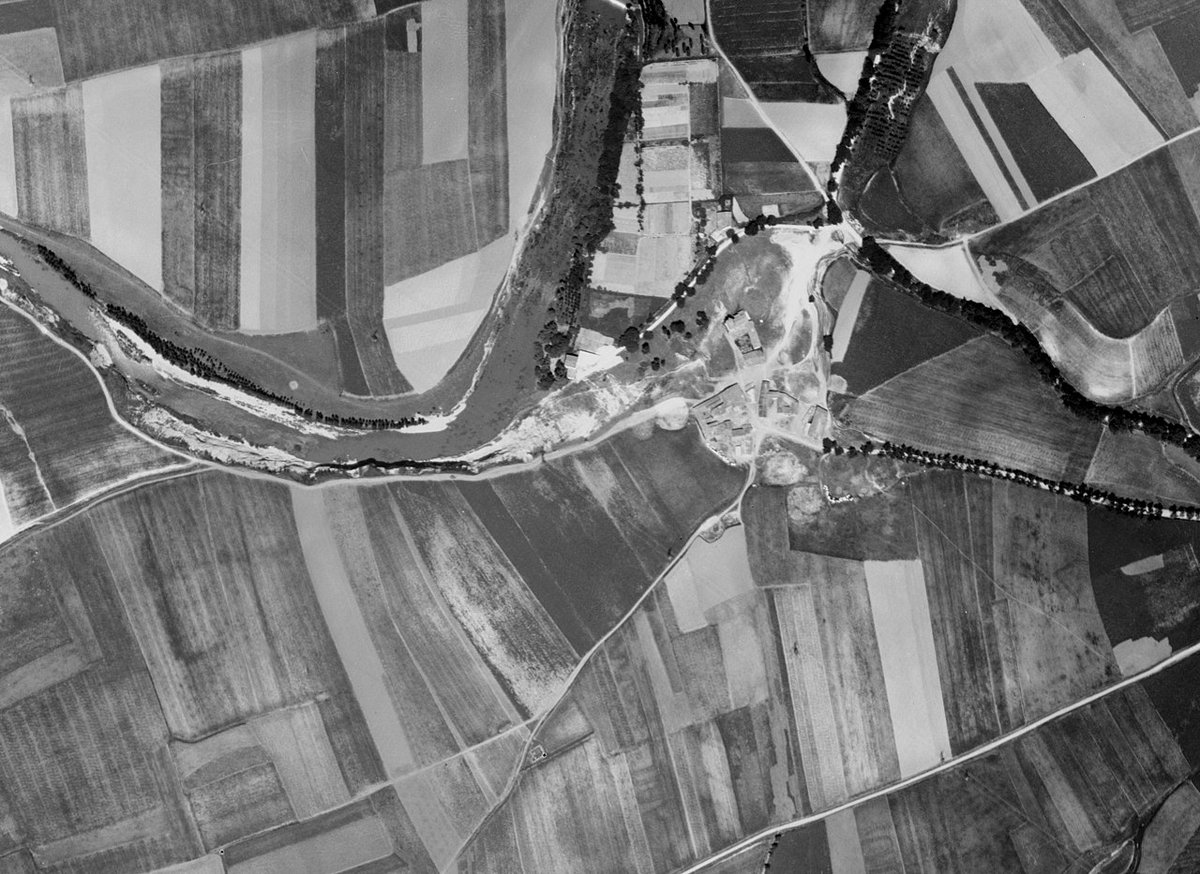
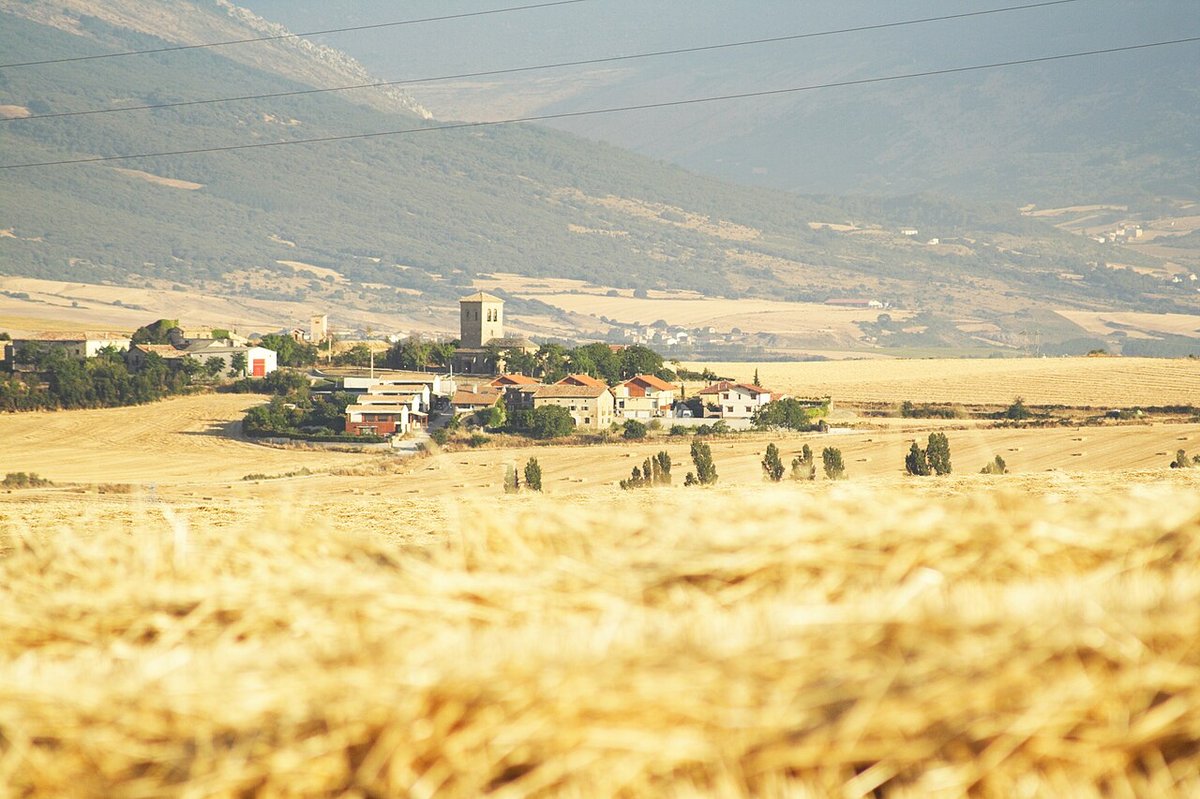
Medieval records already mention the Cendea de Cizur in the later Middle Ages. Like others in Navarre, each village maintained its own church and farmland, along with shared resources such as mills or communal infrastructure. The landscape visible today still reflects that organisation. Open cereal fields stretch between compact clusters of houses, a pattern shaped over centuries.
This structure changed towards the end of the twentieth century. Part of the old cendea was reorganised, eventually forming the present-day municipalities of Cizur and Zizur Mayor. Although they now operate independently, their shared origin is still easy to recognise when moving between the villages.
San Miguel in Cizur Menor and the Camino tradition
The church of San Miguel in Cizur Menor has long been tied to the Camino de Santiago. The complex once belonged to the Order of Saint John of Jerusalem, which ran a hospital for pilgrims here. The current building preserves Romanesque elements, particularly in the apse and part of the doorway, generally dated to the late twelfth and thirteenth centuries. The interior was altered in later periods.
The doorway features restrained vegetal decoration, typical of Navarrese Romanesque style. Inside, an old image of the archangel remains, and the space retains the austere character associated with hospital churches along the Camino.
Around the church, traces of the former monastic complex can still be identified. The presence of the Order of Malta today continues this historical connection with pilgrims, who still find one of their first places of welcome here after leaving Pamplona. The continuity is subtle but clear, linking medieval hospitality with present-day travel.
Zizur Mayor and the scale of San Andrés
A short distance away, Zizur Mayor holds another notable building, the church of San Andrés. Its size is striking when set against the village’s rural origins. Built in the late Middle Ages, it follows a model of a large, multi-naved church, something not often found in small settlements.
Part of this scale can be explained by the location. This area forms a natural corridor within the Cuenca de Pamplona, connecting the capital with the central and southern parts of Navarre. For centuries, it was a well-used route for traders and travellers. The church did more than serve religious functions. At certain times, it also acted as a place of refuge and storage, a role not unusual for medieval churches positioned along important routes.
Inside, later additions have reshaped the space, including a Baroque altarpiece that now occupies the presbytery. The mix of periods reflects a building that has adapted over time while retaining its original presence.
Fields at the edge of the city
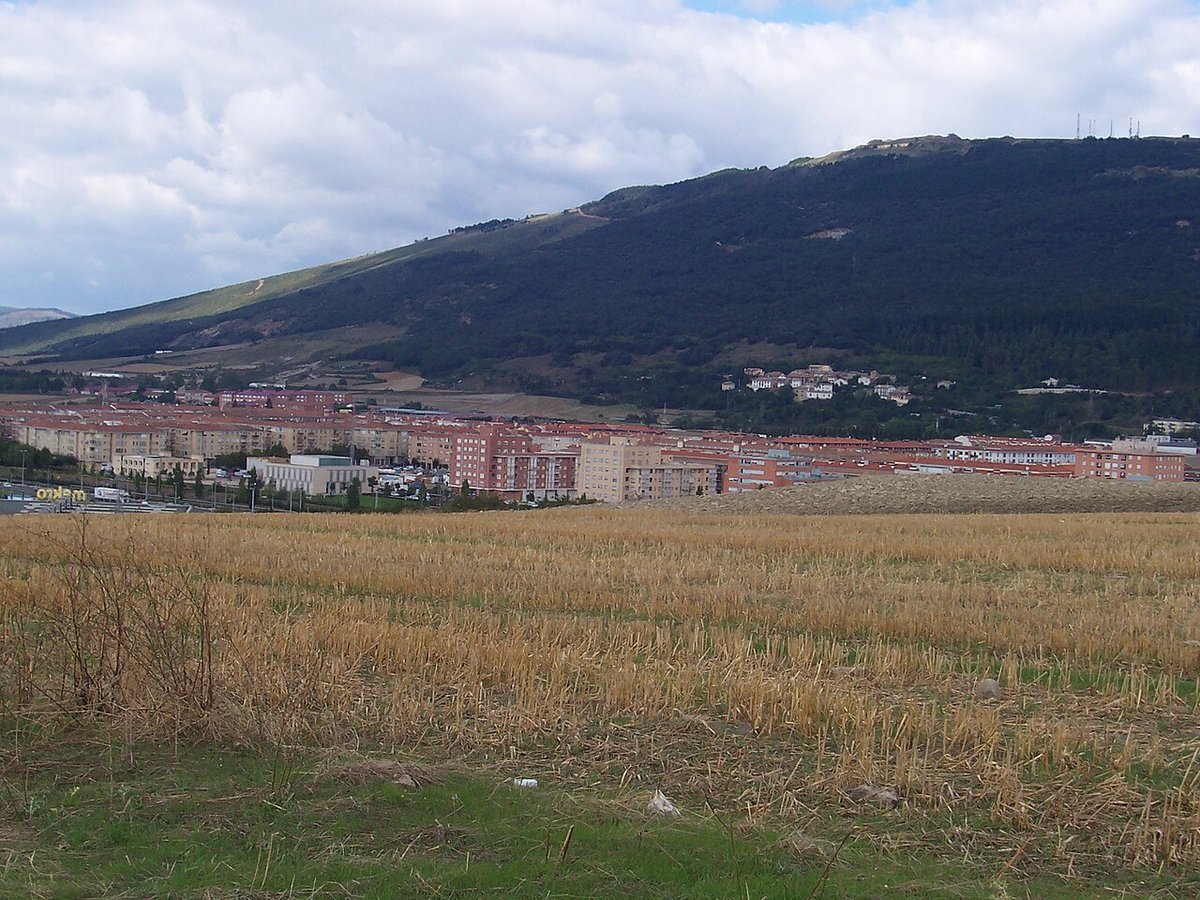
Despite its proximity to Pamplona, much of the area still presents a distinctly agricultural landscape. Open cereal fields dominate, alongside irrigated plots and a network of small paths linking the villages of the former cendea.
For decades, residents of Pamplona have come to these villages to eat or spend the day. This habit owes as much to the short distance as to the area’s farming traditions. The contrast is immediate. Within a few minutes, the urban districts of the capital give way to a landscape where rural patterns still shape daily life.
The fields and paths do not feel preserved for visitors, but rather part of a working environment that continues alongside the nearby city. That balance between proximity and difference defines much of Cizur’s character.
Moving through Cizur today
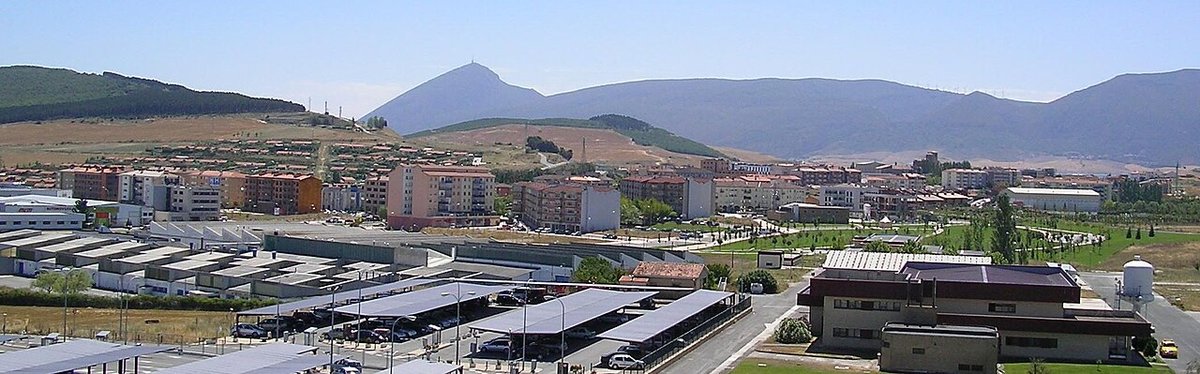
Cizur lies just a few kilometres from Pamplona and can be reached quickly by road. Walking remains the most direct way to experience Cizur Menor, following the Camino de Santiago itself. At the same time, the agricultural paths connecting the nearby villages offer quieter routes across the flat terrain of the Cuenca.
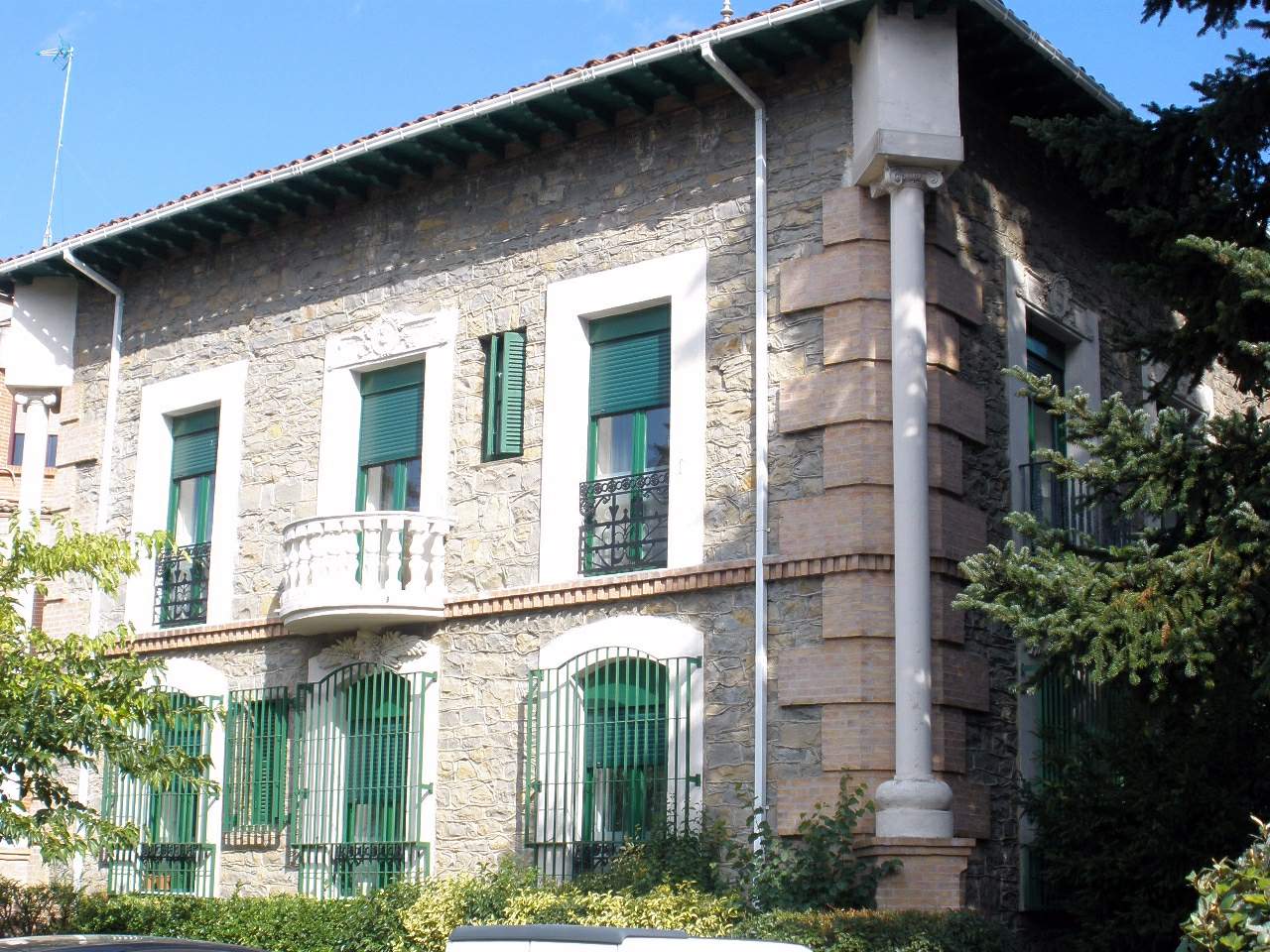
A visit to the main centres, Cizur Menor and Zizur Mayor, can be taken at an unhurried pace over the course of a morning. The churches are natural points of interest, but attention often shifts to the houses as well. Many retain traditional features such as coats of arms, large gateways and interior courtyards, signs of a once prosperous agricultural life.
There is no particularly visible tourist structure. Daily life continues to revolve around Pamplona and work in the surrounding region. That absence shapes the experience. Anyone arriving on foot from the city notices the transition clearly. Here, the scale changes. The landscape opens out, and the rhythm slows into something older and more closely tied to the land.