Full Article
about Echarri
Tiny municipality in the Etxauri valley; also called Etxarri de Etxauri
Hide article Read full article
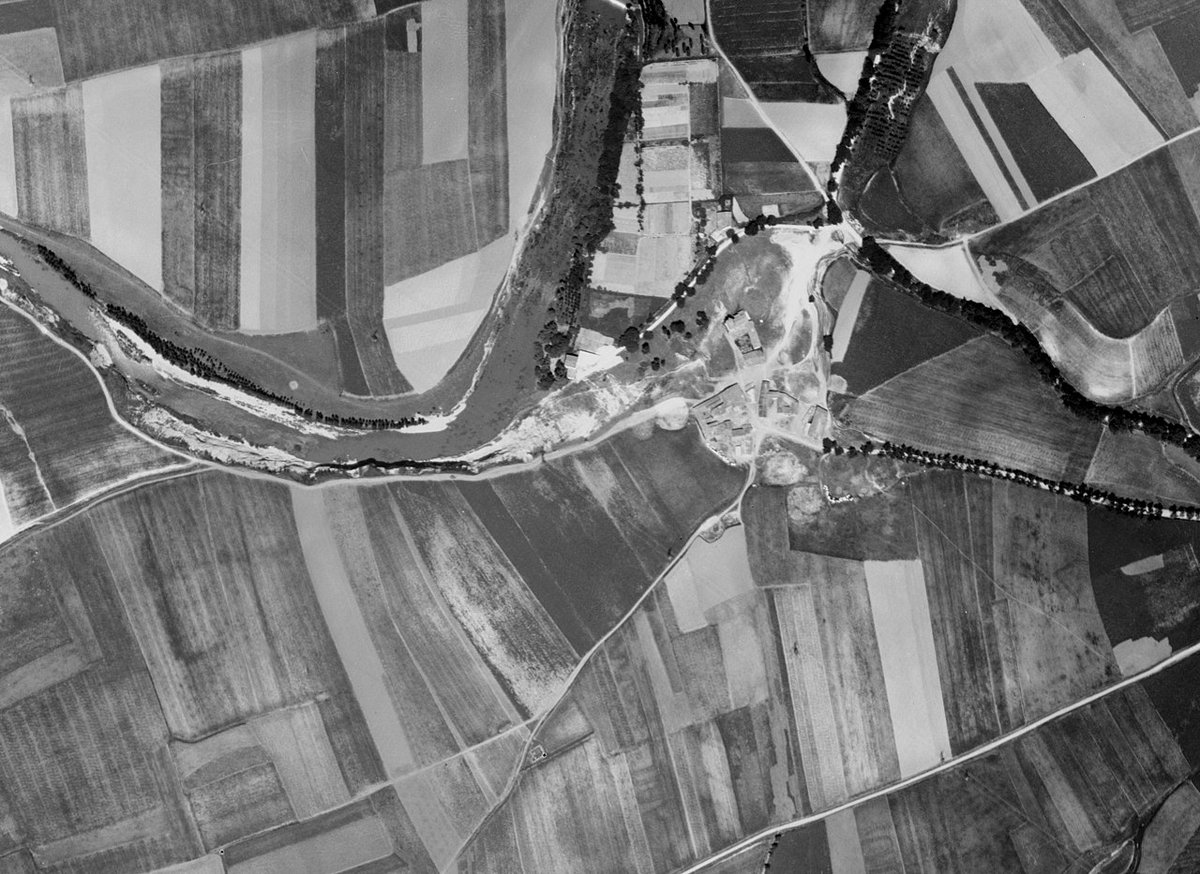
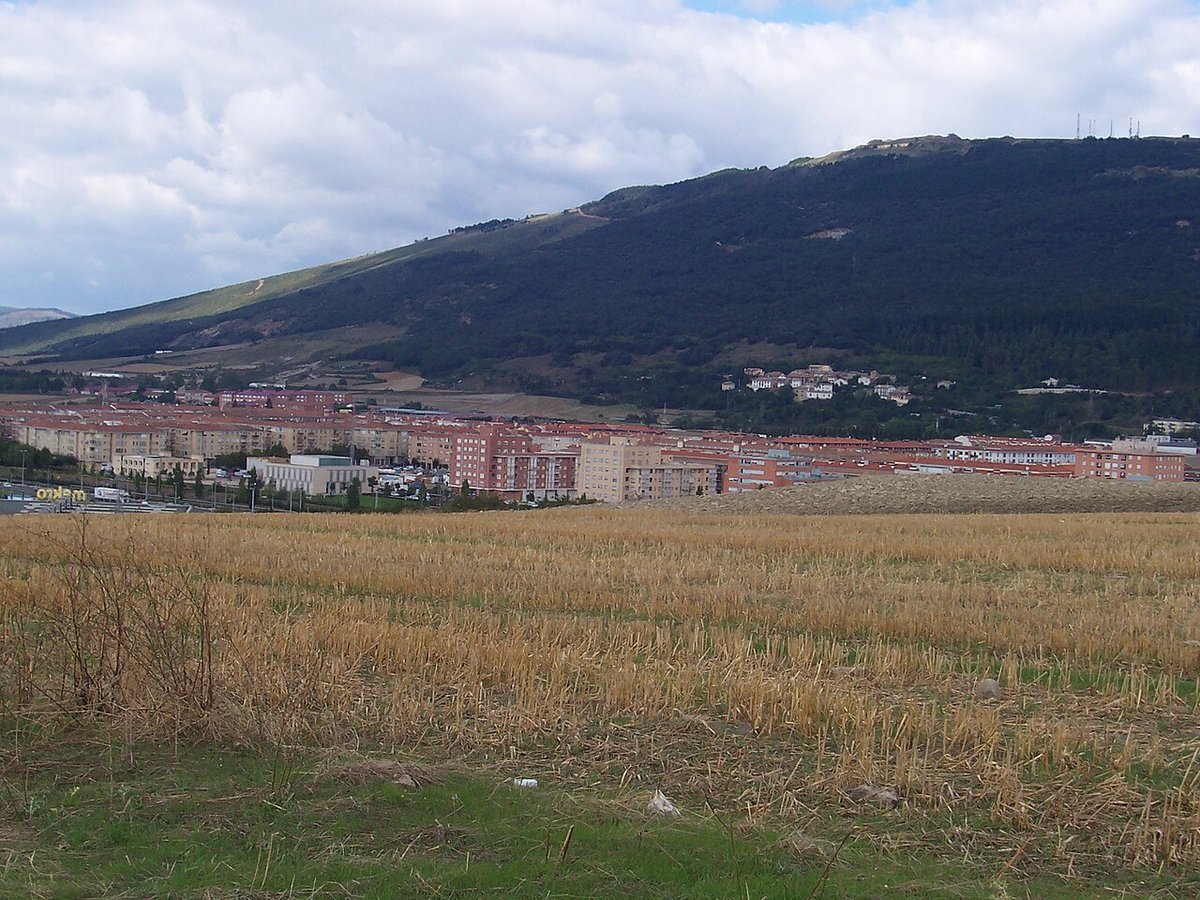
By mid-morning, once the sun has climbed above the low rooftops, Echarri falls almost completely quiet. A half-open shutter, a dog barking somewhere in the distance, the dull thud of a garage door. This small settlement in the Cuenca de Pamplona, with barely 85 residents, makes its scale clear straight away: a handful of houses, open fields around them, and the steady sound of wind moving through the trees along the paths.
There are no standout landmarks or buildings that draw all attention. Echarri makes more sense at a slow pace, noticing how light shifts across stone façades or how the smell of freshly cut grass drifts in when the air comes down from the fields.
A Small Settlement Among Open Fields
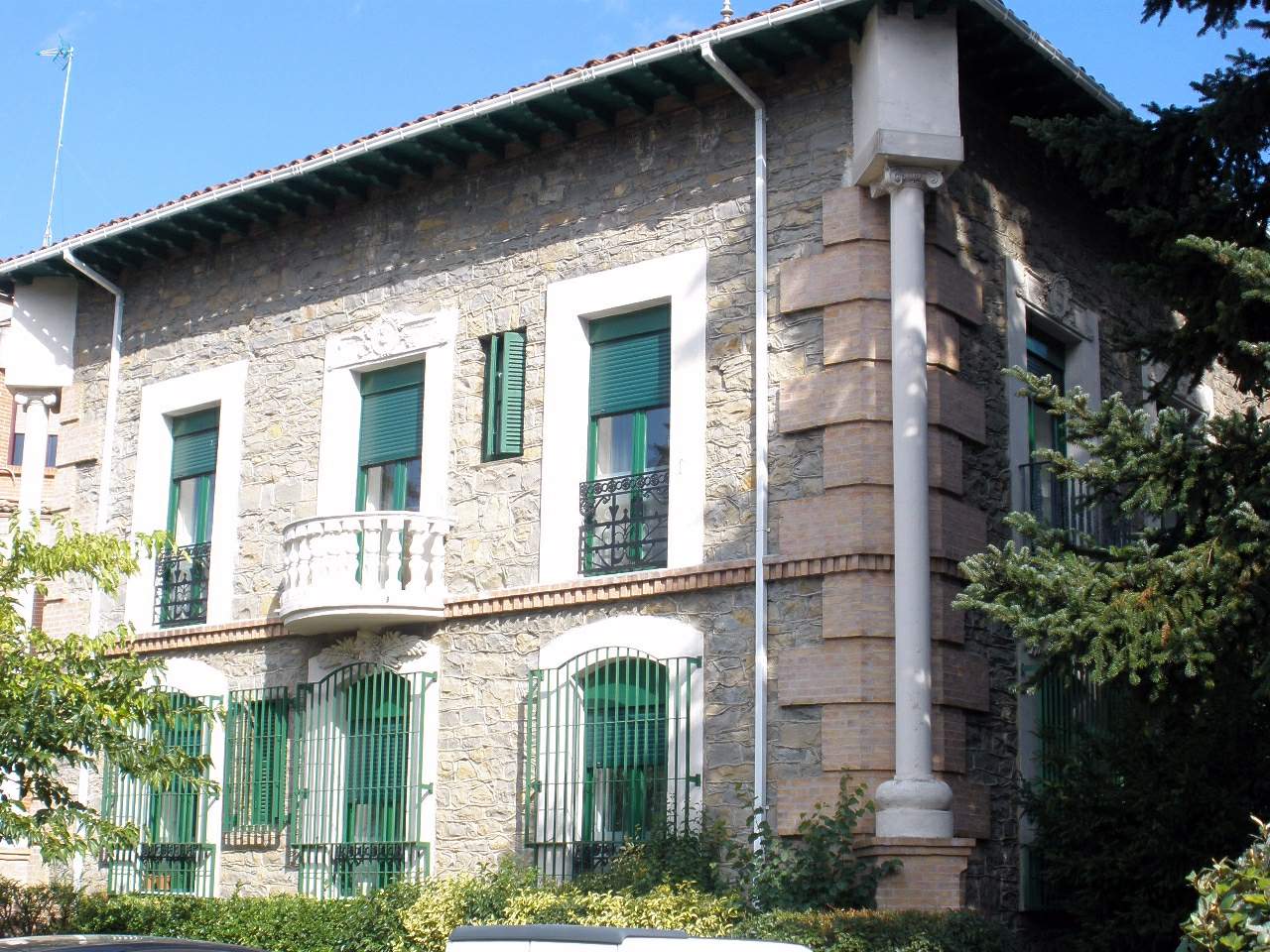
The village sits in gently rolling terrain, surrounded by cultivated plots that stretch out in every direction. Most of the houses are built from stone and brick, topped with reddish roof tiles. Many still have enclosed courtyards or small pens where tools are kept or firewood is stacked neatly against a wall.
The parish church dedicated to San Juan is the most recognisable building in Echarri. It is not large. Its façade is simple, and a small bell gable stands out against the sky as evening approaches. The door is not always open, which is common in villages of this size, but from outside you can make out wooden beams inside and the worn steps at the entrance.
On clear days, the silence is broken only by very specific sounds: a tractor passing along a nearby road, the hum of insects in summer, or blackbirds singing towards the end of the day.
Short Streets and Old Doorways
Walking through the village does not take long. In about half an hour, it is possible to cross from one end to the other without rushing. The streets are short, some with a slight incline, and there are still doorways made of darkened wood and irregular stone walls that show marks of daily use over time.
The layout is straightforward: a main street with a few small turnings that lead to courtyards, storage spaces or paths out towards the fields. That simplicity reflects how the place has functioned for generations. Life here has been closely tied to the land surrounding the village.
Arriving by car is possible, but it is usually easier to leave it at the edge of the settlement and continue on foot. The streets are narrow, and manoeuvring within them can be awkward.
Rural Paths Towards Etxauri and Nearby Villages
Once past the last houses, agricultural tracks begin. These are dirt or gravel paths used by tractors and local residents to move between plots of land, and they also link Echarri with nearby places such as Etxauri and La Cuesta.
There is no formal tourist signage. Even so, finding your way is not difficult because the landscape is open and the village remains visible for much of the walk.
The surroundings change noticeably with the seasons. In spring, green tones dominate and the air often carries the scent of damp earth. In summer, the heat at midday lifts fine dust from the paths underfoot. Autumn brings yellows and ochres, and towards evening the light sits low across the fields.
A circular walk around the area can take between 40 minutes and an hour at an unhurried pace. Along the way, small details often invite a pause: an old wall partly covered in ivy, a large elm tree beside a well, or a flock moving slowly across a nearby field.
Eating and Pausing in the Area
Within Echarri itself, services are very limited. It is more common to head to nearby villages in the Cuenca de Pamplona for a meal or a longer stop.
In this part of Navarra, food is typically simple and based on local produce: seasonal vegetables, sheep’s cheese and local wine. It is worth checking opening times in advance, especially outside weekends or during quieter months.
When to Visit and What to Keep in Mind
Echarri can be explored quickly. A morning or an afternoon is enough to walk through the village and take a route along the surrounding paths.
There are two moments in the day when the atmosphere shifts noticeably. Early morning feels almost still; by contrast, at sunset the low light brings out the textures of stone, and the fields fill with the sounds of birds.
If it has rained recently, some of the agricultural paths can become muddy, so footwear with good grip is advisable. Although Pamplona is close by, it is sensible to bring water or something to eat if planning to spend time walking in the area.
Echarri is not a place for a full day of activity or constant movement. It works better as a quiet pause within a wider route around the Cuenca de Pamplona: a small place where the focus naturally shifts to details rather than landmarks.