Sarriguren (Egüés) - Ayuntamiento 1.JPG
Navarra · Kingdom of Diversity

Egüés

Ten minutes after the airport shuttle drops you in Pamplona’s bus station, the city noise is already behind you. The taxi swings south, climbs gent...

22,121 inhabitants
480m Altitude

Why Visit

eco-efficient urban planning meets rural hamlets City of Innovation

Best Time to Visit

junio

Bike rides Fiestas de Sarriguren (junio)

Things to See & Do
in Egüés

Heritage

  • eco-efficient urban planning meets rural hamlets

Activities

  • City of Innovation
  • Church of San Martín (Egüés)

Festivals
& & Traditions

Fecha Fiestas de Sarriguren (junio)

Paseos en bici, Vida familiar

Las fiestas locales son el momento perfecto para vivir la autenticidad de Egüés.

Full Article
about Egüés

Valley that includes Sarriguren; one of the youngest and most populated municipalities.

Ocultar artículo Leer artículo completo

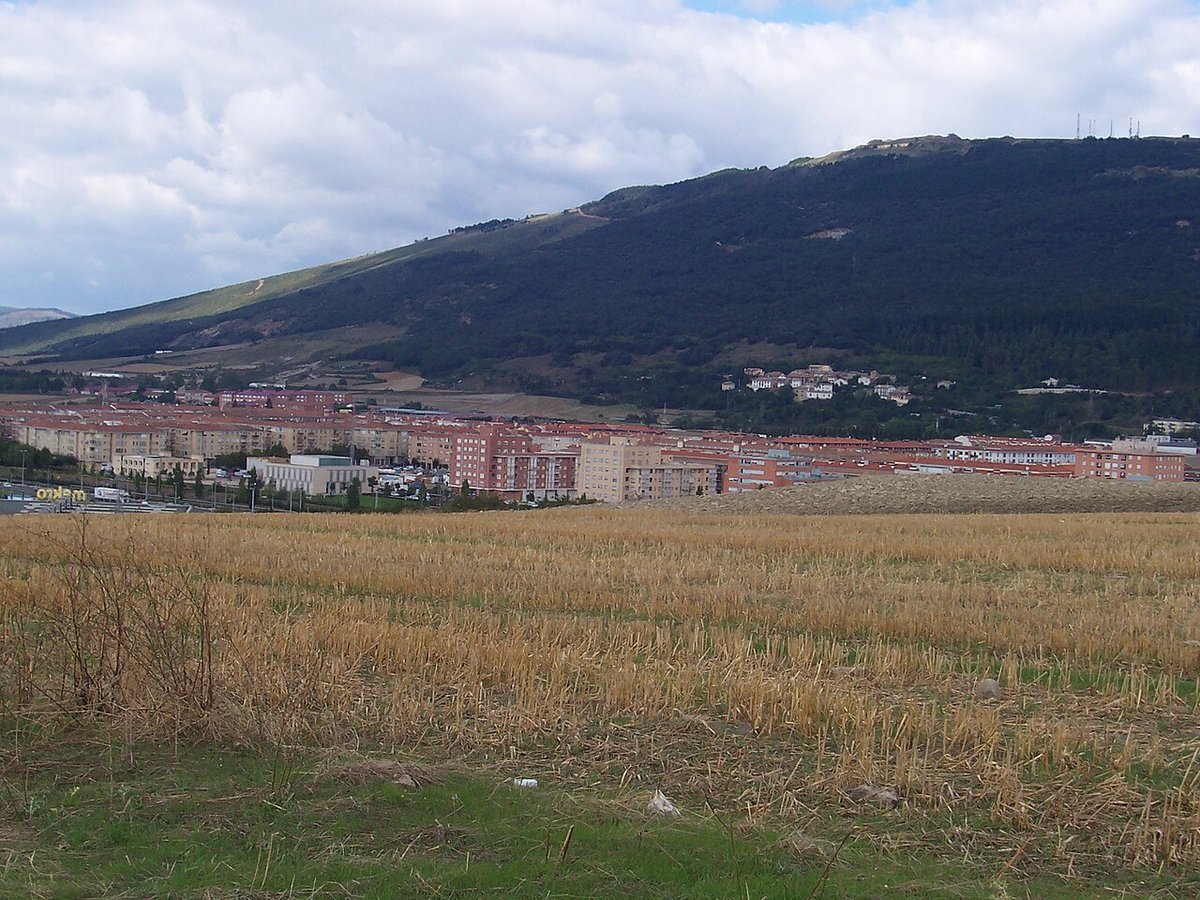
Ten minutes after the airport shuttle drops you in Pamplona’s bus station, the city noise is already behind you. The taxi swings south, climbs gently to 480 m, and the apartment blocks shrink into wheat-coloured fields. You’re still inside the same municipal region, yet Egüés feels like the place locals flee to once the working day ends.

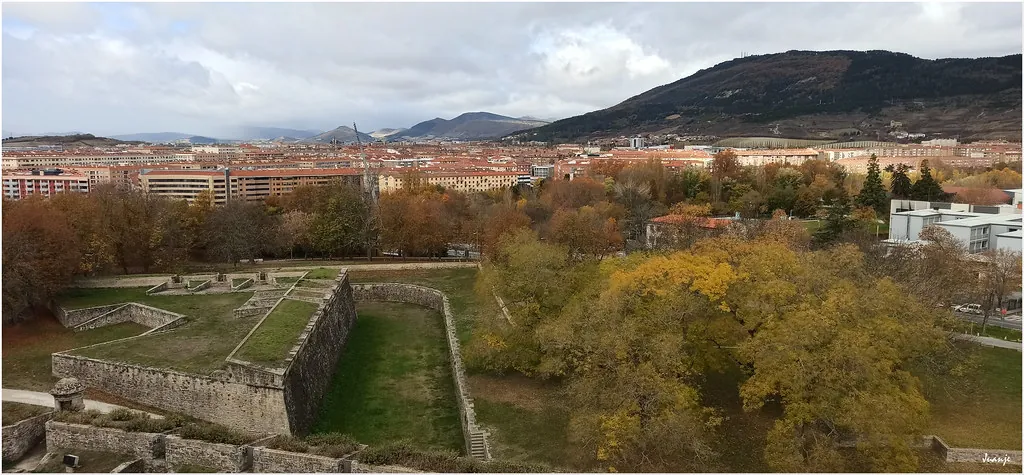
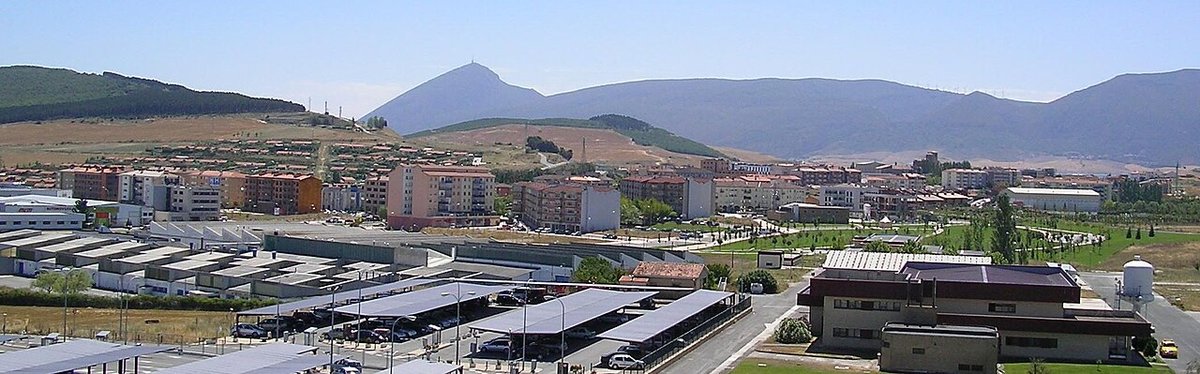
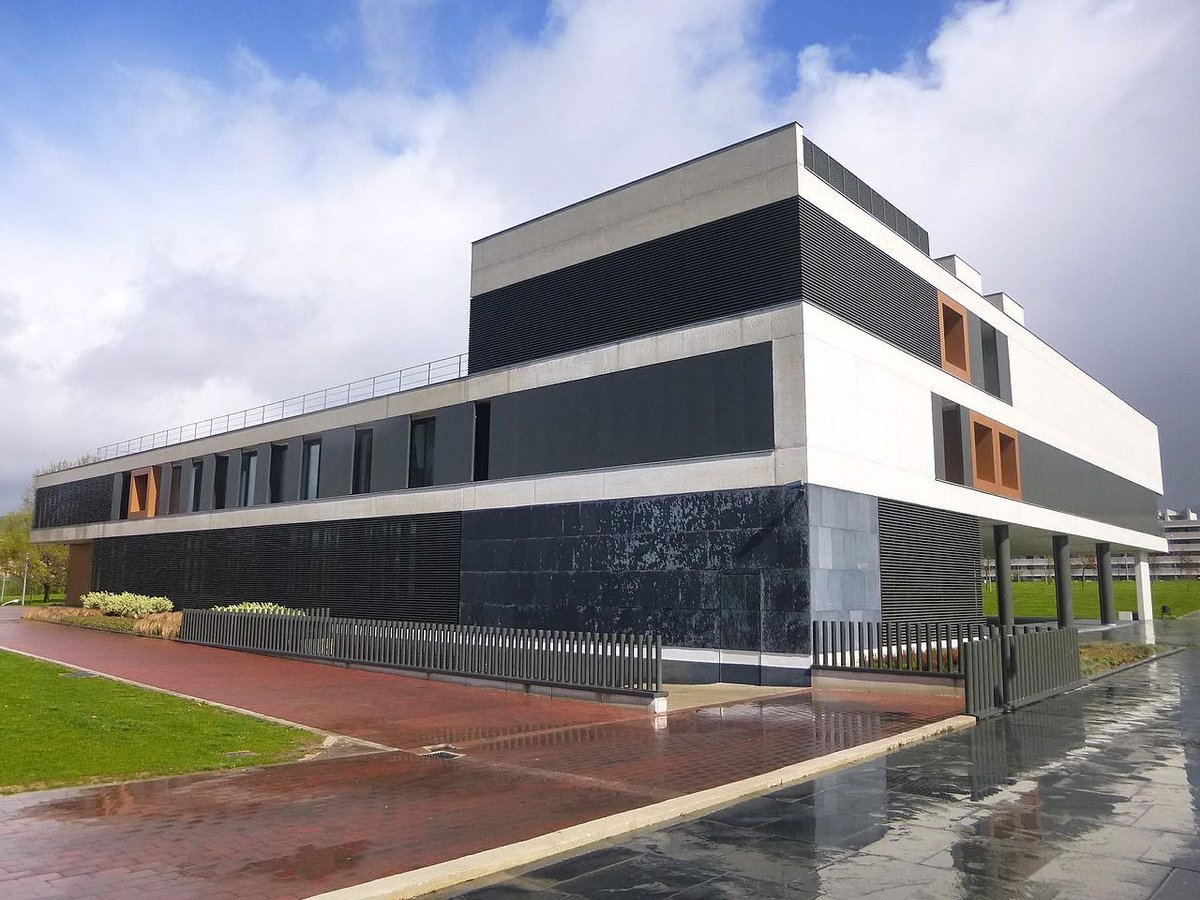
The first thing you notice is the scatter: six or seven stone hamlets, each no bigger than a British housing estate, stitched together by country lanes and a brisk ring road. There is no single “village centre”. Instead, the council has glued the bits together with green corridors—oak saplings, cycle tracks, dog-walking circuits—so a five-minute stroll can take you from a 16th-century church to a glass-fronted business park where half of Navarra’s tech start-ups rent desk space.

Morning in the valley

Start early, before the sun hops the ridge. In Egüés proper, the church of San Miguel Arcángel unlocks at eight. Its bell tower was rebuilt after a 19th-century lightning strike; the brick still smells faintly of last night’s rain. Outside, swallows use the telephone wire as a scoreboard, chirping in rounds. There is no ticket office, no audio guide—just a small iron box for coins and a notice that asks you to switch your phone to silent. Inside, the retablo glows with gilt paint that looks almost wet. Ten minutes is enough, but most visitors linger longer because the silence feels borrowed.

From the church door, a farm track leads uphill between vegetable plots. This is part of the Camino de Santiago that skirts the borough on its way to Alto del Perdón. You can follow it for twenty minutes to a concrete picnic table that delivers a widescreen view of Pamplona’s western suburbs. At dawn the city is a grey smudge; by nine the glass roof of the hospital flashes like a heliograph. Down in the valley, tractors kick up pale dust that hangs long enough to photograph, then vanishes.

Lunch decisions

By eleven you’re back at the road, stomach reminding you that Spanish clocks run late. The only place serving coffee at this hour is Txoko de Egüés, a low white house with green shutters and a Labrador that sleeps across the doorway. Order a café con leche and the waiter brings a saucer of artichoke crisps—thin as 50-pence coins, fried in olive oil and topped with translucent ham. It’s the sort of starter that makes you cancel whatever you planned for lunch.

If you persist, the menú del día appears at 13:30: three courses, bread, wine, water and coffee for €14. The wine is a Navarra rosado, strawberry on the nose, dry enough to flatter British palates raised on Provence pink. Vegetarians get menestra, a spring-vegetable stew that tastes like someone tipped a garden into a pot and added saffron. Meat-eaters usually receive grilled pork shoulder, smoky at the edges, pink in the centre. Pudding is often cuajada, a sheep’s-milk junket drizzled with honey—think set yoghurt with more character.

Sunday lunch is the communal event. Tables are booked by family name, toddlers weave between chairs, and the television in the corner shows cycling with the sound mercifully off. Try turning up after 15:00 and the kitchen is closed; you’ll be redirected to the petrol station on the N-121 for pre-packed bocadillos—edible but penance nonetheless.

Afternoon loops

With the sun high, the siesta logic is irresistible, yet Egüés rewards movement. Borrow one of the municipal bikes parked outside the civic centre—free for two hours, €5 thereafter—and follow the greenway that links Sarriguren to Olaz. The path is flat, paved, and signed in Spanish and English. You pass a skate park, then a patch of wild fennel that smells of aniseed whenever the tyres brush it. Olive groves give way to modern townhouses whose balconies fly both the red-and-gold Navarrese flag and the blue-yellow EU one, a quiet political statement in a region that argues loudly about identity.

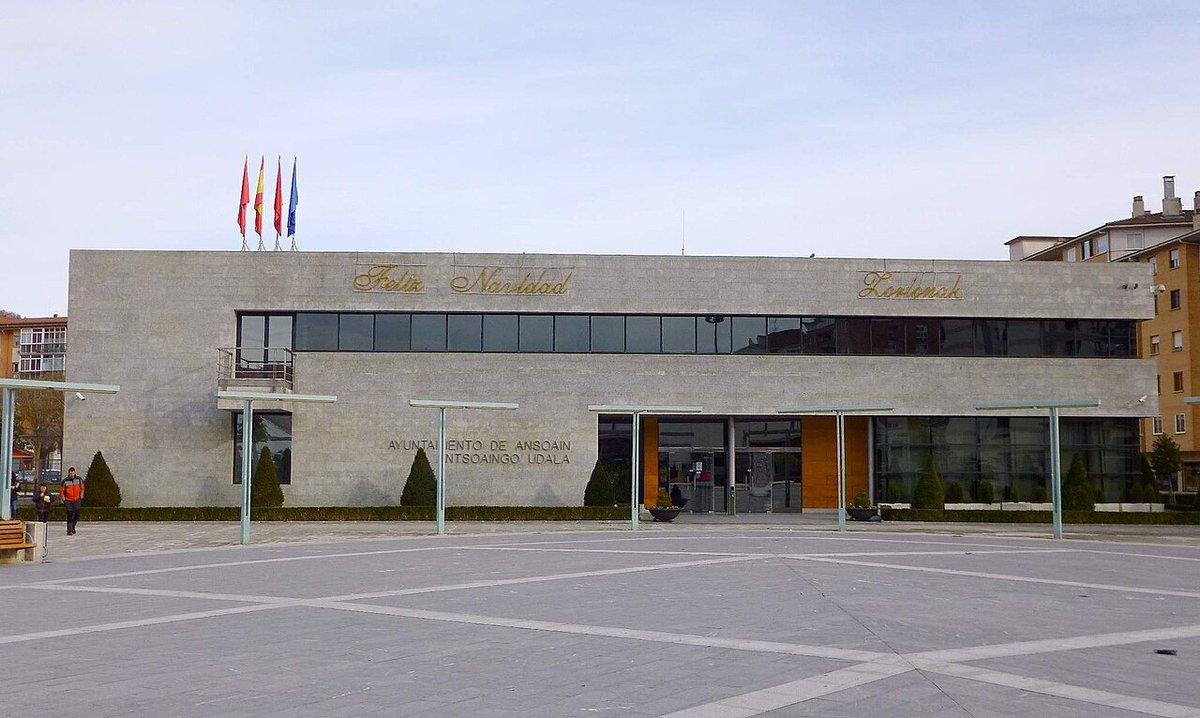
Sarriguren itself is less a village than a planned extension of Pamplona. Glass-walled offices reflect the mountains; a David Chipperfield-designed civic square hosts weekend craft stalls. It’s useful rather than pretty—cashpoint, pharmacy, baker who will laminate a croissant with chocolate if you ask politely. British golfers treat the place as a dormitory for Castillo de Gorraiz, a nine-hole course five minutes away. Transfer firms run direct shuttles from Bilbao airport so you can be on the first tee within ninety minutes of passport control, no hire car required.

Evening ridge

Head back towards the old core as the heat softens. A signposted footpath leaves from behind the cemetery and climbs 200 m through holm oak to the Ermita de Santa María. The chapel is locked—it usually is—but the terrace in front gives a west-facing panorama. Sunsets here arrive in layers: first the sky bleaches to zinc, then the mountains bruise violet, finally the city lights flick on like someone struck a match inside a paper lantern. Phone signal is patchy; download an offline map before you set off or you’ll be navigating by guesswork.

Descend in twilight and you’ll hear dogs barking, the clack of a domino game on a bar table, children negotiating extra playtime in the plaza. Evening fiestas erupt without warning: one weekend it’s a motocross demonstration, the next a mushroom fair where locals display ceps the size of dinner plates. Respect the rules—wild-mushroom picking is licenced and fines start at €300 for carrying an unregistered basket.

The practical bits

Egüés has no railway station. From Pamplona bus station, TCCN line 7 runs hourly (€1.65, 20 min) but finishes at 21:30. A taxi is €10–12 and drivers prefer cash; the only ATM in the borough is inside a private office that closes at 14:00. If you fly into Bilbao, the A1 coach to Pamplona takes 1 h 45 and connects with every major UK arrival. Biarritz is an alternative in summer: train to Bayonne, then ALSA coach over the Pyrenees—scenic, but add three hours if border police board to inspect hand luggage.

Accommodation is thin. There is one three-star hotel in Sarriguren, two rural casas rurales, and a handful of Airbnb flats aimed at weekday commuters. Weekends empty out, so prices drop. August is the opposite: Pamplona’s San Fermín spill-over triples rates and you’ll share breakfast with hung-over Australians who mistook Egüés for the city centre and are discovering their error.

What Egüés is not

It is not a hilltop time capsule. You will not find artisan gift shops on every corner, nor alleys festooned with geraniums. The council keeps the place functional: litter bins, fibre-optic cabinets, solar panels angled like nodding donkeys. Some visitors are disappointed by the sprawl; others appreciate the honesty of a community that refuses to become a theme park. Come for a quiet night, a leg-stretch, a glass of rosado at sunset. Use it as a base for Pamplona’s museums or the nearby Urbasa beech woods. Just don’t expect Egüés to shout for your attention—it saves its voice for the people who live here, and that is precisely its appeal.

Key Facts

Region
Navarra
District
Cuenca de Pamplona
INE Code
31086
Coast
No
Mountain
No
Season
junio

Livability & Services

Key data for living or remote work

2024
ConnectivityFiber + 5G
TransportTrain nearby
HealthcareHospital
EducationHigh school & elementary
Housing~5€/m² rent · Affordable
CoastBeach nearby
Sources: INE, CNMC, Ministry of Health, AEMET

Official Data

Institutional records and open data (when available).

  • Señorío de Echalaz
    bic Monumento ~2.9 km
  • Conjunto de Irulegi
    bic Zona Arqueológica ~5.1 km

Planning Your Visit?

Discover more villages in the Cuenca de Pamplona.

View full region →

More villages in Cuenca de Pamplona

Traveler Reviews