Full Article
about Etxauri
Climbing paradise in Navarre; village beneath towering rock walls, famous for its cherries.
Hide article Read full article
A slow start in the Cuenca de Pamplona
Early in the morning, when sunlight begins to touch the white walls of the houses, Etxauri is still quiet. A car might pass along the road, and if the wind comes from the west, the sound of the river Arga drifts up from the valley below. This small village in the Cuenca de Pamplona lies about 15 kilometres from the city, close enough for an easy trip yet far enough for the pace to shift as soon as you arrive and park.
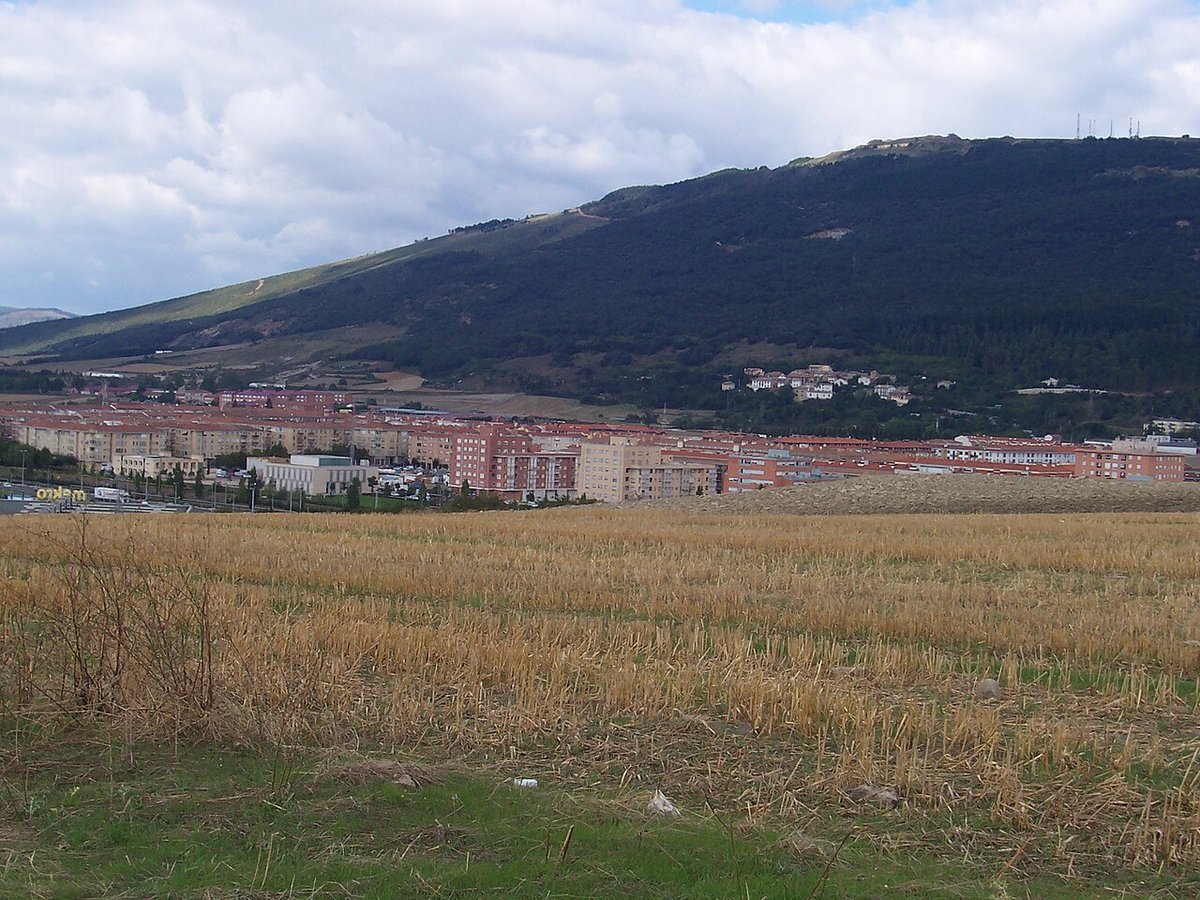
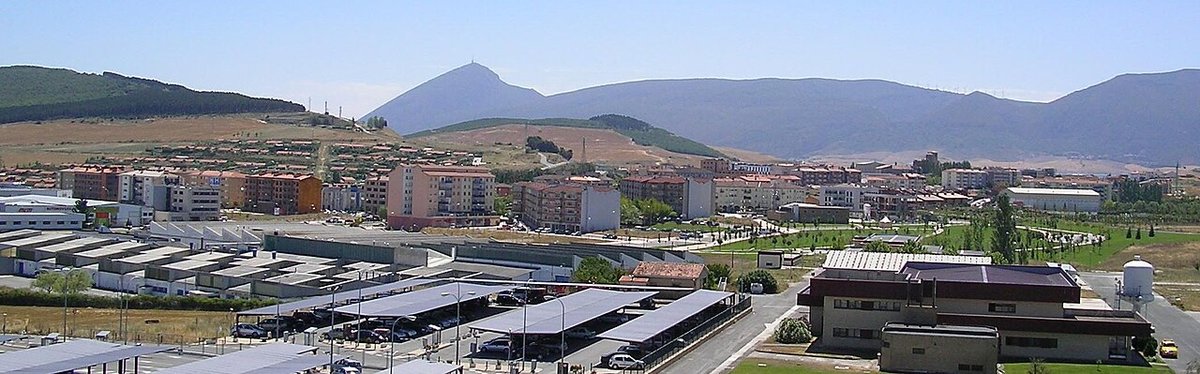
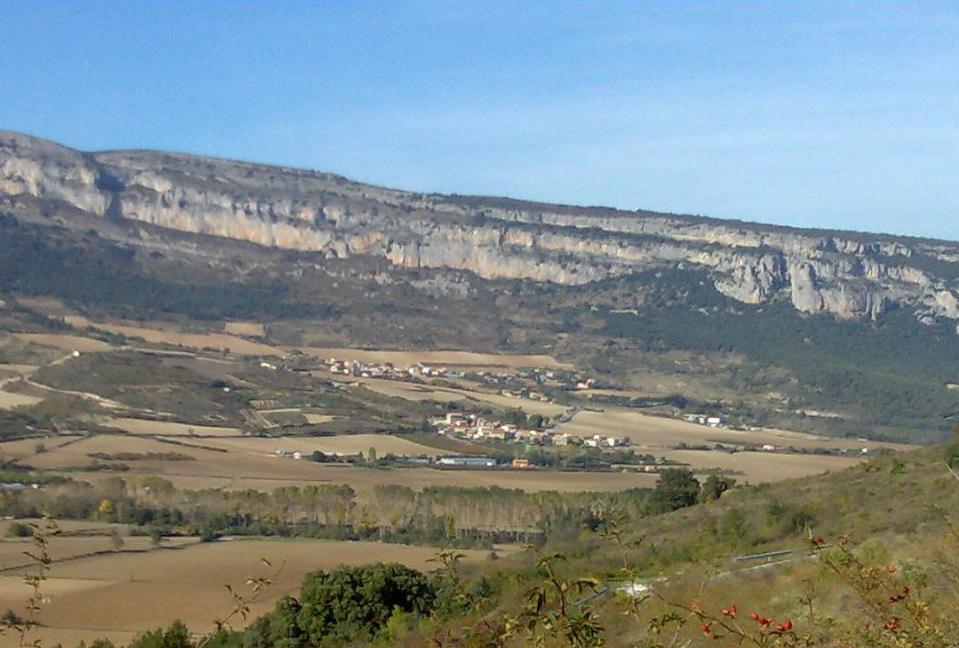
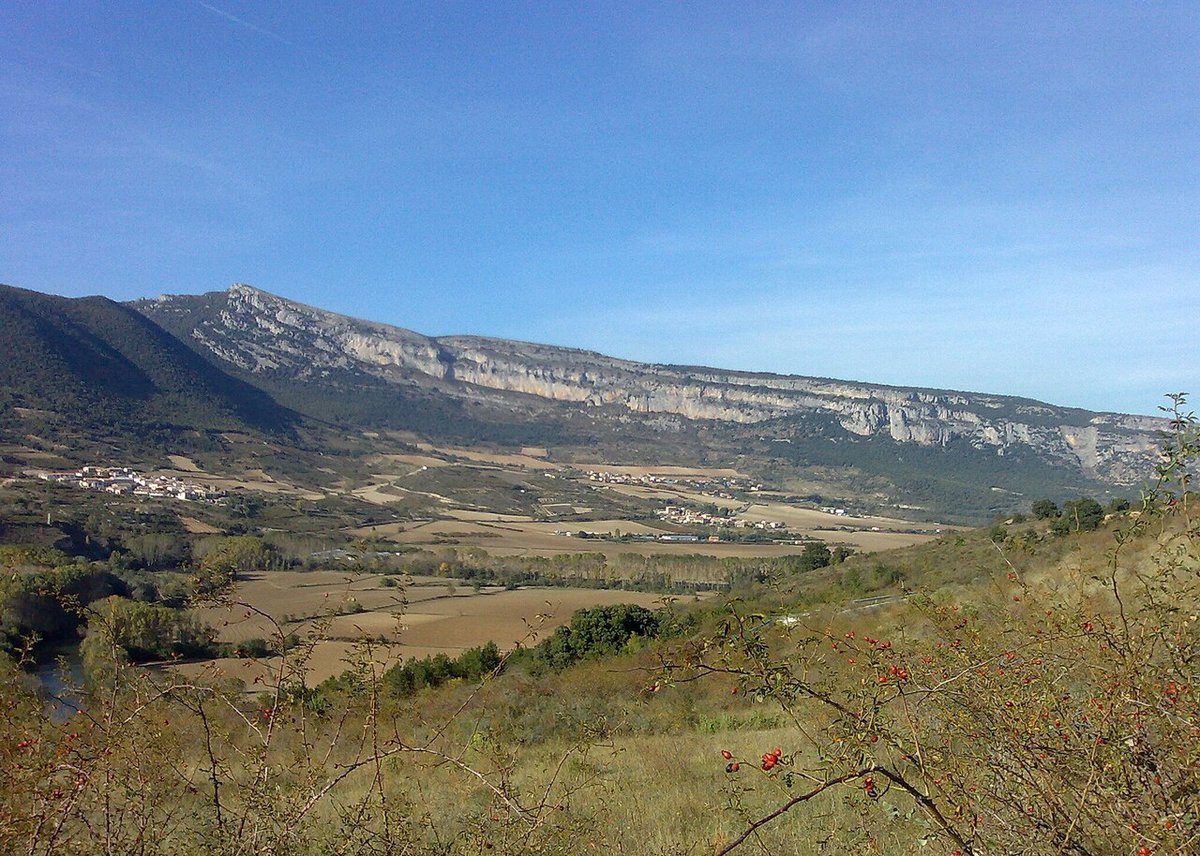
That change is immediate. The setting feels open but contained, with the surrounding landscape always present. The valley frames the village without crowding it, and the nearby hills shape both the light and the wind that move through the streets.
The centre: San Martín de Tours and traces of time
At the heart of Etxauri stands the parish church of San Martín de Tours. Its pale stone walls catch the sharp light of summer midday, giving the building a brightness that contrasts with the surrounding streets. The structure does not follow a single, uniform design. Different phases of construction are visible in the fabric of the church, along with later additions and repairs that have accumulated over the centuries.
The tower rises above the rest of the village and can be seen from most points in the centre. It works as a natural reference point when navigating the streets, which wind gently rather than following a strict layout.
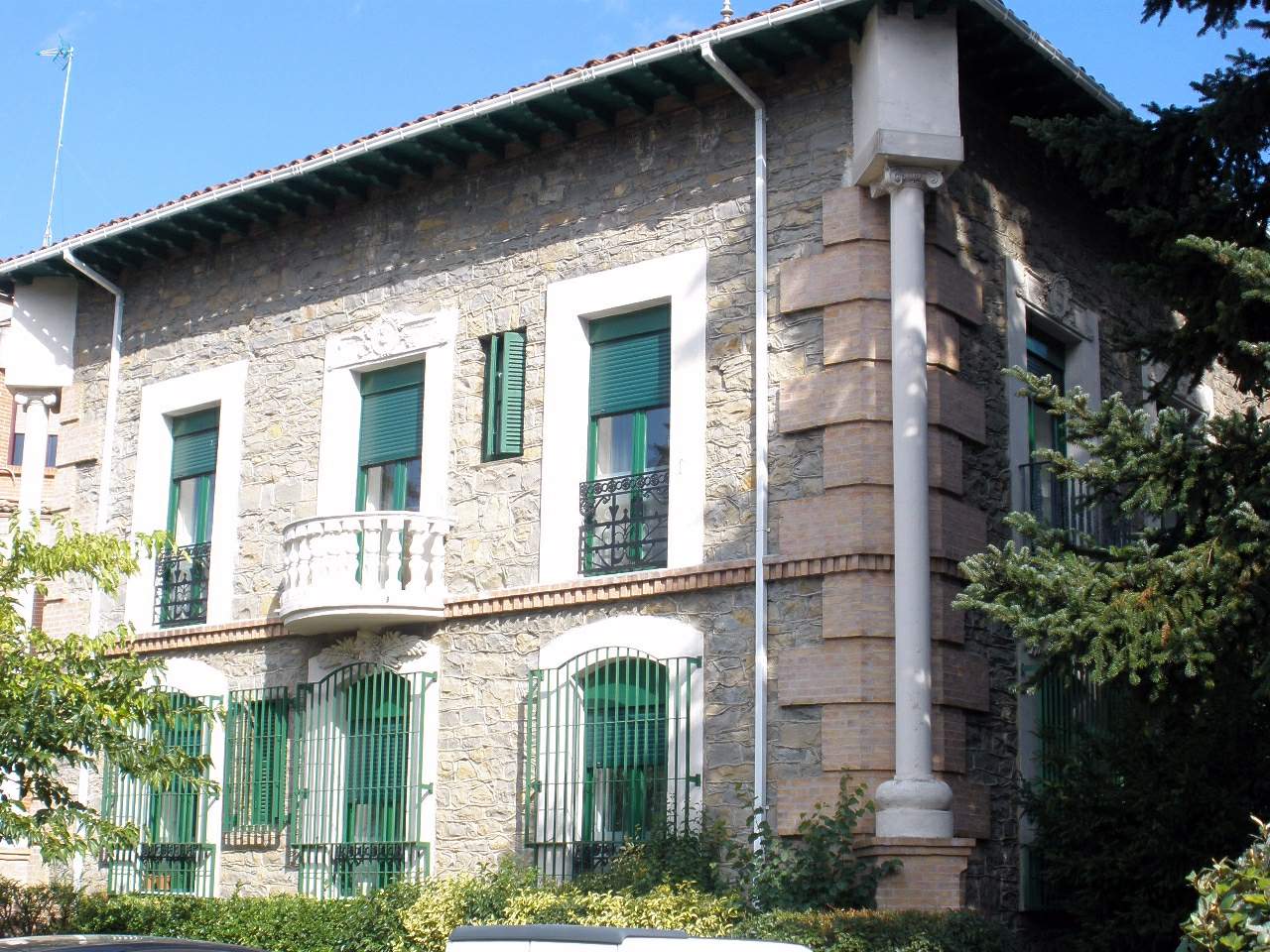
A slow walk through the village reveals smaller details that are easy to miss at first glance. Some doorways are topped with worn coats of arms. Stone frames outline windows, and many doors are made of wood darkened by age. The historic centre is not large, yet it retains a strong sense of continuity. Houses stand close together, a practical response to the wind that descends from the nearby hills, and the layout still reflects how generations have lived here.
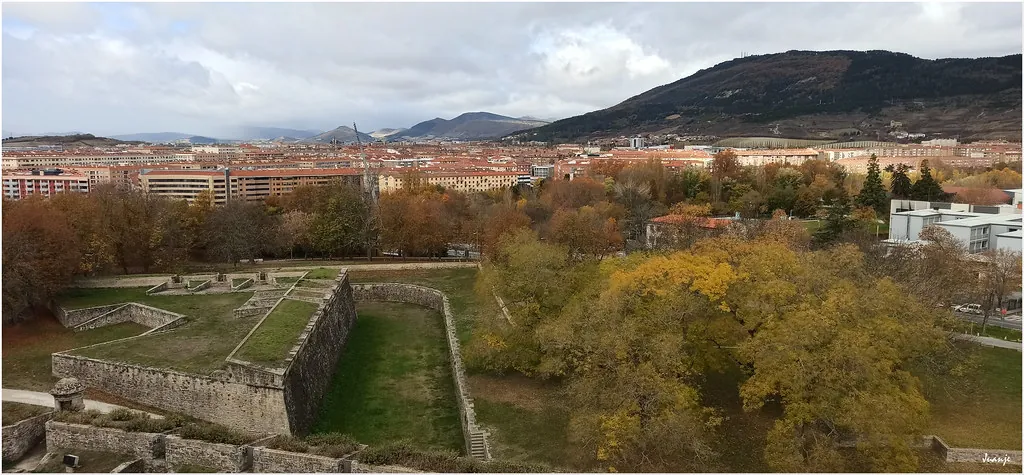
Streets that climb slightly higher offer a broader view. From these points, the Cuenca de Pamplona opens out, and the relationship between village and landscape becomes clearer. In the evening, the light falls at an angle across the fields. The limestone faces of the surrounding hills take on a clean grey-blue tone, especially after periods of rain, when the air sharpens the contrast.
Paths beyond the streets
Much of what defines Etxauri lies outside the village centre. Tracks and paths begin at the edges of the settlement and lead out through farmland. These routes pass between cultivated plots, low stone walls and scattered holm oaks, creating a landscape that feels both worked and open.
The terrain alternates between flatter stretches and gentle inclines. Some of these climbs feel more noticeable than they appear on a map, particularly under the sun. Walking is common, and bicycles are just as much a part of the scene, with people setting off directly from the village.
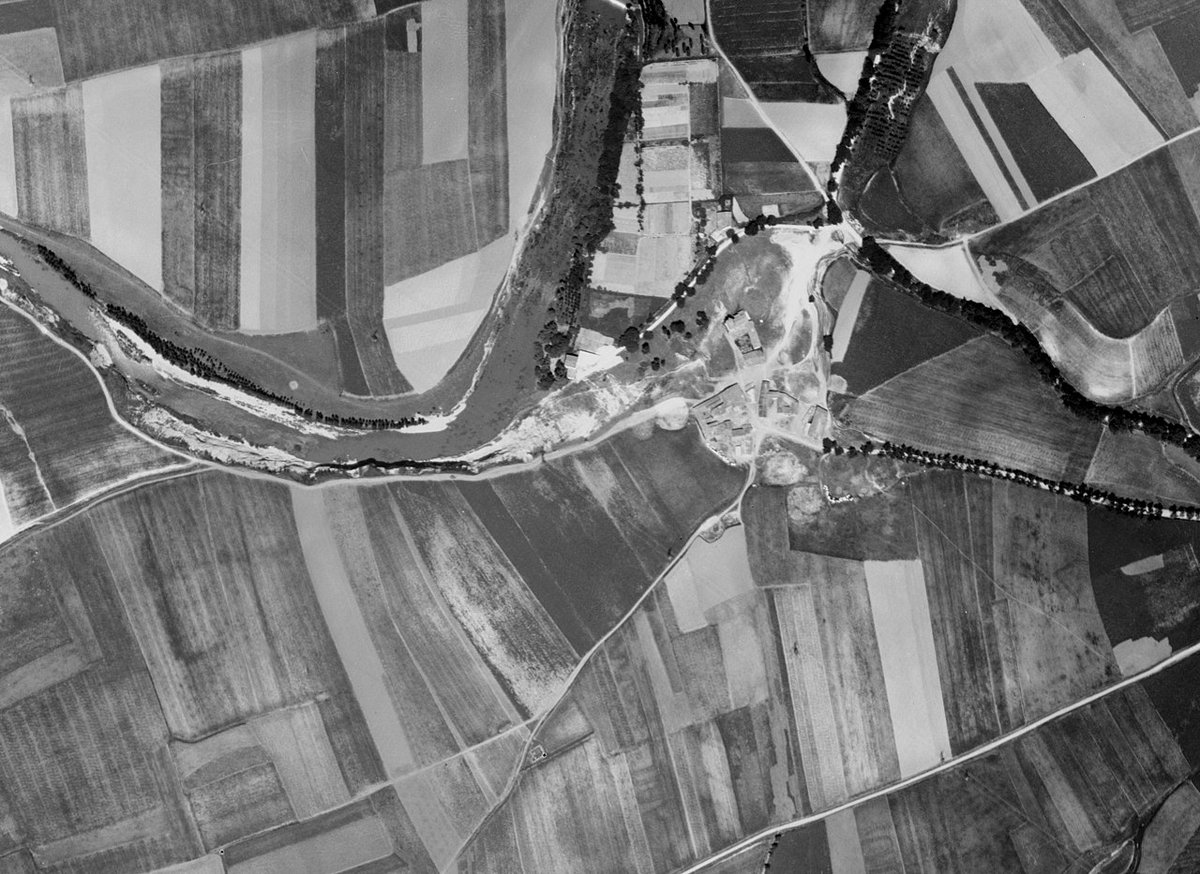
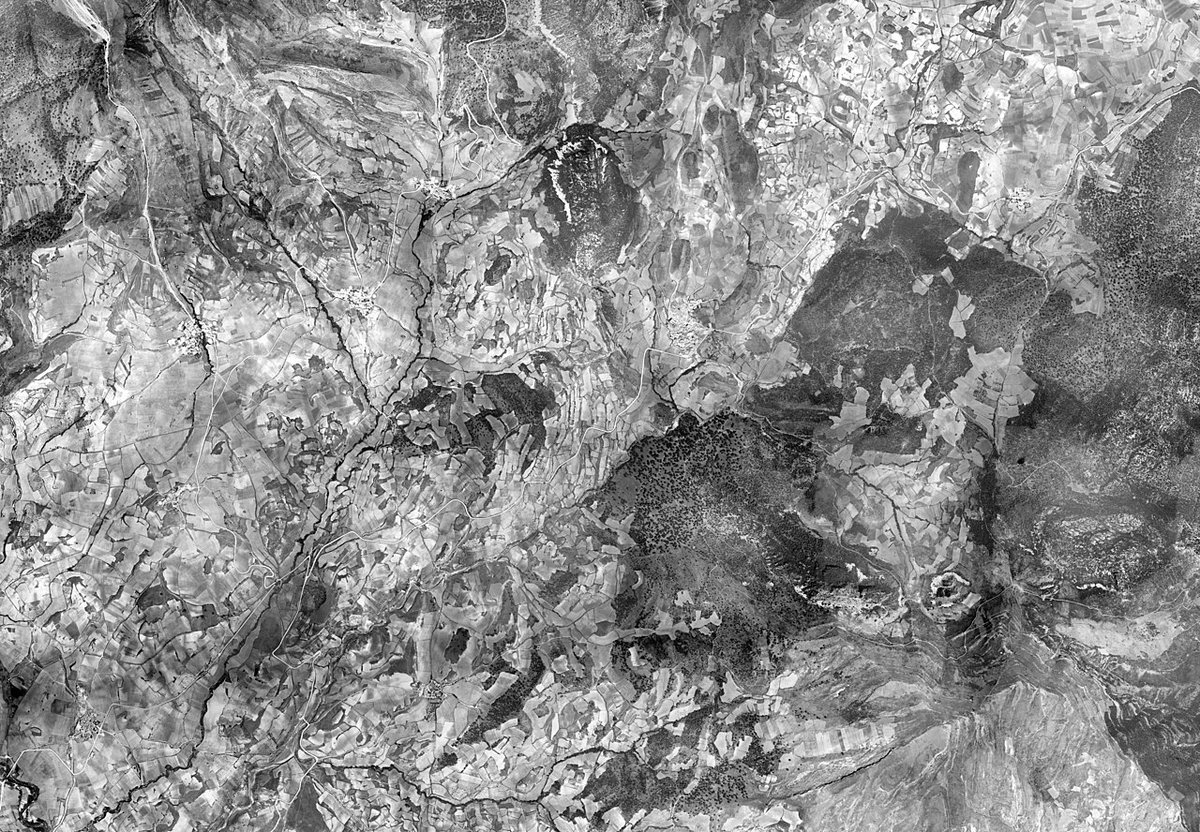
Certain tracks gradually gain height and provide views over the valley of the Arga. From above, the river winds its way between fields, forming a soft line through the wider landscape. The perspective shifts as you move, with the village receding and the valley taking over.
Footwear matters here. Some sections of the paths are made of loose earth, and after rain the ground can become sticky with mud. Conditions change quickly depending on the weather, which shapes how the routes feel from one day to the next.
Summer brings another consideration. Shade is limited along many of these paths, and the heat builds quickly in exposed areas. Early morning or late afternoon tends to be more comfortable, when the temperature drops and the air begins to move again across the valley.
A short circuit through the village
Etxauri itself can be explored quickly. About an hour is enough to walk the main streets, circle the church and pause at a few points where the valley suddenly appears between the houses. These openings in the built space create small moments where the wider landscape comes into view without warning.
From there, it takes only a short step to leave the village behind. Following a track outwards shifts the focus almost immediately. The sounds of the village fade, replaced by a quieter setting where fields stretch out and the river remains at a distance. The rocky walls that define the horizon become more prominent as the built environment falls away.
This contrast between centre and surroundings is one of the defining features of Etxauri. The village does not stand apart from its landscape but sits within it, with an easy transition from street to open ground.
Before you go
The village centre of Etxauri is small, and a visit focused only on its streets does not take long. The experience makes more sense when combined with a walk in the surrounding area or a longer route through the nearby countryside.
Weekends tend to bring more activity, especially when the weather is good. Walkers use the paths around the village, and climbers head to the nearby rock faces. During the week, the atmosphere changes noticeably. The pace slows again, and the quiet that defines the early morning returns and settles over the village.
Etxauri does not rely on a long list of sights or attractions. Its appeal comes from the relationship between the village, the valley of the Arga and the low hills that frame both. Time moves differently here, shaped by light, weather and the simple act of stepping beyond the last house and into the open land.