Full Article
about Ezcabarte
Residential valley north of Pamplona along the Ulzama River; includes Oricáin and Arre with its medieval bridge.
Hide article Read full article
A valley beside the city
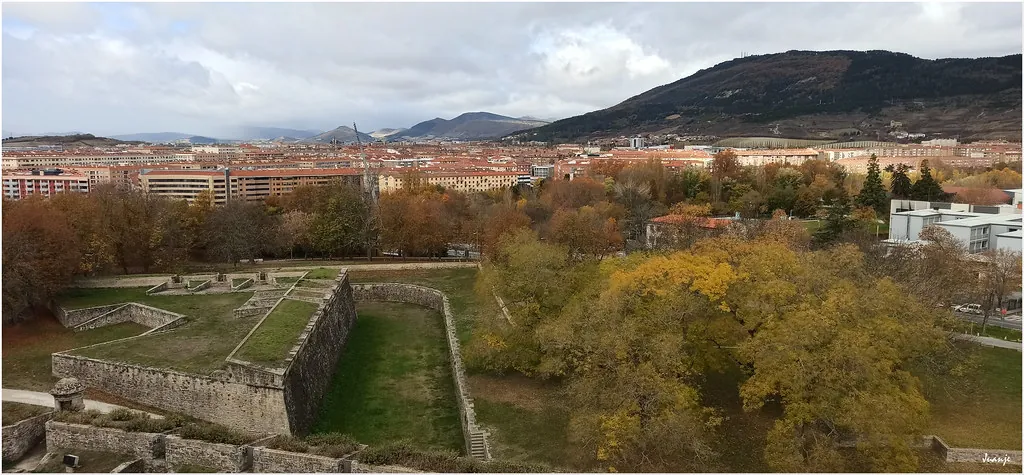
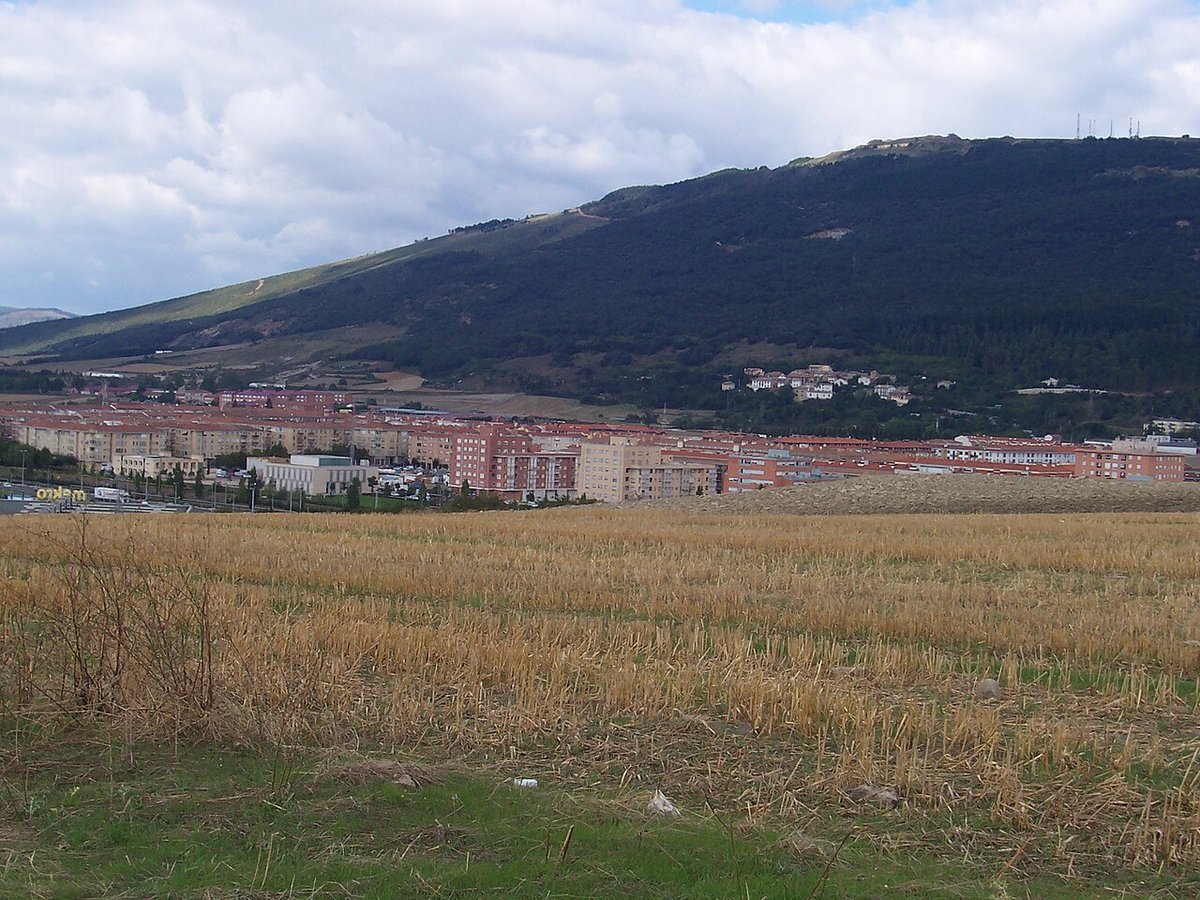
Around 15 kilometres from Pamplona, within what is known as the Cuenca de Pamplona, the municipality of Ezcabarte brings together several small settlements with a combined population of roughly 1,900. Its location explains much of its character. It sits right on the edge of the regional capital, yet remains within a landscape shaped by market gardens, open fields and villages that for centuries depended on agriculture and their close ties to the city.
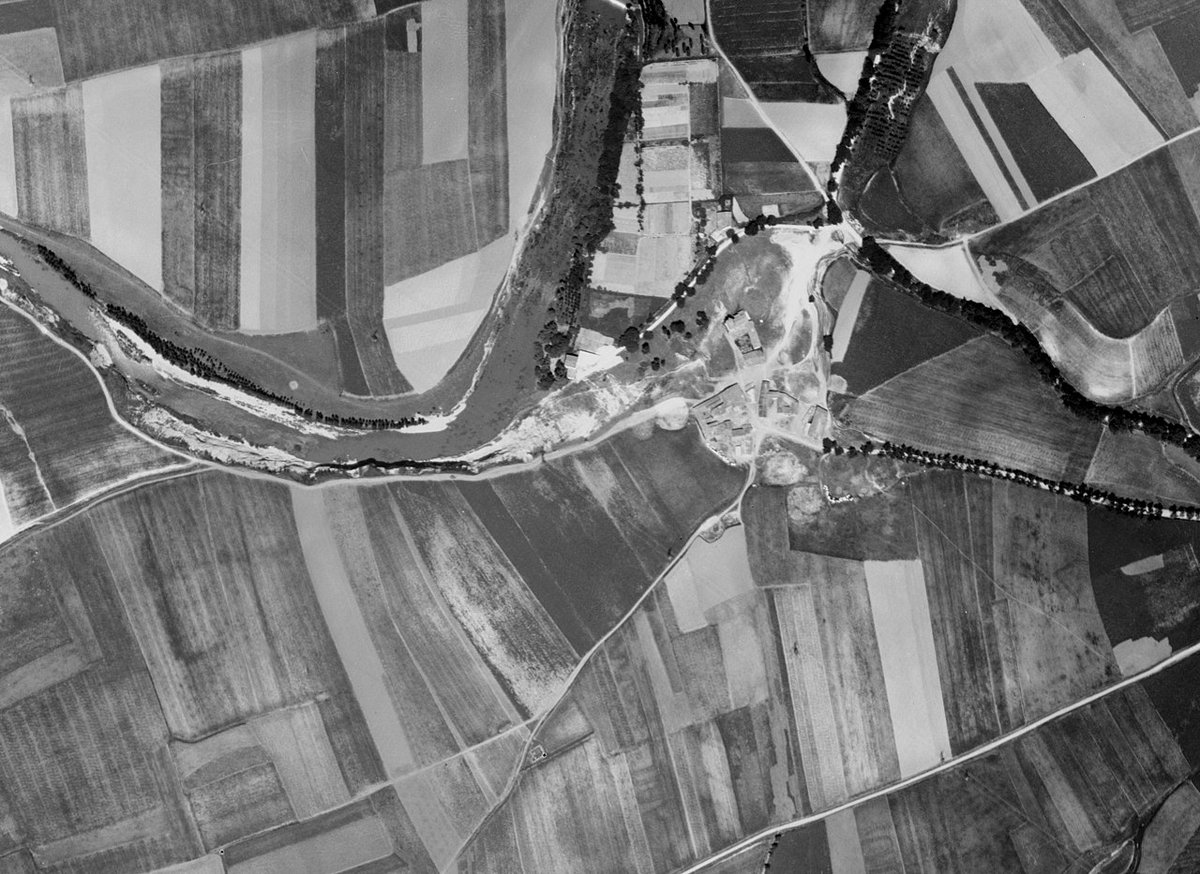
Ezcabarte is not a single village but a collection of concejos, local administrative units, spread across the valley. Arre, Oricáin, Sorauren and Garrués are among them. Each is connected by local roads, minor routes and older paths that once served as access to Pamplona. This dispersed layout reflects the shape of the land itself: an open corridor between gentle hills, with fertile ground at the valley floor and settlements that grew close to water sources and cultivable land.
That balance between proximity and separation still defines the area today. The city feels close, yet the structure of Ezcabarte continues to follow patterns established long before modern urban expansion reached this part of Navarra.
The presence of Monte Ezkaba
One feature dominates the landscape. Monte Ezkaba rises to the south of the municipality and overlooks the entire basin. At its summit stands the Fuerte de San Cristóbal, a large military fortification built at the end of the 19th century. Its scale and position make it visible from much of the valley.
The mountain has long served as a reference point, both visually and geographically, in understanding how Ezcabarte relates to Pamplona. It marks a clear boundary while also linking the valley to the wider basin.
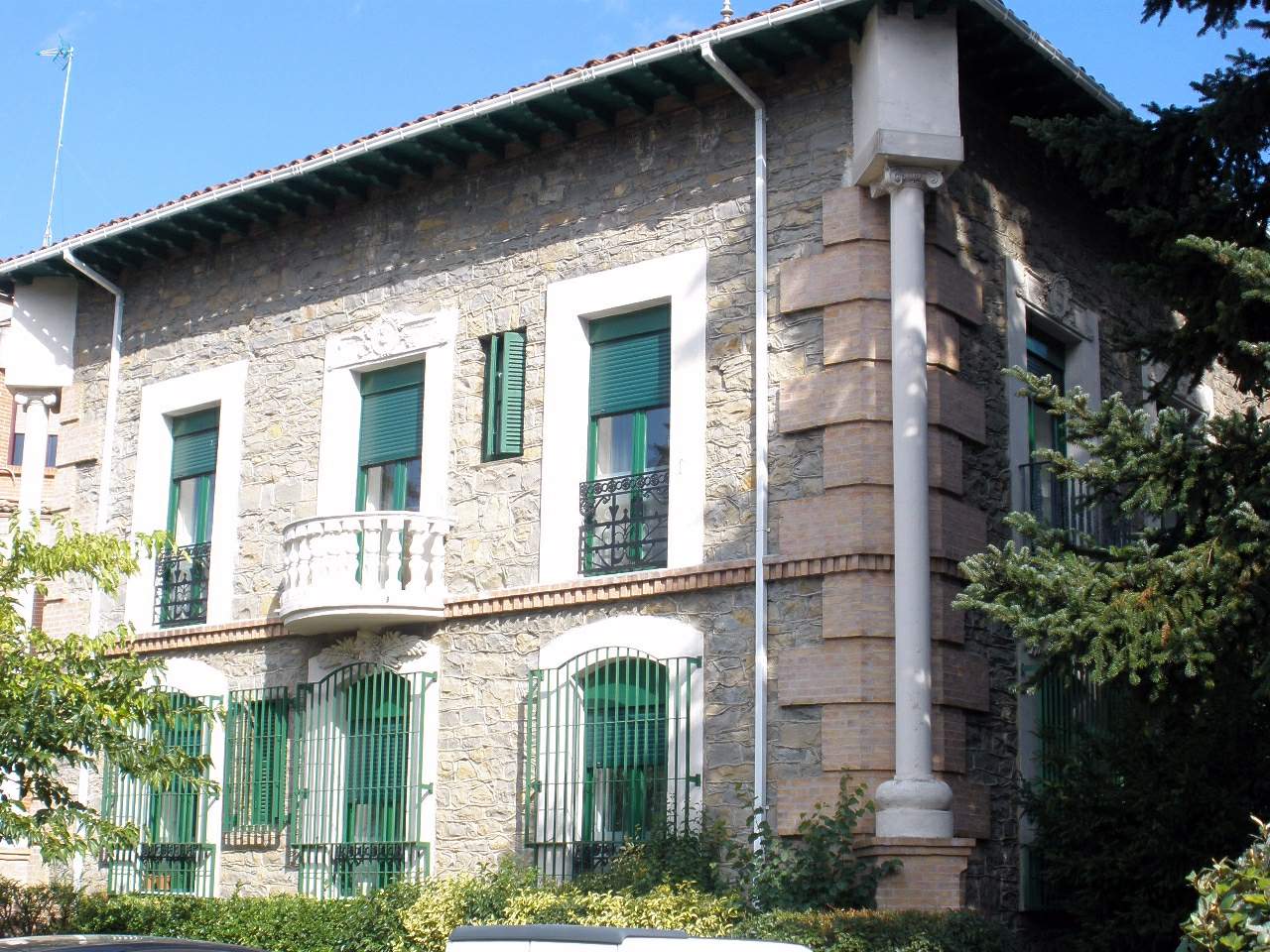
The villages themselves developed either on flatter ground or on small elevations nearby. Traditional houses follow the familiar patterns of rural Navarrese architecture. Stone walls are common, along with wide entrances designed to allow carts to pass through, and sloping tiled roofs suited to the climate. Some façades still display coats of arms or inscriptions that hint at the social standing of certain families in earlier centuries.
Parish churches appear in each of the settlements. Many date back to the medieval period, although most have been altered over time. These are not imposing monuments set apart from daily life. They form part of the village fabric, often best understood in relation to the square or the surrounding cluster of houses.
Moving between the concejos
One of the clearest ways to understand Ezcabarte is to travel between its villages. Distances are short, and many of the agricultural paths still follow traditional routes that once linked the different communities.
These routes pass through cultivated fields, small market gardens and areas of riverside vegetation near watercourses. Along the way, simple bridges, stone walls and crossroads appear, reminders of how long these paths have been in use. The landscape feels shaped by continuous activity rather than designed for visitors.
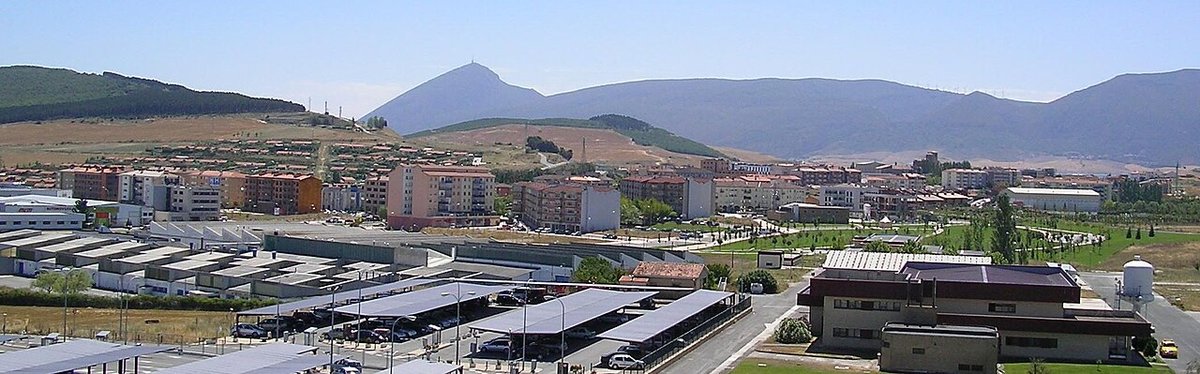
Higher points along these routes offer views over the Cuenca de Pamplona. From there, the contrast becomes clear. The agricultural spaces of the valley give way to the urban and industrial growth that surrounds the capital. Ezcabarte sits precisely at that transition.
The experience of moving through the municipality is less about reaching a single landmark and more about understanding how these small settlements relate to each other within the valley. Each concejo has its own layout, but they share a common logic tied to land use, water and access routes.
A short visit at an easy pace
Ezcabarte does not present itself as a compact historic centre that can be explored in one continuous walk. A more practical approach is to choose one or two concejos and take time to walk through them slowly. The arrangement of houses around a church or small square reveals how each settlement developed.
From there, it is easy to follow a rural path towards another village. Short distances make it possible to see how closely connected these places are, and how their proximity to Pamplona has shaped their evolution.
The focus tends to fall on everyday architecture rather than major monuments. Details such as doorways, stonework or the positioning of buildings within the landscape provide a clearer sense of place than any single standout site.
Before you go
Ezcabarte can be explored in a relatively short time and works best as part of a broader visit to the Cuenca de Pamplona. Travelling by car makes it easier to move between the different concejos, although many stretches between villages can be covered on foot.
It is also worth keeping in mind that, despite the rural appearance, the valley forms part of Pamplona’s immediate surroundings. This mix of countryside and urban fringe defines daily life in Ezcabarte today, just as much as its agricultural past does.