Full Article
about Galar
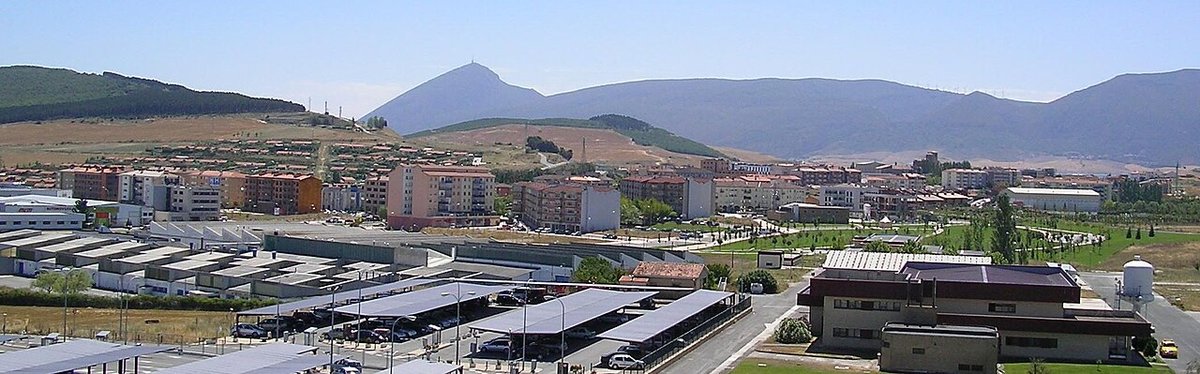
A district south of Pamplona with strong industrial and commercial activity; includes quiet villages like Esparza or Salinas.
Hide article Read full article
A village shaped by open land
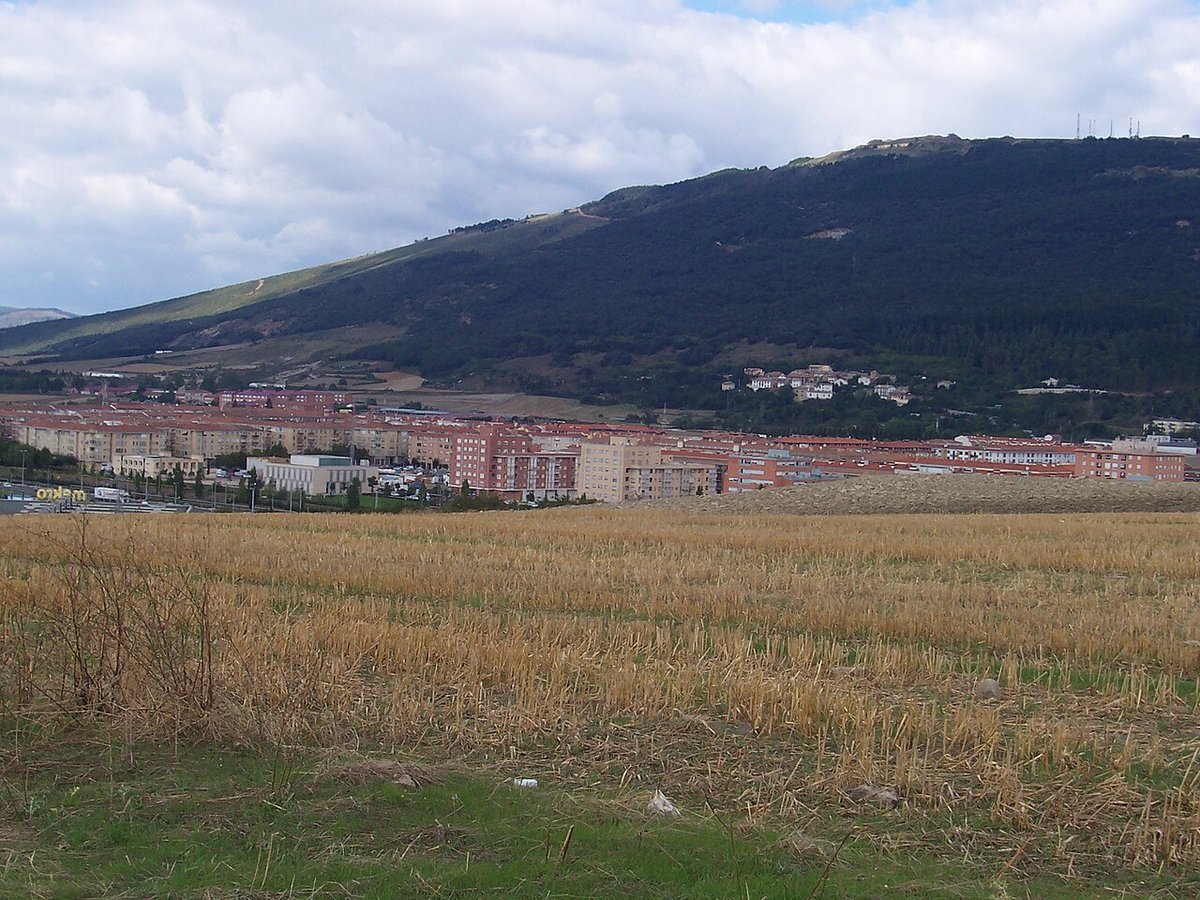
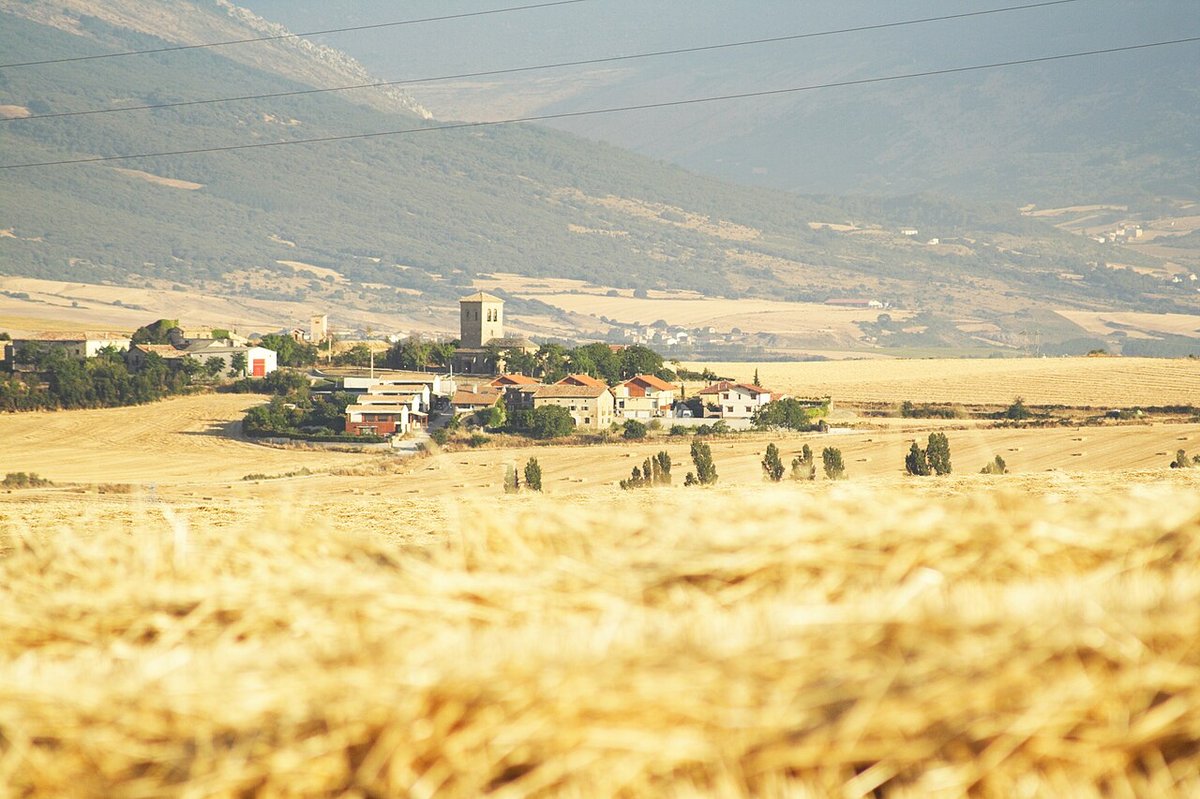
The bell tower of San Miguel has defined Galar’s outline since the 16th century. The village sits in the Pamplona basin, an expanse of open agricultural land where the horizon stretches easily in every direction. Its proximity to Pamplona is clear, yet daily life still follows the pace of the countryside.
Towards evening, tractors return along the dirt tracks. In summer, chairs appear outside front doors and conversations linger. The surrounding landscape remains dominated by cereal crops, much like much of this part of Navarra.
The wide cereal plains of the Arga valley
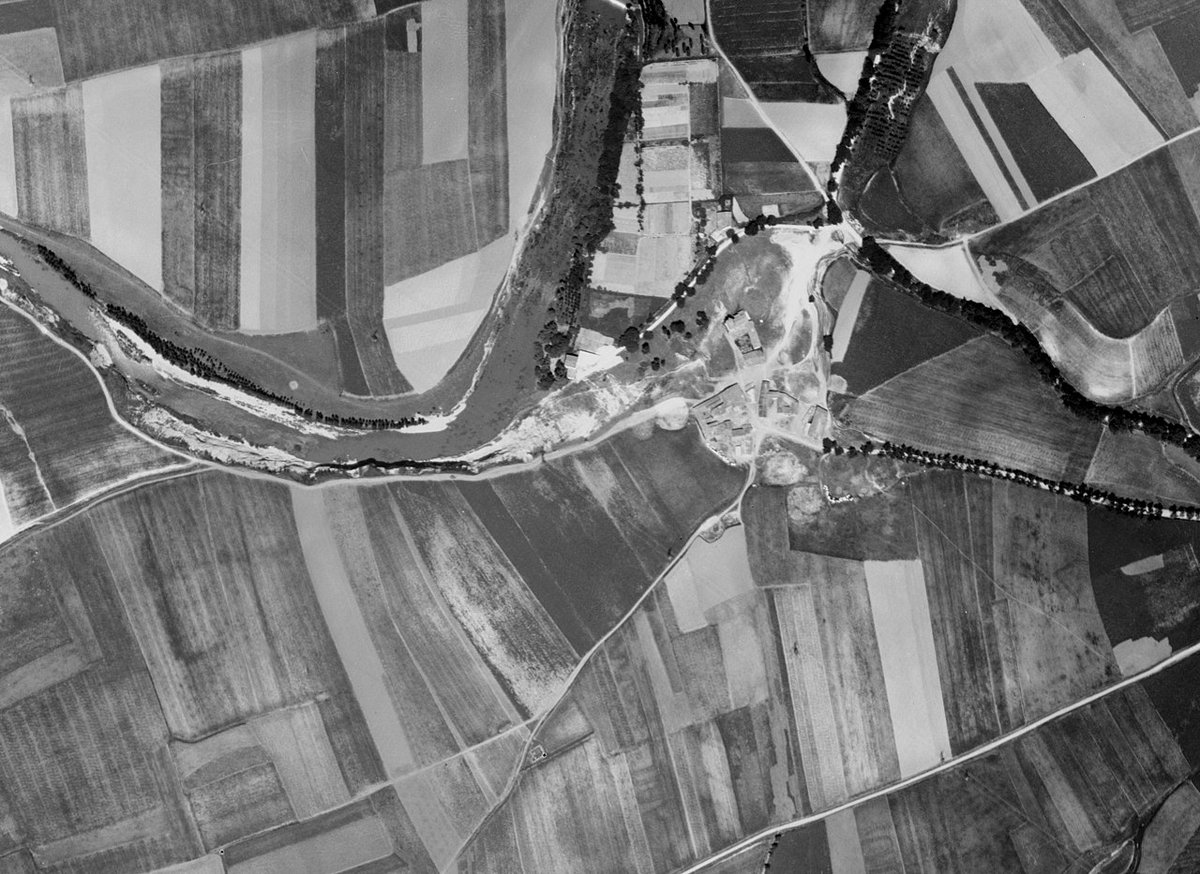
Galar makes most sense when understood as part of the Arga valley. The river flows relatively close by before reaching Pamplona, and over time it has created fertile terraces. For centuries, these lands were almost entirely devoted to growing cereal.
That legacy is still visible today. Wheat and barley shape the view in every direction. The road linking Galar with Pamplona cuts across a broad, open plain where very little interrupts the eye. In the distance, the hills that encircle the basin begin to rise, and to the west, the long outline of the Sierra del Perdón comes into view.
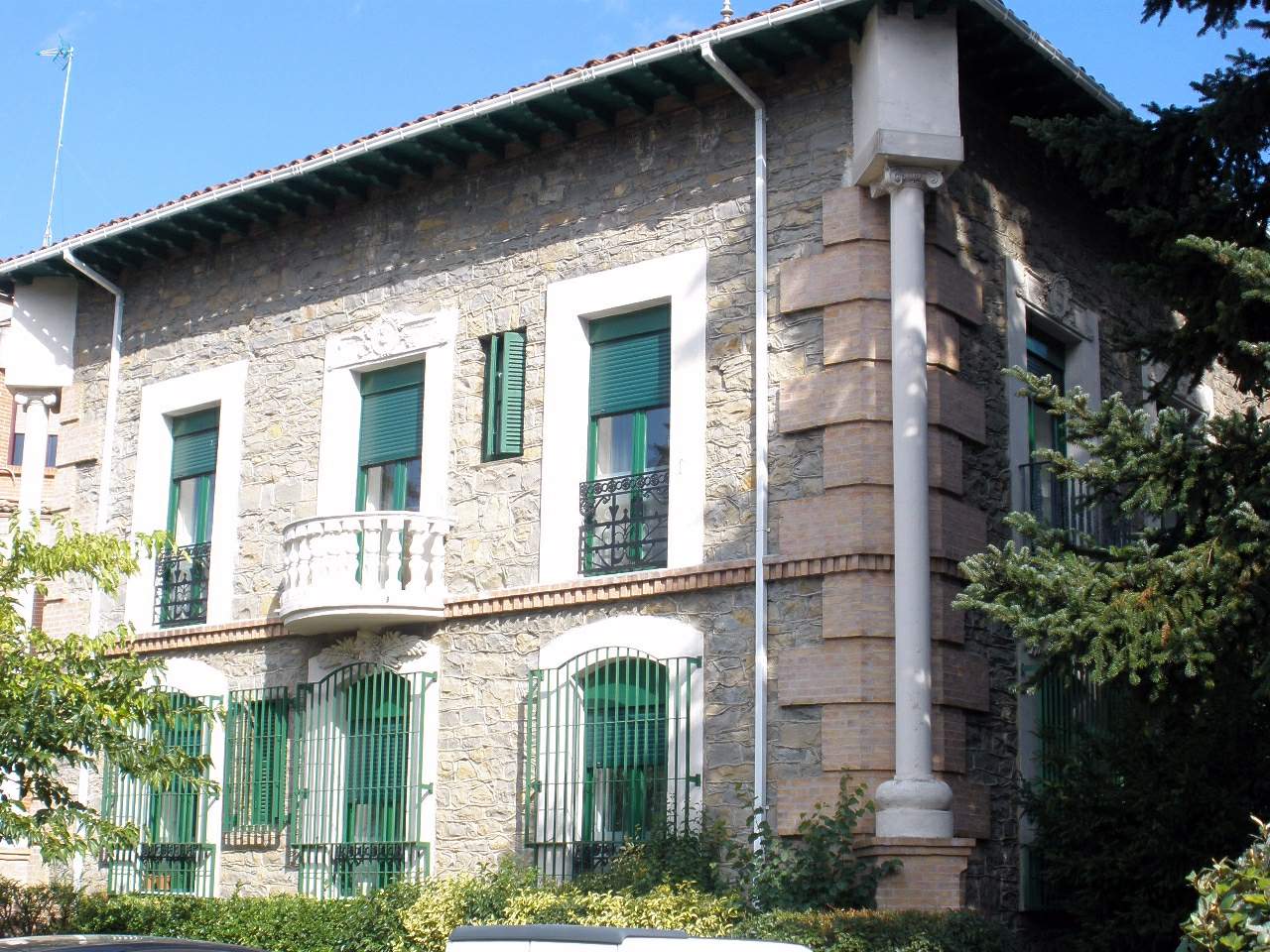
The layout of the village reflects this agricultural background. Stone houses, generally low in height, are topped with sloping roofs. Many face towards the central square, forming a compact layout that feels tied to working the land rather than expanding beyond it.
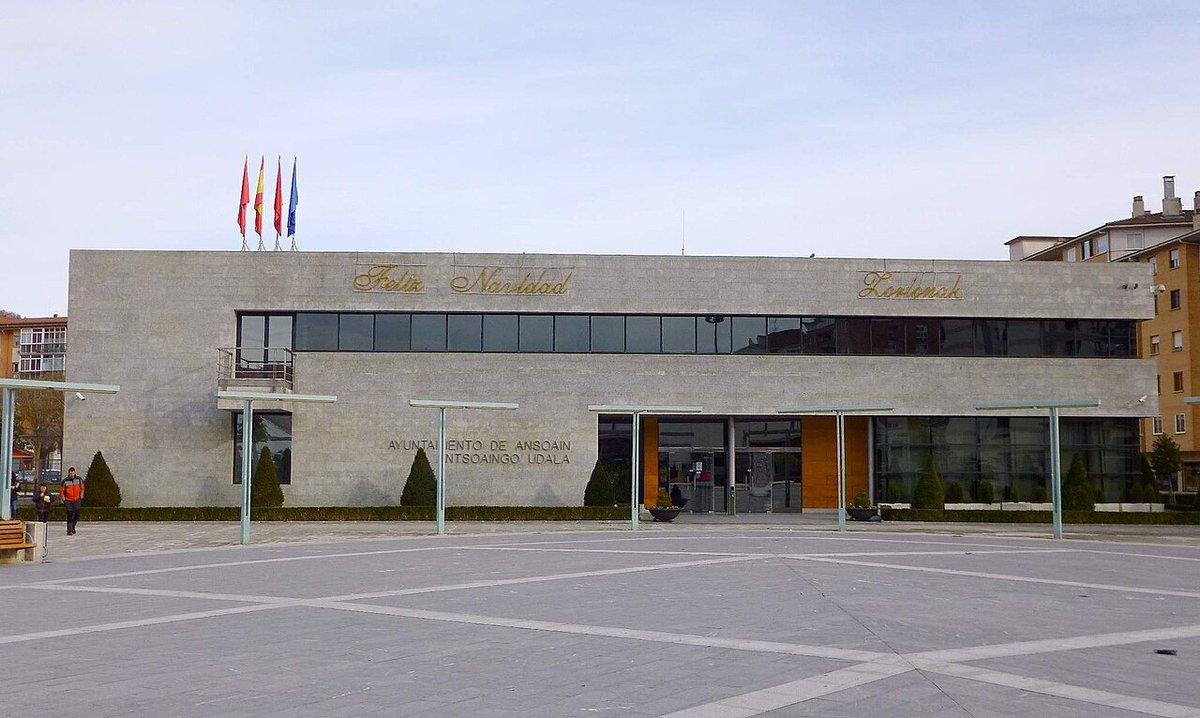
The current town hall dates from the 18th century and anchors the centre. Historically, the square served as a place for exchange and social life. Today, the atmosphere is more routine. People pass through, cars stop briefly, conversations happen in passing rather than gathering into larger events.
San Miguel and the changes of the 19th century
The church of San Miguel Arcángel stands above the rest of the village. Its origins lie between the 15th and 16th centuries, and it retains a restrained Gothic structure typical of rural Navarra at the time.
Inside, a later altarpiece introduces Renaissance elements. It is not an imposing or monumental interior, but it offers a sense of continuity. Churches in this area were often expanded or modified over generations, adapting to the needs and resources of each period.
Not far from Galar runs the railway line connecting Pamplona with Zaragoza. Its arrival in the 19th century altered how goods moved across the basin. Cereal production no longer depended solely on carts and local routes, opening up wider connections beyond the immediate area.
The old station has been out of use for decades, yet the railway line continues to shape the landscape. It cuts across fields and traces part of the municipal boundary, a reminder of a time when transport began to shift the rhythm of rural economies.
Food rooted in what the land provides
Eating in Galar reflects what is grown and raised nearby. Beef, seasonal vegetables and straightforward ingredients define the local approach. At weekends, people from nearby villages often come here, drawn by that connection between land and table.
Chuletón, a thick-cut beef steak common across this part of Navarra, appears regularly. Its preparation is simple: grilled over embers and served without elaborate additions. Bread, a few guindilla peppers and local wine usually accompany it.
In spring, wild asparagus grows along the edges of paths. Some residents gather it while working or walking in the fields. Sheep’s cheese is also part of the local produce, though livestock farming no longer has the same weight it once did.
Walking the land around Galar
The best way to understand Galar is to walk its agricultural tracks. Paths lead out between wide, open fields where the view extends far in almost every direction. The sense of space is constant, shaped by long plots of land and uninterrupted horizons.
A short distance from the village stands the hermitage of San Cristóbal. It occupies a small rise, offering a clear view over the plain of the valley. From there, the relationship between settlement and landscape becomes easy to read.
The village itself can be explored quickly. What holds attention lies beyond its streets. Straight tracks, elongated fields and a broad sky define the surroundings. This agricultural landscape explains why Galar was established here and not elsewhere nearby, rooted in land that has supported it for centuries.